Hotels in Crete
2 cities · 189 hotels
Photo by Joshua Kettle on Unsplash
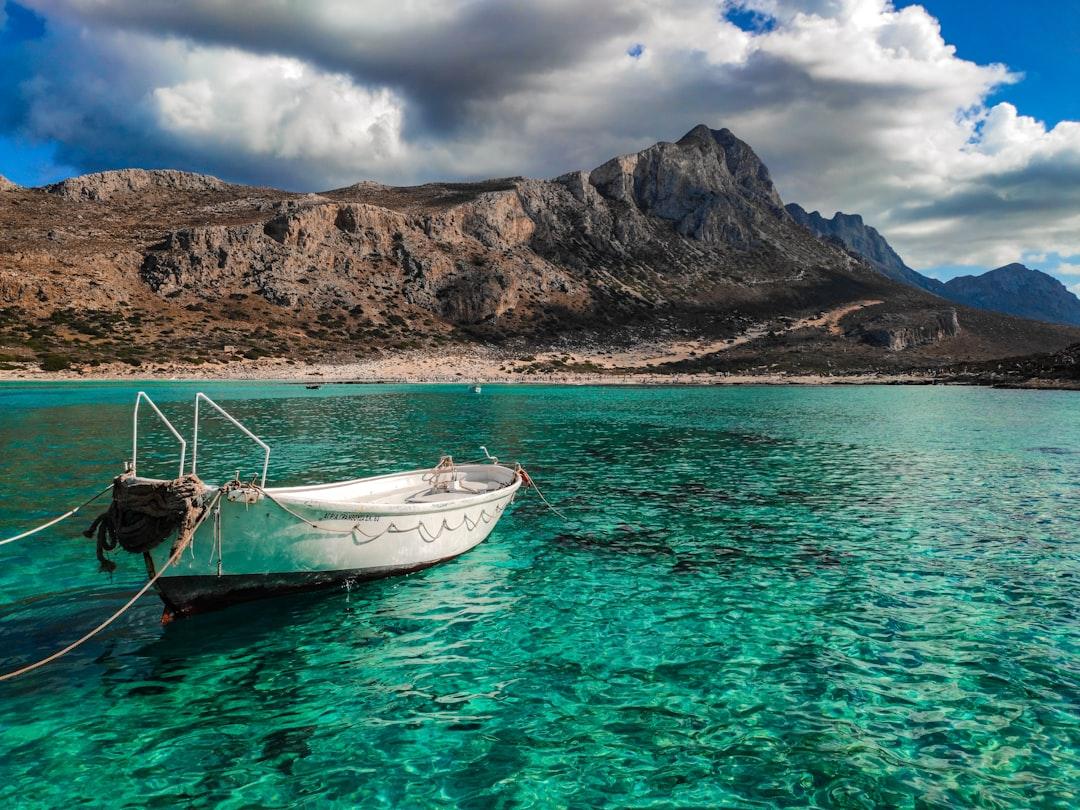
Crete is Greece's largest island and the fifth-largest in the Mediterranean, stretching roughly 260 km east to west and sitting at the southern edge of the Aegean Sea. The island divides into four regional units — Heraklion, Lasithi, Rethymno, and Chania — each with a distinct character shaped by mountain ranges, deep gorges, and a coastline that alternates between long sandy beaches and sheer limestone cliffs. The White Mountains (Lefka Ori) rise to 2,452 m in the west, while the Dikti range dominates the central plateau of Lasithi.
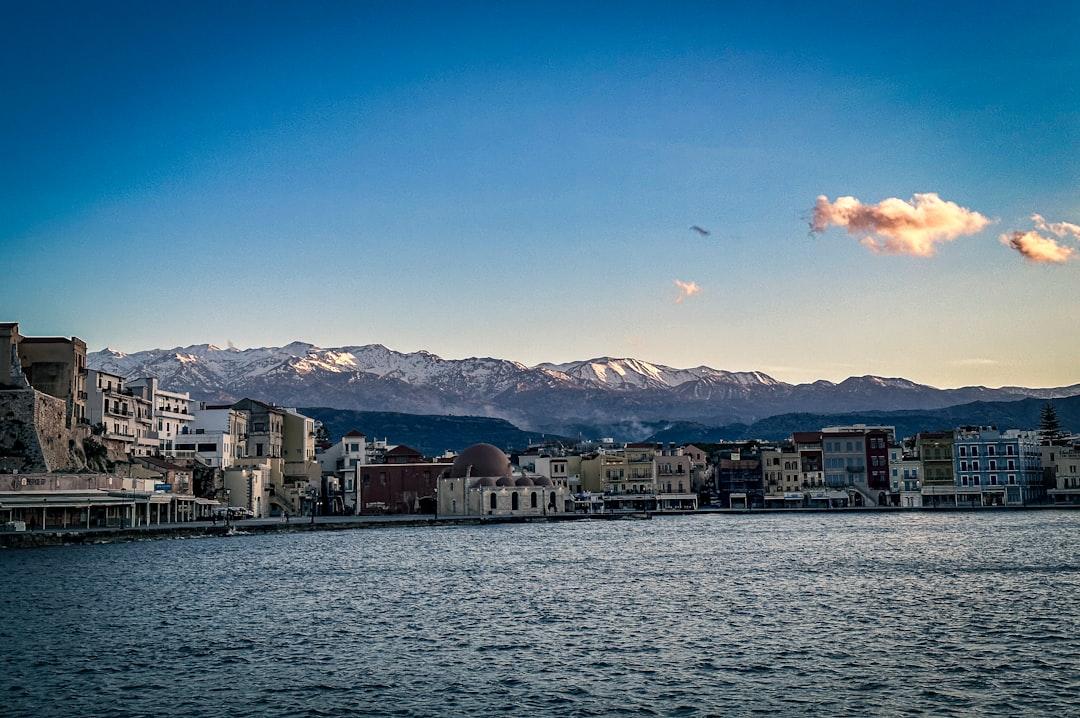
The island's historical record runs deeper than almost anywhere in Europe. Knossos, 5 km south of Heraklion, was the administrative center of Minoan civilization from roughly 2000 BCE and remains one of the most visited archaeological sites in Greece. The Heraklion Archaeological Museum holds the world's most complete collection of Minoan artifacts, including the famous Phaistos Disc. Venetian rule from 1204 to 1669 left a clear architectural mark — the old harbor of Chania with its 16th-century lighthouse, the Koules Fortress guarding Heraklion's port, and the well-preserved old town of Rethymno all date from this period.
Crete's natural geography draws walkers and outdoor travelers in significant numbers. The Samaria Gorge in the Chania regional unit runs 16 km through the White Mountains National Park and is one of the longest walkable gorges in Europe — the trail is open roughly May through October. The eastern end of the island around Vai hosts Europe's largest natural palm forest, a grove of Cretan date palms (Phoenix theophrasti) covering several hectares. Elafonisi, near the southwestern tip, is known for its shallow lagoon and pink-tinged sand caused by crushed shell fragments.
Heraklion International Airport (HER) is the island's main gateway and handles direct flights from across Europe, particularly during the April–October season. Chania International Airport (CHQ) serves the western part of the island with additional seasonal routes. Ferry connections from Piraeus take approximately 8–9 hours overnight and dock at Heraklion or Souda Bay near Chania.