Hotels in Cyclades
2 cities · 168 hotels
Photo by Iason Raissis on Unsplash
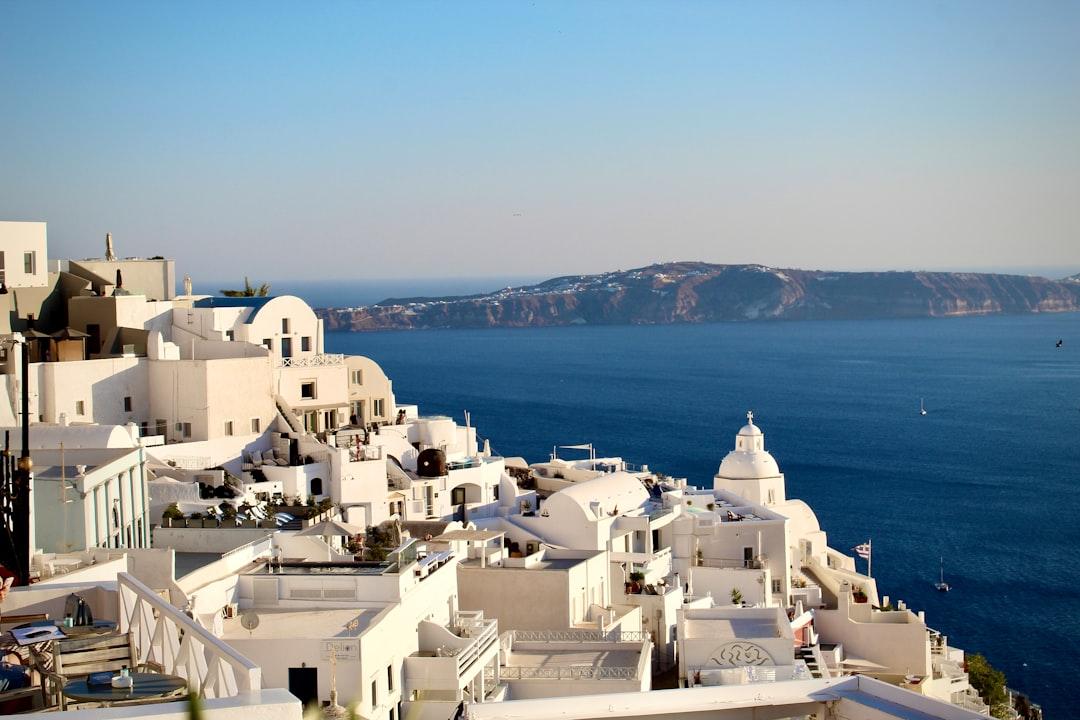
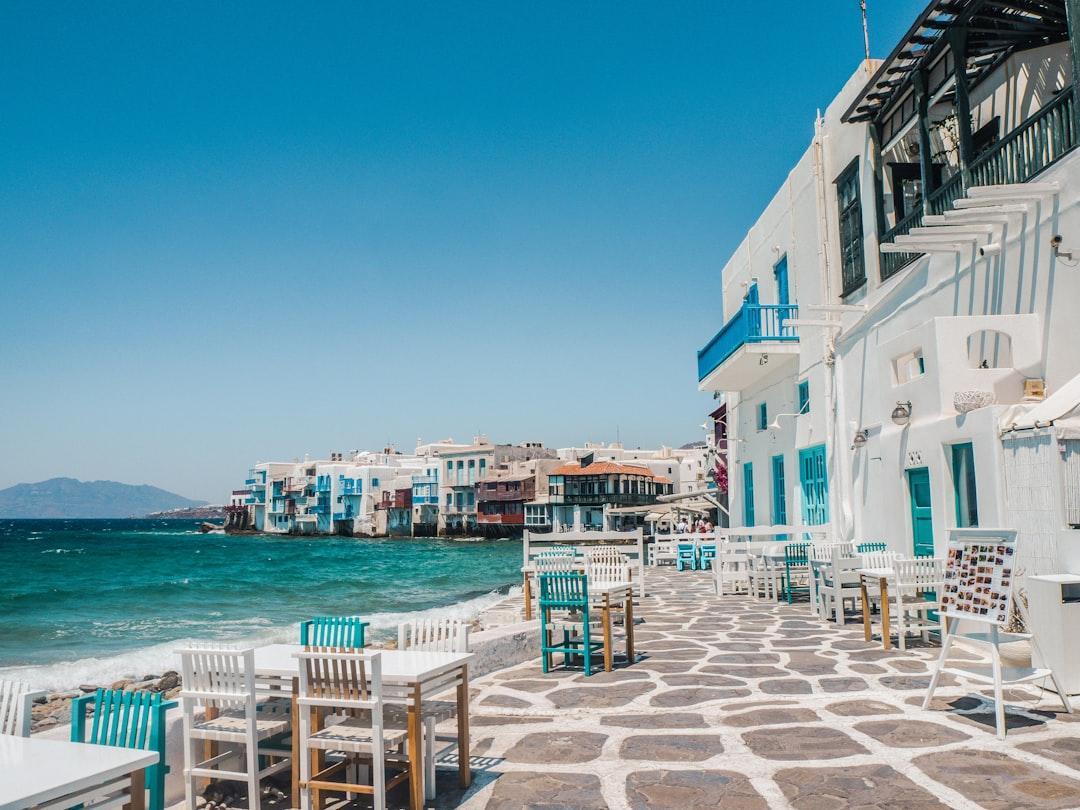
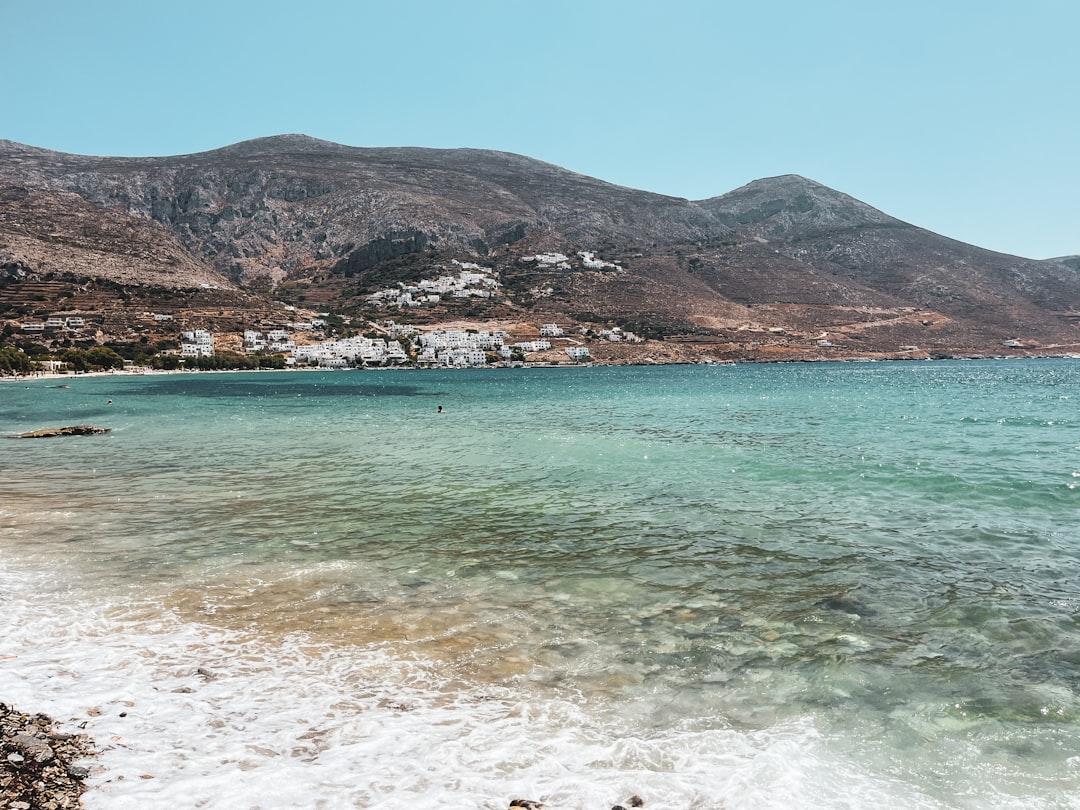
The Cyclades are a group of islands scattered across the southern Aegean Sea, forming one of Greece's most iconic and visited regions. Known for their whitewashed villages, vivid blue-domed churches, and crystal-clear waters, these islands have drawn travelers for centuries — and continue to do so for very good reason.
Island Diversity Across the Archipelago
The Cyclades comprise around 220 islands, of which roughly 24 are inhabited. Each island carries its own distinct character. Santorini is famous for its dramatic caldera views and volcanic beaches, while Mykonos draws visitors with its cosmopolitan atmosphere and lively nightlife. Naxos offers fertile landscapes, ancient ruins, and long sandy beaches. Paros is beloved for its traditional Cycladic architecture and windsurfing conditions. Smaller islands like Folegandros, Amorgos, and Koufonisia reward those willing to venture off the beaten path with quieter shores and authentic village life.
History and Culture
The Cyclades have been inhabited since at least 3000 BCE, giving rise to the Cycladic civilization — one of the earliest in the Aegean. The distinctive marble figurines produced during this era are now displayed in museums across Greece and around the world. Throughout history, the islands have been shaped by Minoan, Mycenaean, Byzantine, Venetian, and Ottoman influences, all of which left their mark on local architecture, cuisine, and tradition. Visiting sites like the ancient city of Akrotiri on Santorini or the Temple of Apollo on Naxos connects travelers directly to this deep past.
Food, Wine, and Local Flavors
Cycladic cuisine reflects the islands' geography — fresh seafood, locally grown vegetables, and artisan cheeses feature prominently on most menus. Naxos is celebrated for its graviera cheese and potatoes, while Santorini produces distinctive wines from the indigenous Assyrtiko grape, grown in volcanic soil. Tomatokeftedes (tomato fritters) from Santorini and loukoumades (honey doughnuts) are popular street-food staples found across the islands.
Practical Tips
- Best time to visit: Late spring (May–June) and early autumn (September–October) offer warm weather, fewer crowds, and lower accommodation prices compared to July and August.
- Getting around: Ferries connect the islands regularly from Piraeus (Athens' main port). High-speed catamarans reduce travel times significantly. Domestic flights serve Santorini, Mykonos, Naxos, and Paros.
- Island hopping: Planning a multi-island itinerary is straightforward — ferry schedules are widely available online and tickets can be booked in advance.
- Currency: Euro (€). Card payments are widely accepted, though smaller tavernas and markets may prefer cash.
- Language: Greek is the official language, but English is widely spoken in tourist areas.