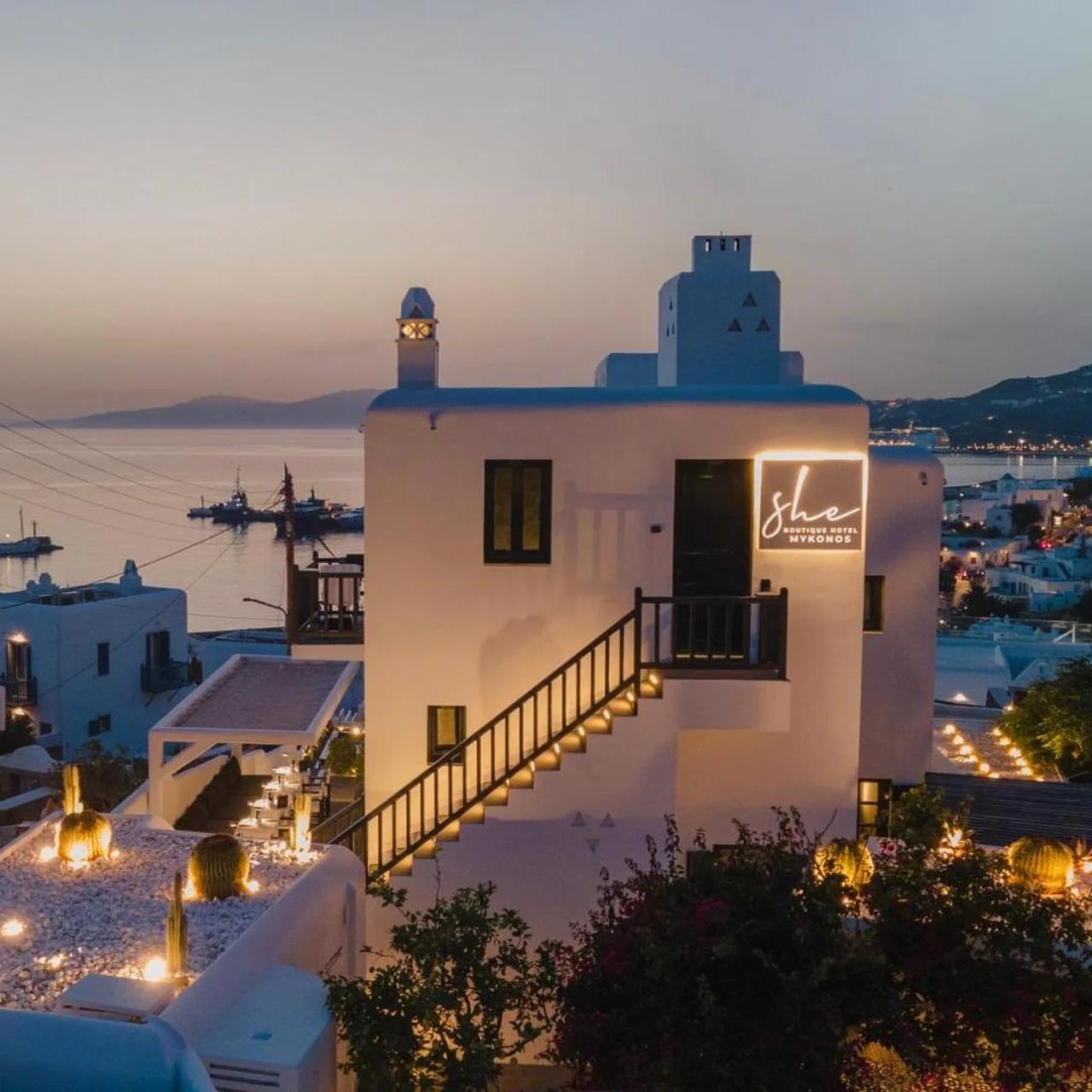

Hotels near Windmills of Mykonos
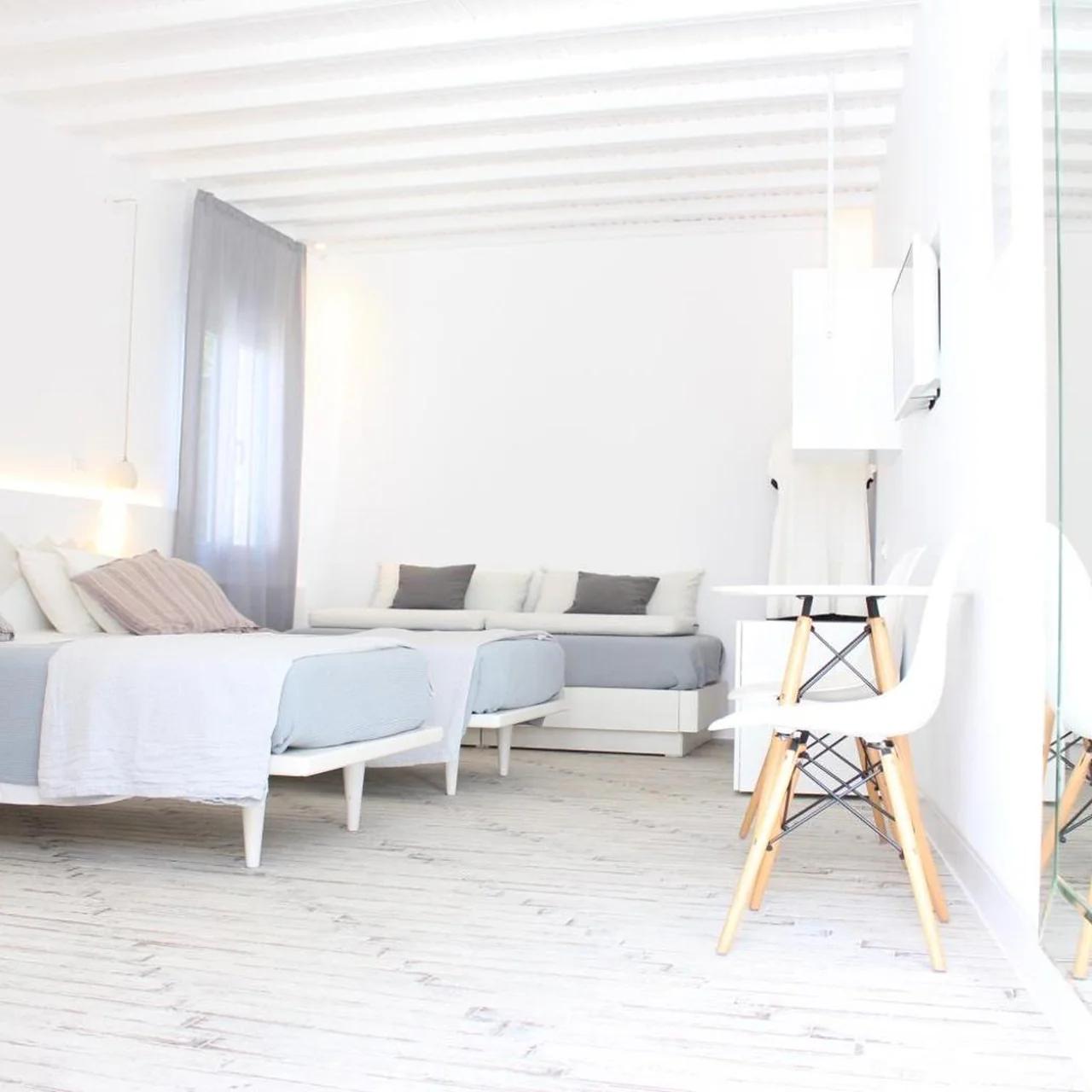
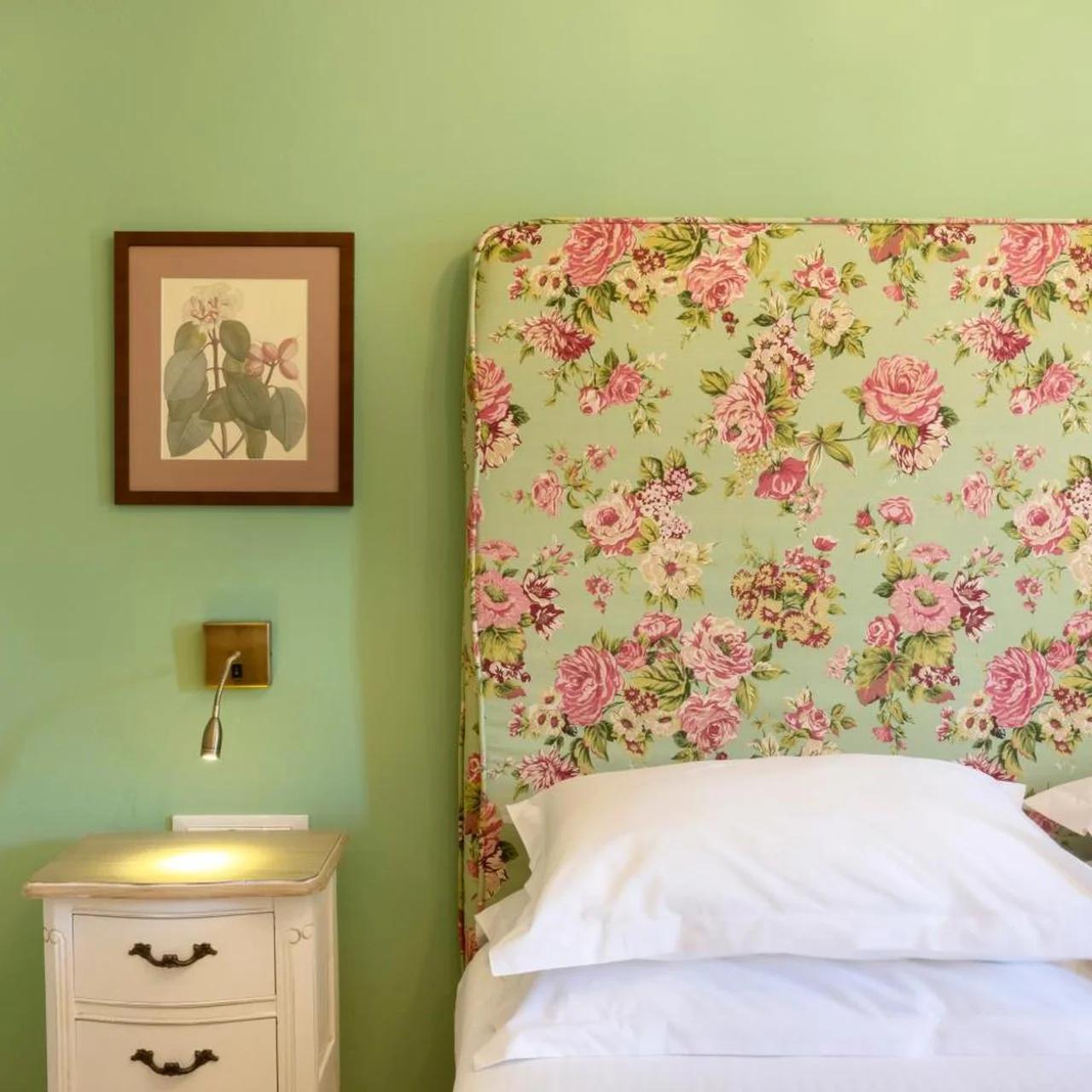
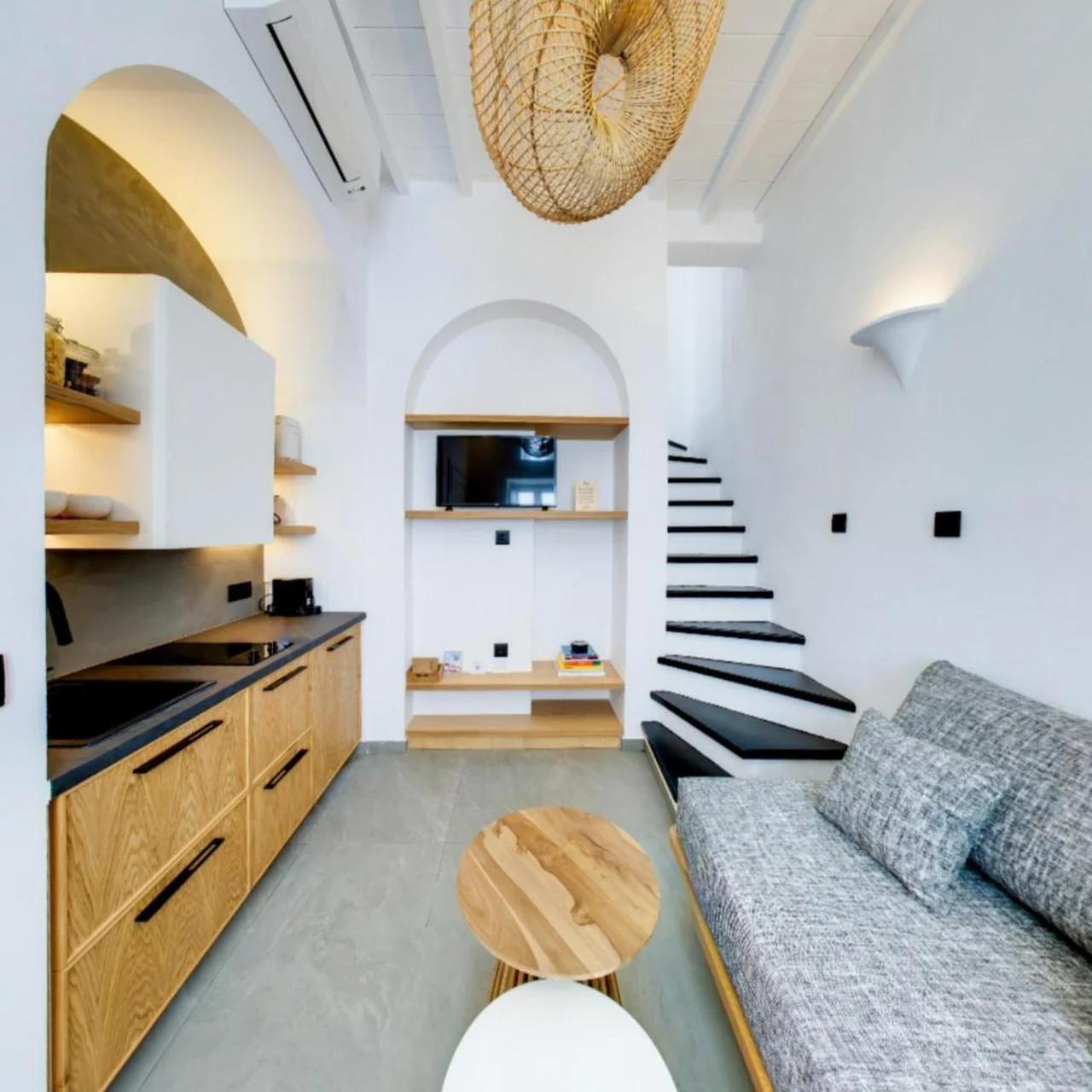
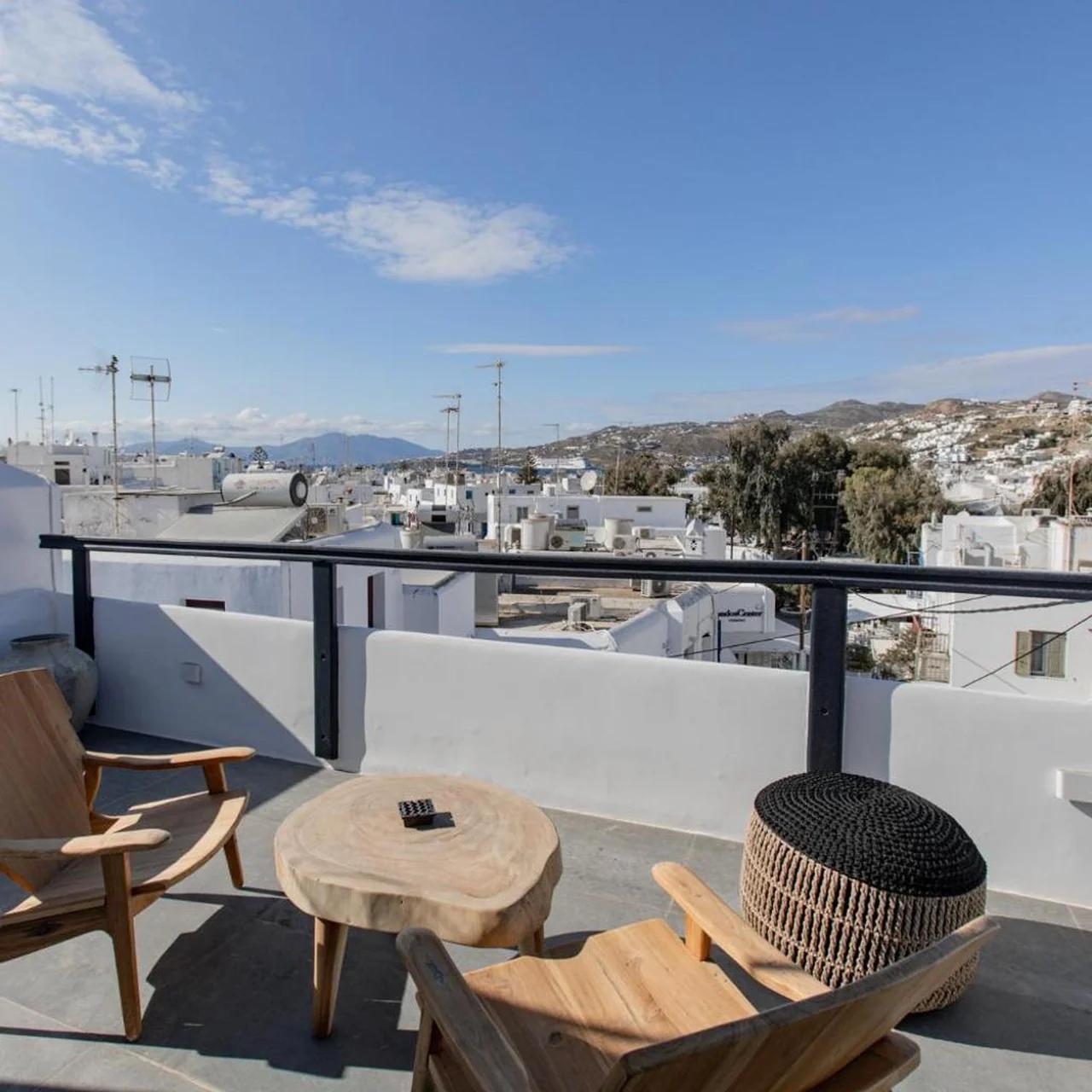
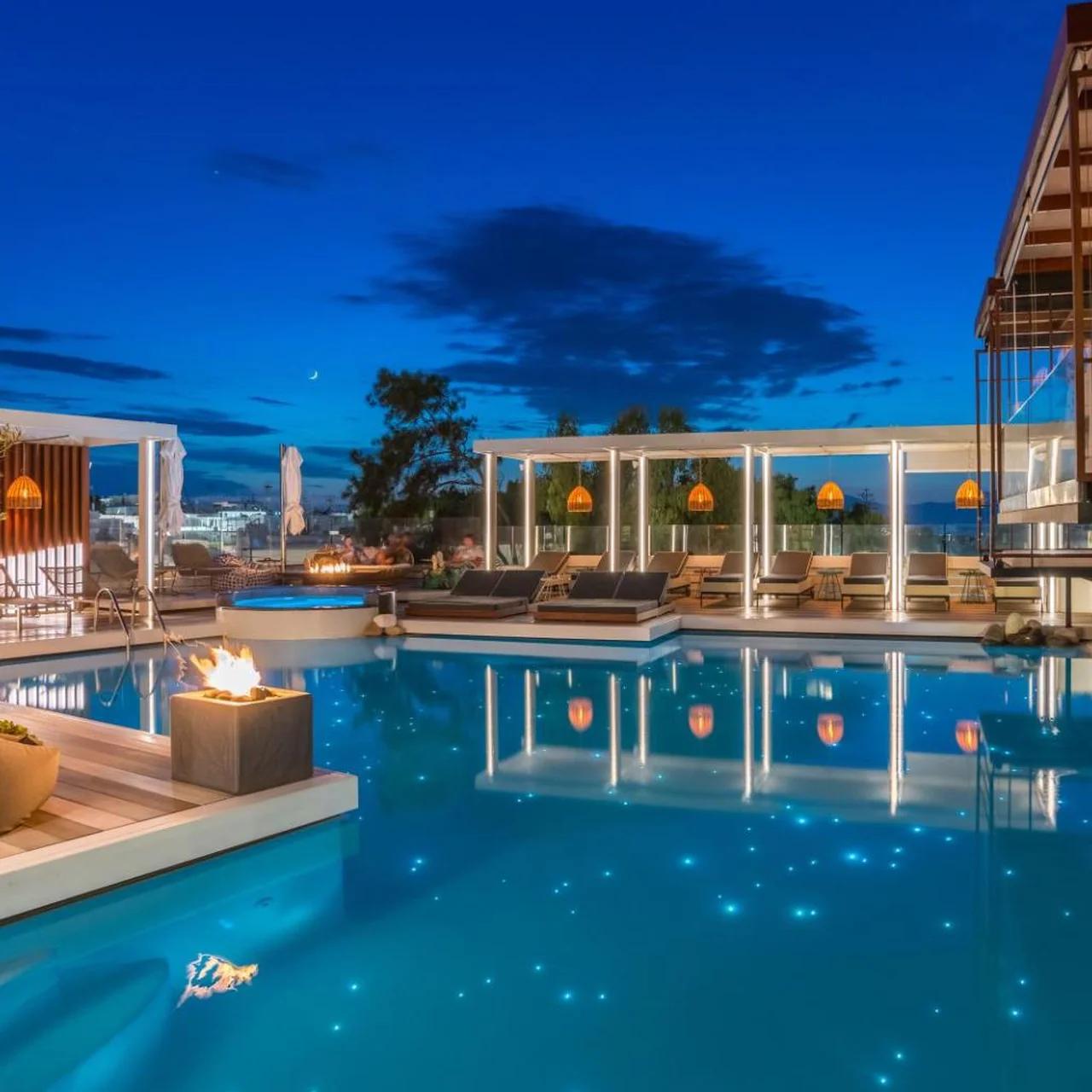
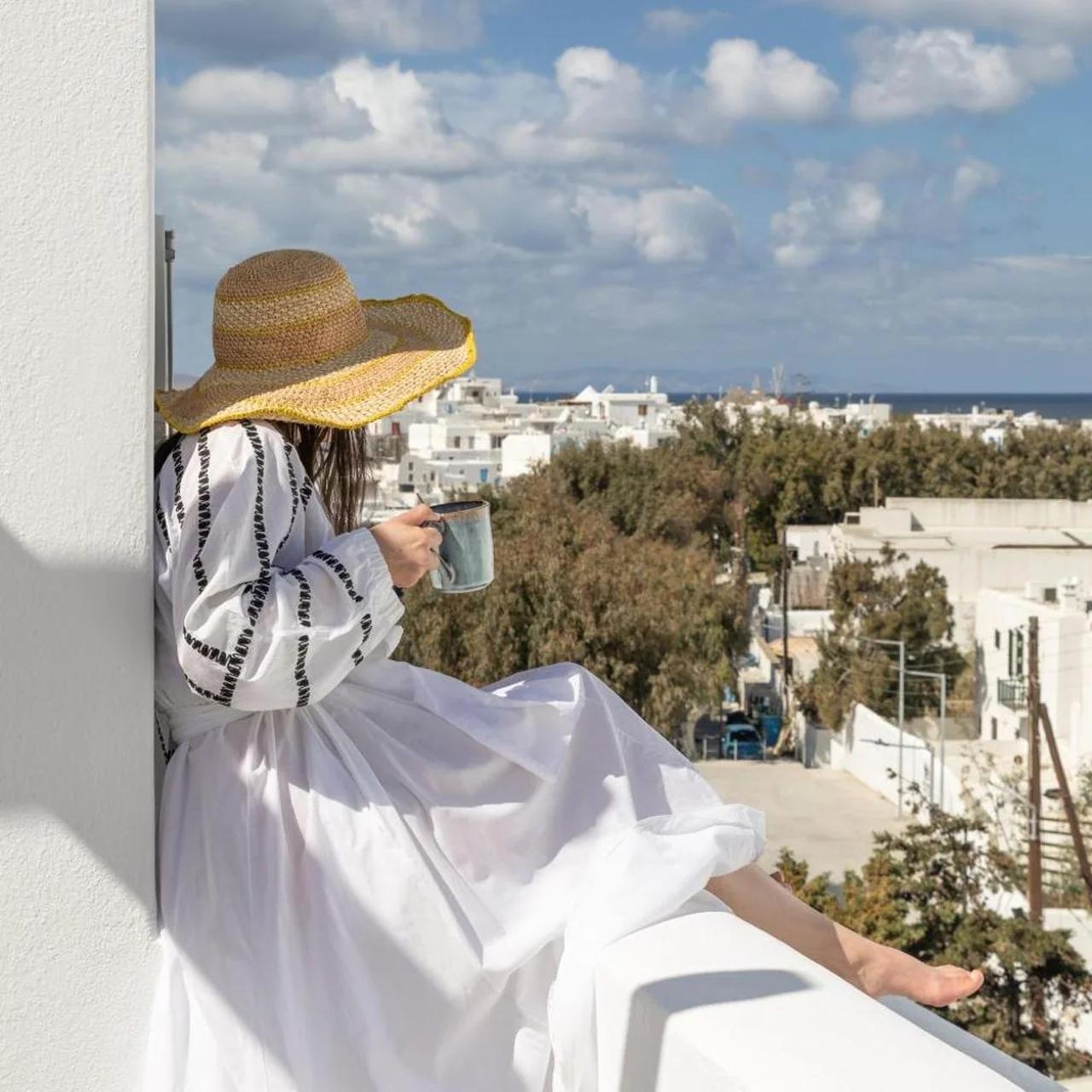
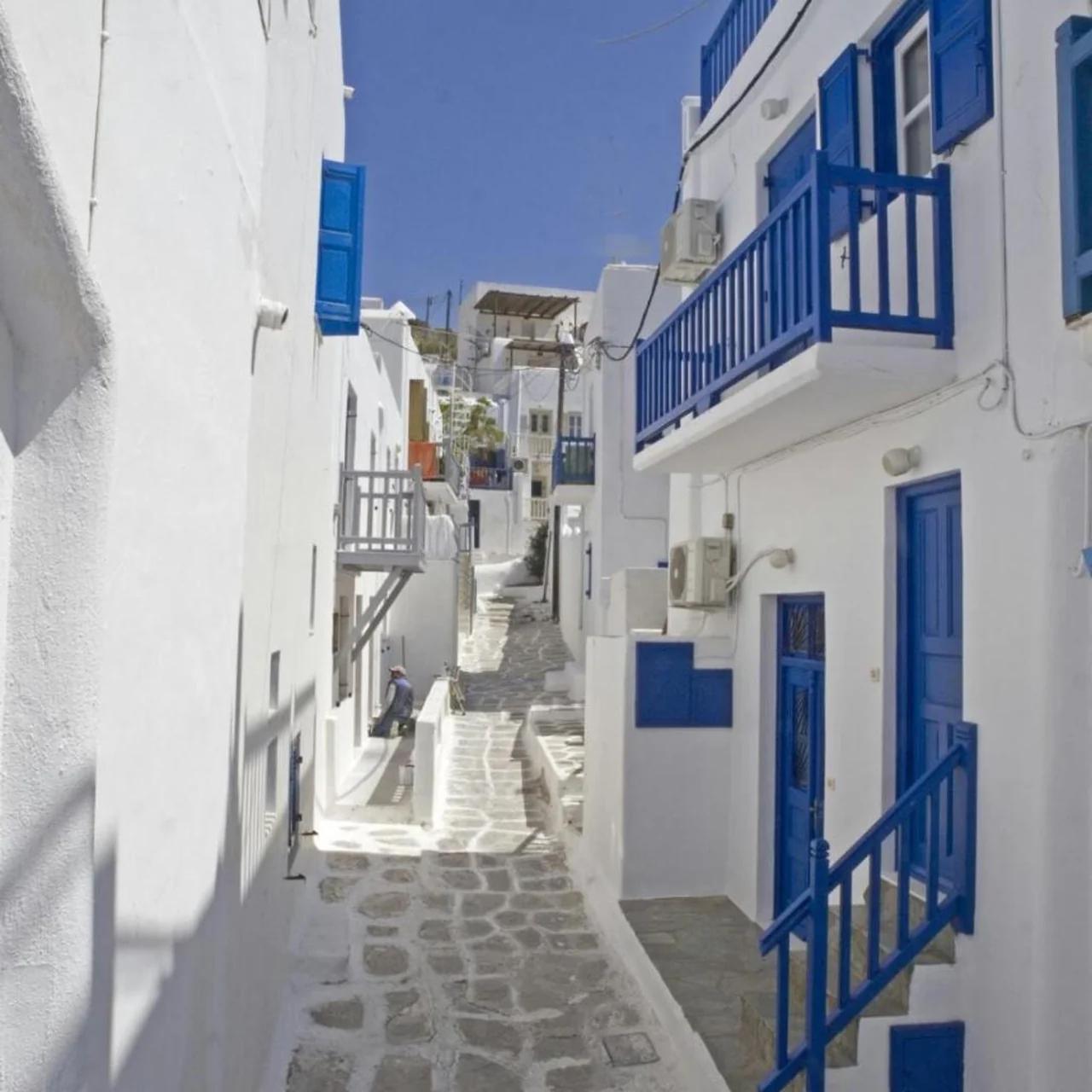
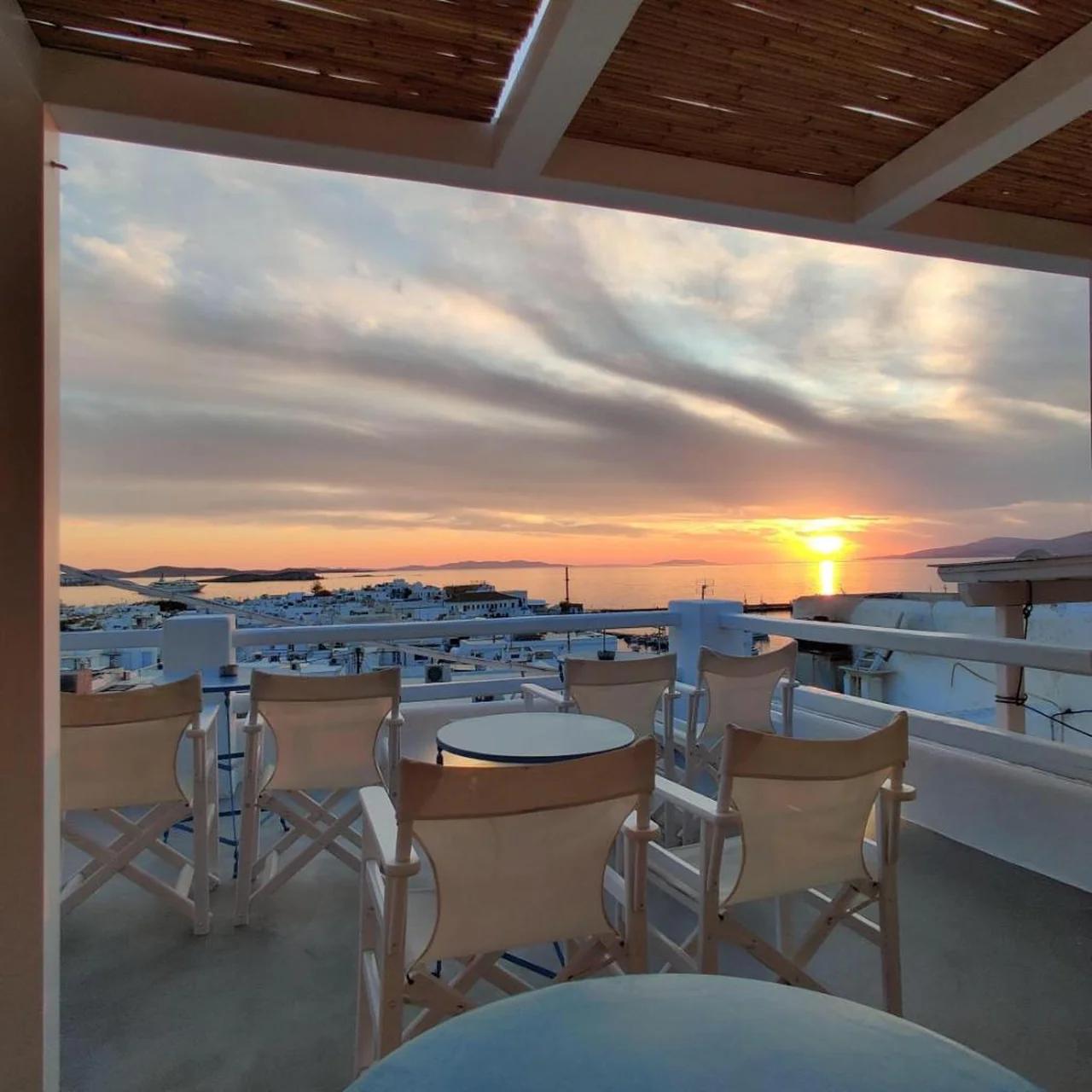
Mykonos · 38 hotels nearby (showing closest 20)
Photo by Larry Ebbs on Unsplash
About Windmills of Mykonos
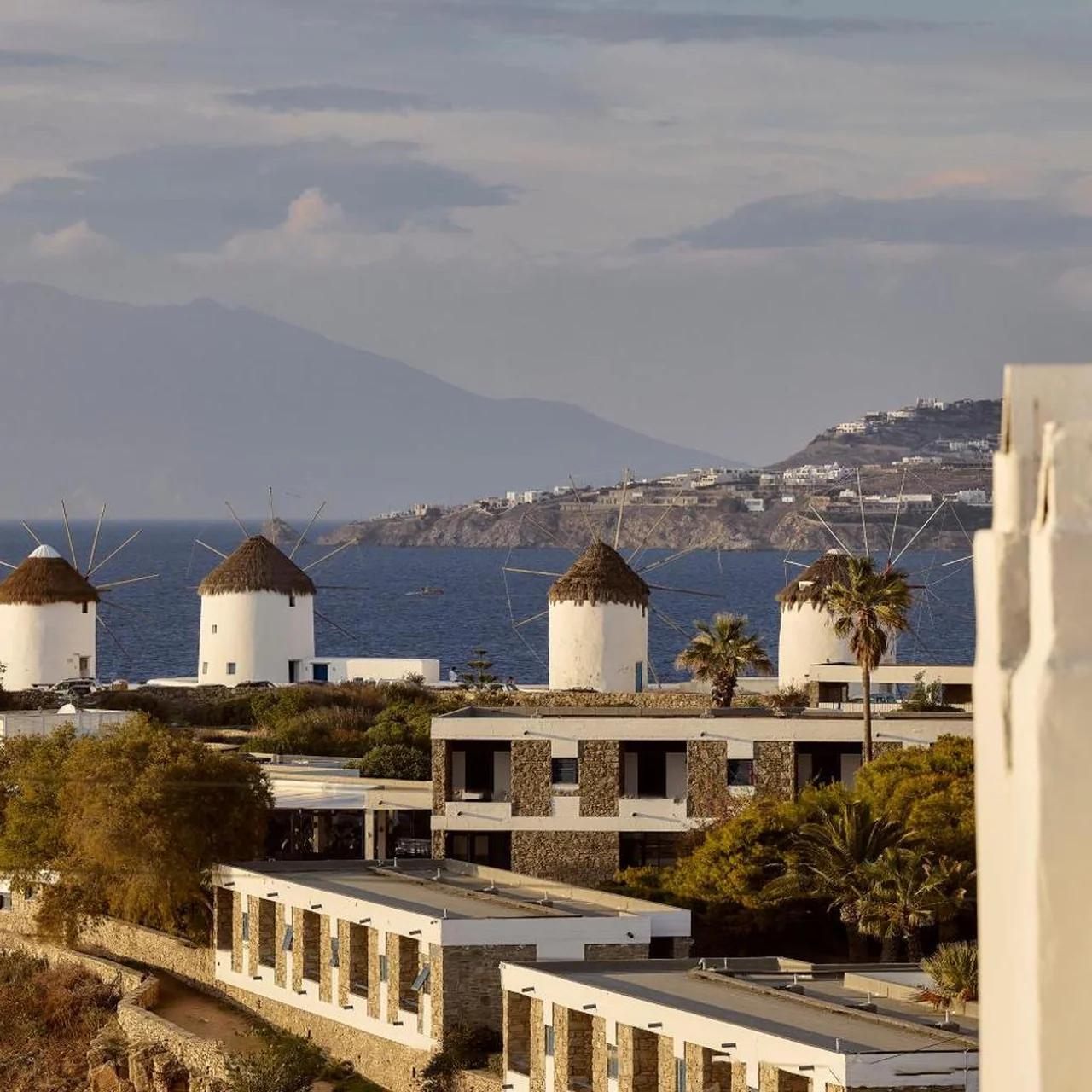
The Windmills of Mykonos are one of the most recognizable landmarks in Greece, perched on a hill above Chora (Mykonos Town). These iconic whitewashed structures with their wooden roofs and straw tops have stood since the 16th century, originally used to mill wheat. Today, they offer a glimpse into the island’s agricultural past and provide a perfect backdrop for photos, especially at sunset.
History and Significance
Built by the Venetians in the 16th century, the windmills were vital to Mykonos’ economy, grinding local grain and exporting flour. Of the original 16, seven remain, with the most famous cluster known as Kato Mili near Little Venice. Their strategic hilltop location took advantage of the strong northern winds, a feature still noticeable today.
Visiting the Windmills
The best time to visit is early morning or late afternoon to avoid crowds and capture the golden light. The area is free to explore, with pathways leading up to the windmills offering panoramic views of the town and sea. Nearby, you’ll find charming cafes and shops, making it a great spot to relax after your visit.
Practical Tips
- Location: Just a 10-minute walk from Mykonos Town center.
- Best Time to Visit: Sunrise or sunset for fewer crowds and better photos.
- Accessibility: The path is uneven; wear comfortable shoes.
- Nearby Attractions: Little Venice and the Church of Paraportiani are within walking distance.
- Facilities: Public restrooms and cafes are nearby.
Frequently asked questions
How many windmills are at the Mykonos windmill site?
Seven windmills were originally built on Kato Myli hill, and five remain preserved today. They are clearly visible from the Chora waterfront and Little Venice.
When were the Mykonos windmills built?
The windmills were constructed by the Venetians in the 16th century. They were used to mill grain — primarily wheat and barley — delivered by merchant vessels.
Can you go inside the Mykonos windmills?
The Boni Mill is open to the public as a small folklore museum and gives visitors a look at the original milling machinery. The other mills are closed to the interior but freely accessible from the outside.
How far are the windmills from Mykonos Town harbor?
The windmills sit at the southern edge of Chora, a short walk of roughly five to ten minutes from the main harbor area. The path passes through the Little Venice neighborhood.
What is the best time of day to visit the Mykonos windmills?
The mills face west, so afternoon light falls directly on their facades and across the sea below. Late afternoon is generally the clearest time for photographs and views.
Are hotels close to the Mykonos windmills?
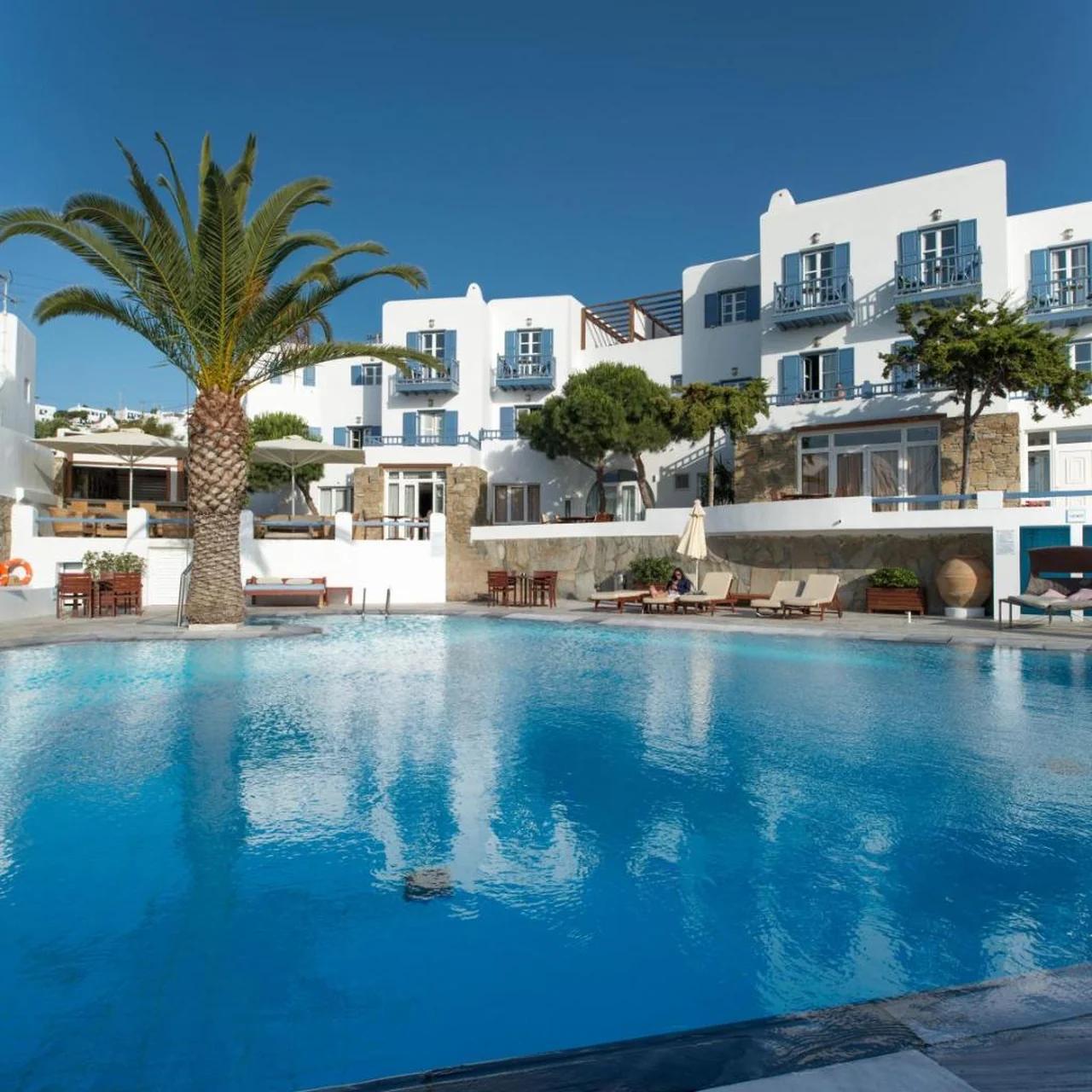
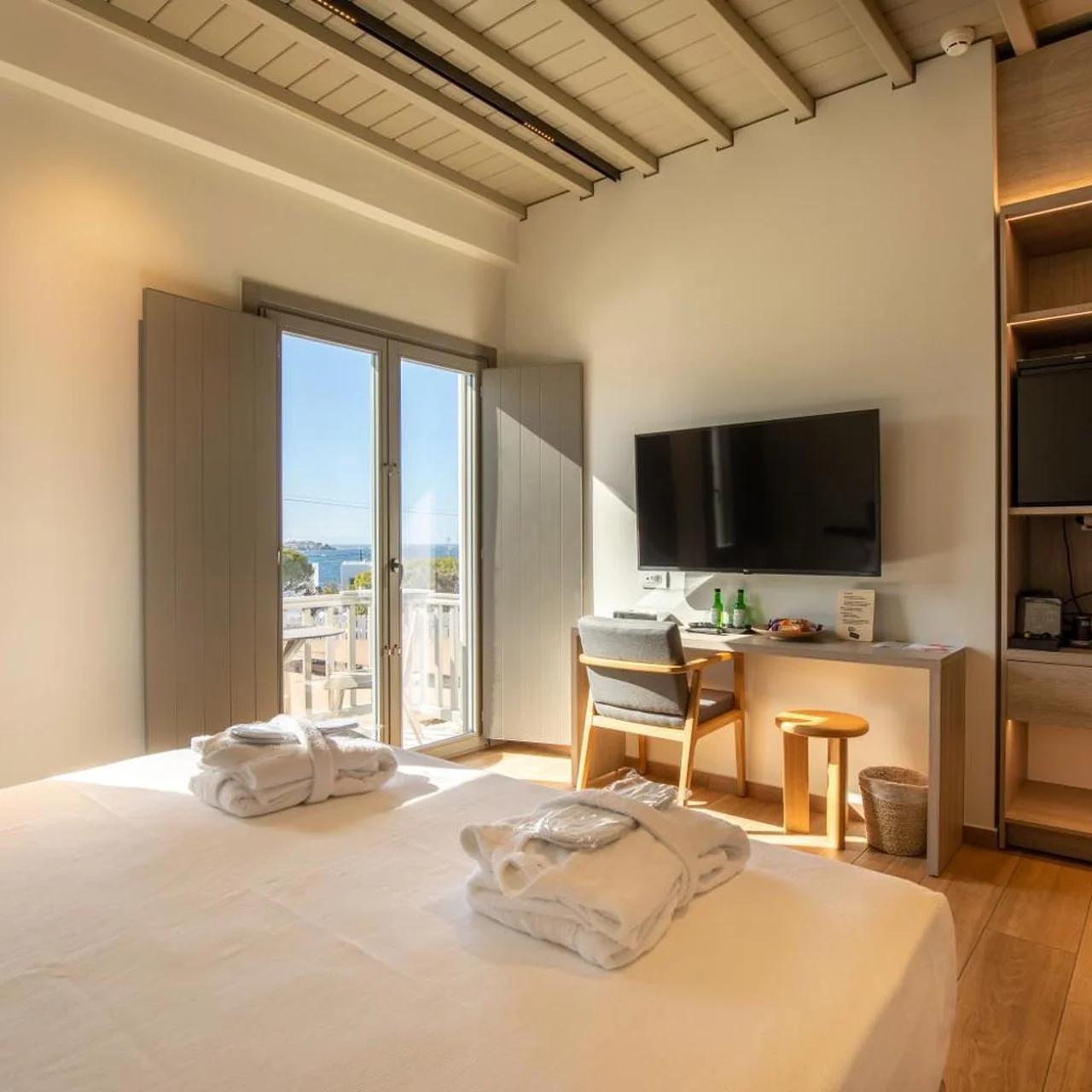
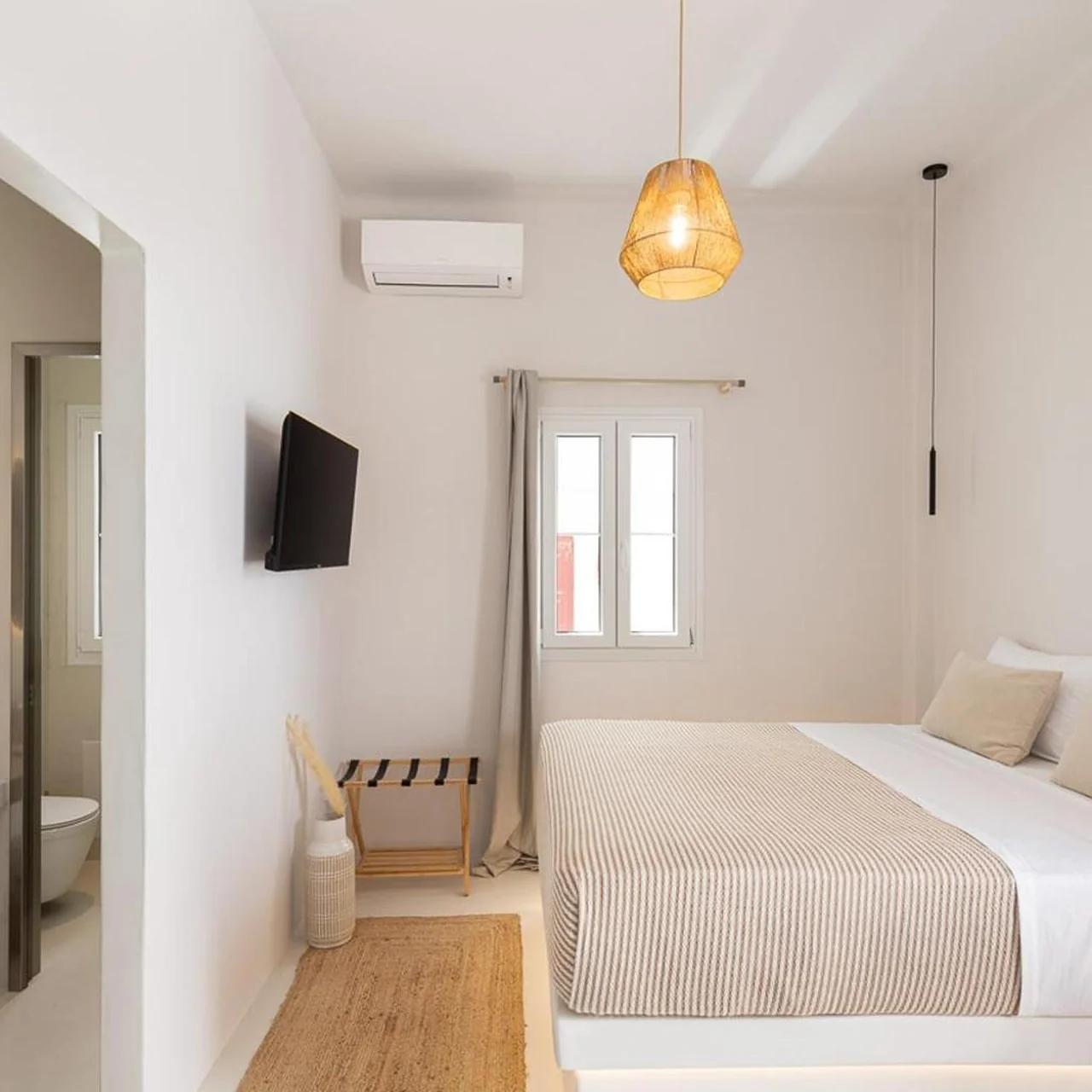
Several hotels and guesthouses are located within Chora, within easy walking distance of the windmill hill. The Little Venice area, immediately below the mills, also has accommodation options along the waterfront.
Hotels nearby