Hotels in Peloponnese
1 cities · 83 hotels
Photo by Eirini Kokolinaki on Unsplash
Discover the Peloponnese, Greece
Hanging from mainland Greece like a great leaf, the Peloponnese is one of the country's most rewarding regions to explore. Separated from central Greece by the Corinth Canal, this broad peninsula packs ancient ruins, Byzantine hill towns, dramatic coastlines, and olive-draped valleys into a surprisingly compact area. Whether you're chasing history, hiking mountain trails, or simply searching for a quieter corner of Greece, the Peloponnese consistently delivers.
History and Ancient Sites
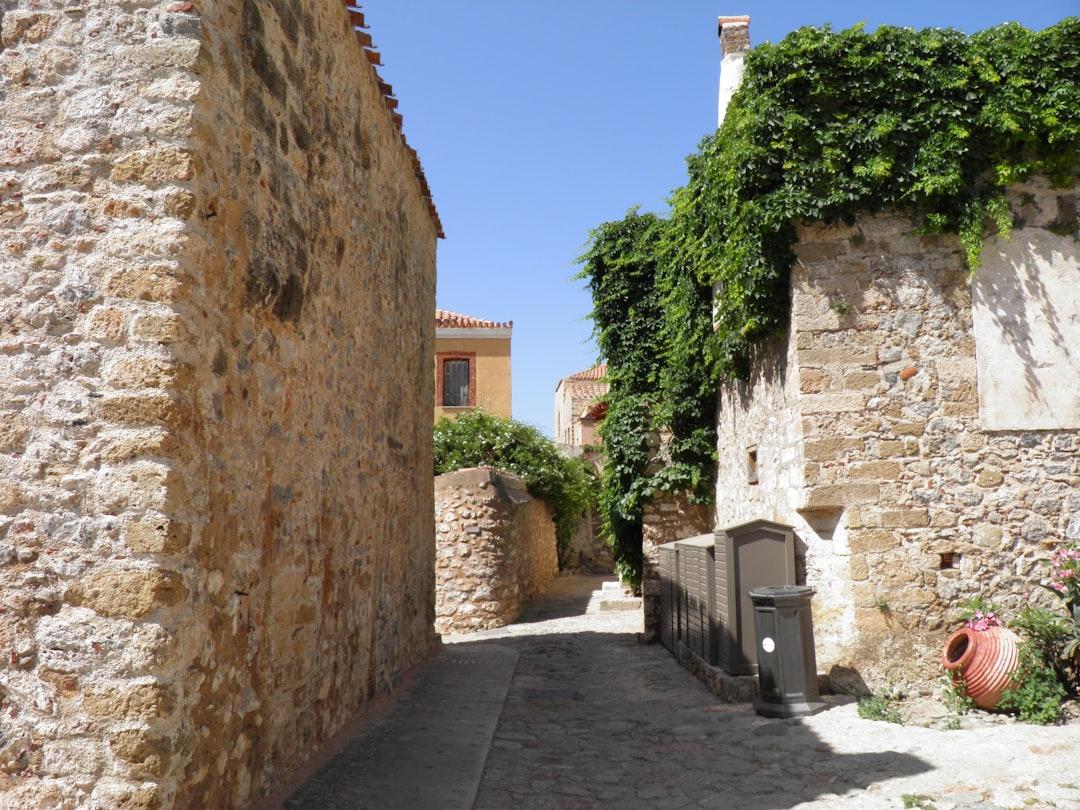
Few places on earth carry such a dense layer of history. The Peloponnese was the heartland of ancient Sparta and the seat of the powerful Mycenaean civilization. Visitors can walk through the Lion Gate at Mycenae, explore the remarkably preserved theatre at Epidaurus — still used for performances today — and wander the ruins of ancient Corinth. The medieval walled town of Mystras, a UNESCO World Heritage Site perched above the Eurotas valley, adds a Byzantine chapter to the story. History here isn't locked behind glass; it's all around you.
Landscapes and Outdoor Life
The Peloponnese is a region of striking contrasts. The Mani peninsula in the south is a stark, rocky landscape of tower houses and wild coastline, while the Argolid in the northeast is gentler, with citrus groves and sheltered bays. Mount Taygetos, rising above the city of Kalamata, offers serious hiking and sweeping views across the southern peninsula. The region's beaches range from the long sandy stretches near Pylos to the pebbled coves tucked into the Mani's rugged shore.
Food, Wine, and Local Culture
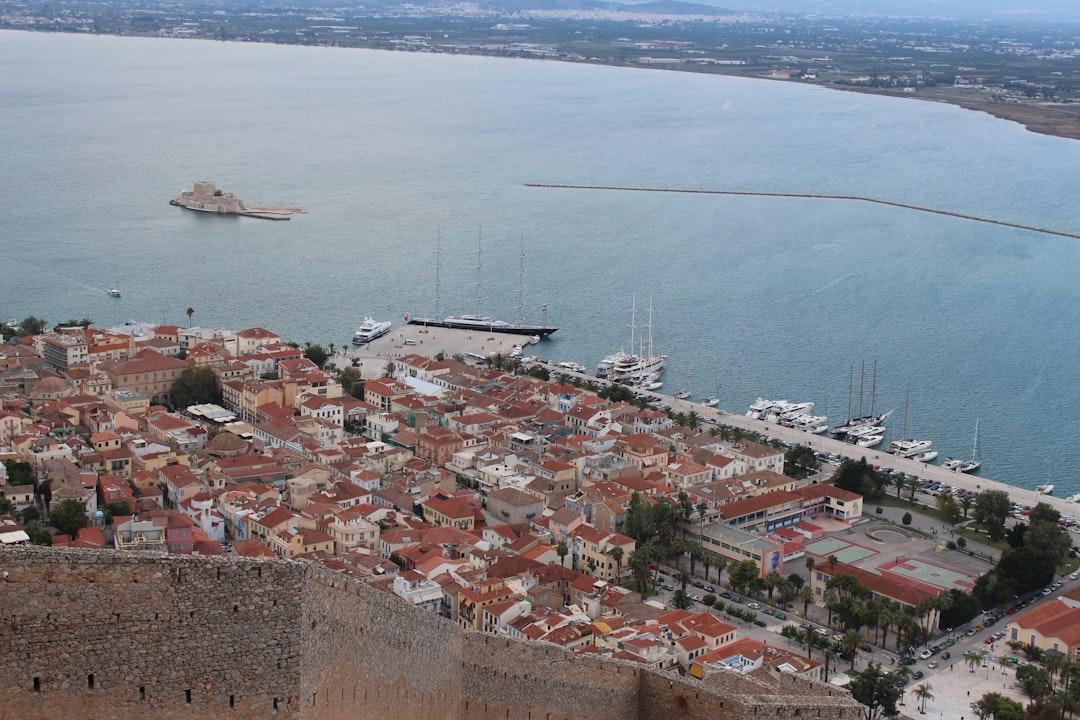
Kalamata olives and Kalamata olive oil are among Greece's most celebrated exports, and both originate here. The region also produces notable wines, particularly from the Nemea appellation, where the Agiorgitiko grape yields rich, food-friendly reds. Local tavernas across the Peloponnese serve slow-cooked lamb, fresh seafood, and regional cheeses that reflect the area's agricultural traditions. The pace of life in smaller towns like Nafplio — widely regarded as one of Greece's most charming towns — is relaxed and genuinely welcoming to visitors.
Practical Tips
- Getting there: The Peloponnese is accessible by car or bus from Athens via the Corinth Canal crossing. Kalamata has an international airport with seasonal flights.
- Best time to visit: Spring (April–June) and autumn (September–October) offer mild weather, fewer crowds, and ideal conditions for sightseeing and hiking.
- Getting around: Renting a car is strongly recommended; public transport connects major towns but misses many of the best rural sites.
- Base towns: Nafplio, Kalamata, and Sparta each make excellent bases for exploring different parts of the peninsula.
- Currency: Euro (€). Credit cards are accepted in most hotels and restaurants, but carry cash for smaller villages.