
Hotels in Guadeloupe
0 cities · 0 hotels
Guadeloupe: A French Caribbean Archipelago in the Lesser Antilles
Guadeloupe sits roughly 650 km southeast of Puerto Rico and about 7,000 km from metropolitan France, yet it is a full French overseas region — euro currency, French law, and direct Air France connections from Paris Charles de Gaulle in roughly nine hours. The territory covers 1,628 km² across an archipelago that includes two main islands joined at a narrow strait — Basse-Terre to the west and Grande-Terre to the east — plus the outer islands of Marie-Galante, La Désirade, and the Îles des Saintes.
Cities Worth Exploring
Pointe-à-Pitre, on the western edge of Grande-Terre, is the commercial capital and the entry point for most air and sea arrivals. The Marché de Pointe-à-Pitre on Rue Frébault sells local spices, colombo powder, and fresh breadfruit every morning except Sunday. The museum Mémorial ACTe, opened in 2015 and designed as a monument to the memory of slavery, anchors the Darboussier waterfront district. Basse-Terre, the administrative capital on the island of the same name, sits beneath La Soufrière volcano — at 1,467 m it is the highest point in the Lesser Antilles and remains active, with the last significant eruption recorded in 1976–1977.
Natural Landscape and Outdoor Activity
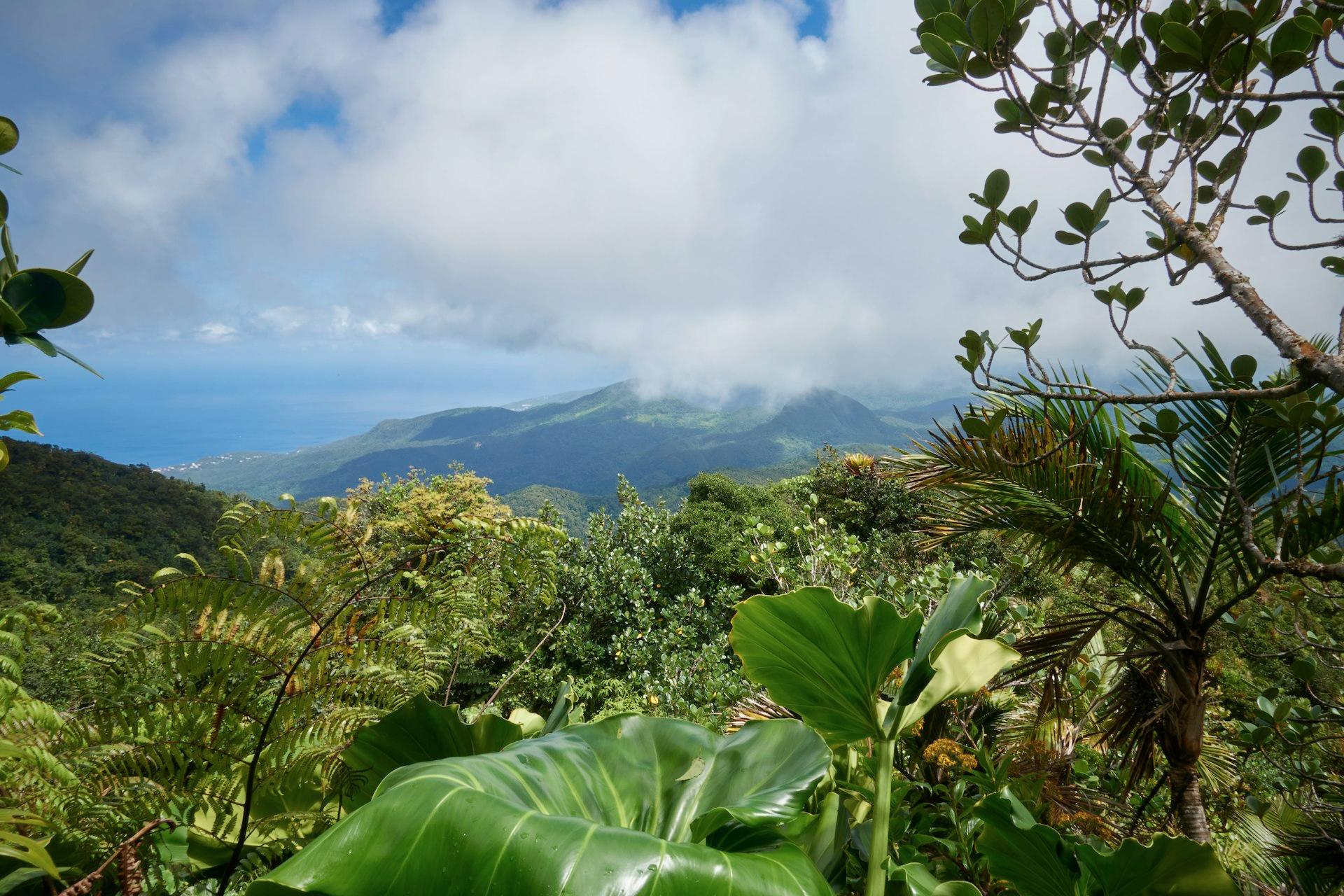
Basse-Terre Island holds the Parc National de la Guadeloupe, a UNESCO Biosphere Reserve of 17,300 hectares. Trails lead through cloud forest to the summit of La Soufrière, passing sulfurous fumaroles at the Savane à Mulets plateau (1,142 m). The Chutes du Carbet, a three-tiered waterfall system, drops 115 m at its tallest cascade. Grande-Terre, by contrast, is flat limestone terrain — the Pointe des Châteaux headland in the far east offers cliffs and a panoramic view across the channel toward La Désirade. The southern coast near Saint-François has calm turquoise shallows ideal for kitesurfing and paddleboarding. Marie-Galante, 30 km south of Grande-Terre by ferry, is known for its rum distilleries — Distillerie Bielle and Distillerie Bellevue offer free tours.
When to Visit Guadeloupe
The dry season runs roughly mid-December through May, with average temperatures around 26 °C and lower humidity. The wet season peaks August through October, overlapping with Atlantic hurricane season; Hurricane Hugo struck in 1989 and Maria passed close in 2017. The Carnival of Guadeloupe occupies the four days before Ash Wednesday — dates shift each year — and fills Pointe-à-Pitre streets with traditional Mas costumes. The Festival Gwo Ka, a UNESCO Intangible Cultural Heritage celebration of Guadeloupean drum music, takes place each July in Sainte-Anne.
Practical Tips for Visiting Guadeloupe
- Language: French is official; Guadeloupean Creole is widely spoken. English is limited outside resort areas.
- Currency: Euro (EUR). ATMs are common in Pointe-à-Pitre and Saint-François.
- Getting around: Rental cars are the most efficient option for exploring Basse-Terre's interior. Inter-island ferries connect Grande-Terre, Marie-Galante, and Les Saintes several times daily from the Gare Maritime in Pointe-à-Pitre.
- Sun protection: UV index regularly reaches 11 or higher. Apply broad-spectrum sunscreen and reapply after swimming. Insect repellent containing deet is advisable in forested areas and near mangroves at dusk.
- Accommodation zones: Hotels concentrate in Gosier, Sainte-Anne, and Saint-François on Grande-Terre's south coast, and in the town of Deshaies on northern Basse-Terre.
Frequently Asked Questions
Q: Do travelers from the EU need a visa for Guadeloupe? A: No. Guadeloupe is an overseas region of France and therefore part of the European Union. EU citizens enter with a national ID card; most other nationalities follow standard French/Schengen entry rules.
Q: How do visitors travel between Basse-Terre and Grande-Terre? A: The two main islands are separated by the Rivière Salée, a narrow strait crossed by two road bridges. By car, the crossing takes under five minutes. No ferry service is needed for these two islands.
Q: What is the best base for hiking La Soufrière? A: The village of Saint-Claude, 5 km south of Basse-Terre town, serves as the main starting point. The trailhead car park at Savane à Mulets is accessible by road, reducing the hiking distance to the crater rim to around 1.5 km.
Q: Is Guadeloupe part of the Schengen Area? A: No. Although Guadeloupe is an EU territory, it is an Outermost Region and sits outside the Schengen Area for border-control purposes. Passport checks apply on arrival from metropolitan France and other Schengen countries.