

Hotels in Castello, Venice
1 hotel · 8 nearby attractions· Part of Venice
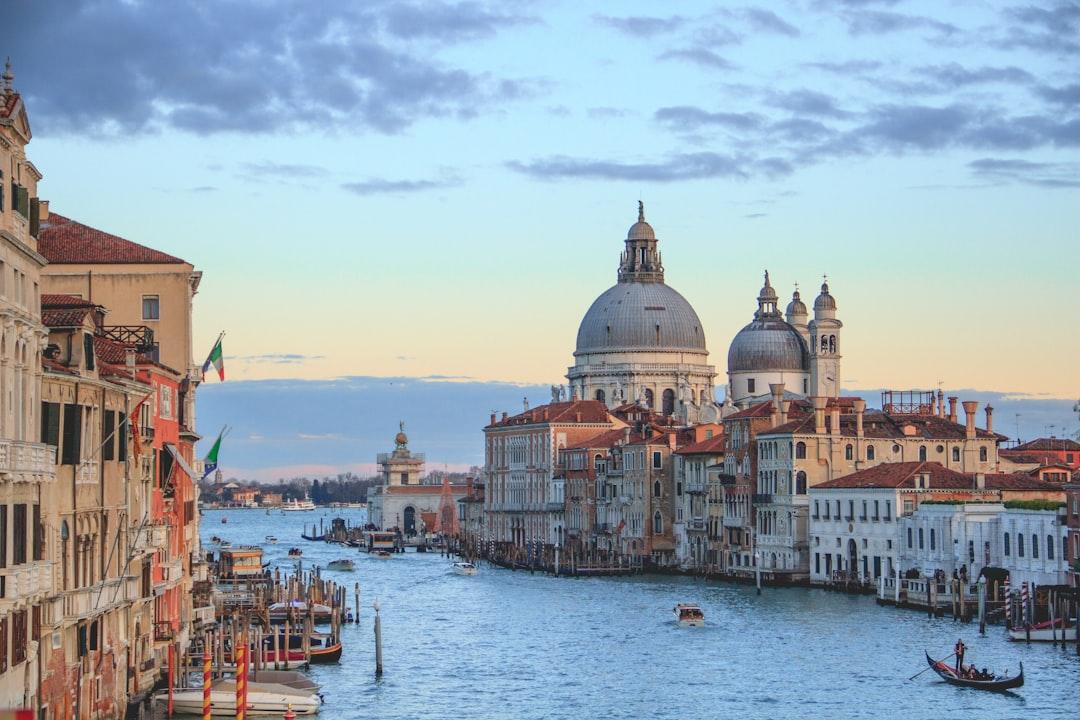
Photo by Philippe Mignot on Unsplash
About Castello
Castello: Venice's Largest and Most Lived-In Sestiere
Castello is the largest of Venice's six historic districts, stretching from the eastern edge of St. Mark's Square all the way to the quiet island of Sant'Elena. Unlike the heavily touristed areas near the Rialto, Castello offers a more grounded side of Venetian life, where locals shop at neighborhood markets, children play in campos, and the pace slows considerably the further east you walk.
History and Architecture
Castello takes its name from a tower or fortification — "castello" meaning castle in Italian — that once stood on the island of San Pietro. The district was historically home to Venice's shipbuilding industry, centered around the Arsenale, one of the largest naval complexes in medieval Europe. At its peak, the Arsenale employed thousands of workers and could reportedly produce a fully outfitted warship in a single day. The area around the Arsenale retains much of its industrial character, with high brick walls and the iconic twin towers at its gateway. The Church of San Zaccaria, dating to the ninth century and rebuilt in the fifteenth, houses a celebrated altarpiece by Giovanni Bellini.
What to See and Do in Castello
Visitors to Castello are well-positioned to reach major landmarks including the Bridge of Sighs, the Doge's Palace, and St. Mark's Basilica, all located at the district's western edge. Moving deeper into Castello, the mood shifts entirely. The Via Garibaldi is one of the few streets in Venice wide enough to be called a street rather than a calle, and it buzzes with everyday commerce. The Giardini della Biennale, a public park established by Napoleon, hosts the world-famous Venice Biennale art and architecture exhibitions and offers open green space rare in this canal-laced city. The waterfront Riva degli Schiavoni promenade stretches along the lagoon and provides broad views across to the island of San Giorgio Maggiore.
Practical Tips
- Getting around: Castello is walkable from St. Mark's Square. Vaporetto lines 1 and 2 stop at several points along the Riva degli Schiavoni.
- Best time to visit: Early morning or late afternoon, when cruise-ship crowds have thinned near the waterfront.
- Eating locally: Head to Via Garibaldi or the streets around Sant'Elena for bacari and trattorias frequented by Venetians rather than tourists.
- Biennale timing: If visiting during Biennale years (odd years for art, even years for architecture), book accommodation well in advance.
- Comfortable shoes: Castello involves considerable walking over uneven stone paving and numerous small bridges.
Nearby attractions

Bridge of Sighs
Venice

Doge's Palace
Venice

St. Mark's Basilica
Venice

St. Mark's Square
Venice

Rialto Bridge
Venice

Grand Canal
Venice

Peggy Guggenheim Collection
Venice

Accademia Gallery
Venice
Part of Venice
Hotels in Castello
