Hotels in Kansai
3 cities · 269 hotels
Kansai, Japan
Kansai is the cultural heartland of Japan, a region in the western part of Honshu island that shaped much of the country's history, art, and cuisine. Home to ancient capitals, sacred temples, and a famously bold food culture, Kansai draws travelers who want to go beyond Tokyo and experience Japan at its most deeply rooted.
History and Heritage
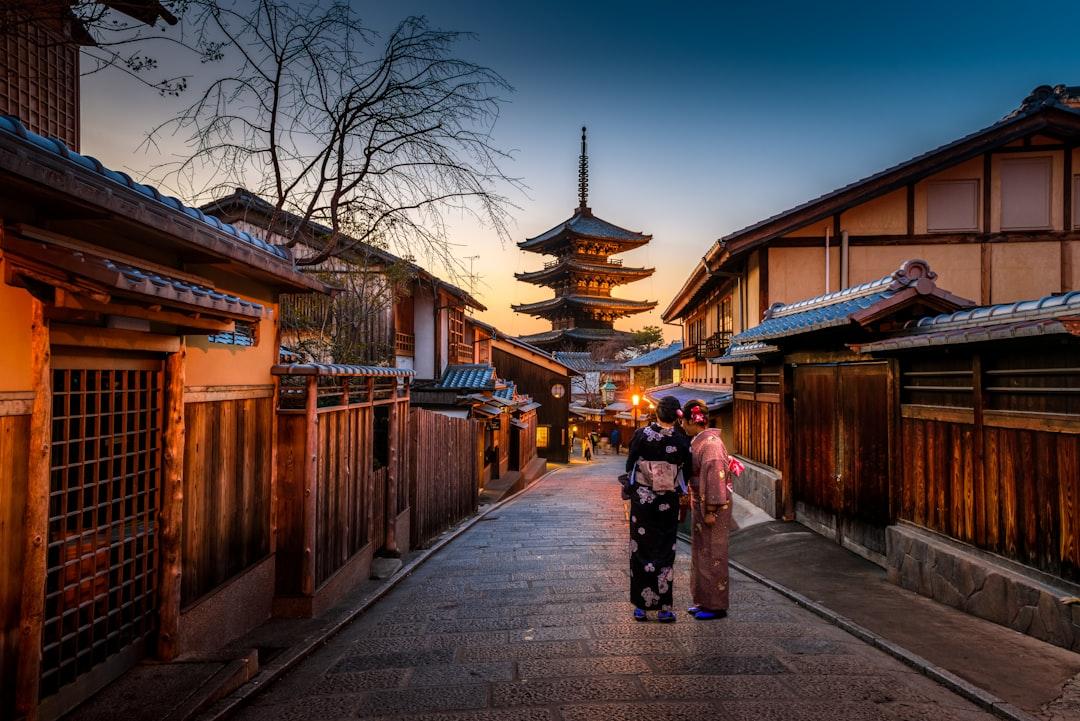
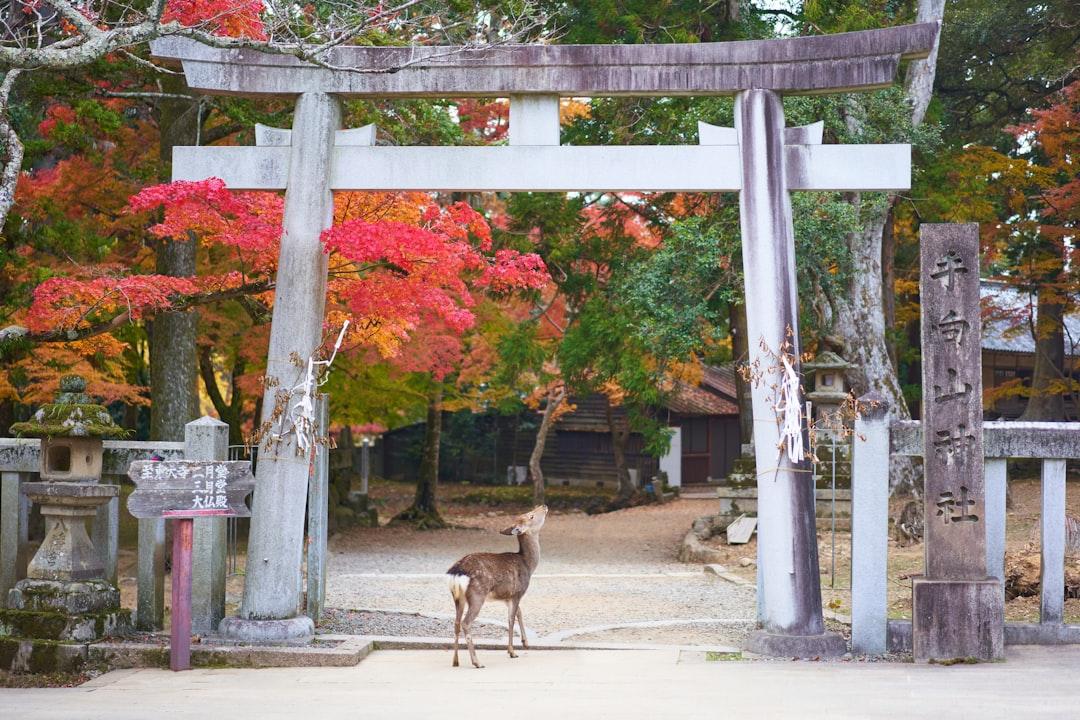
Kansai holds more UNESCO World Heritage Sites than any other region in Japan. Kyoto served as the imperial capital for over a thousand years, leaving behind a skyline of wooden temples, zen gardens, and traditional machiya townhouses. Nara, even older, shelters giant Buddha statues and freely roaming deer in Nara Park. Osaka Castle stands as one of Japan's most recognizable landmarks, while the ancient city of Asuka preserves burial mounds and stone sculptures that predate written Japanese history.
Cities and Character
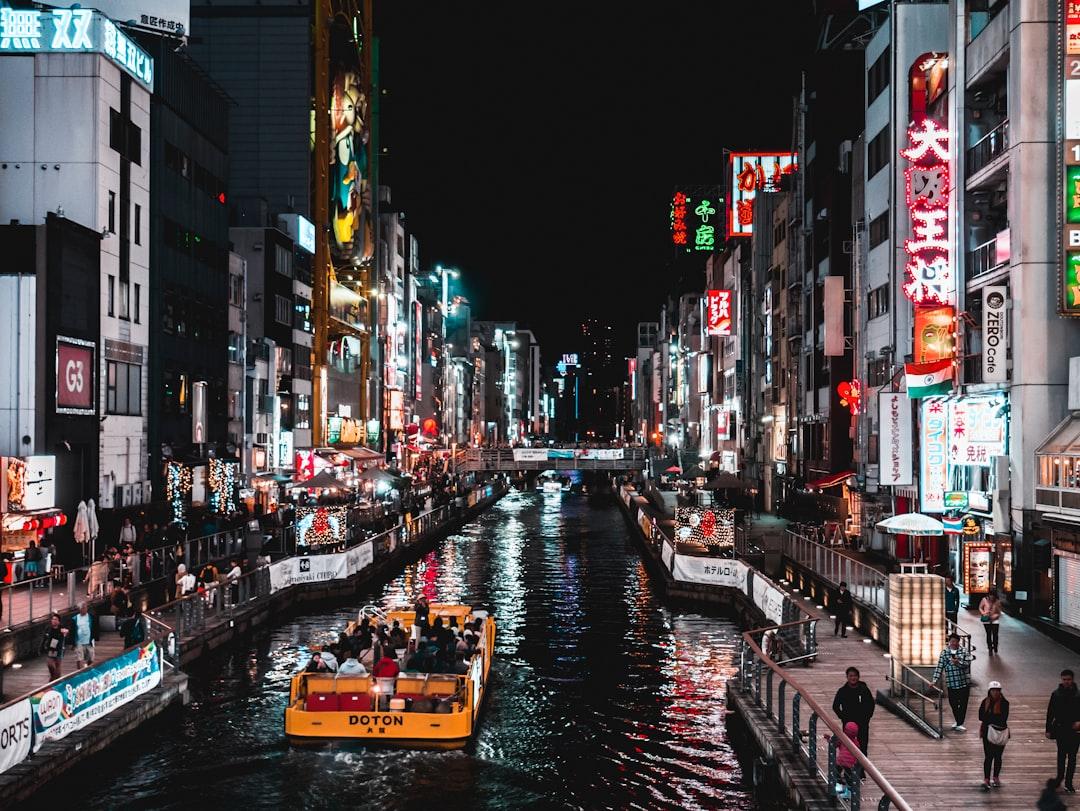
Each Kansai city has a distinct personality. Osaka is loud, fast, and food-obsessed — locals here are known for spending more on groceries than anywhere else in Japan, giving rise to the phrase kuidaore (eat until you drop). Kyoto moves at a quieter pace, with geisha districts, bamboo groves, and teahouses tucked along narrow lanes. Kobe adds a cosmopolitan edge, shaped by centuries of international trade and famous for its premium Wagyu beef. Nara and Himeji, anchored by their respective deer park and castle, make ideal day trips from either Osaka or Kyoto.
Food and Culture
Kansai cuisine (Kansai-ryori) differs noticeably from Tokyo's style. Dashi broth here is lighter and more delicate, soy sauce is used more sparingly, and dishes like takoyaki (octopus balls), okonomiyaki (savory pancakes), and kushikatsu (skewered and fried meats) are local institutions. The region also has a strong performing arts tradition, including Noh, Kabuki, and Bunraku puppet theater, which originated and still thrives here.
Practical Tips
- Getting around: The Kansai region is well connected by JR lines, the Hankyu and Hanshin private railways, and the Shinkansen. An ICOCA card covers most transit needs.
- Best time to visit: Spring (late March–April) for cherry blossoms and autumn (November) for fall foliage are peak seasons. Book accommodation well in advance during these periods.
- Day trips: Hiroshima and Ise-Jingu are reachable within a half-day from Osaka or Kyoto.
- Language: English signage is common at major tourist sites, but learning a few Japanese phrases goes a long way in smaller neighborhoods.