
Hotels near Gion District
Kyoto · 37 hotels nearby (showing closest 20)
Photo by Bryan Beley on Unsplash
About Gion District
Gion is Kyoto's most famous geisha district, a beautifully preserved area where traditional wooden machiya houses line narrow streets. By day, it's a quiet neighborhood with teahouses and small shops, but as evening falls, Gion transforms into a lively hub where you might spot geiko (Kyoto's term for geisha) and maiko (apprentices) hurrying to appointments. This historic district offers a rare glimpse into Japan's traditional entertainment culture, with its atmospheric alleys and timeless charm.
Exploring Hanamikoji Street
Hanamikoji Street is Gion's main thoroughfare, lined with exclusive ochaya (teahouses) where geiko entertain guests. The street is particularly photogenic in the early evening when lanterns cast a soft glow on the wooden facades. While many teahouses are private, visitors can enjoy the ambiance from the street or book cultural experiences at more accessible venues.
Traditional Arts and Performances
Gion is home to several theaters showcasing traditional Japanese arts. The Gion Corner cultural center offers nightly performances of tea ceremony, flower arrangement, and geiko dances. For a deeper experience, some establishments allow visitors to attend seasonal dance performances by geiko and maiko, though reservations are often required well in advance.
Practical Tips
- Best time to visit: Late afternoon to early evening for the best chance to see geiko
- Photography: Be respectful when taking photos—never obstruct or follow geiko
- Dress code: Casual but neat attire is appropriate for most venues
- Transportation: Easily accessible by bus from Kyoto Station (routes 100 or 206)
- Nearby attractions: Yasaka Shrine and Maruyama Park are within walking distance
Frequently asked questions
Where exactly is the Gion District located in Kyoto?
Gion sits on the east bank of the Kamo River, directly east of downtown Kyoto. It stretches from Yasaka Shrine in the east to Shijo-Ohashi bridge in the west.
How do I get to Gion by public transport?
Keihan Gion-Shijo Station places you at the district's western entrance. Higashiyama Station on the Tozai subway line accesses the eastern side near Yasaka Shrine.
What is the best street to see traditional architecture in Gion?
Hanamikoji Street is the most photographed lane, lined with intact wooden ochaya. The Ishibei-koji alley and the Shirakawa canal path are quieter alternatives with equally well-preserved facades.
When does Gion Matsuri take place?
Gion Matsuri runs throughout July, with the main Yamaboko Junko float processions on July 17 and July 24. The festival originated in 869 CE as a ritual to appease plague-causing spirits.
Is it possible to see geiko or maiko in Gion?
Geiko and maiko are most often spotted on Hanamikoji Street in the early evening as they travel to engagements. The Gion Hatanaka and other licensed ochaya host formal ozashiki banquets, though reservations require an introduction.
Are there hotels inside the Gion District itself?
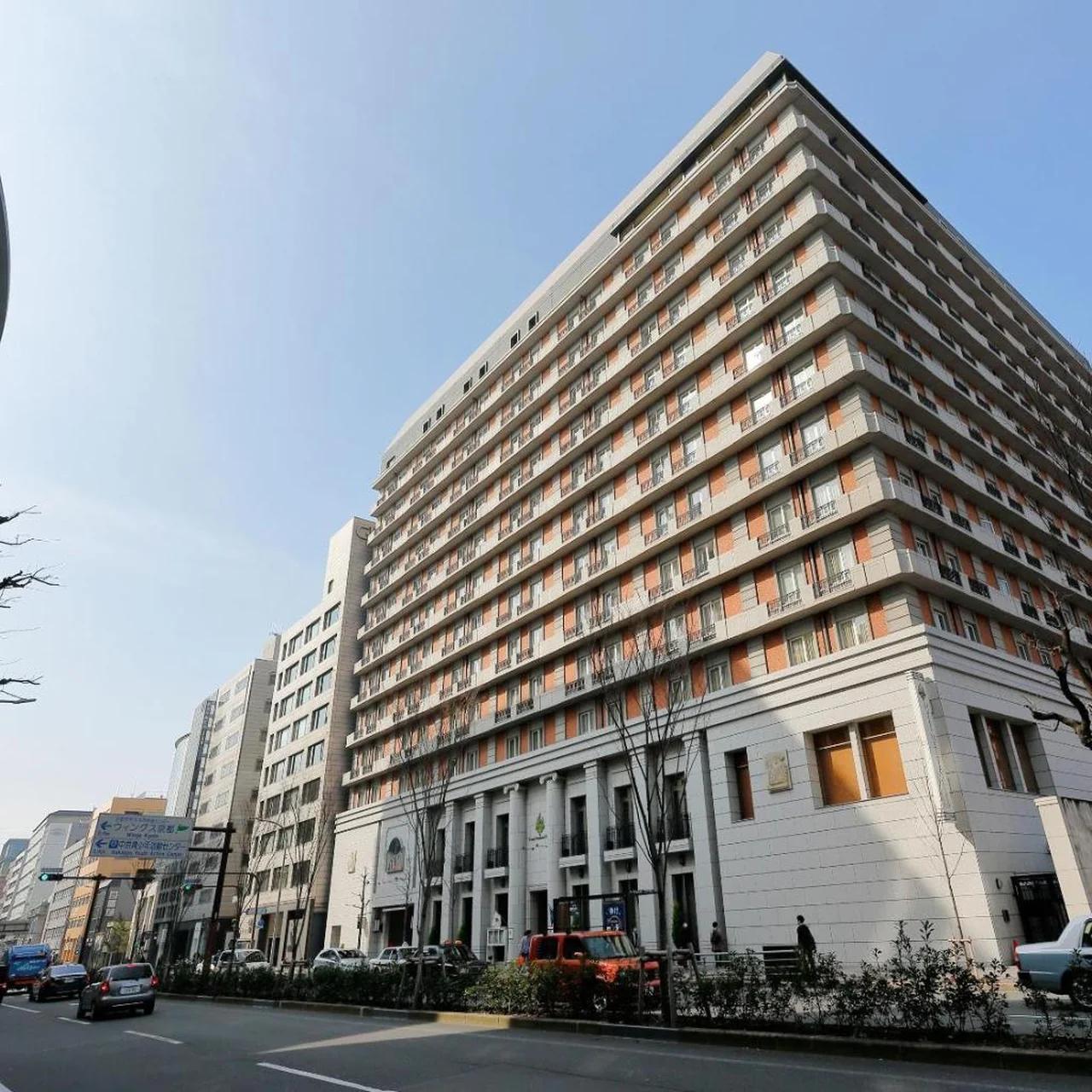
Several boutique hotels and machiya guesthouses operate within Gion's boundaries, particularly along Shinmonzen and Furumonzen streets. Larger business and chain hotels cluster along Kawaramachi and Shijo avenues, a short walk west.
Hotels nearby
Downtown Kawaramachi
2,288 reviews
Check availability
Downtown Kawaramachi
2,667 reviews
Check availability

Downtown Kawaramachi
2,496 reviews
Check availability

Downtown Kawaramachi
2,159 reviews
Check availability
Downtown Kawaramachi
2,019 reviews
Check availability

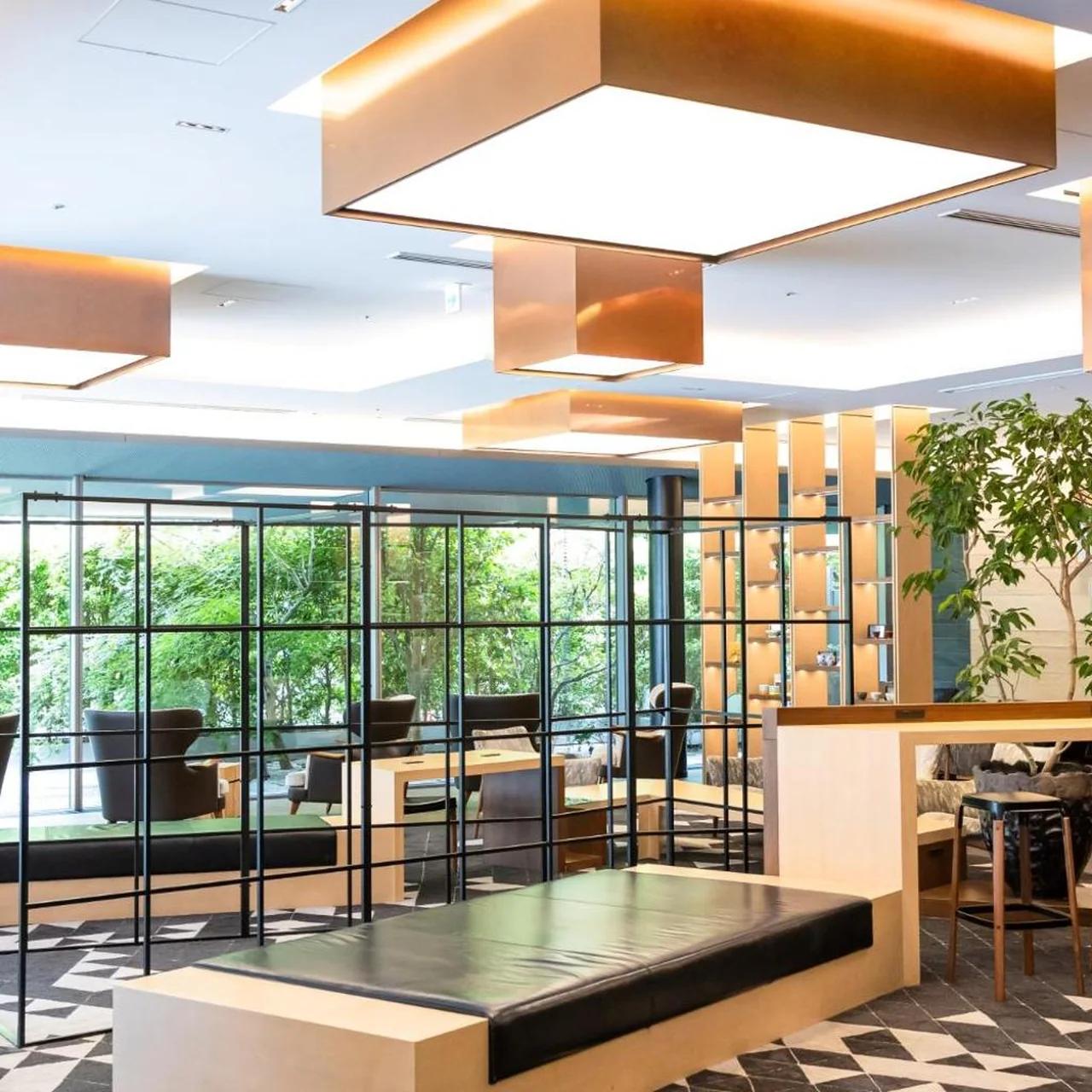
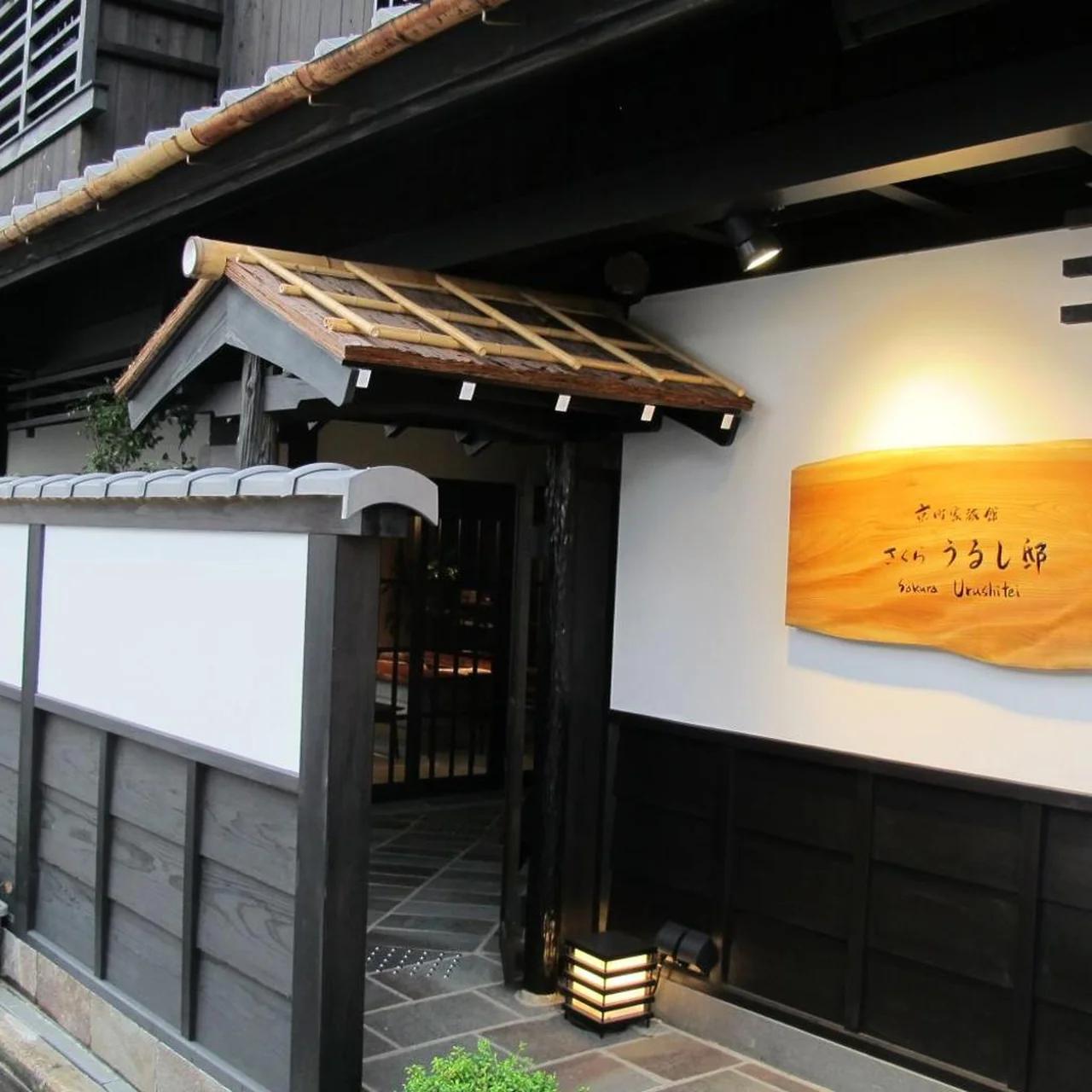
Downtown Kawaramachi
5,234 reviews
Check availability
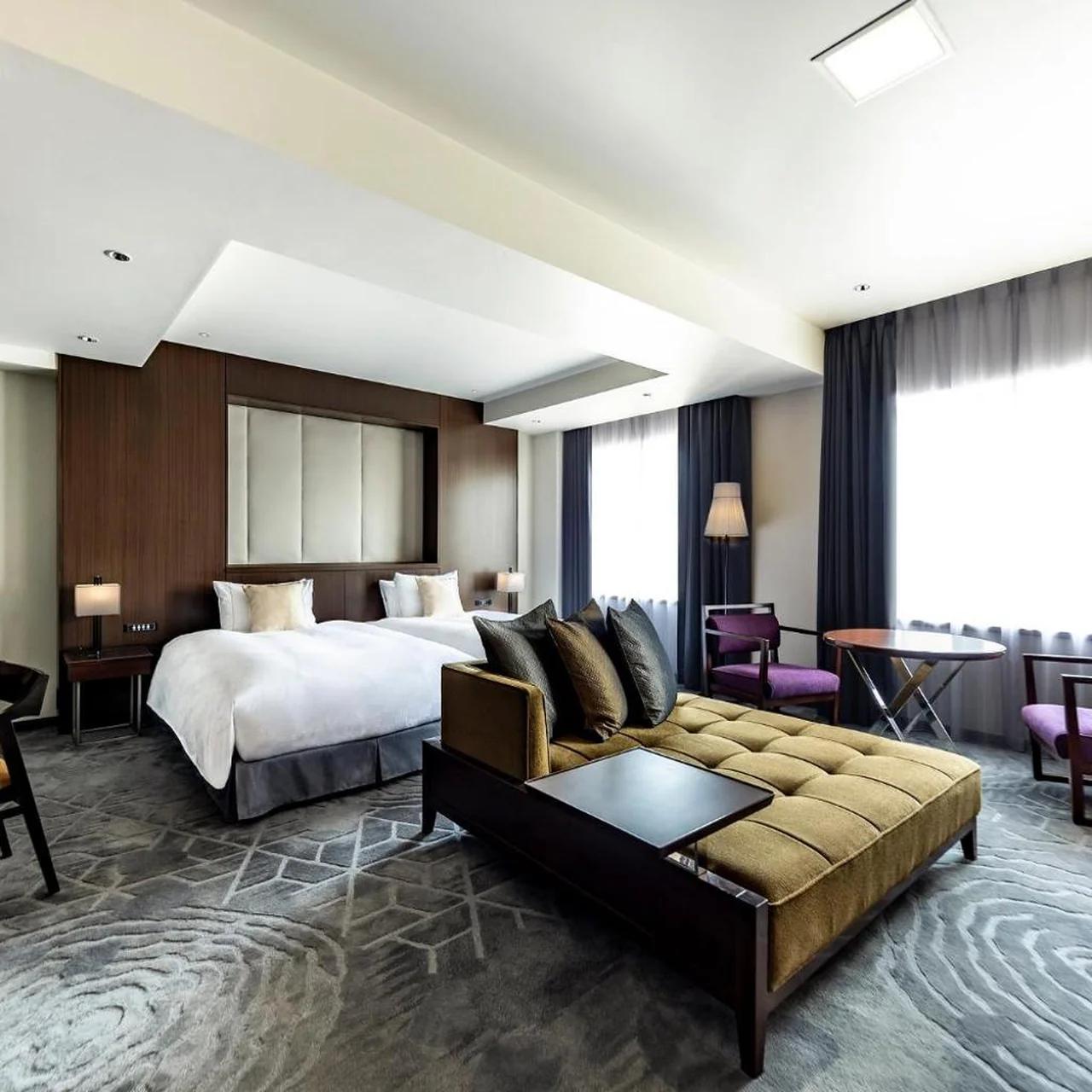
Downtown Kawaramachi
2,305 reviews
Check availability
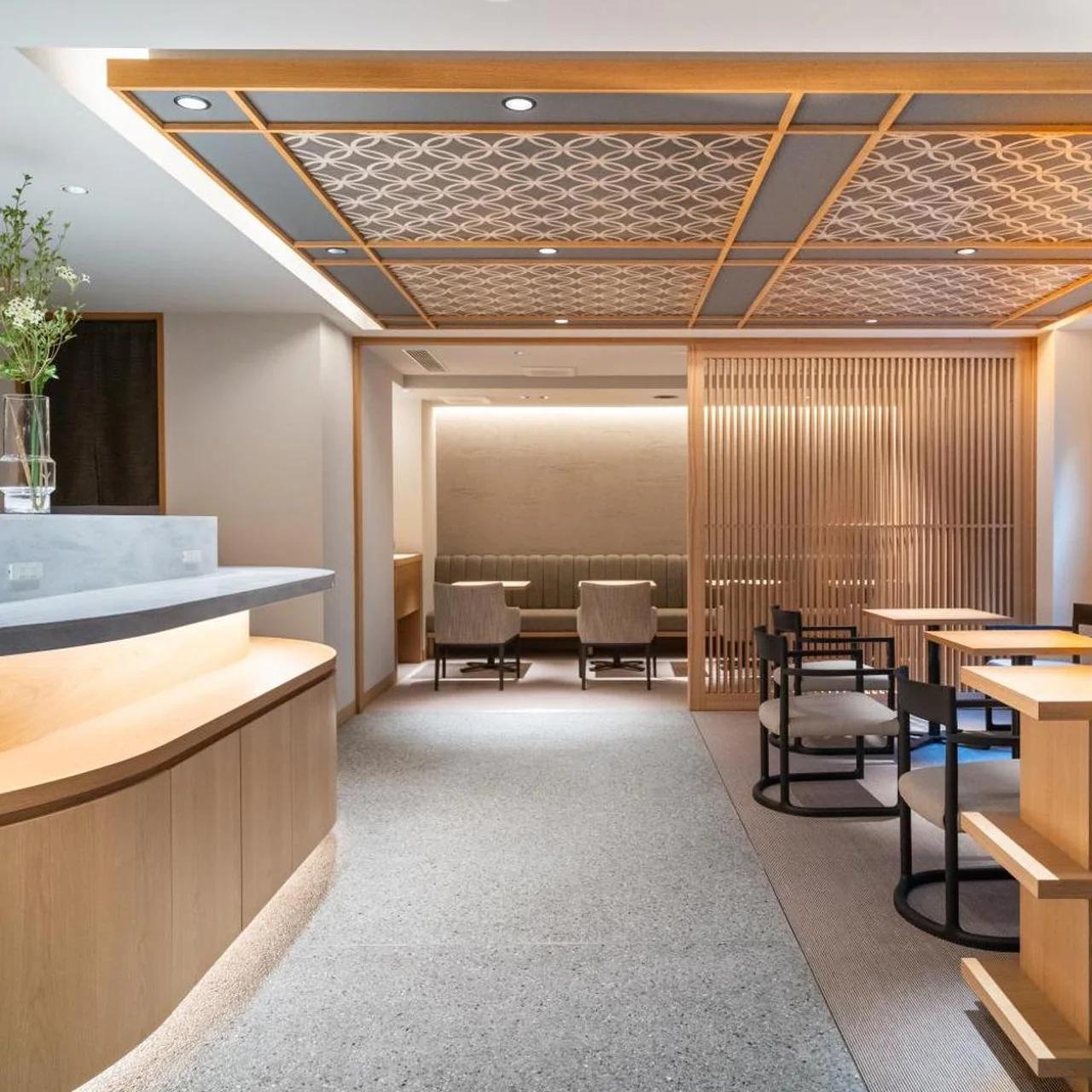
Downtown Kawaramachi
175 reviews
Check availability
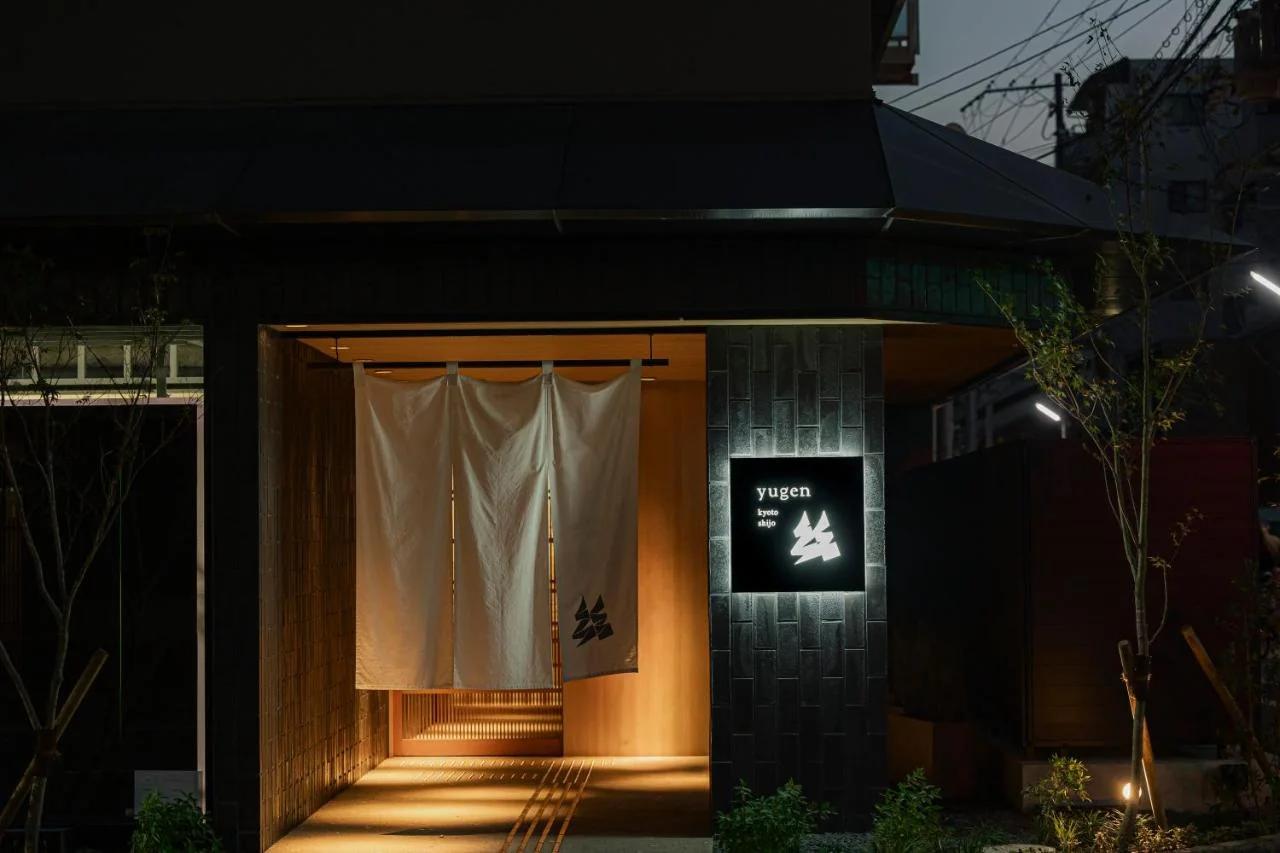
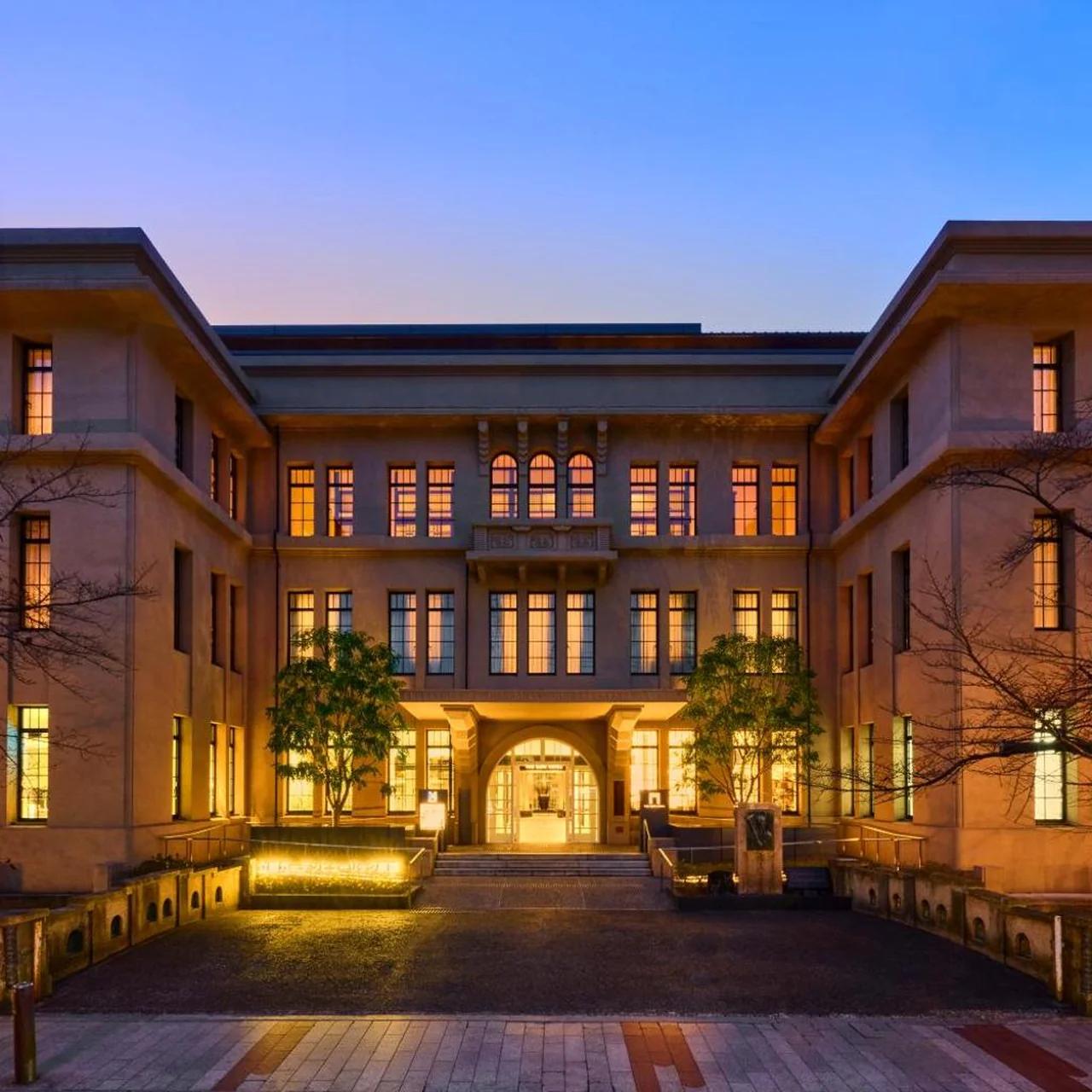
Downtown Kawaramachi
4,218 reviews
Check availability

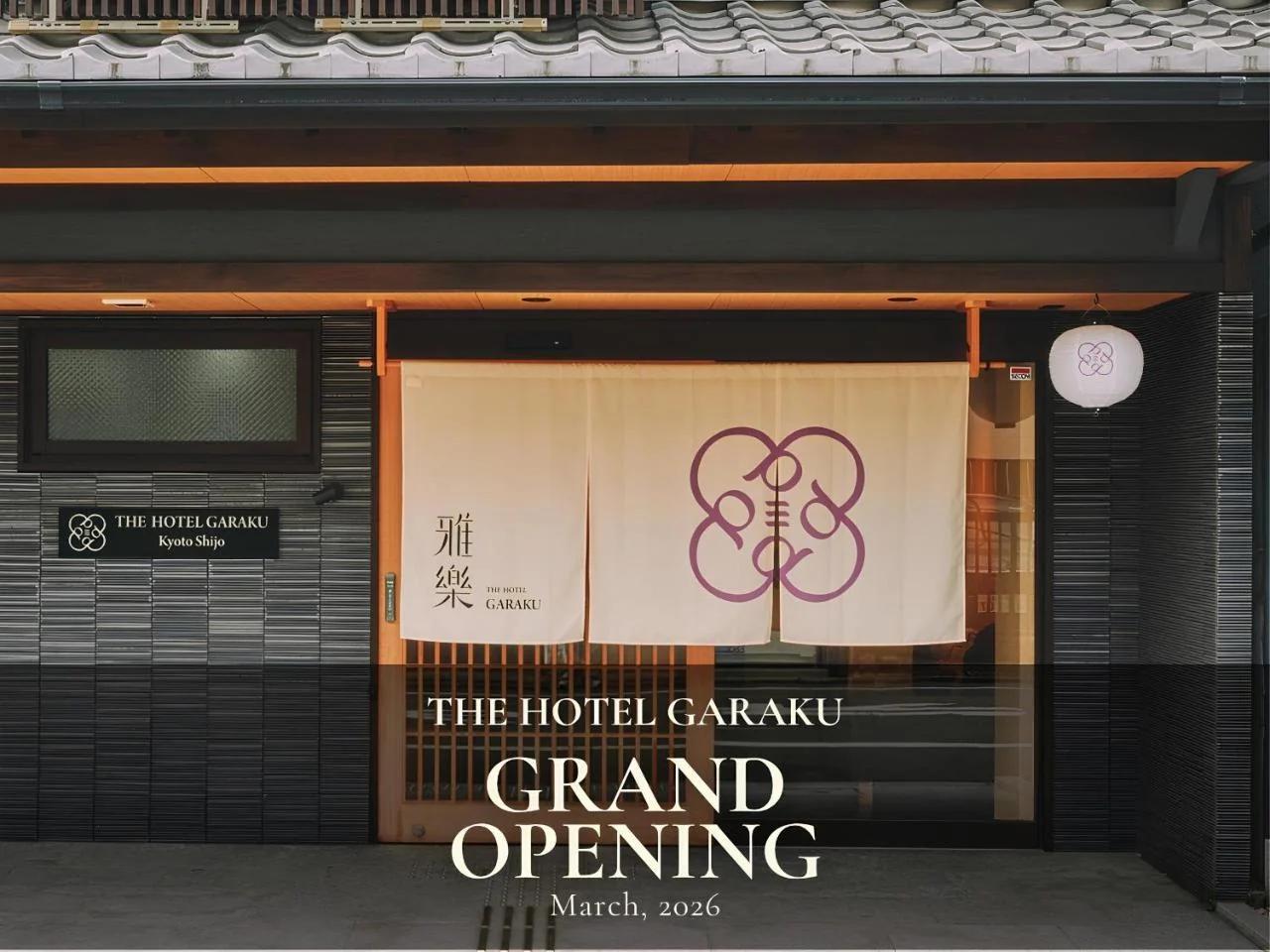

Higashiyama
740 reviews
Check availability