

Hotels near Nijo Castle
Kyoto · 14 hotels nearby
About Nijo Castle
Nijo Castle, a UNESCO World Heritage Site in Kyoto, stands as a testament to Japan's feudal history and architectural ingenuity. Built in 1603 as the residence of Tokugawa Ieyasu, the founder of the Tokugawa Shogunate, this sprawling complex is a fascinating blend of defensive fortifications and elegant aesthetics. Its iconic 'nightingale floors,' designed to chirp when walked upon, served as an ingenious security measure against intruders. Today, Nijo Castle offers visitors a glimpse into Japan's samurai past, surrounded by beautifully landscaped gardens that change with the seasons.
Architectural Highlights
The castle’s main attraction is the Ninomaru Palace, a masterpiece of traditional Japanese architecture. Its interiors are adorned with intricate wall paintings by artists of the Kano School, depicting nature scenes and mythical creatures. The palace’s layout reflects the strict hierarchical structure of the Edo period, with separate chambers for shoguns, samurai, and visitors. The castle’s outer walls, moats, and watchtowers further emphasize its dual role as both a residence and a fortress.
Gardens and Grounds
Beyond the palace, Nijo Castle’s gardens are a serene escape. The Ninomaru Garden, designed in the traditional kaiyu-style, features a central pond surrounded by carefully placed rocks, pine trees, and seasonal flowers. The Seiryu-en Garden, added in the 20th century, combines Japanese and Western landscaping elements and serves as a venue for cultural events like tea ceremonies. Visiting in spring? The cherry blossoms here are a sight to behold.
Practical Tips
- Opening Hours: Nijo Castle is open from 8:45 AM to 5:00 PM (last entry at 4:00 PM). It’s closed on Tuesdays in January, July, August, and December.
- Admission: Entry costs 800 yen for adults, with discounts for children and groups.
- Getting There: The castle is a short walk from Nijojo-mae Station on the Tozai Line or a 15-minute bus ride from Kyoto Station.
- Accessibility: While the Ninomaru Palace has stairs, the gardens are wheelchair-friendly.
- Best Time to Visit: Early morning or late afternoon to avoid crowds.
- Etiquette: Remember to remove your shoes when entering the palace.
Frequently asked questions
What are Nijo Castle’s 'nightingale floors'?
The nightingale floors are wooden floors designed to chirp when walked upon, acting as a security measure against intruders during the Edo period.
Can I take photos inside Nijo Castle?
Photography is allowed in the gardens but prohibited inside the Ninomaru Palace to preserve the historic wall paintings.
Is Nijo Castle wheelchair accessible?
While the Ninomaru Palace has stairs, the gardens and outer areas are wheelchair-friendly, with ramps and accessible pathways.
When is the best time to visit Nijo Castle?
Spring is ideal for cherry blossoms, but early mornings or late afternoons year-round help avoid crowds.
How much does it cost to enter Nijo Castle?
Admission is 800 yen for adults, with discounts available for children, students, and groups.
What’s the significance of Ninomaru Palace?
Ninomaru Palace served as the shogun’s residence and is renowned for its intricate wall paintings and historic architecture.
Hotels nearby
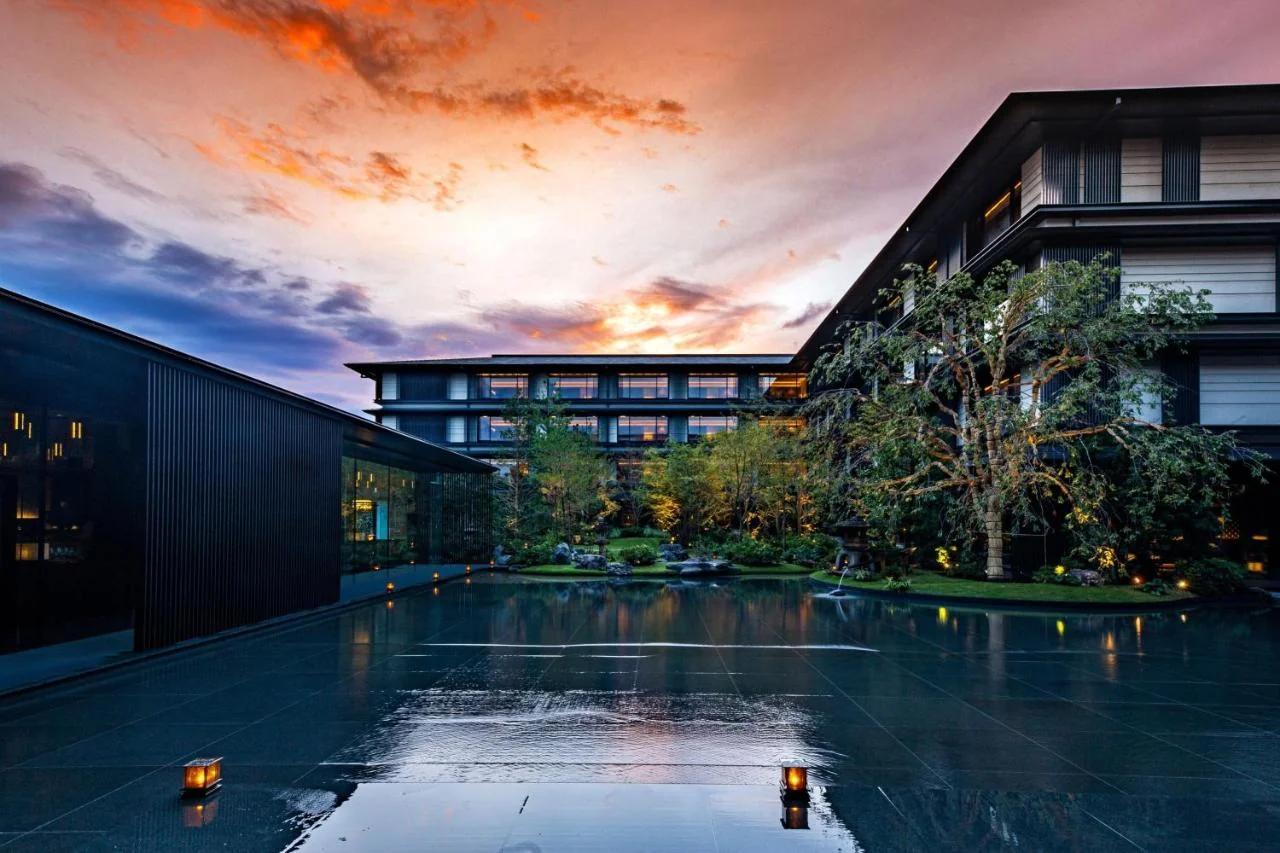

Downtown Kawaramachi
97 reviews
Check availability

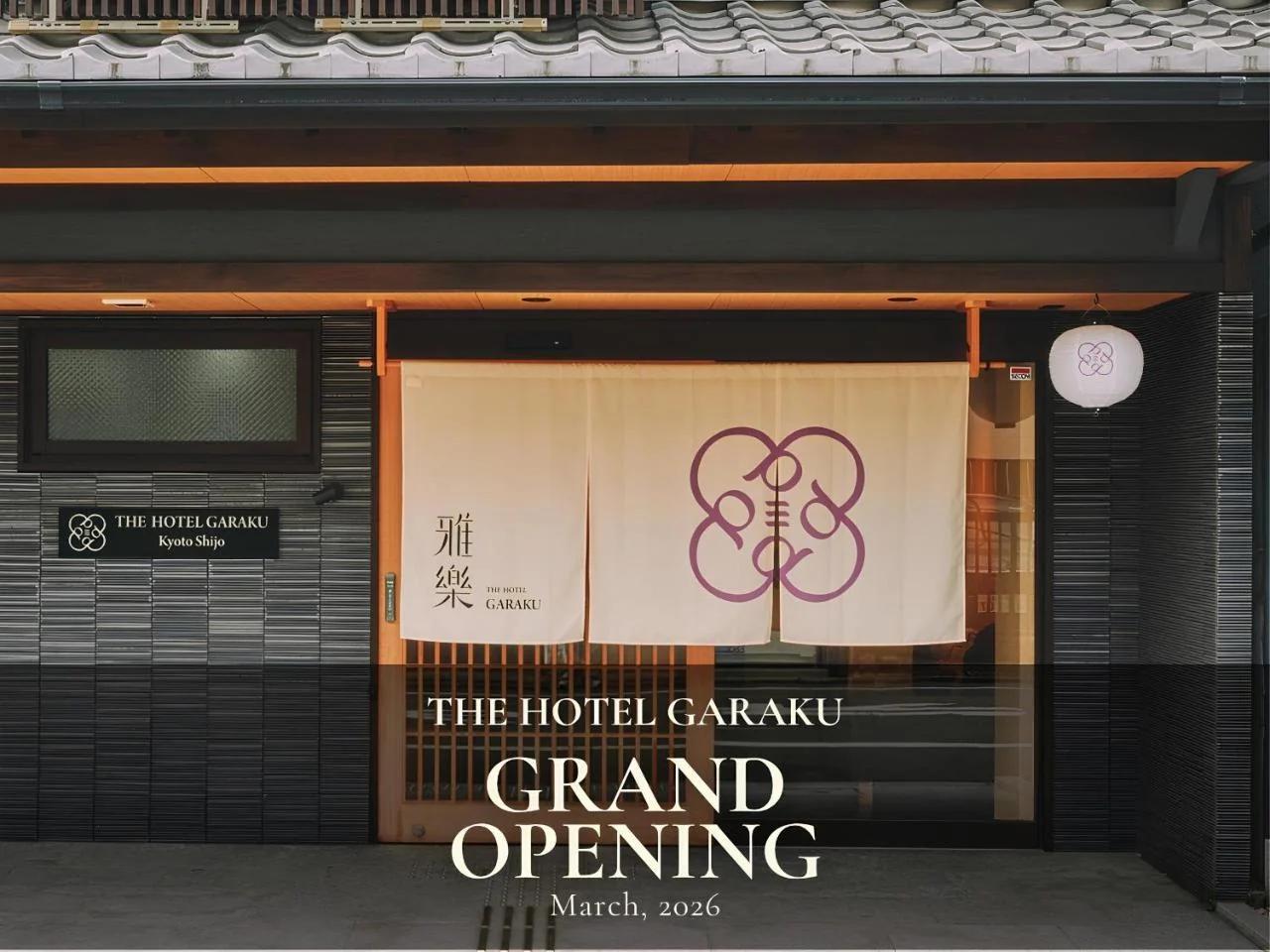
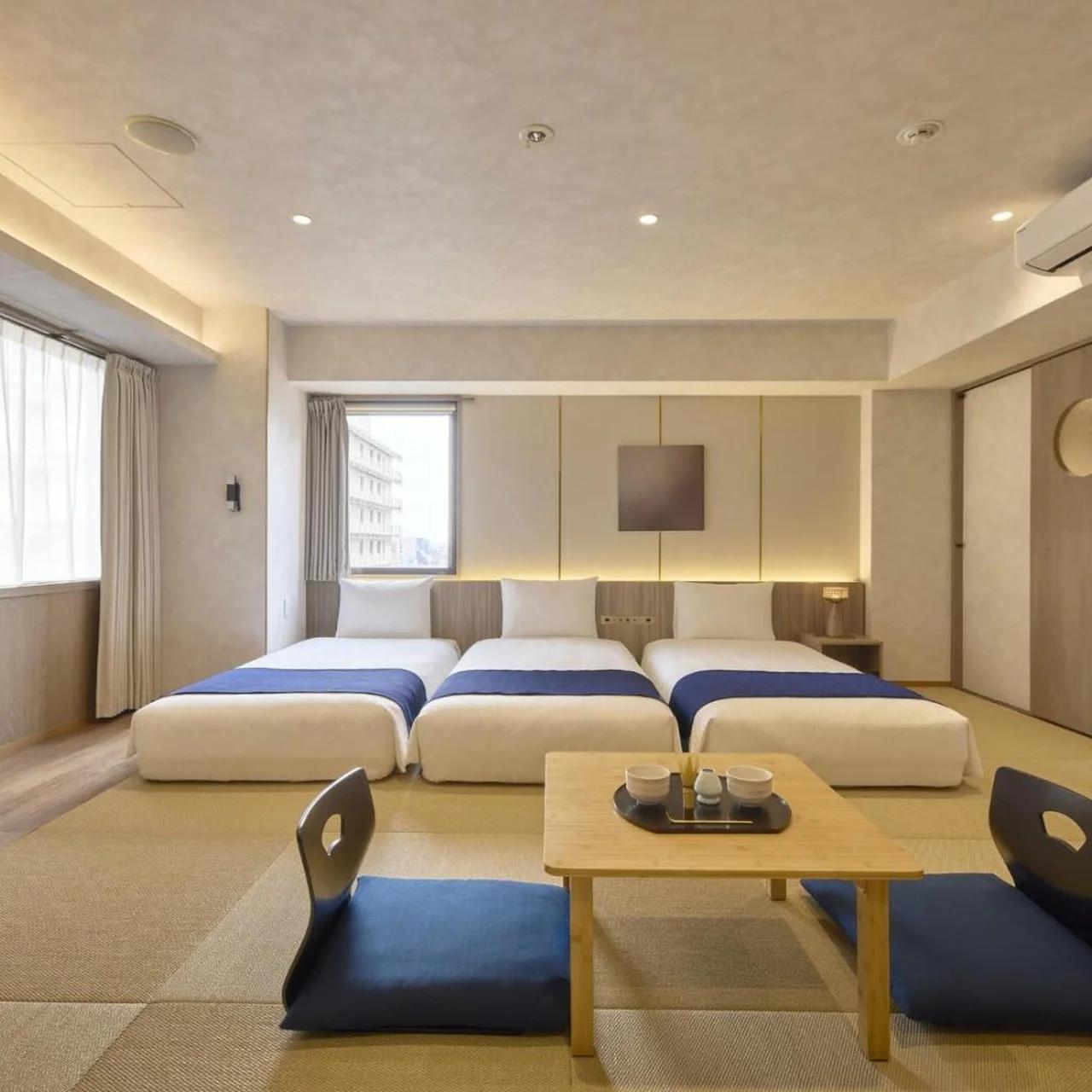

Downtown Kawaramachi
1,306 reviews
Check availability

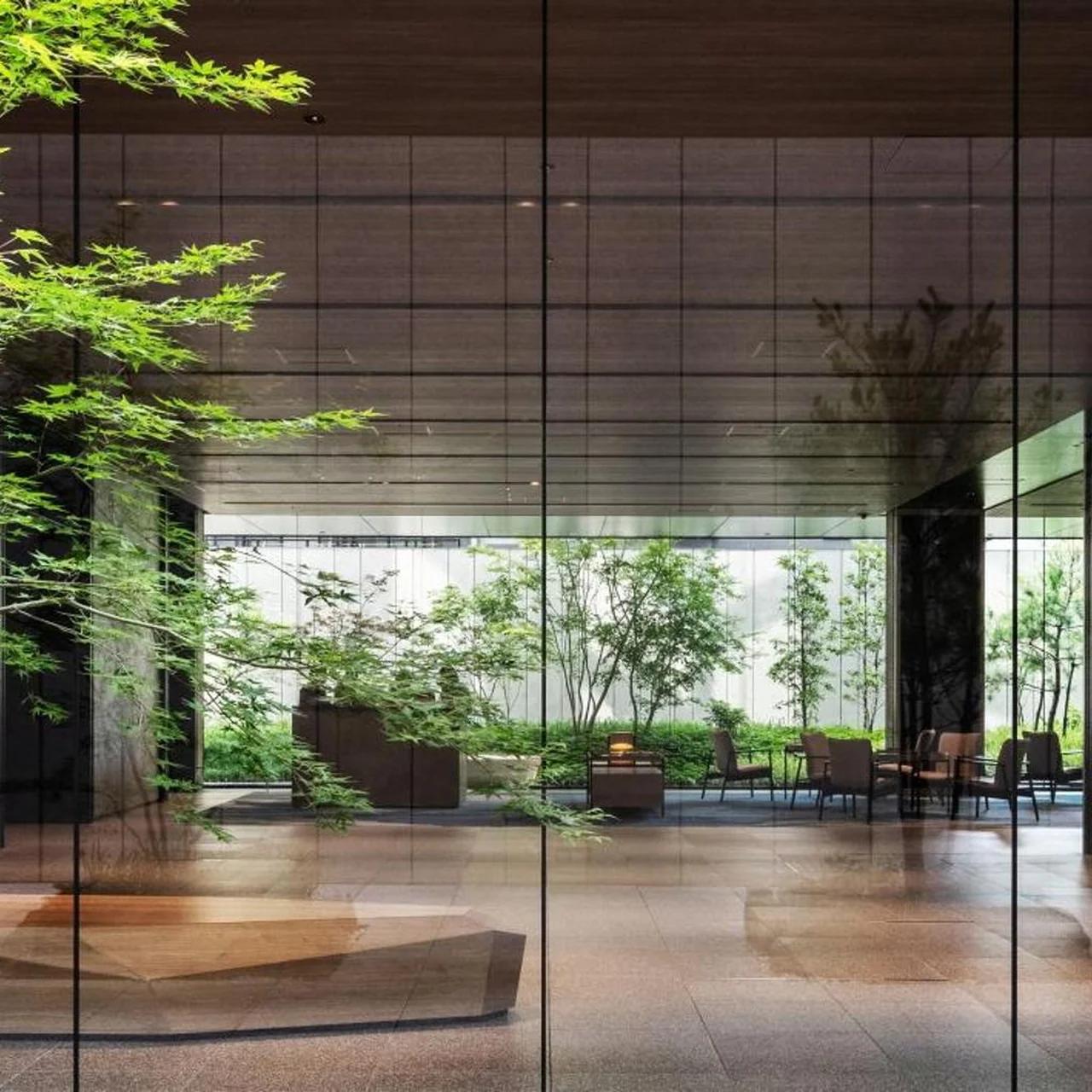
Downtown Kawaramachi
1,709 reviews
Check availability

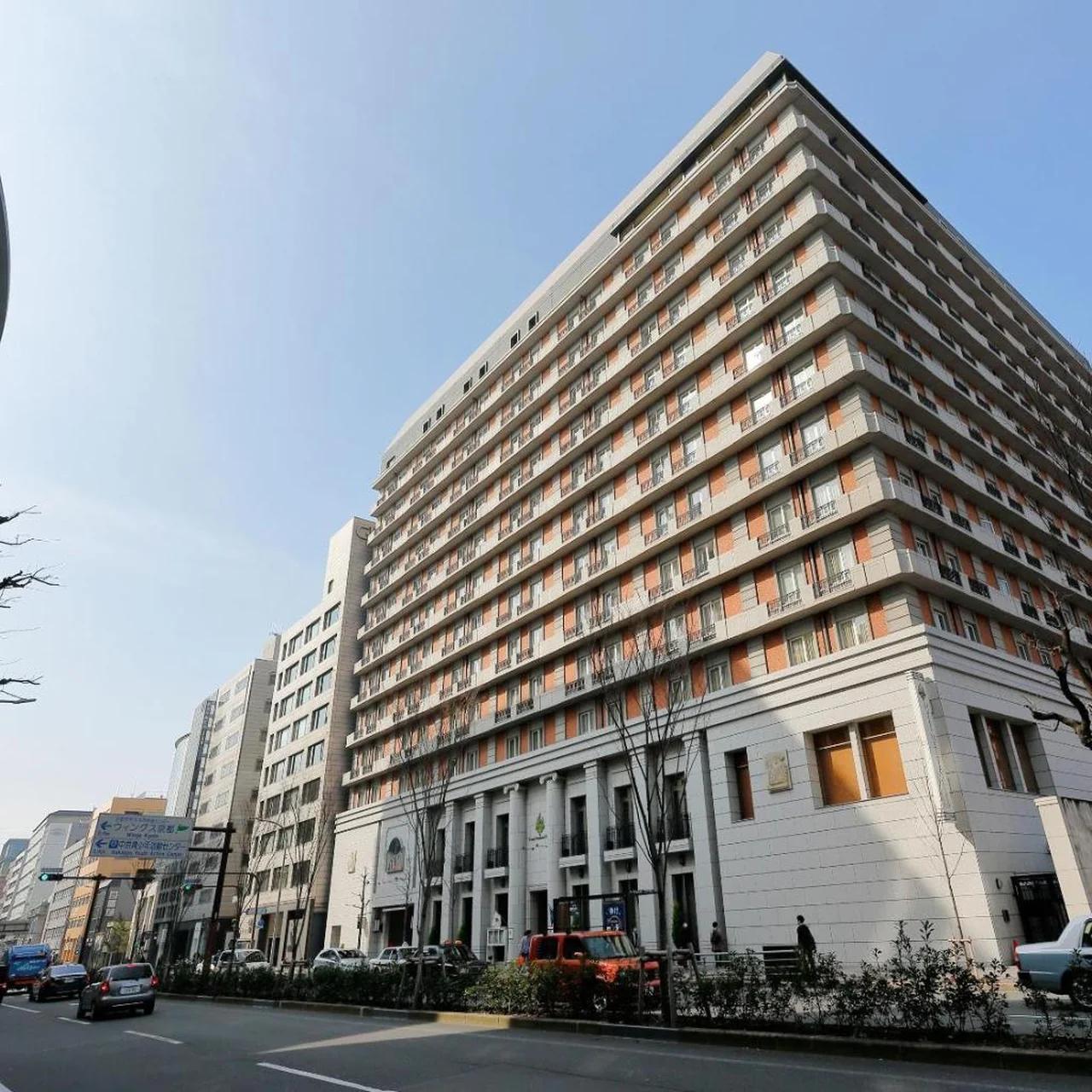
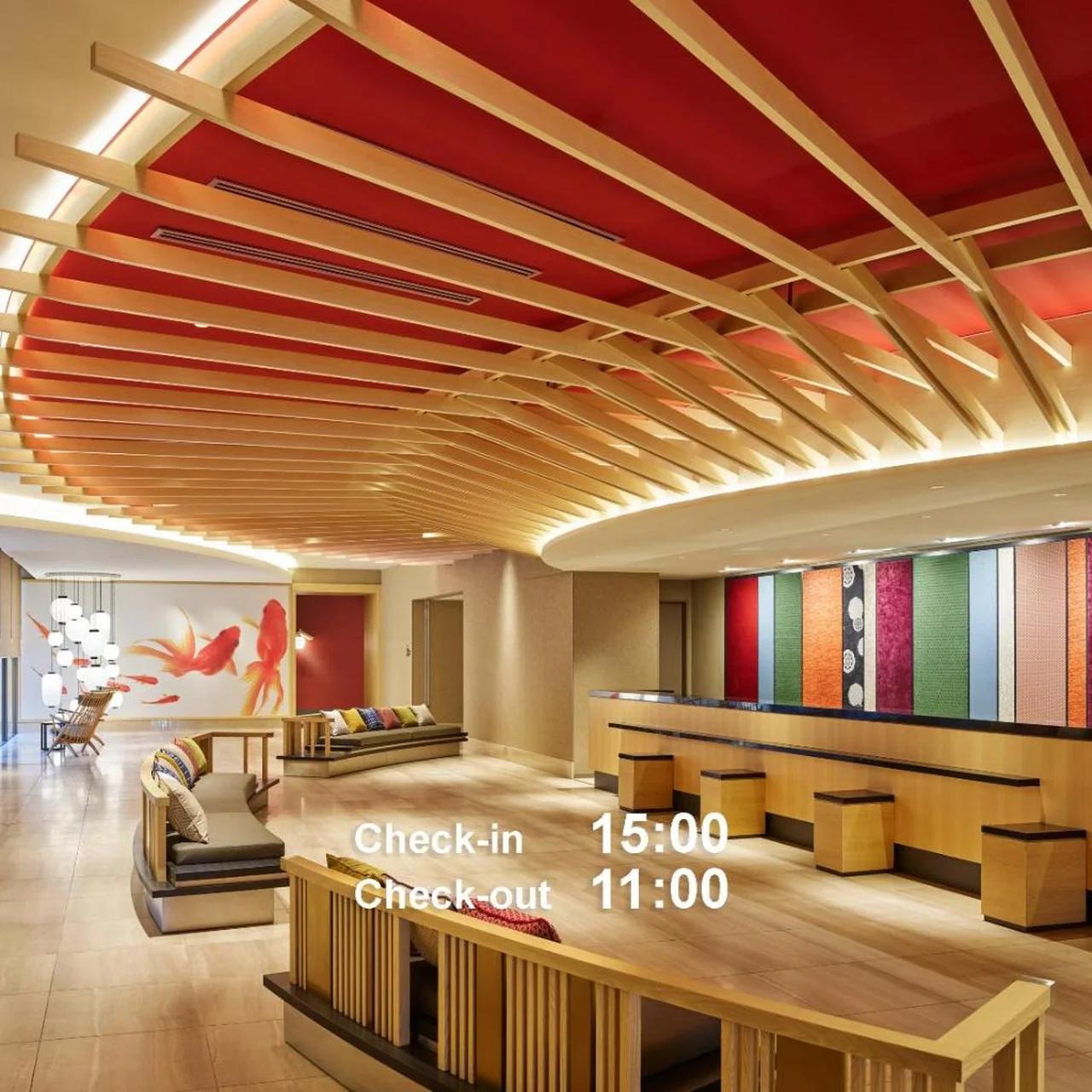
Downtown Kawaramachi
5,232 reviews
Check availability
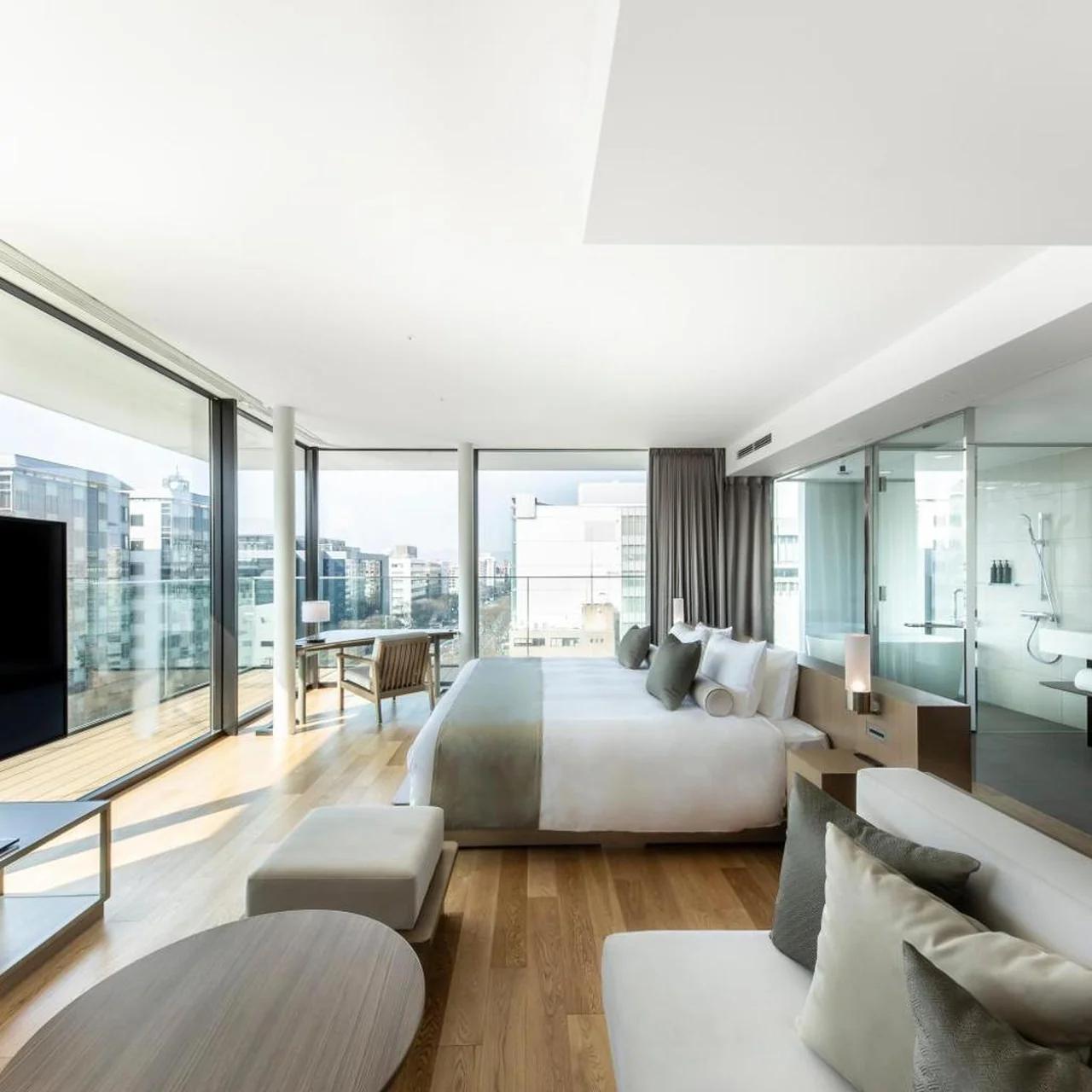
Downtown Kawaramachi
2,496 reviews
Check availability
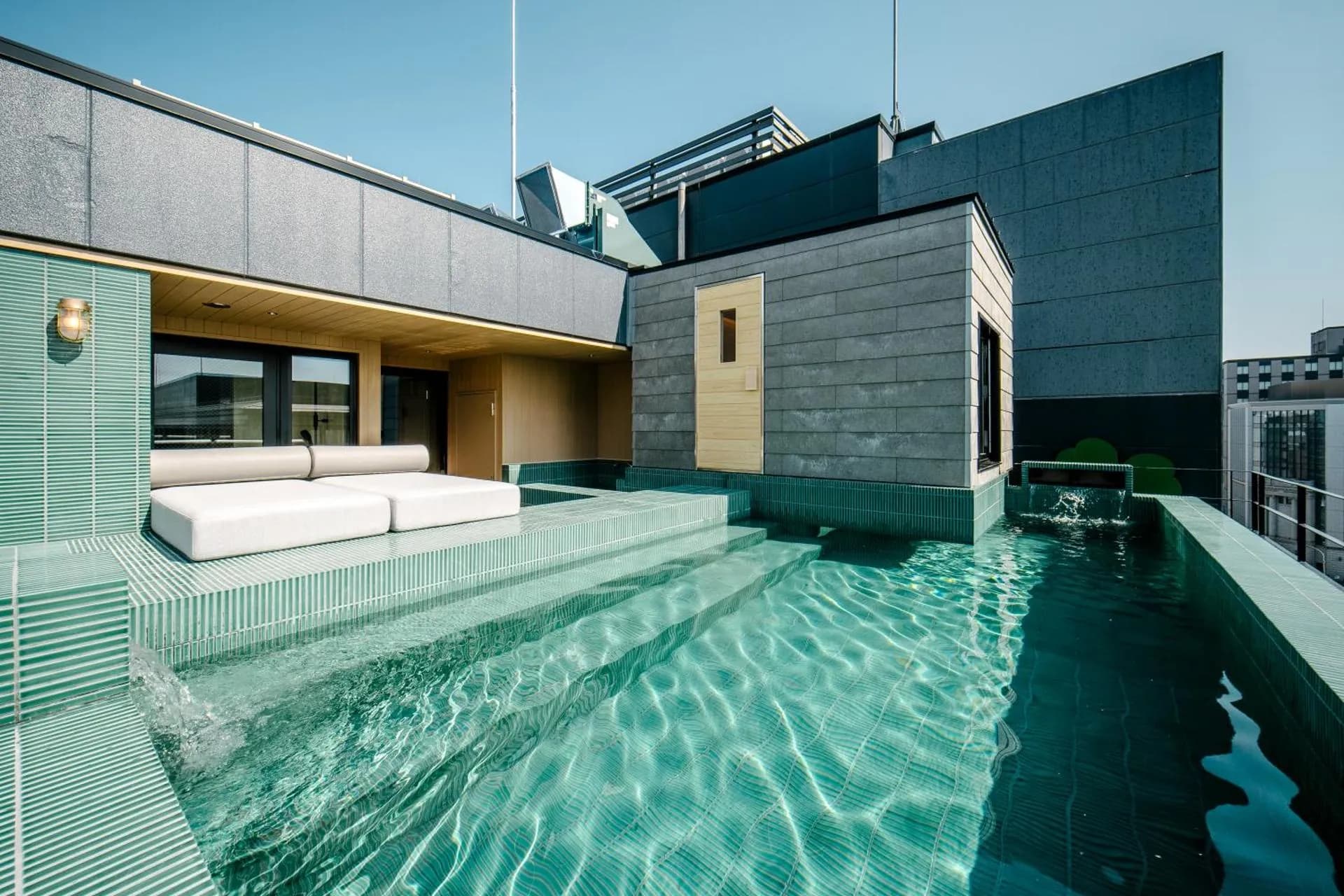
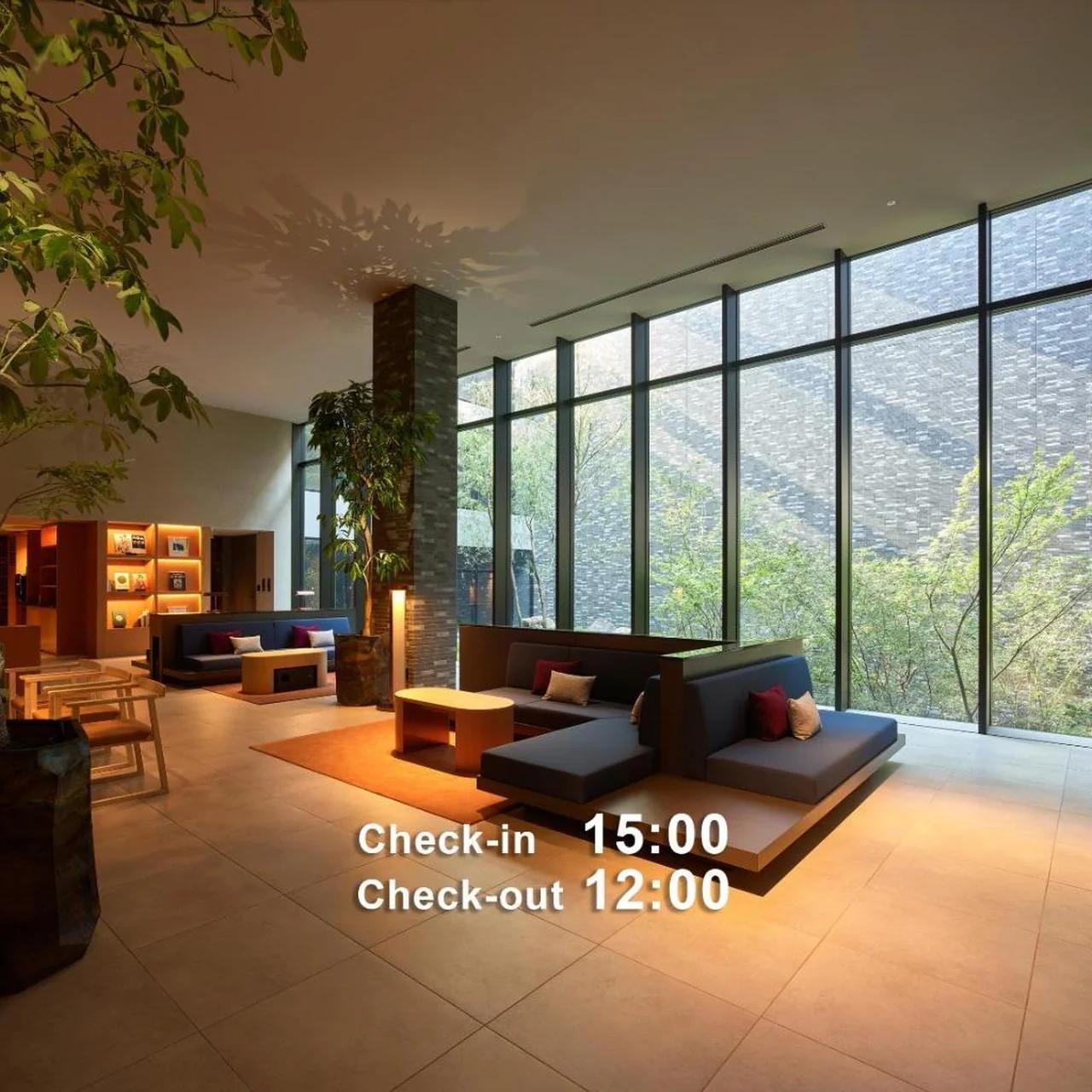
Downtown Kawaramachi
2,288 reviews
Check availability