
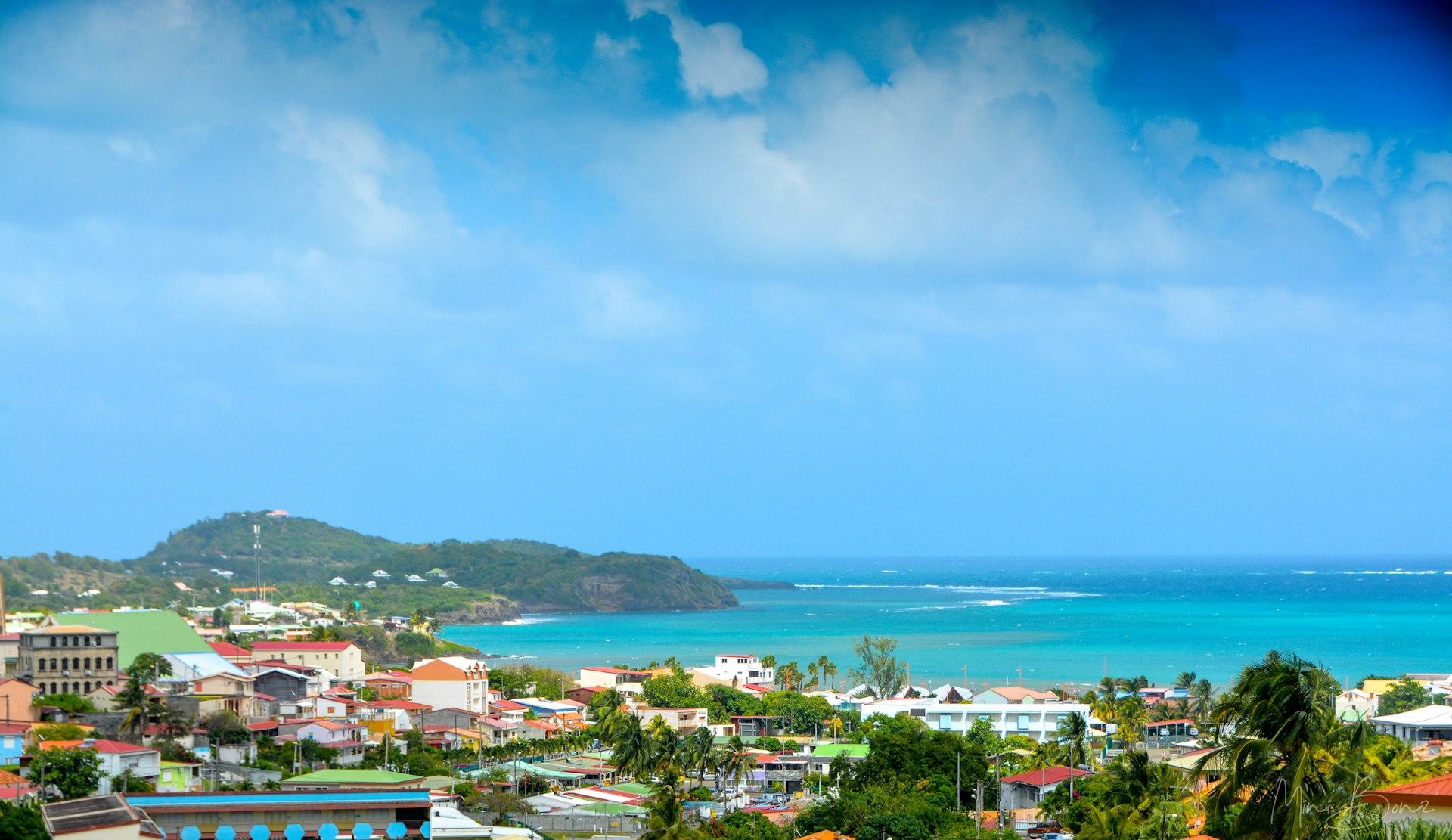
Hotels in Martinique
0 cities · 0 hotels
Martinique: French Caribbean at 14°N
Martinique sits in the Lesser Antilles, roughly 700 km north of Trinidad, covering 1,128 km² of volcanic terrain, rainforest, and white-sand coast. The island is an overseas region of France, which means the euro is the currency, French is the official language, and EU standards apply to hotels and infrastructure. Fort-de-France, the capital on the western coast, anchors the island's commerce and culture. The north rises sharply toward Mont Pelée, a stratovolcano that last erupted in 1902, destroying the former capital of Saint-Pierre and killing approximately 30,000 people — the deadliest volcanic eruption of the 20th century in the Western Hemisphere.
Cities and Regions Worth Exploring
Fort-de-France holds around 80,000 residents and concentrates most hotel stock. The Plateau Didier district north of the city centre offers quieter hillside accommodation with harbor views. South of the capital, the commune of Les Trois-Îlets faces the bay and is home to the childhood estate of Empress Joséphine, born here in 1763. The Sainte-Anne and Le Marin area at the southern tip draws sailors and beach travelers; Grande Anse des Salines beach near Sainte-Anne is frequently cited as one of the Caribbean's longest uninterrupted stretches of white sand at approximately 1.5 km. The northern Atlantic coast around Le Robert and La Trinité offers calmer lagoon water and fewer visitors.
Nature, Rum, and Creole Heritage
The Parc Naturel Régional de la Martinique protects roughly 70,000 hectares including the rainforest of Morne Blanc and the slopes of Mont Pelée. Hiking the summit trail (1,397 m) takes 3–4 hours round trip from the trailhead near Grand'Rivière. Martinique produces rhum agricole — distilled from fresh sugarcane juice rather than molasses — and holds an Appellation d'Origine Contrôlée (AOC), the only rum in the world with that French certification. Distilleries including Habitation Clément (Le François, founded 1887) and Rhum J.M (Macouba) offer public visits. Creole cuisine in local lolos (open-air food stalls) in Sainte-Luce and Fort-de-France serves accras de morue, colombo de poulet, and blaff de poisson — dishes that reflect African, South Asian, and French culinary layering.
When to Visit Martinique
The dry season runs roughly mid-December through May, with February and March averaging the lowest rainfall and temperatures of 26–29 °C. The wet season peaks between August and October, overlapping with Atlantic hurricane season; September carries the highest storm risk. The Carnaval de Martinique, held in the four days before Ash Wednesday (typically February or early March), is the island's largest cultural event, centered on Fort-de-France with costumed parades and Vaval, the carnival king effigy burned on Ash Wednesday.
Practical Tips for Visiting Martinique
- Getting there: Martinique Aimé Césaire International Airport (iata code: FDF) receives direct flights from Paris-Orly (approximately 8.5 hours) and connecting Caribbean flights from Pointe-à-Pitre.
- Getting around: Car rental from FDF is the most practical option; bus routes (taxis collectifs) connect Fort-de-France to most communes but run infrequently after 18:00.
- Currency: Euro (EUR); ATMs are available in Fort-de-France and Les Trois-Îlets.
- Language: French is official; Martinican Creole is widely spoken. English is understood at hotels and tourist sites but less so in local markets.
- Entry: EU and Schengen rules apply for passport and visa; travelers from outside the EU should check French overseas territory entry requirements.
- Pack: Light reef-safe sunscreen is required at most marine reserves; pack a rain layer for northern forest hikes regardless of season.
Frequently Asked Questions
Q: What is the best area to stay in Martinique for beaches? A: The southern coast between Les Trois-Îlets and Sainte-Anne holds the highest concentration of beach hotels and white-sand shores. Grande Anse des Salines near Sainte-Anne is a frequently recommended stretch, accessible by car in about 10 minutes from the village center.
Q: Do travelers need a visa to visit Martinique? A: Martinique follows French and EU entry rules as an overseas region of France. Citizens of EU member states need only a national ID. Travelers from outside the EU should verify French visa requirements, as standard Schengen regulations apply.
Q: Is Martinique expensive compared to other Caribbean islands? A: Costs align broadly with metropolitan France. Supermarkets and fuel carry import markups, making dining at lolos and self-catering noticeably cheaper than hotel restaurants. Mid-range hotels in Fort-de-France start around €90–130 per night in the dry season.
Q: How dangerous is Mont Pelée today? A: Mont Pelée is classified as an active volcano monitored by the Observatoire Volcanologique et Sismologique de la Martinique. The summit trail is open when alert levels permit; hikers should check current status before departure as closures do occur during periods of elevated seismic activity.