Skip to content
Turkish Riviera

Hotels in Turkish Riviera

7 cities · 109 hotels

Turkish Riviera

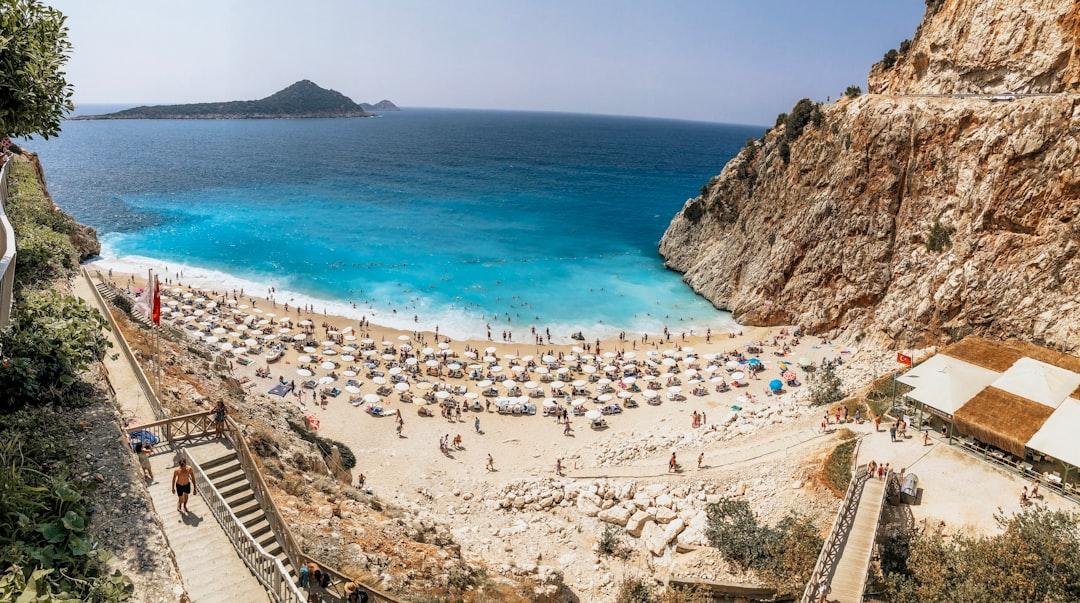
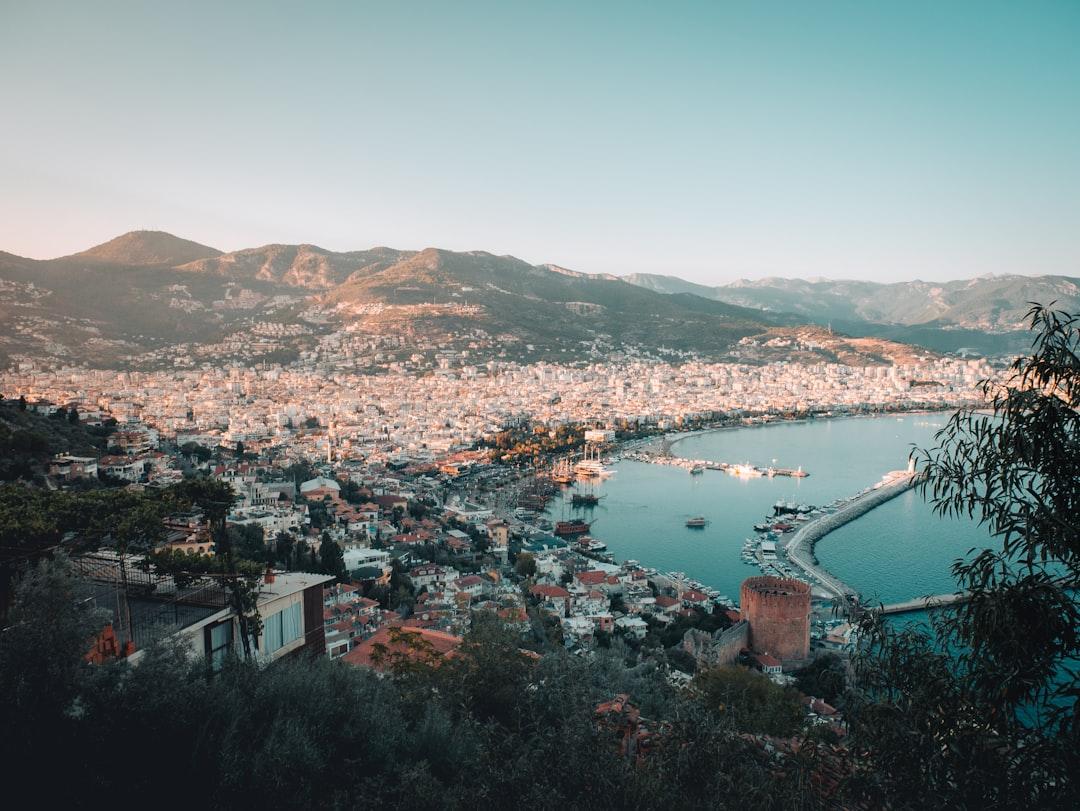
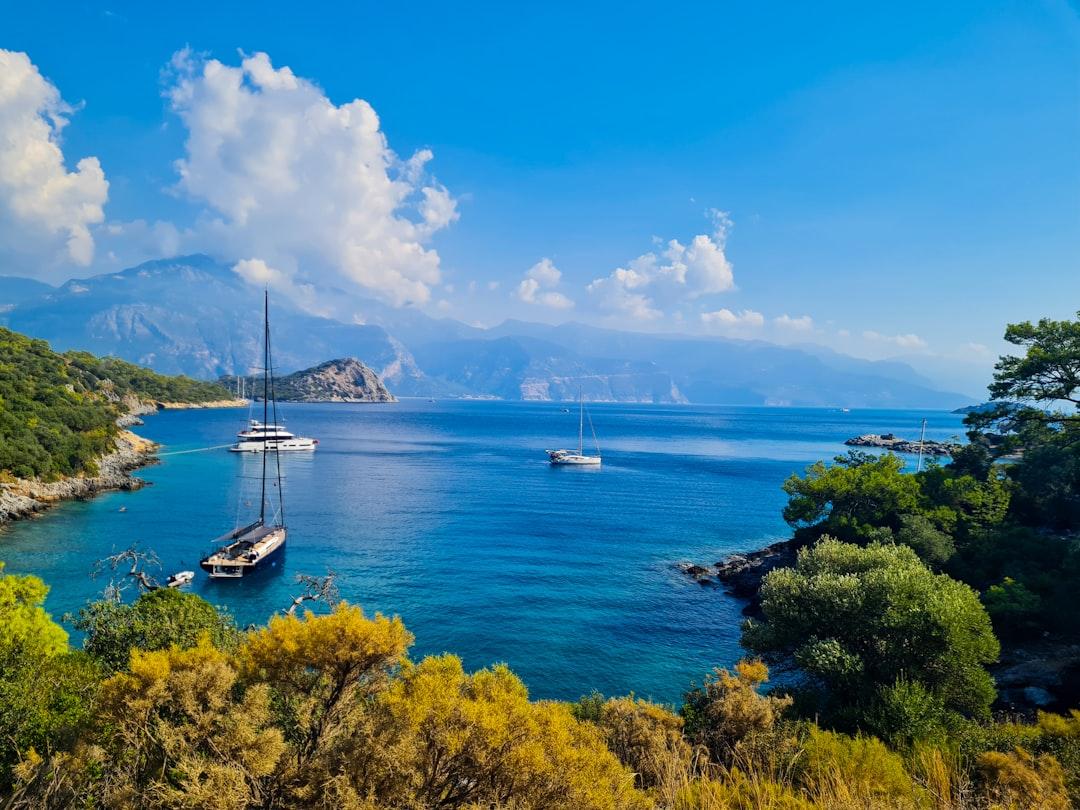
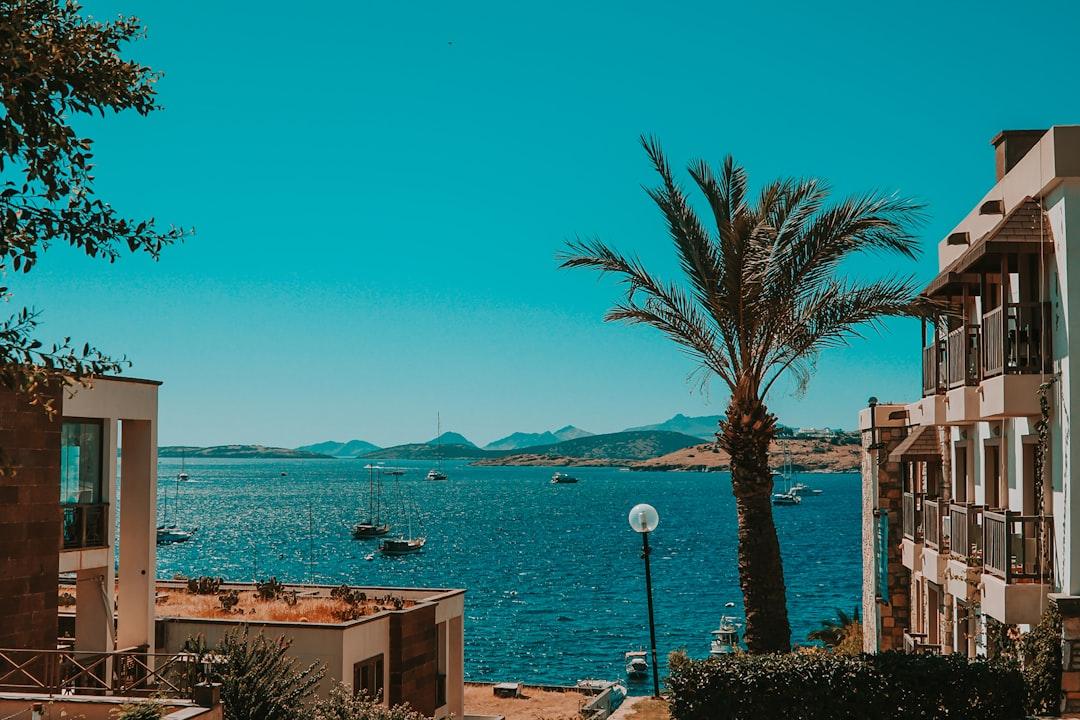
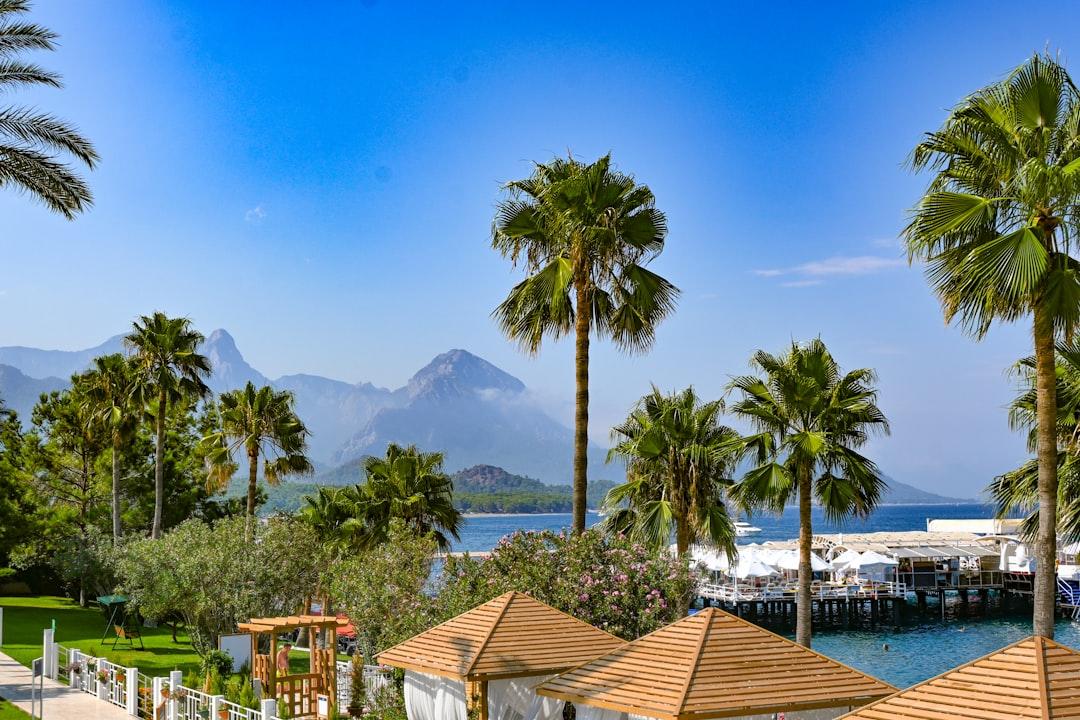
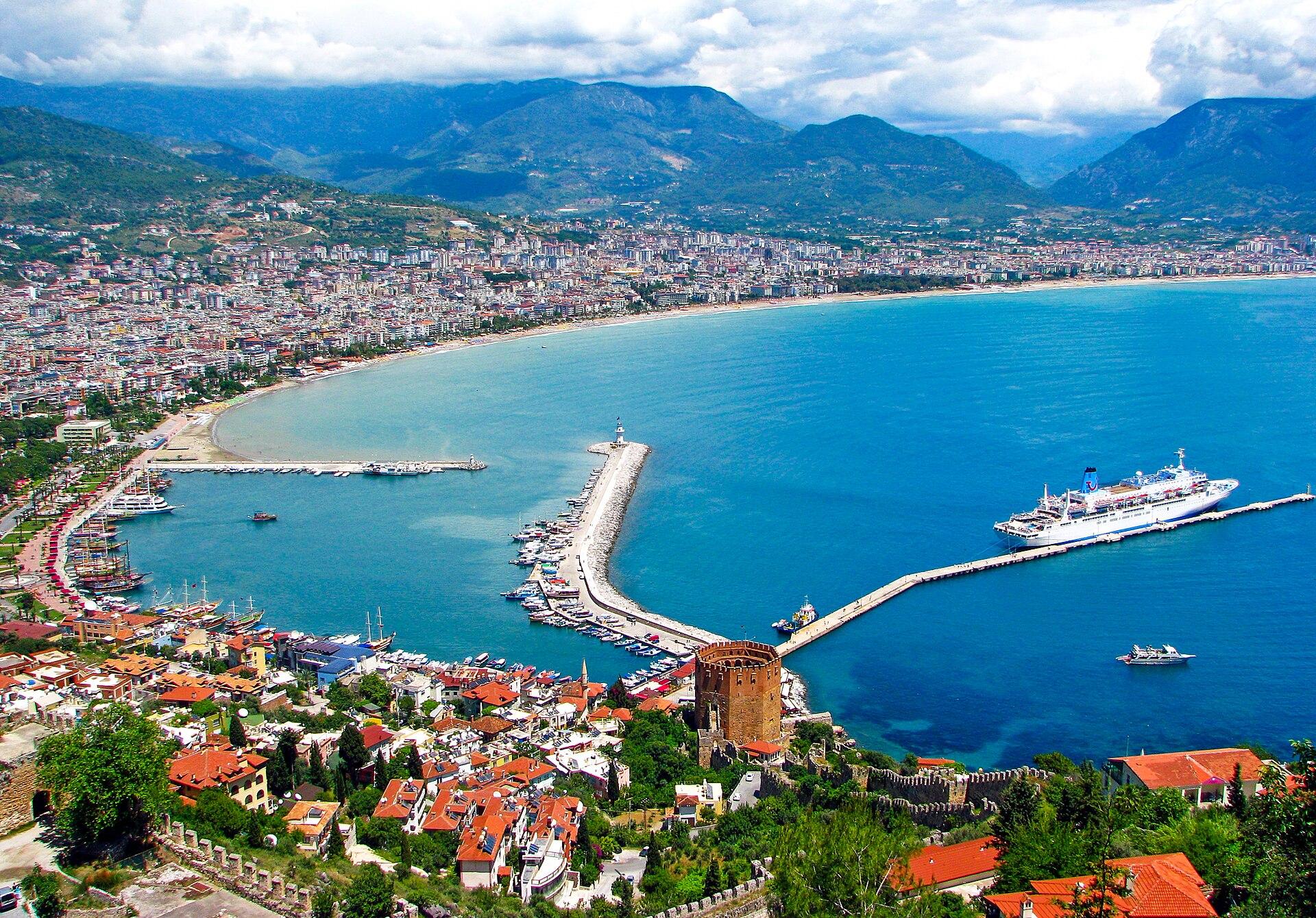
Stretching along Turkey's southern and southwestern coastline, the Turkish Riviera — also known as the Turquoise Coast — draws visitors with its clear blue waters, ancient ruins, and a remarkably varied landscape of pine-forested mountains dropping sharply to the sea. From the bustling resort city of Antalya to the laid-back harbor town of Fethiye, this region offers a compelling blend of history, natural beauty, and warm Mediterranean hospitality.

A Coast Shaped by Ancient Civilizations

The Turkish Riviera sits atop layers of history that span thousands of years. The Lycian civilization left behind rock-cut tombs carved directly into cliff faces, most famously visible around Fethiye and the ancient city of Myra. Roman-era amphitheaters, aqueducts, and city walls are scattered throughout the region, with Antalya's Hadrian's Gate and the well-preserved ruins at Aspendos standing as particularly notable examples. The Bodrum peninsula was home to the ancient city of Halicarnassus, birthplace of the historian Herodotus and site of one of the Seven Wonders of the Ancient World — the Mausoleum at Halicarnassus.

Key Destinations Along the Coast

Antalya serves as the region's main gateway, with an international airport and a well-preserved old quarter called Kaleiçi, where Roman, Byzantine, and Ottoman architecture stand side by side. Bodrum, positioned where the Aegean and Mediterranean meet, is known for its lively marina, whitewashed buildings, and the 15th-century Castle of St. Peter, which now houses the Museum of Underwater Archaeology. Fethiye offers access to the Blue Lagoon at Ölüdeniz, one of Turkey's most photographed natural landmarks, as well as the ghost village of Kayaköy and the calm waters of Butterfly Valley, reachable only by boat or a steep hiking trail.

Outdoor Activities and Natural Highlights

The Turkish Riviera is a strong destination for outdoor enthusiasts. The Lycian Way, a long-distance hiking trail of approximately 540 kilometers, winds along the coast between Fethiye and Antalya, passing through ancient ruins, fishing villages, and remote beaches. Paragliding above Ölüdeniz is a popular activity, with tandem flights offering aerial views of the Blue Lagoon. Boat tours — ranging from day trips to multi-day gulet cruises — are a practical and scenic way to explore otherwise inaccessible coves and bays. Scuba diving, sea kayaking, and jeep safaris into the Taurus Mountains are also widely available.

Practical Tips

  • Best time to visit: May to October offers warm, dry weather. July and August are the busiest and hottest months. Spring and early autumn provide milder temperatures and fewer crowds.
  • Getting around: Antalya has the region's main international airport. Intercity buses (dolmuş and long-distance coaches) connect major towns. Renting a car gives the most flexibility for exploring smaller villages and coastal roads.
  • Currency: The Turkish lira (TRY) is the local currency. Card payments are widely accepted in tourist areas, but cash is useful in smaller towns and markets.
  • Visas: Many nationalities can obtain an e-Visa online before arrival. Check requirements specific to your passport well in advance.
  • Language: Turkish is the official language. English is commonly spoken in hotels, restaurants, and tourist areas throughout the Riviera.

FAQ

Q: What is the Turkish Riviera known for? A: The Turkish Riviera is known for its clear turquoise waters, ancient Lycian and Roman ruins, long sandy beaches, and a range of outdoor activities including hiking, sailing, and paragliding.

Q: Which cities are the main entry points to the Turkish Riviera? A: Antalya is the primary gateway with the region's largest international airport. Bodrum also has its own airport with seasonal and year-round international connections.

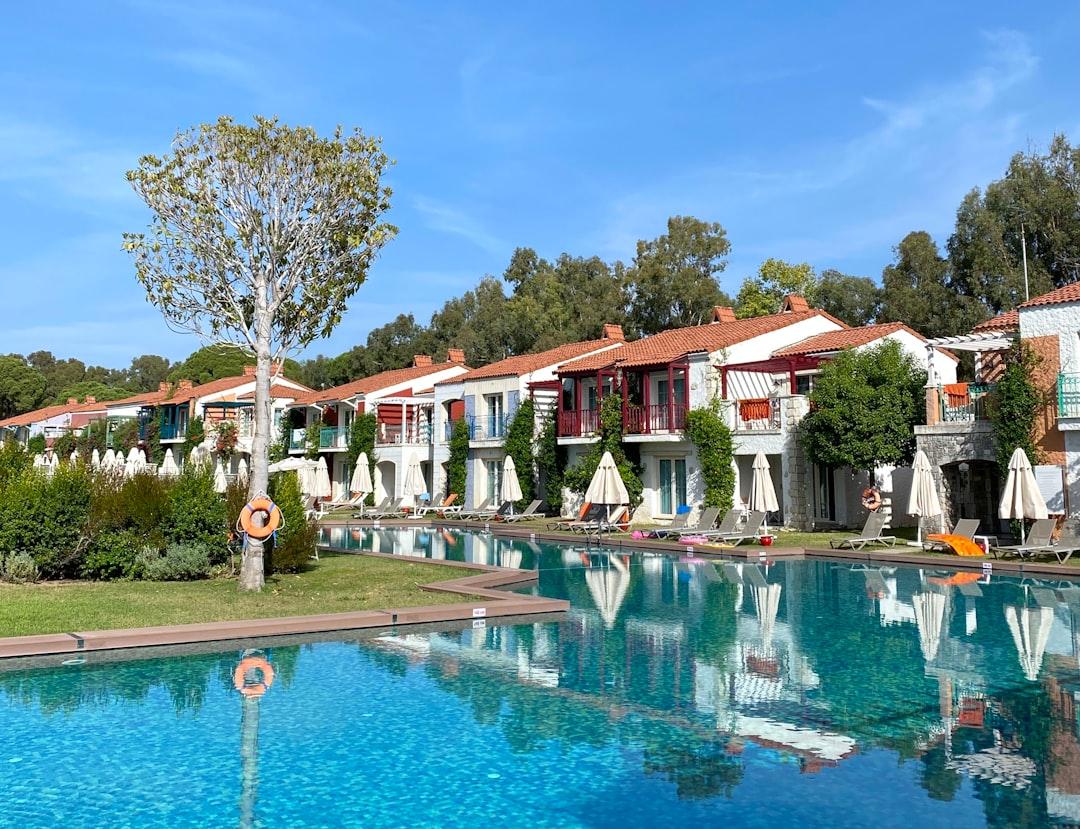
Q: Is the Turkish Riviera suitable for families? A: Yes. Many resorts along the coast cater specifically to families, with calm, shallow beaches, water parks, and a wide range of accommodation options at various price points.

Q: What is the Lycian Way? A: The Lycian Way is a long-distance hiking trail of around 540 kilometers running along the coast between Fethiye and Antalya. It passes through ancient ruins, small villages, and varied coastal terrain, and is considered one of the world's notable long-distance walking routes.

Q: Can I visit the Turkish Riviera on a budget? A: Yes. While the region has high-end resorts, it also offers affordable guesthouses, local restaurants, and free or low-cost access to many beaches and historical sites. Traveling in the shoulder season (May, June, or September) can reduce accommodation costs significantly.

Q: How long should I plan to spend on the Turkish Riviera? A: A minimum of one week allows you to explore two or three key destinations in reasonable depth. Two weeks or more is recommended if you plan to hike sections of the Lycian Way or take a multi-day gulet cruise.