Hotels in Afghanistan
2 cities · 5 hotels
Photo by EJ Wolfson on Unsplash
Afghanistan: Ancient Crossroads of Central Asia
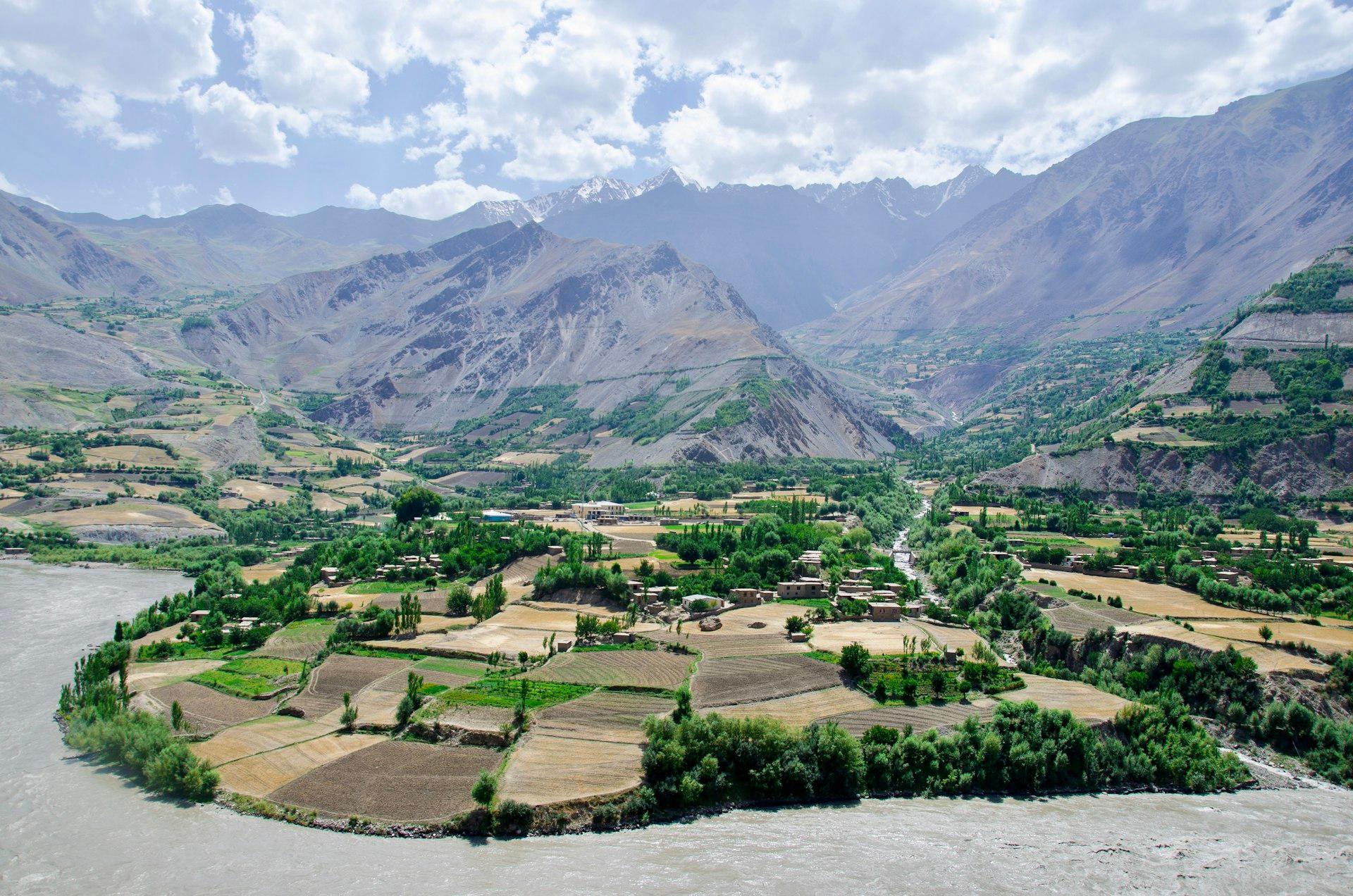
Afghanistan sits at the heart of Central Asia, bordered by six countries — Iran to the west, Pakistan to the east and south, Turkmenistan, Uzbekistan, and Tajikistan to the north, and China at the narrow Wakhan Corridor in the northeast. The country covers 652,230 sq km of dramatic terrain: the Hindu Kush mountain range dominates the centre, with peaks exceeding 7,000 m, while the northern plains, the Registan Desert in the south, and fertile river valleys along the Amu Darya and Helmand rivers define distinct geographic zones.
Cities Worth Exploring
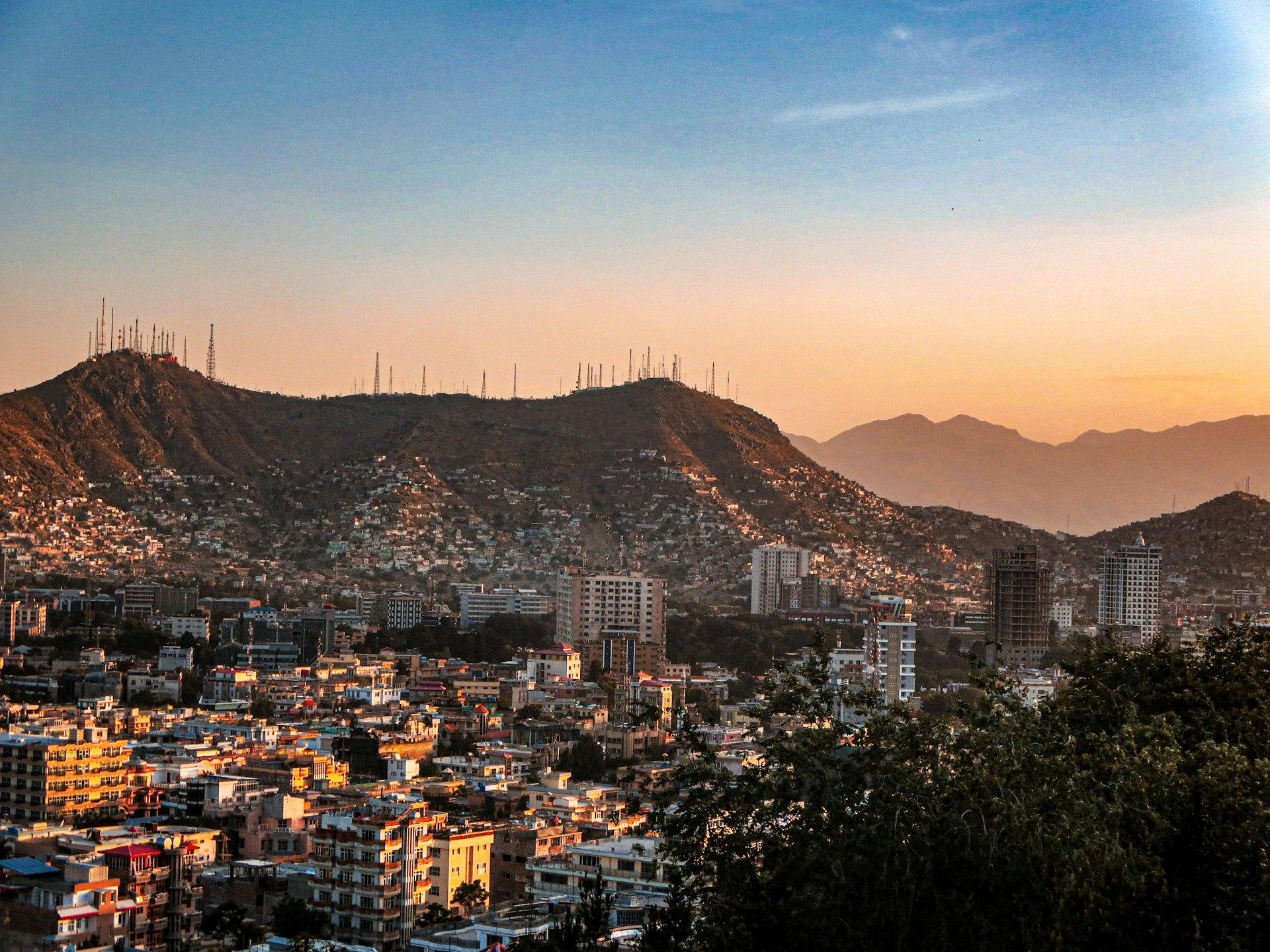
Kabul, the capital at 1,800 m elevation, is home to the Babur Gardens — laid out by the Mughal emperor Babur in the early 16th century — and the National Museum of Afghanistan, which holds Gandharan Buddhist sculpture and Bactrian Gold artefacts dating to the 1st century CE. Herat, in the northwest, preserves the 15th-century Herat Citadel and the Friday Mosque (Masjid-i-Jami), one of the oldest mosques in Central Asia. Mazar-i-Sharif, roughly 420 km north of Kabul, draws pilgrims to the Blue Mosque (Shrine of Hazrat Ali), a turquoise-tiled complex at the centre of the old city.
Historical and Cultural Depth
Afghanistan's territory formed part of the Achaemenid Persian Empire (6th century BCE), was conquered by Alexander the Great in 329 BCE, and became a corridor for Silk Road trade connecting China, India, and the Mediterranean. Bamiyan, a UNESCO-listed valley 240 km northwest of Kabul, contains the empty niches where the 6th-century giant Buddha statues stood before 2001. The valley also preserves cave dwellings painted with the earliest known oil paintings, dated to the 7th century CE. The Minaret of Jam in Ghor Province, a 12th-century Ghurid tower rising 65 m from a remote river gorge, is a UNESCO World Heritage Site.
When to Visit Afghanistan
The climate varies sharply by elevation. Kabul and the central highlands have cold winters (December–February, temperatures below −10 °C) and warm, dry summers (June–August, 30 °C). Spring (April–May) brings green valleys and mild temperatures across most regions. The north and west are accessible year-round at lower elevations. Nowruz, the Persian New Year on 21 March, is the country's largest public celebration, centred on Mazar-i-Sharif.
Practical Tips for Visiting Afghanistan
- Entry requirements: Most nationalities require a visa obtained in advance; check current requirements with the nearest Afghan embassy before travel.
- Security: Consult up-to-date travel advisories from national foreign ministries before planning any visit.
- Currency: The afghani (AFN) is the local currency; cash (USD widely accepted in cities) is essential as card infrastructure is limited.
- Getting around: Domestic flights connect Kabul, Herat, and Mazar-i-Sharif; road travel between cities can take 6–12 hours depending on route and conditions.
- Accommodation: Hotels range from guesthouses in Bamiyan to mid-range properties in Kabul's Wazir Akbar Khan district.
- Language: Dari and Pashto are the two official languages; Dari functions as the lingua franca in urban areas.
Frequently Asked Questions
Q: What is the capital of Afghanistan? A: Kabul is the capital and largest city, situated at 1,800 m above sea level in the eastern part of the country. It serves as the main hub for domestic flights and overland routes.
Q: What language is spoken in Afghanistan? A: Dari (Afghan Persian) and Pashto are both official languages. Dari is widely understood in cities and business settings across the country.
Q: What UNESCO World Heritage Sites are in Afghanistan? A: Afghanistan has two UNESCO World Heritage Sites: the Minaret of Jam in Ghor Province (inscribed 2002) and the Cultural Landscape and Archaeological Remains of the Bamiyan Valley (inscribed 2003).
Q: What currency is used in Afghanistan? A: The official currency is the afghani (AFN). US dollars are widely accepted in Kabul and other major cities, but carrying local currency is advisable for smaller towns.
Q: What is the best time of year to visit Kabul? A: April and May offer mild temperatures (15–22 °C) and green landscapes after winter snowmelt, making spring the most comfortable season for visiting Kabul and the central highlands.