Hotels in Algeria
1 cities · 1 hotels
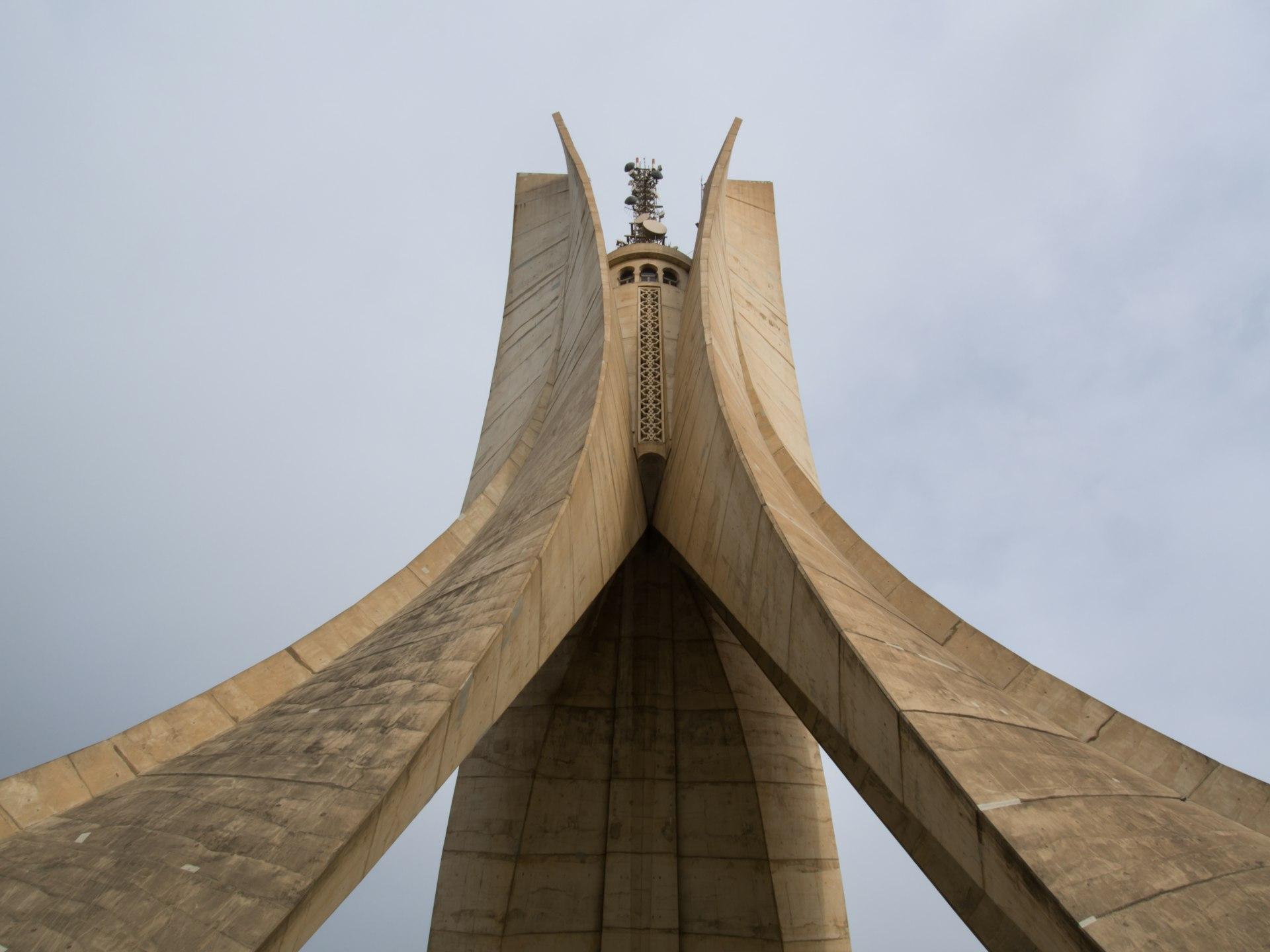
Photo by Jamil Kabar on Unsplash
Algeria: Sahara Dunes, Roman Ruins, and Mediterranean Coast
Algeria is Africa's largest country by area — 2.38 million km² stretching from the Mediterranean Sea in the north to the Ahaggar Mountains deep in the Sahara. The north concentrates most of the population across cities like Algiers, Oran, and Constantine, while the south opens into one of the world's largest sand seas, the Grand Erg Oriental. This geographic contrast defines Algeria's travel identity: Roman antiquity, Ottoman medinas, Berber highland culture, and Saharan wilderness within a single border.
Cities Worth Exploring
Algiers, the capital, climbs a hillside above the Bay of Algiers. Its UNESCO-listed Casbah — a dense Ottoman-era medina — sits above the French colonial waterfront boulevards of the lower city. Oran, 360 km west of Algiers, is Algeria's second-largest city and the historic home of raï music; the 17th-century Santa Cruz Fort overlooks the port from the Murdjadjo plateau. Constantine, 430 km east of Algiers, is built across deep gorges of the Rhumel River and connected by suspension bridges that make it one of North Africa's most dramatic urban settings. Tlemcen, near the Moroccan border, preserves some of the finest Andalusian-influenced Zianid architecture in the region, including the 12th-century Grand Mosque of Tlemcen.
Roman Heritage and Desert Landscapes
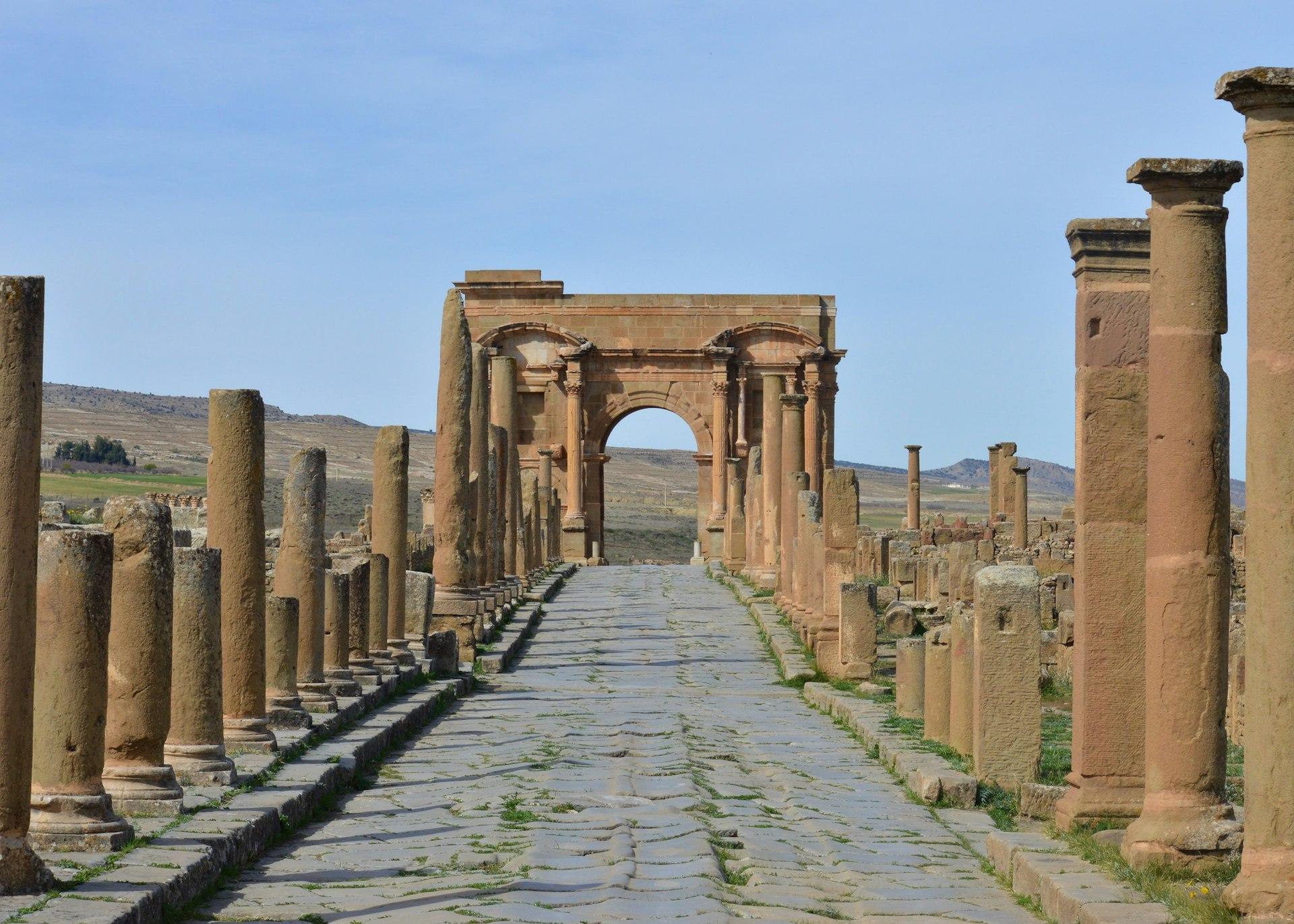
Algeria holds seven UNESCO World Heritage Sites. Timgad, founded by Emperor Trajan in 100 CE, is one of the best-preserved Roman colonial cities in the world — its grid of streets and triumphal arch survive largely intact in the Aurès Mountains. Djémila (ancient Cuicul), also Roman, sits at 900 m altitude and includes a well-preserved theatre and forum. In the far south, Tadrart Acacus (shared heritage with Libya) and the Tassili n'Ajjer plateau contain tens of thousands of prehistoric rock paintings dating back 12,000 years. The Erg Chebbi-equivalent dunes in Algeria rise near Tamanrasset, the gateway town for Saharan expeditions into the Ahaggar.
When to Visit Algeria
The Mediterranean north — Algiers, Oran, Annaba — is best visited from April to June or September to November, when temperatures sit between 18 °C and 28 °C. Summer (July–August) is hot and crowded on coastal beaches. The Saharan south is best from October to March; midday temperatures in Tamanrasset can exceed 40 °C from May through September. The Timgad International Festival, held each July in the Roman ruins, draws international jazz and world-music acts and is one of Algeria's largest cultural events.
Practical Tips for Visiting Algeria
- Visa: Most nationalities require a visa obtained in advance; apply at least four weeks before travel.
- Currency: The Algerian dinar (DZD) is the official currency; card acceptance is limited outside major hotels in Algiers and Oran.
- Getting around: Domestic flights connect Algiers to Tamanrasset (approx. 2,000 km south); intercity trains link Algiers, Oran, Constantine, and Annaba along the northern corridor.
- Language: Arabic and Tamazight (Berber) are official languages; French is widely understood in cities.
- Dress: Pack modest clothing, especially when visiting mosques or rural areas. Light layers are essential for Saharan nights, which drop sharply after sunset.
- Entry points: Houari Boumediene Airport (ALG) in Algiers handles most international arrivals.
Frequently Asked Questions
Q: What is the most visited city in Algeria for hotels? A: Algiers concentrates the largest share of international hotels, from business-class properties near the port to smaller guesthouses in the Casbah district. Oran is the second most active hotel market, particularly for visitors from Spain and France.
Q: Is Algeria safe for travelers in 2026? A: The northern cities — Algiers, Oran, Constantine — are generally considered safe for tourists with standard precautions. Border regions near Mali, Niger, and Libya carry higher risk; travelers should check current Foreign Ministry advisories before visiting the far south.
Q: How do visitors reach Tassili n'Ajjer National Park? A: Flights operate from Algiers to Djanet (approx. 2,500 km south), the nearest town to Tassili n'Ajjer. Guided four-wheel-drive expeditions are required inside the park; independent access to remote areas is not permitted.
Q: What currency should travelers carry in Algeria? A: Algerian dinars (DZD) are essential; exchange euros or US dollars at airport bureaux or major banks. ATMs in Algiers and Oran dispense dinars, but rural areas and southern towns operate almost entirely on cash.
Q: When does the Timgad Festival take place? A: The Timgad International Festival is held annually in July within the Roman ruins of Timgad, approximately 35 km from Batna. It typically runs for one week and features international and North African musical acts.