Hotels in Austria
7 cities · 127 hotels
Photo by rashid khreiss on Unsplash
Austria: Alpine Passes, Imperial Capitals and Lakeside Valleys
Austria sits at the heart of Central Europe, bordered by eight countries across a territory of 83,871 km². The country divides naturally into three zones: the Eastern Alps, which cover roughly 62% of the land; the Danubian lowlands stretching from Linz to the Slovak border; and the foothills of the Pannonian Plain in Burgenland. The Grossglockner, at 3,798 m, is the highest peak. That vertical relief — from valley floors under 200 m to glaciated summits — means travelers can move from Baroque city squares to snowfields within two hours.
Cities Worth Exploring
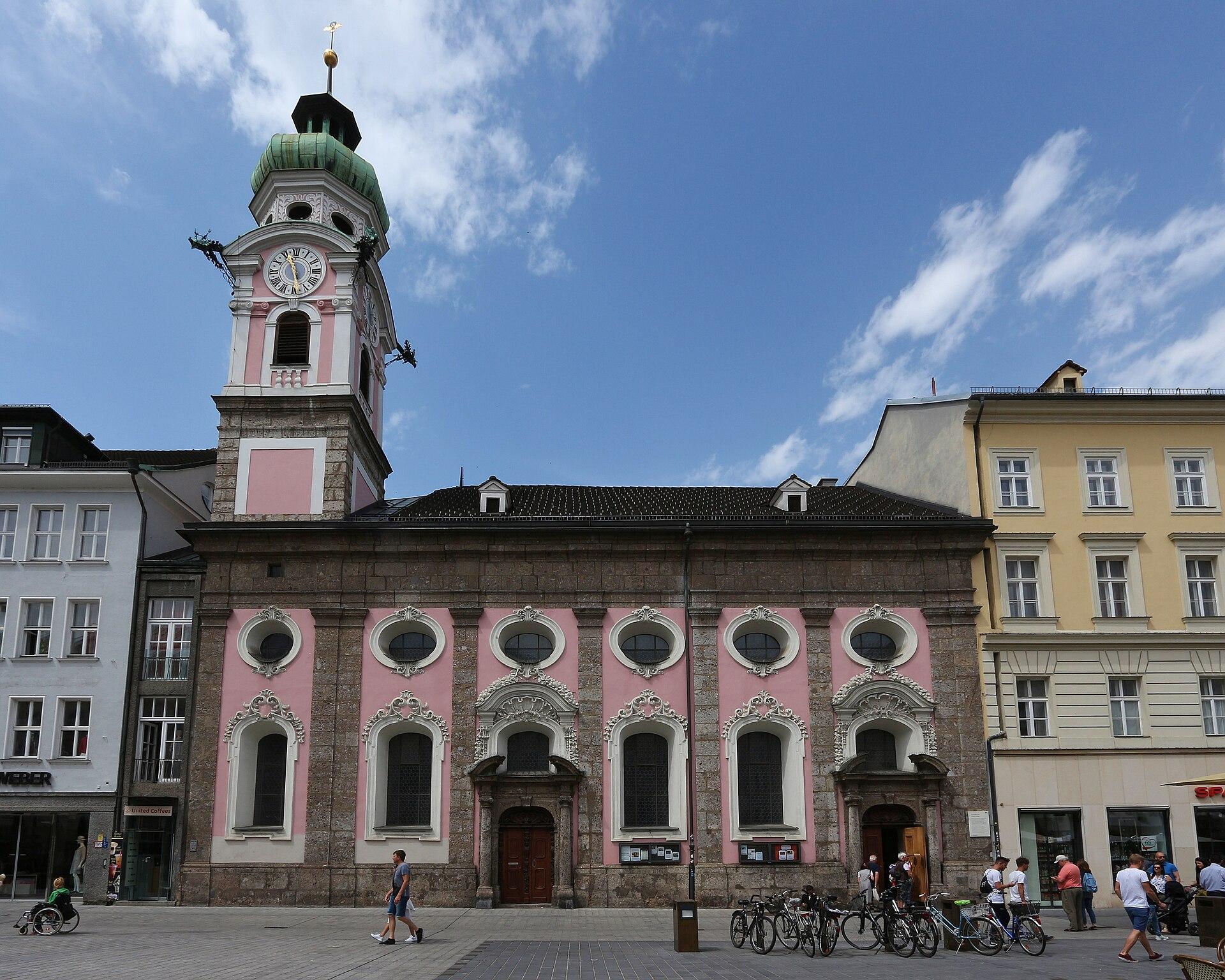
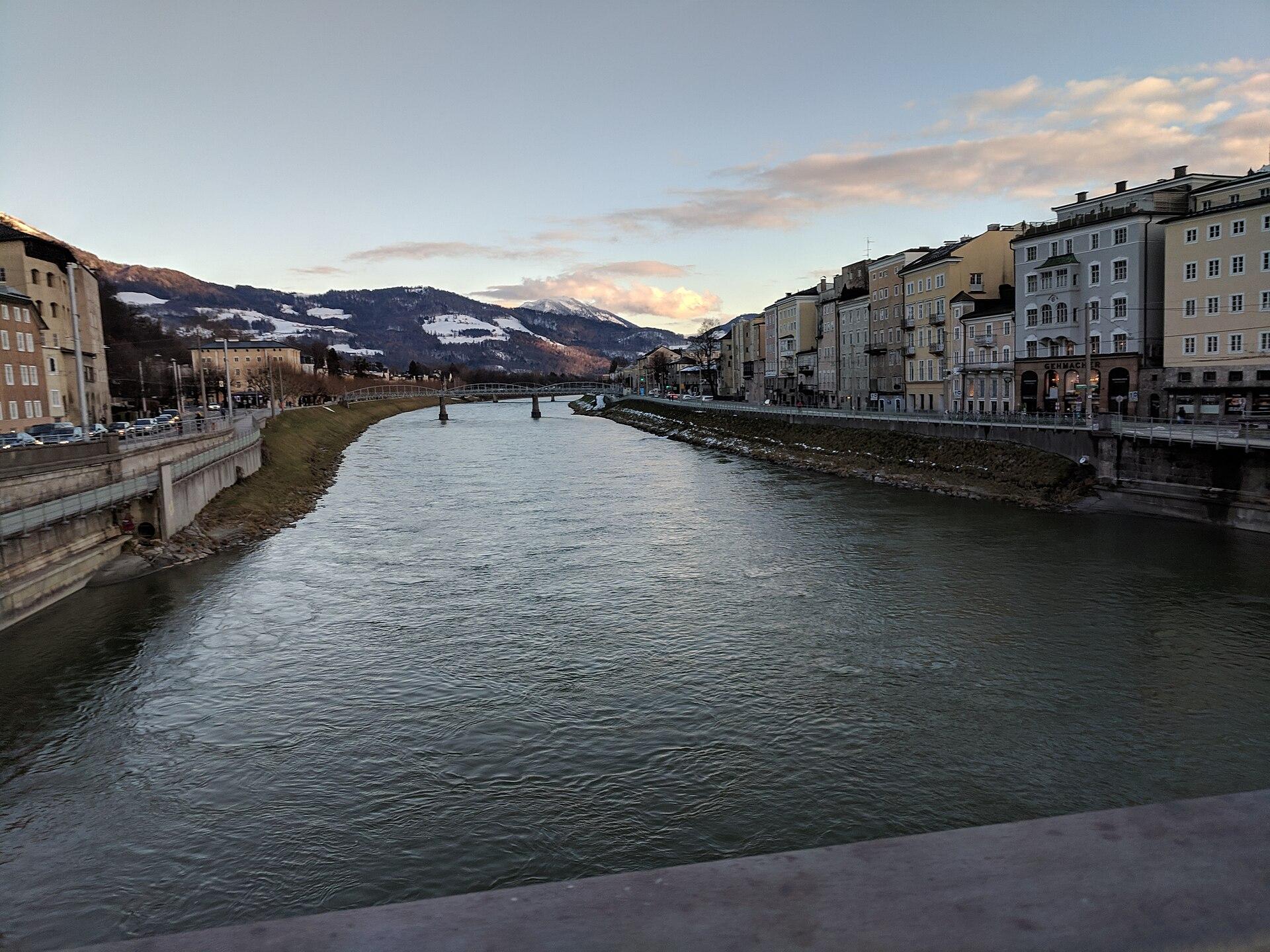
Vienna, the federal capital on the Danube at 156 m elevation, anchors Austria's hotel market with more than 700 properties ranging from design hotels in the 7th Bezirk (Neubau) to grand hotels along the Ringstraße. The Kunsthistorisches Museum, opened in 1891, and the Vienna State Opera, dating to 1869, draw over 12 million visitors annually. Salzburg, 295 km west of Vienna, was the birthplace of Wolfgang Amadeus Mozart in 1756; its Getreidegasse and Hohensalzburg Fortress (built 1077) define the Altstadt, a UNESCO World Heritage Site since 1997. Innsbruck in Tyrol, at 574 m altitude, hosted the Winter Olympics in 1964 and 1976 and sits 95 km from the Italian border, making it a gateway to the Brenner corridor.
Lake Districts and Alpine Regions
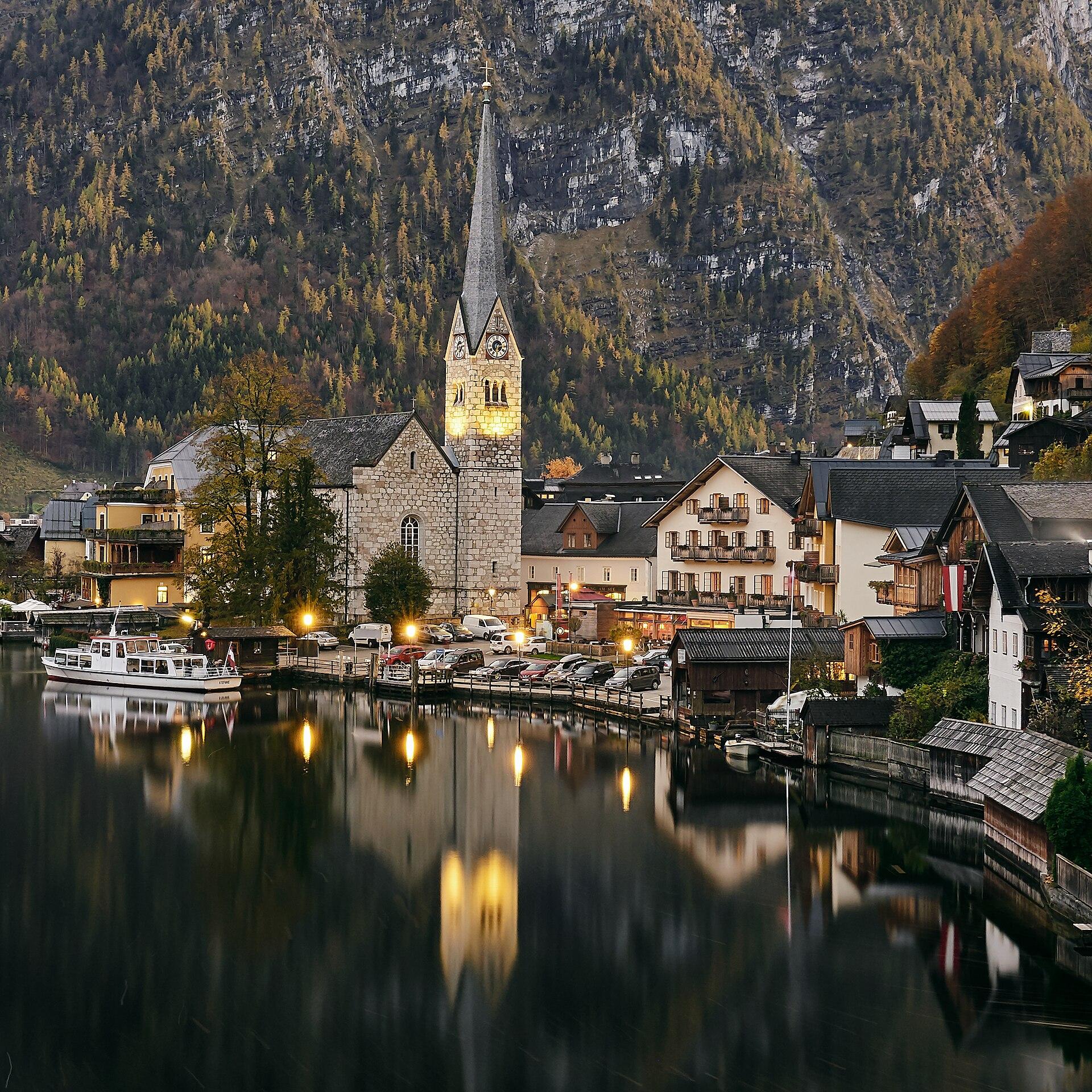
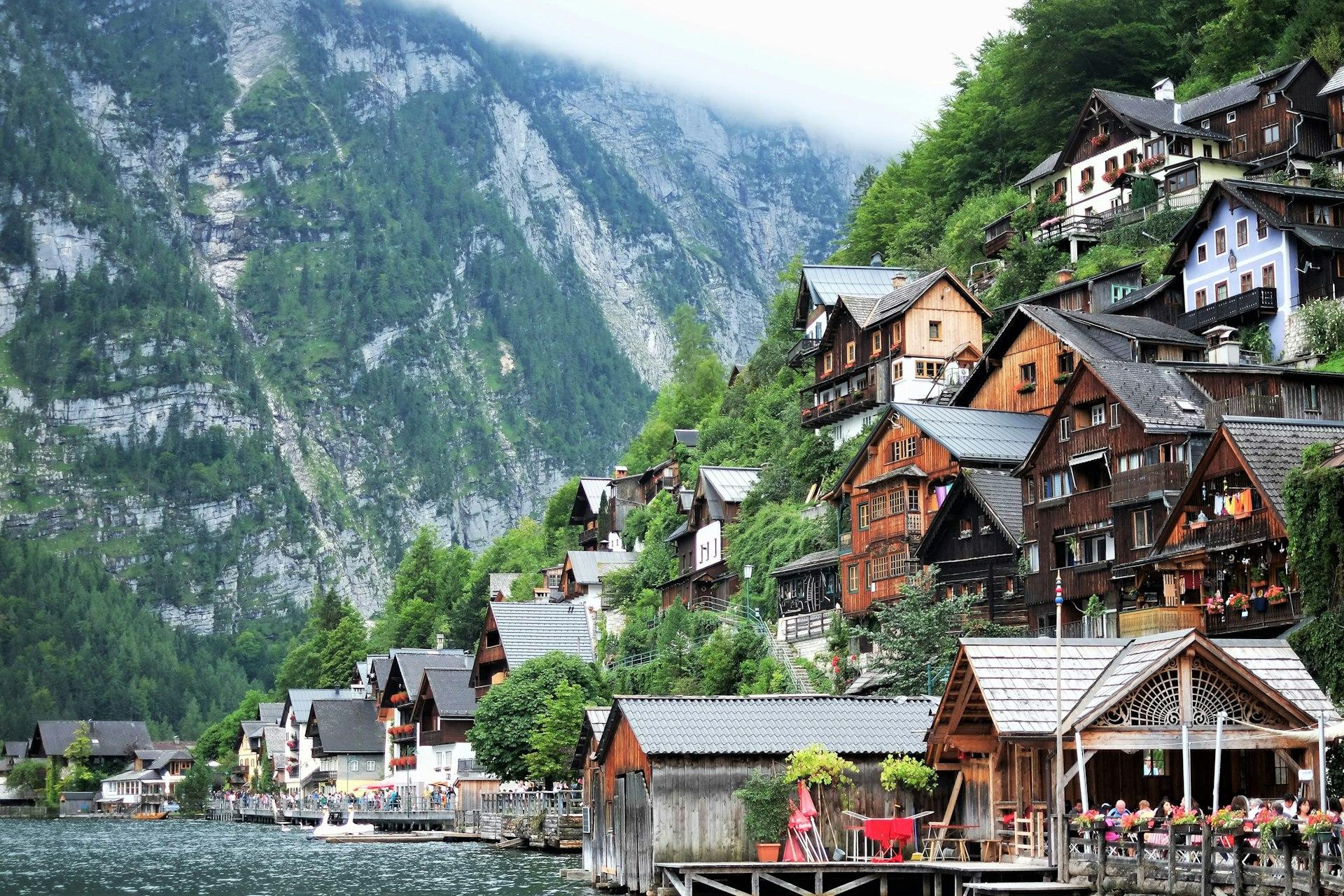
The Salzkammergut lake district, east of Salzburg, holds 76 lakes including Hallstätter See (8.6 km long) and Wolfgangsee. The village of Hallstatt occupies a narrow shelf between cliff and lake at 511 m and gave its name to the Iron Age Hallstatt culture (800–450 BC). Further west, Vorarlberg borders Lake Constance (Bodensee) and the Swiss Rhine; the regional capital Bregenz hosts the Bregenz Festival each July–August on a floating lake stage. Carinthia in the south edges Wörthersee, whose water temperature reaches 28 °C in July, the warmest large lake in the Alps.
When to Visit Austria
Austria has four distinct travel seasons. December through March draws skiers to Kitzbühel, St. Anton am Arlberg, and the Zillertal resorts; the Hahnenkamm downhill race at Kitzbühel, held annually in January, is one of the most watched events in alpine skiing. April and May offer lower hotel rates and the onset of cycling season on the EuroVelo 6 Danube route. June through August fills the Salzkammergut and Wachau Valley vineyards — the Wachau between Krems and Melk is a UNESCO Cultural Landscape. September and October bring harvest festivals in Burgenland's wine villages and uncrowded city streets.
Practical Tips for Visiting Austria
- Getting around: The ÖBB rail network links Vienna, Salzburg, Innsbruck, and Graz with hourly Railjet services; Vienna to Salzburg takes 2 h 27 min.
- Currency: Euro (EUR); ATMs widely available, though smaller alpine huts operate cash-only.
- Language: German is official; English is widely spoken in hotels and transport hubs.
- Altitude: Pack layers for mountain excursions — temperatures drop approximately 6 °C per 1,000 m gain.
- Museum passes: The Vienna City Card covers U-Bahn, tram, and bus plus museum discounts for 24–72 hours.
- Book ahead: Hotel availability in Salzburg during the Salzburg Festival (late July–August) tightens six months in advance.
Frequently Asked Questions
Q: What is the best base city for an Austria rail trip? A: Vienna connects to all major Austrian cities without a transfer. Railjet trains reach Salzburg in under 2.5 hours and Innsbruck in 4 hours, making it the most efficient hub for multi-city itineraries.
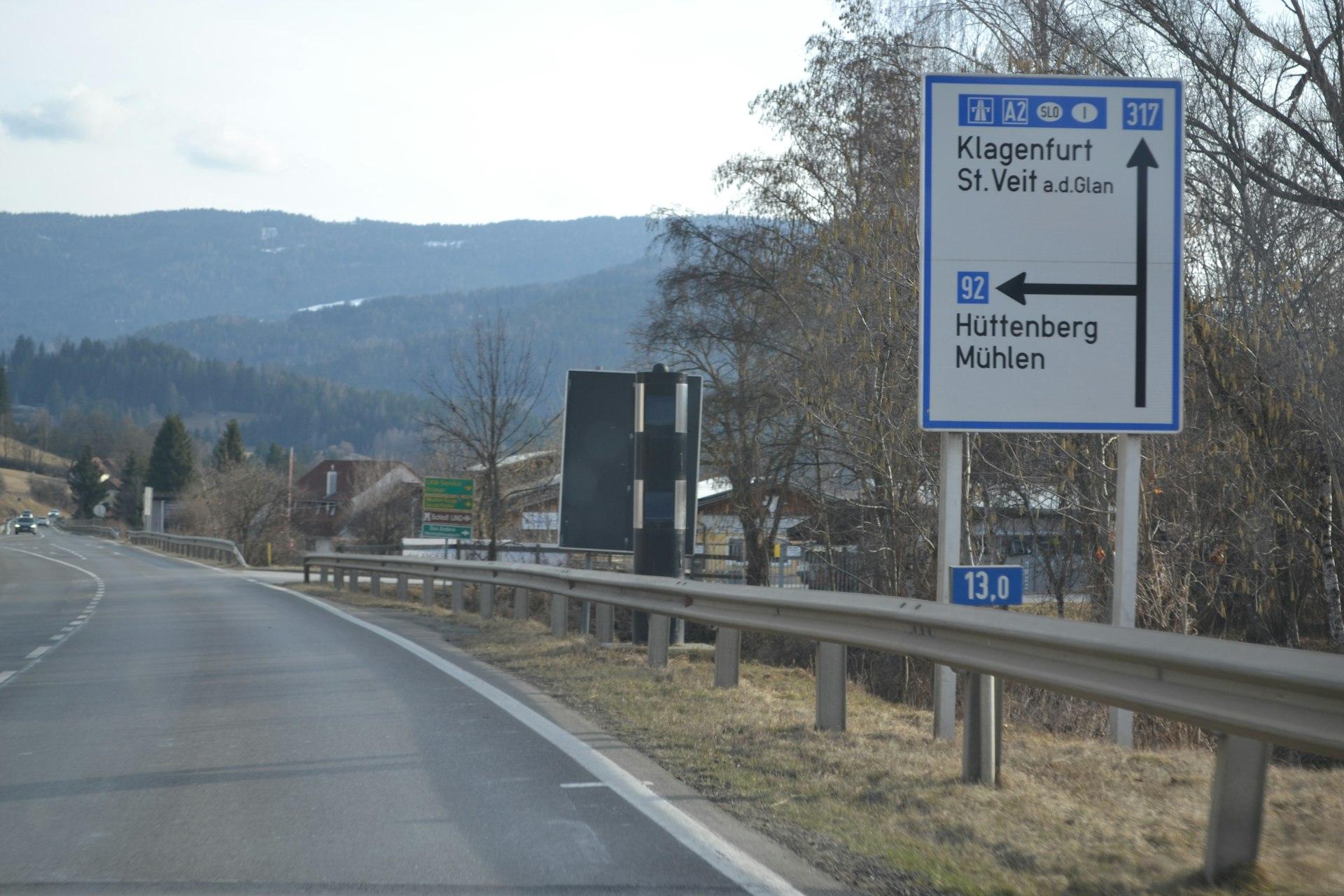
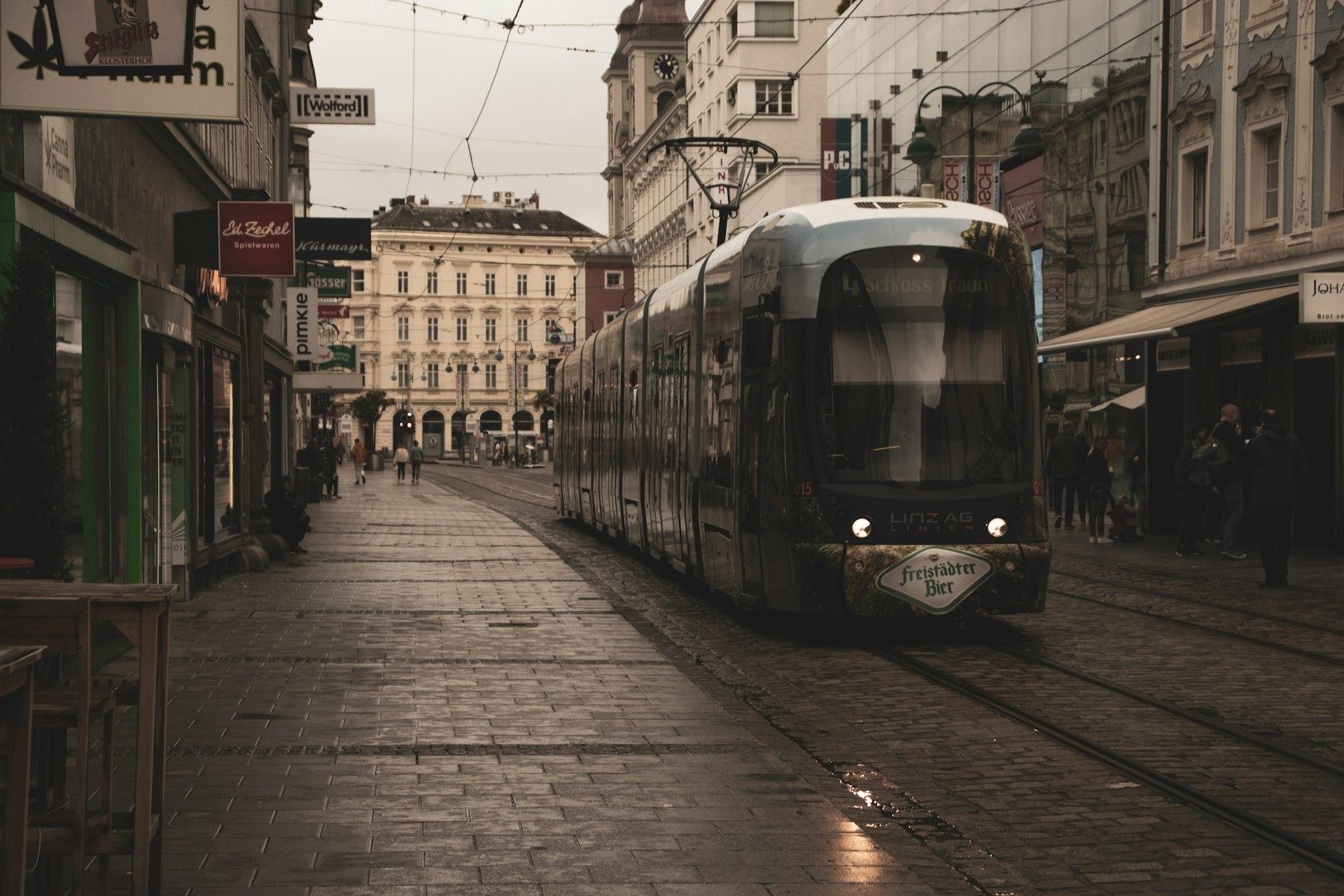
Q: Is Austria expensive for travelers? A: Mid-range hotels in Vienna average €120–€180 per night; Salzburg runs slightly higher during festival season. Smaller cities like Linz and Klagenfurt offer comparable quality at 20–30% lower rates.
Q: Which region suits summer hiking? A: Tyrol and the Hohe Tauern National Park (1,856 km²) offer marked trail networks above 2,000 m. The park's Grossglockner High Alpine Road, open May–November, reaches 2,504 m at the Hochtor tunnel.
Q: When does ski season open in Austria? A: High-altitude resorts like Hintertux Glacier in the Zillertal operate year-round. Most alpine ski areas open in late November and close by mid-April, with peak conditions typically in January and February.
Q: Do Austrian hotels include breakfast? A: Many 3-star and 4-star hotels include a buffet breakfast; confirm at booking as policies vary. Direct booking often unlocks breakfast inclusion not available through third-party platforms.