Hotels in Belgium
6 cities · 56 hotels
Belgium: Medieval Grandeur, Art Cities, and a Coast Within 90 Minutes
Belgium occupies 30,688 km² at the crossroads of Western Europe, bordered by France, Germany, Luxembourg, and the Netherlands. Despite its compact size, the country divides into three linguistically distinct regions: Dutch-speaking Flanders in the north, French-speaking Wallonia in the south, and bilingual Brussels, the federal capital and seat of EU institutions. That layered identity shapes architecture, food, and the hotel market in ways no single-language country can replicate.
Cities Worth Exploring
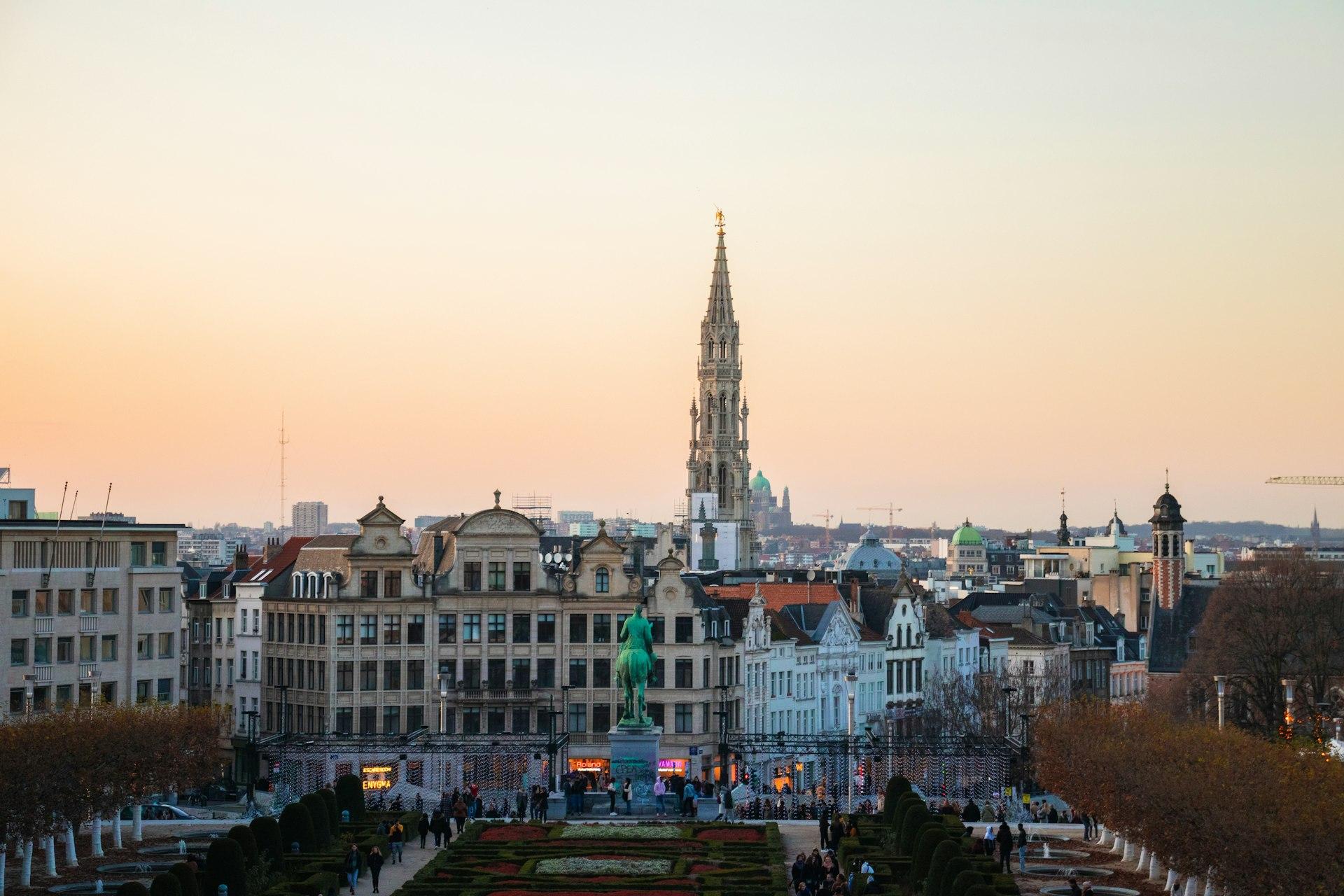
Brussels anchors Belgium's hotel supply, with properties clustering around the Grand-Place — a 17th-century guild-hall square — and along the Ixelles and Saint-Gilles art-nouveau corridors south of the centre. The city holds 19 communes, so location matters: staying near Schuman suits EU-quarter meetings, while Sainte-Catherine places guests within walking distance of the fish-market restaurants on Quai aux Briques.
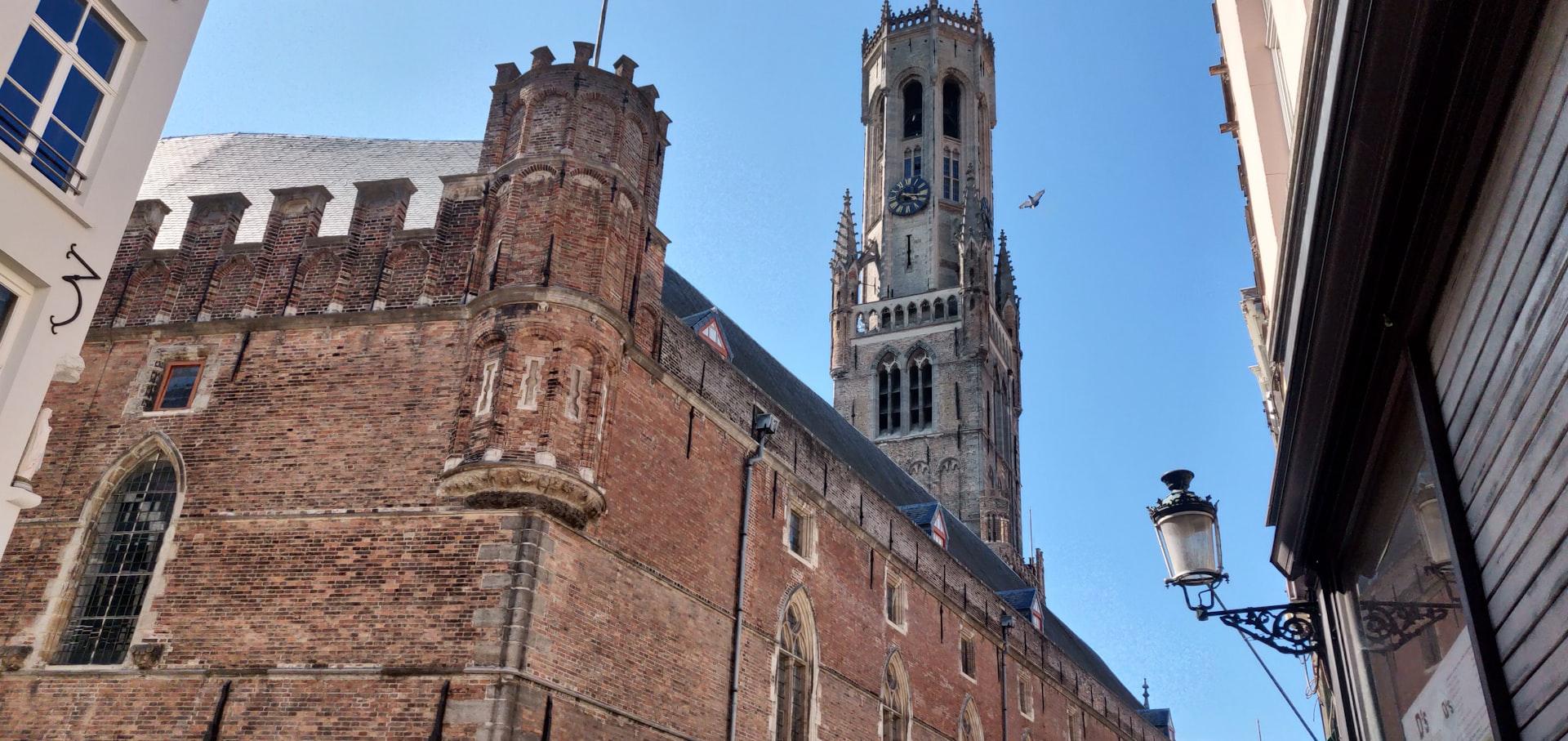
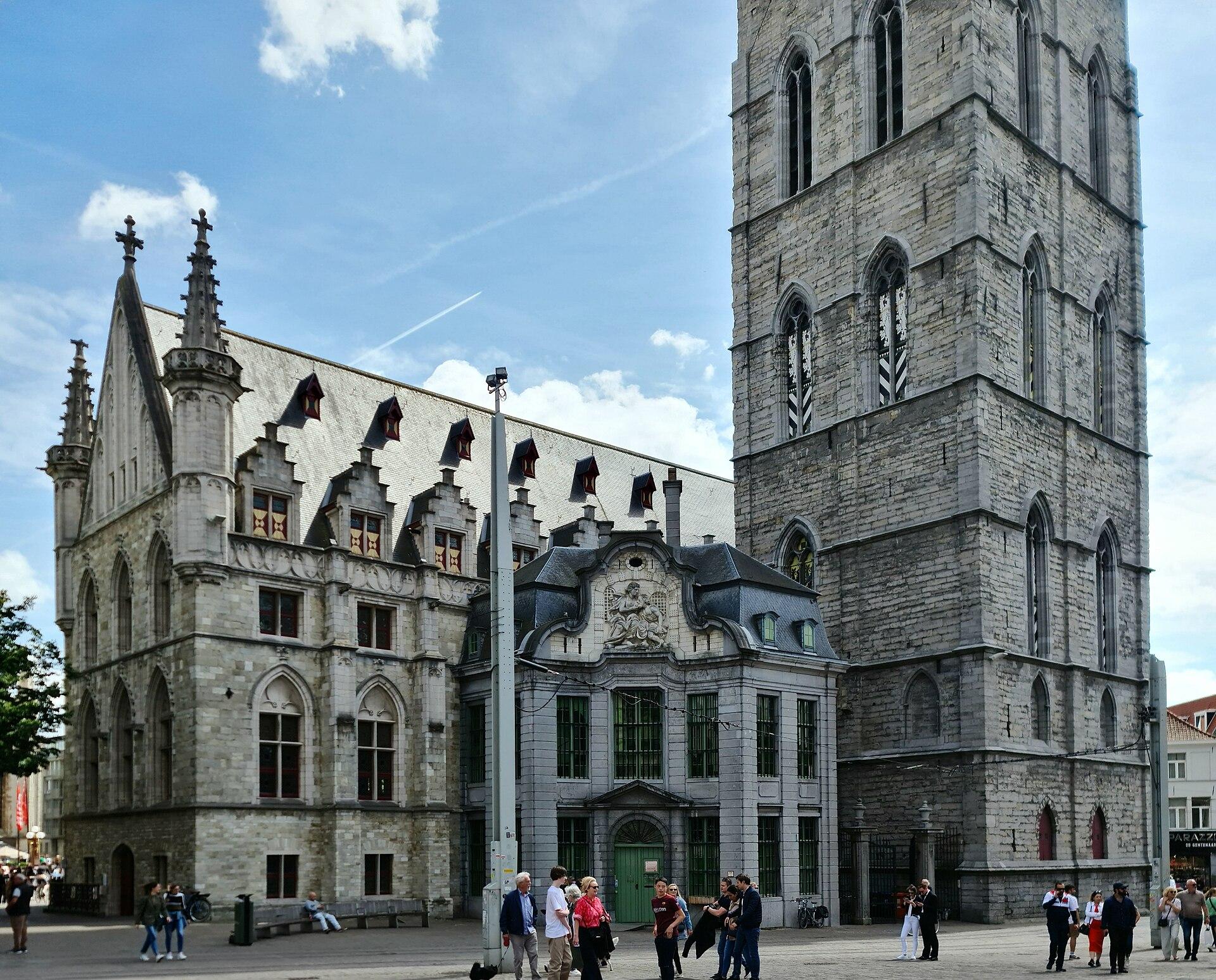
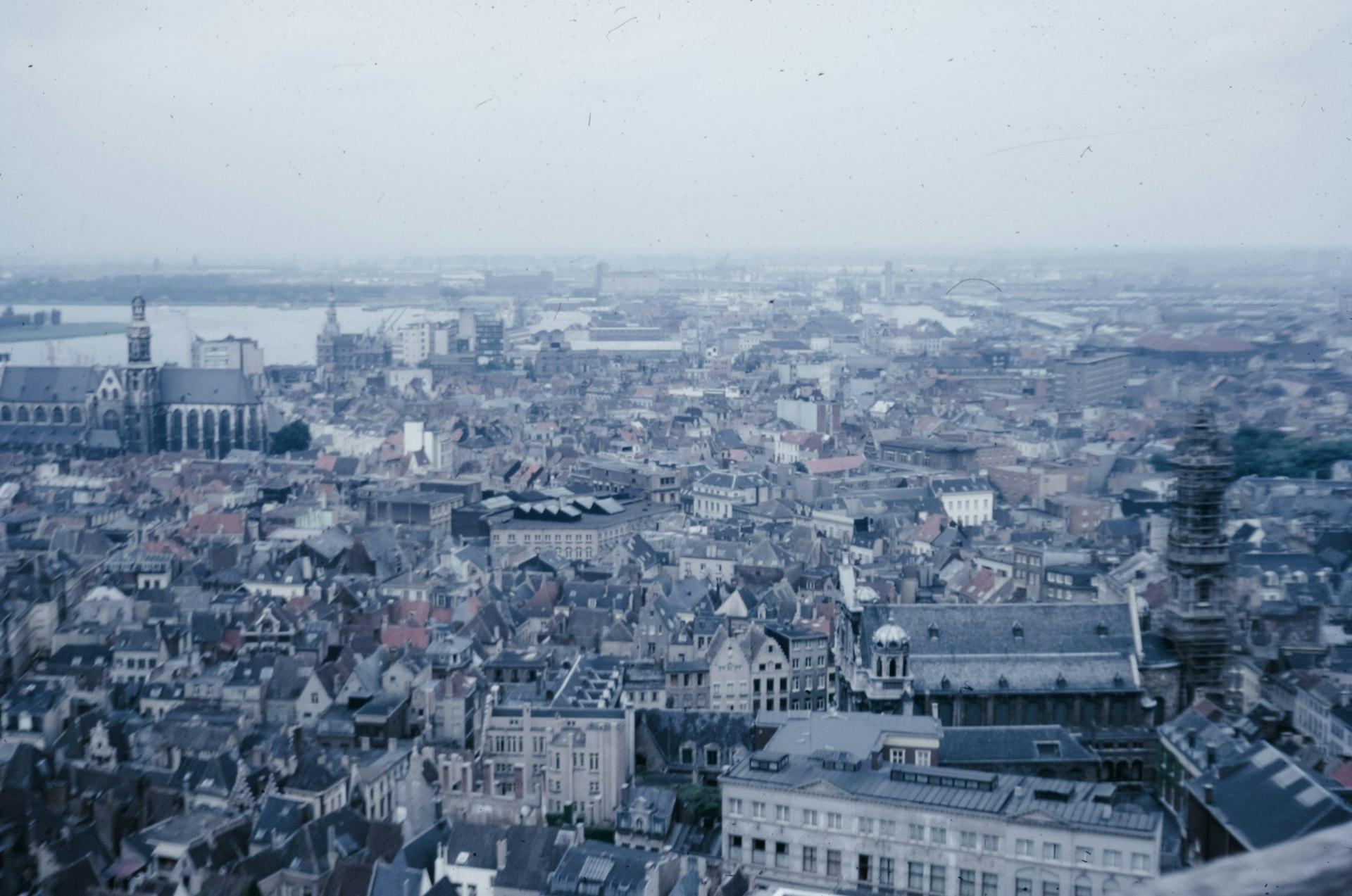
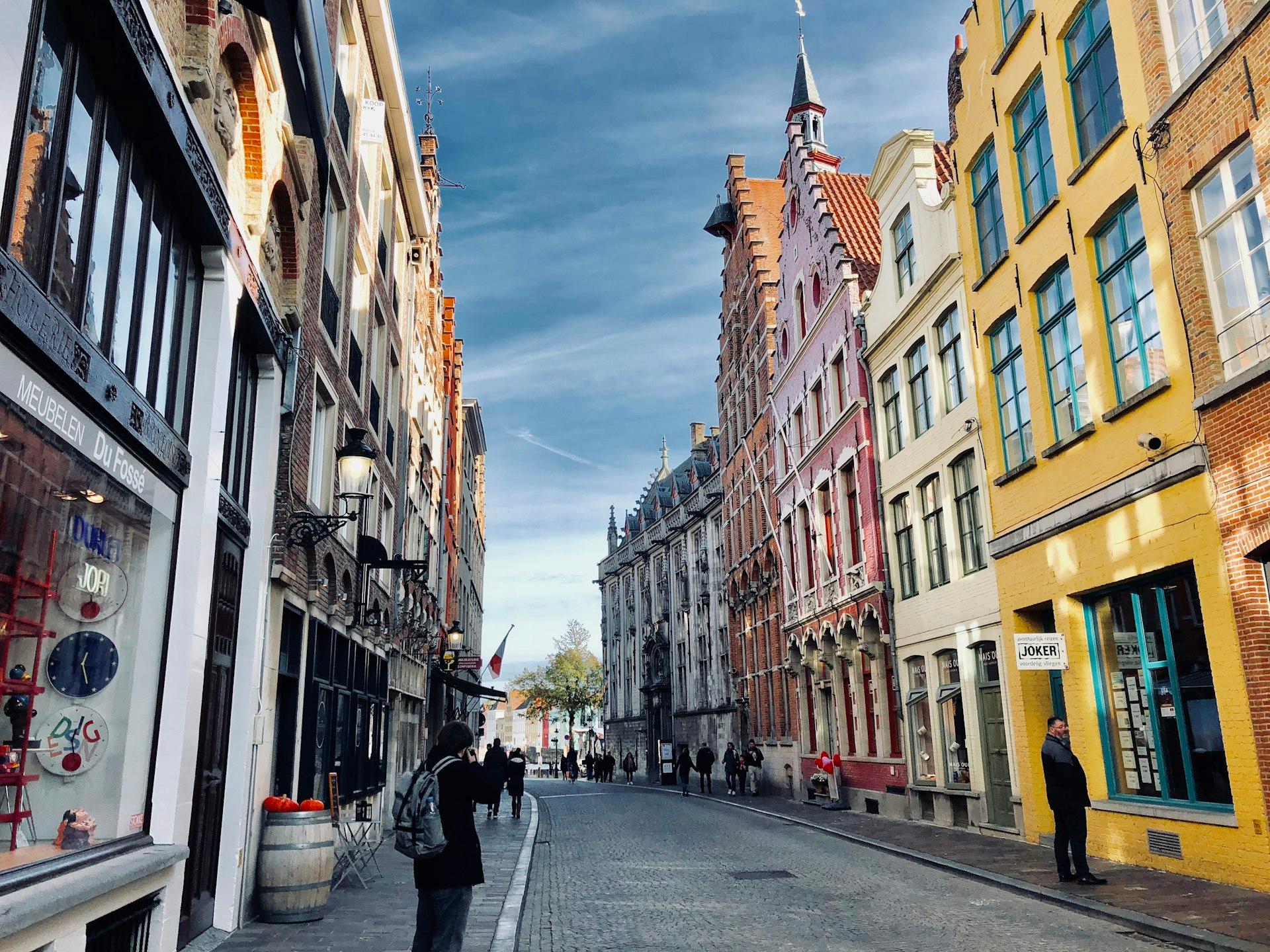
Bruges (population 118,000) draws visitors to its intact medieval canal network and the Groeningemuseum, which holds Jan van Eyck's Madonna with Canon van der Paele (1436). Ghent, 55 km east of Bruges, pairs the Gravensteen castle (built 1180) with a dense bar district along Vrijdagmarkt that runs well past midnight. Antwerp, Belgium's second city, hosts the Rubenshuis and a diamond quarter responsible for roughly 80 % of the world's rough-diamond trade.
Wallonia and the Ardennes
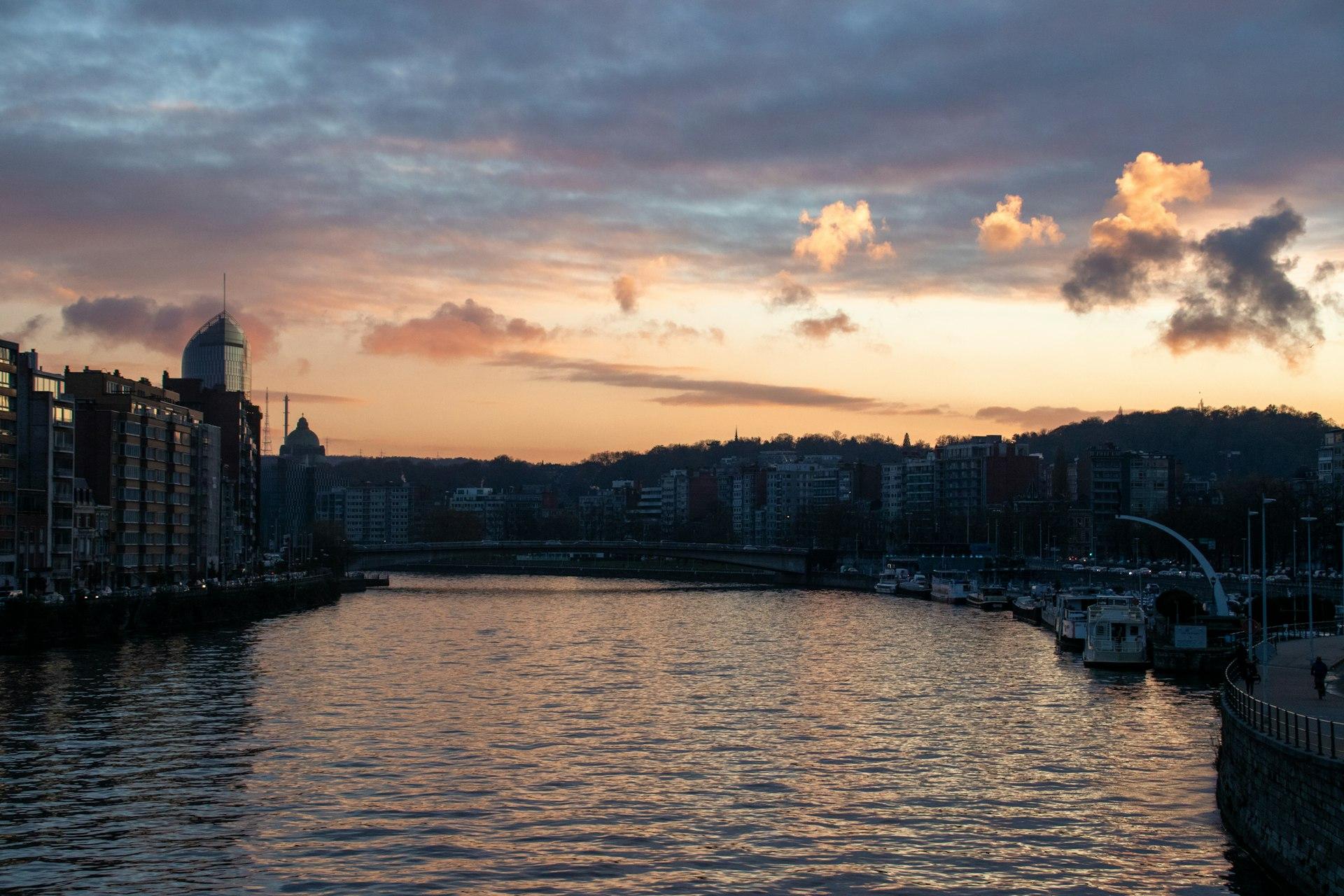
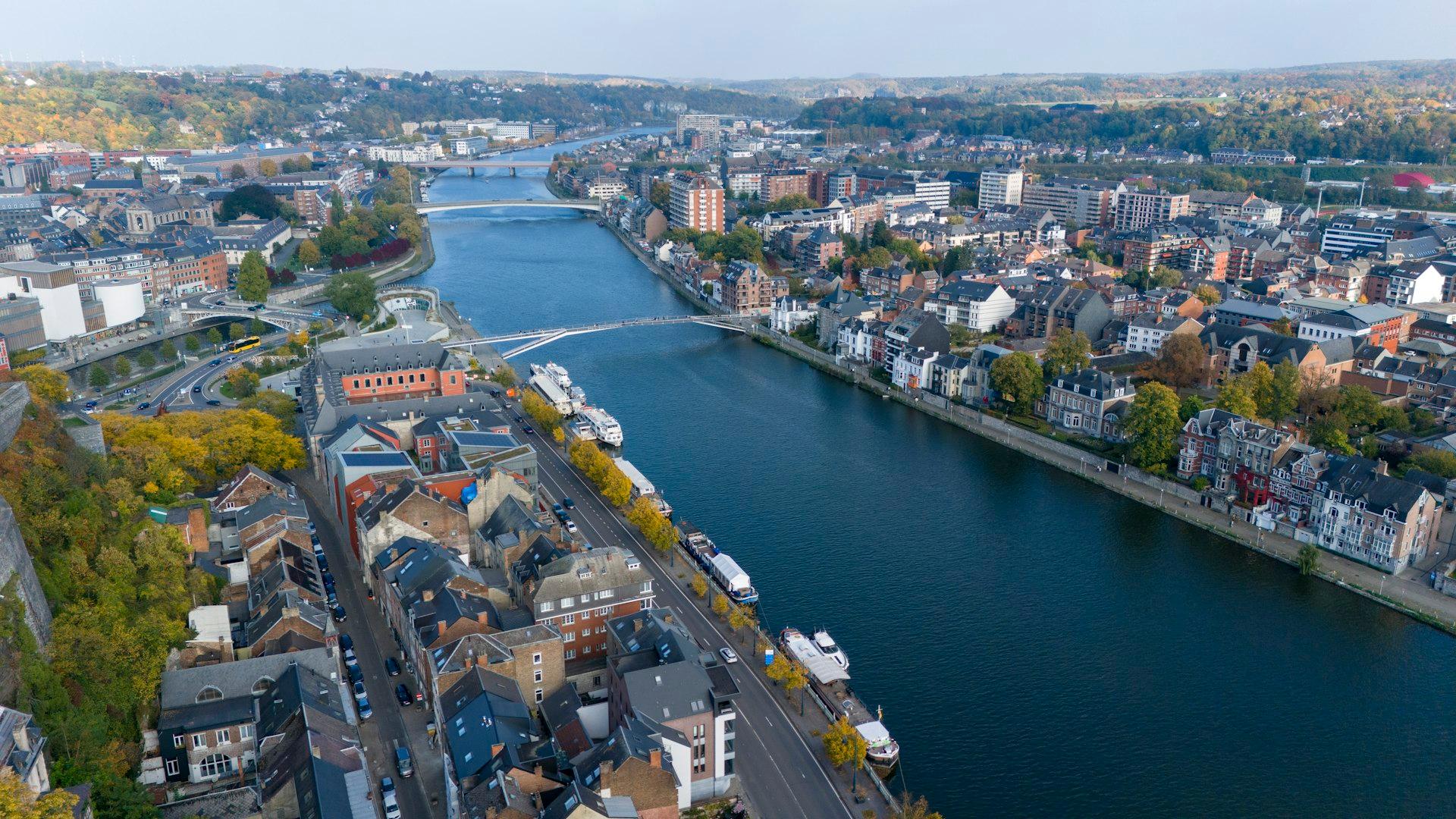
South of the linguistic border, Wallonia offers a contrasting geography. The Ardennes plateau rises to 694 m at the Signal de Botrange, Belgium's highest point, and covers river valleys carved by the Ourthe and Semois. Liège serves as the regional hub, 97 km southeast of Brussels by rail, with a baroque Prince-Bishops' Palace and the Carré nightlife quarter. Dinant, on the Meuse, is the birthplace of Adolphe Sax (inventor of the saxophone, 1814) and a useful base for kayaking the river between limestone cliffs.
The Belgian Coast runs 67 km from De Panne in the west to Knokke-Heist in the east — the shortest national coastline in the EU. The coastal tram (Kusttram) connects all 15 resorts in about 130 minutes, making a same-day hotel hop between dune-backed Oostende and the upmarket villas of Knokke straightforward.
Practical Tips for Visiting Belgium
- Getting around: The nmbs rail network connects Brussels, Bruges, Ghent, and Antwerp with trains every 30 minutes; single intercity fares rarely exceed €15.
- When to visit: April–June and September–October offer mild temperatures (14–20 °C) and shorter queues at Bruges' canal-boat operators.
- Beer and food: Belgium counts over 1,500 registered beer labels; Trappist breweries including Westvleteren and Orval operate in Wallonia. Frites stalls (friteries) remain the street-food benchmark, not a tourist novelty.
- Currency: Euro (€). Most hotels accept cards, but smaller Ardennes guesthouses often prefer cash.
- Language: Confirm the region before booking — hotel staff in Bruges operate in Dutch, those in Namur in French; Brussels switches between both.
Frequently Asked Questions
Q: What is the best base for visiting both Bruges and Ghent? A: Ghent sits on the direct Brussels–Bruges rail line, making it a practical midpoint. Bruges is 30 minutes west by train, Brussels 32 minutes east.
Q: How far is Brussels airport from the city centre? A: Brussels Airport (BRU) in Zaventem is 14 km northeast of the Grand-Place. The Airport Express train reaches Brussels-Central in 17 minutes and runs every 15 minutes.
Q: Is the Ardennes accessible without a car? A: Rail reaches Liège and Namur easily, but the deeper Ardennes valleys around La Roche-en-Ardenne require a bus or rental car for the final leg.
Q: When does the Ghent Festivities (Gentse Feesten) take place? A: The festival runs for ten days each July, typically starting the third Saturday. Hotels in Ghent book out months in advance during that window.
Q: Are there budget hotel options outside Brussels? A: Liège and Charleroi offer the lowest average hotel rates in the country, with 3-star properties regularly available under €80 per night outside event weekends.