Hotels in Bermuda
1 cities · 2 hotels
Bermuda: Pink Sand, British Roots, and the Atlantic's Mid-Ocean Crossroads
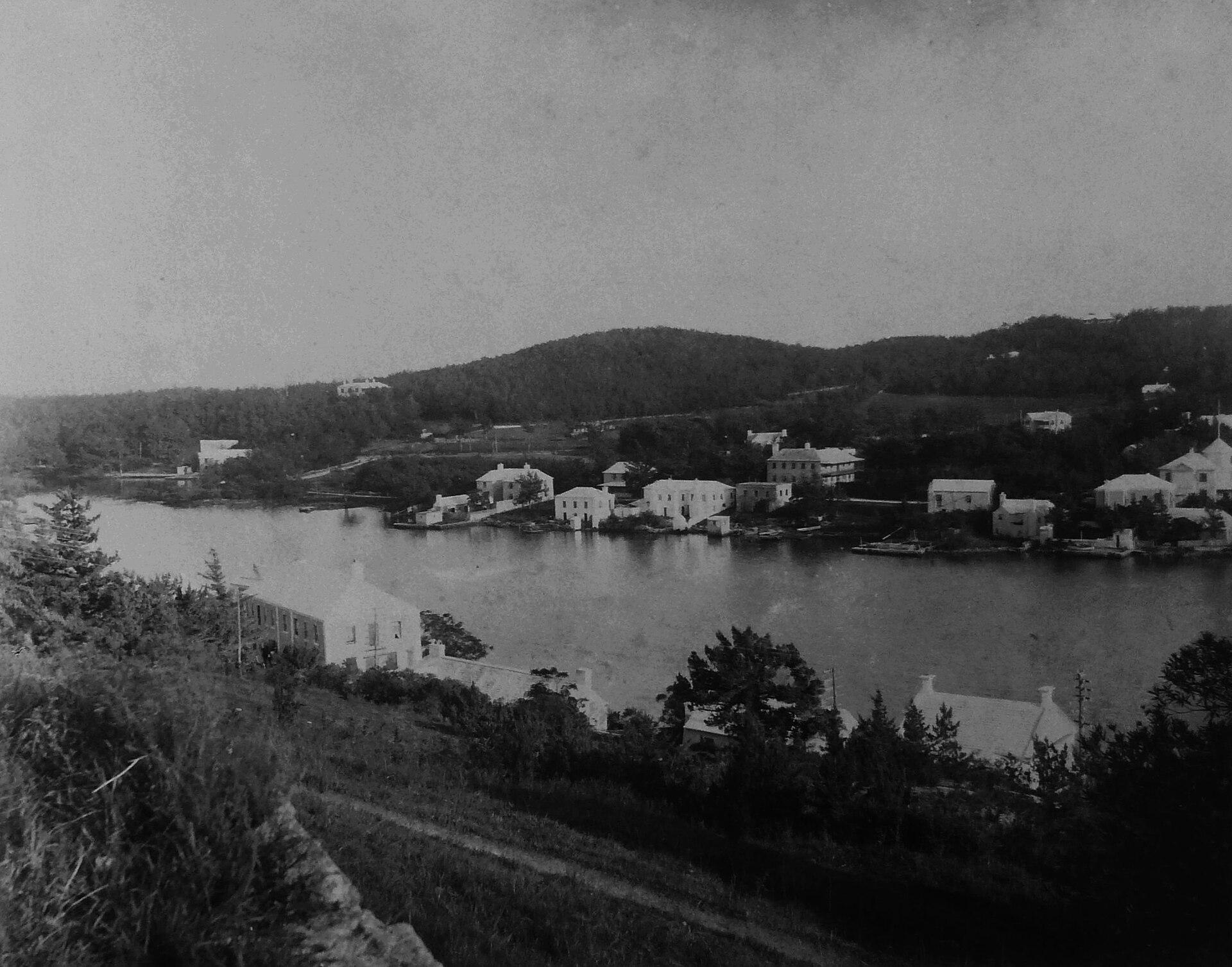
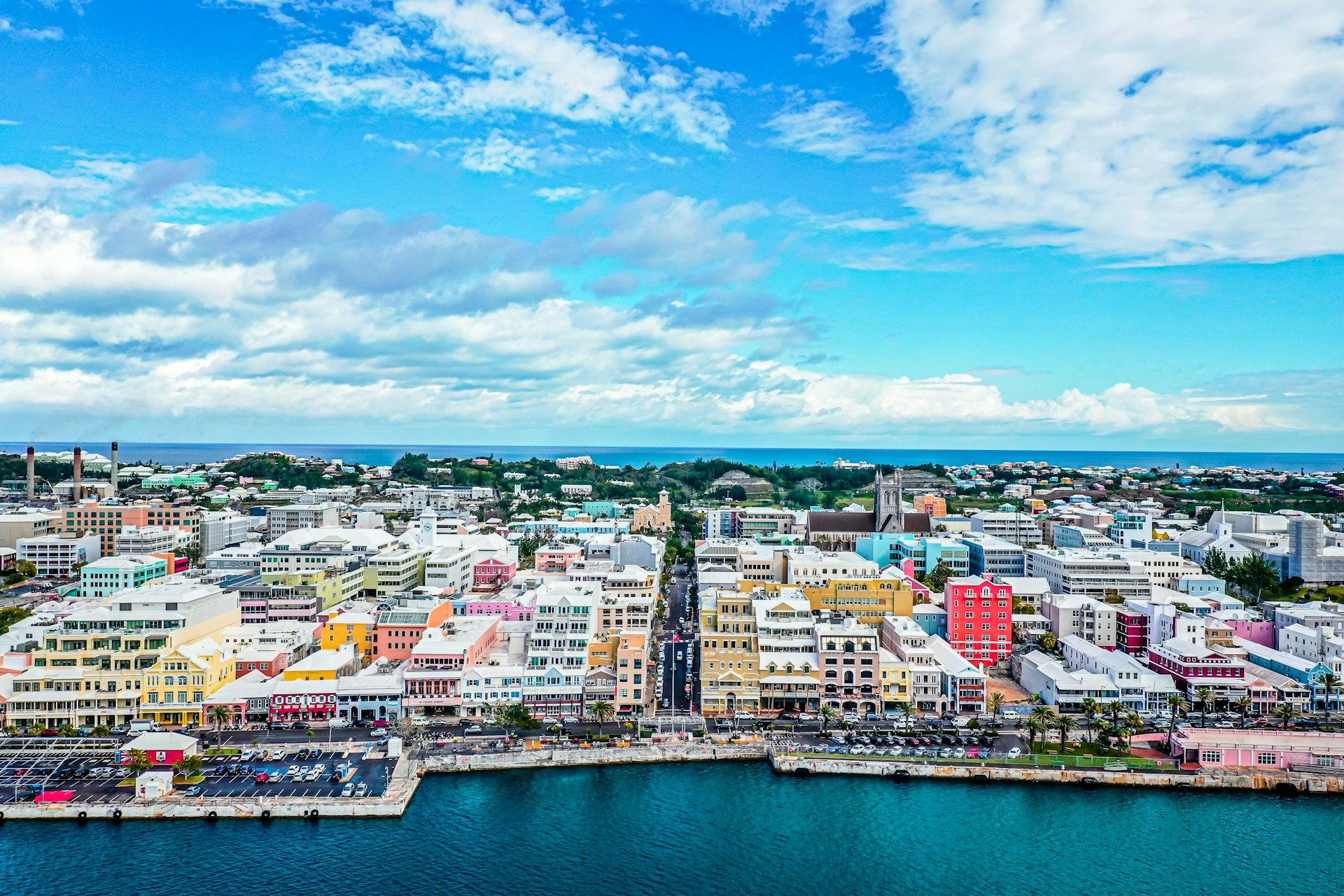
Bermuda sits roughly 1,070 kilometres east of Cape Hatteras, North Carolina — closer to Canada than the Caribbean, yet warmed by the Gulf Stream to average 21 °C in winter. The territory is not one island but a chain of about 181 islands and islets connected by bridges and causeways, spanning barely 34 square kilometres in total land area. Settled by the British in 1612, Bermuda is the oldest self-governing British Overseas Territory and carries that heritage in its pastel-coloured limestone architecture, cricket grounds, and afternoon tea traditions still observed in Hamilton.
Cities and Parishes Worth Exploring
Hamilton, the capital, occupies the central north shore and is home to most of the territory's commerce, dining, and ferry connections. Front Street runs along the harbour and lines up cruise ships against Georgian storefronts. St. George's, at the island's eastern tip, was the original colonial capital founded in 1612 and is a UNESCO World Heritage Site; its narrow lanes and St. Peter's Church — the oldest Anglican church in continuous use in the Western Hemisphere — draw history-focused visitors. Southampton Parish on the south shore gives access to Horseshoe Bay, whose iron-oxide sand produces the pink colouration Bermuda is associated with, and whose sheltered water is calm enough for families.
What Travelers Come For
Scuba divers target Bermuda's reef system and more than 300 documented shipwrecks, including the 1943 Montana and the 17th-century Sea Venture, whose survivors inspired Shakespeare's The Tempest. Golfers book courses like Mid Ocean Club in Tucker's Town, designed by Charles Blair Macdonald in 1921 and consistently ranked among the Atlantic's most demanding layouts. Road cyclists and moped riders follow the Railway Trail, a 35-kilometre former rail corridor converted into a car-free path that runs the length of the island through cedar and oleander.
When to Visit Bermuda
The shoulder months of April–May and October–November balance mild temperatures (18–24 °C) with lower hotel rates and thinner crowds. The Bermuda Triangle Challenge road race runs each January. Hurricane season runs June through November, with peak risk in August and September; most significant storms track west of the territory, but travel insurance is advisable in that window. Winter (December–March) sees cooler ocean temperatures around 18 °C — too cold for many swimmers but comfortable for hiking, cycling, and golf.
Practical Tips for Visiting Bermuda
- Getting around: Private car hire is not available to tourists; mopeds, electric bikes, and taxis are the main options. The ferry network between Hamilton, Dockyard, and St. George's is faster than road travel during cruise-ship days.
- Currency: The Bermuda dollar is pegged 1:1 to the US dollar; both circulate freely.
- Entry: Visitors from most countries require a valid passport; no visa is required for stays under 90 days for US, UK, and EU nationals.
- Pack: A light layer for evenings year-round; the breeze off the Atlantic cools quickly after sunset even in summer.
- Book early: The Royal Naval Dockyard area and south-shore hotels fill six to eight weeks ahead during the April–June peak.
Frequently Asked Questions
Q: How many hotels are in Bermuda? A: Bermuda has roughly 30–50 licensed hotel and resort properties ranging from large beachfront resorts in Southampton to boutique guesthouses in Hamilton. Availability is tight island-wide; direct booking through hotel websites often yields better rates than third-party platforms.
Q: Is Bermuda part of the Caribbean? A: No. Bermuda is a British Overseas Territory in the North Atlantic Ocean, geographically separate from the Caribbean archipelago. It sits about 1,800 kilometres north of most Caribbean islands.
Q: What is the best area to stay in Bermuda? A: Southampton Parish suits beach-focused visitors with proximity to Horseshoe Bay. Hamilton is ideal for business travellers and those relying on ferry connections. St. George's appeals to travellers prioritising heritage sites and a quieter pace.
Q: Do I need a car in Bermuda? A: Tourists cannot rent cars. Mopeds and electric bikes are widely available and are the most flexible option. The public bus and ferry network covers most major destinations and is inexpensive.
Q: What currency should travelers bring? A: US dollars are accepted everywhere at a 1:1 rate with the Bermuda dollar. Credit cards are widely accepted in Hamilton and at major hotels; carry some cash for smaller parishes and market stalls.