Hotels in Bonaire
1 cities · 1 hotels
Photo by Wikimedia Commons on Unsplash
Bonaire: Coral Reefs, Salt Flats, and Caribbean Stillness
Bonaire sits 87 km north of Venezuela and 50 km east of Curaçao, a flat, wind-scoured island of 294 km² in the southern Caribbean. A special municipality of the Netherlands since 2010, it uses the US dollar and follows Dutch administrative law. The island's defining statistic: more than 86 named dive sites ring the coast, protected since 1979 under the Bonaire National Marine Park — one of the earliest marine reserves in the Western Hemisphere.
Cities Worth Exploring
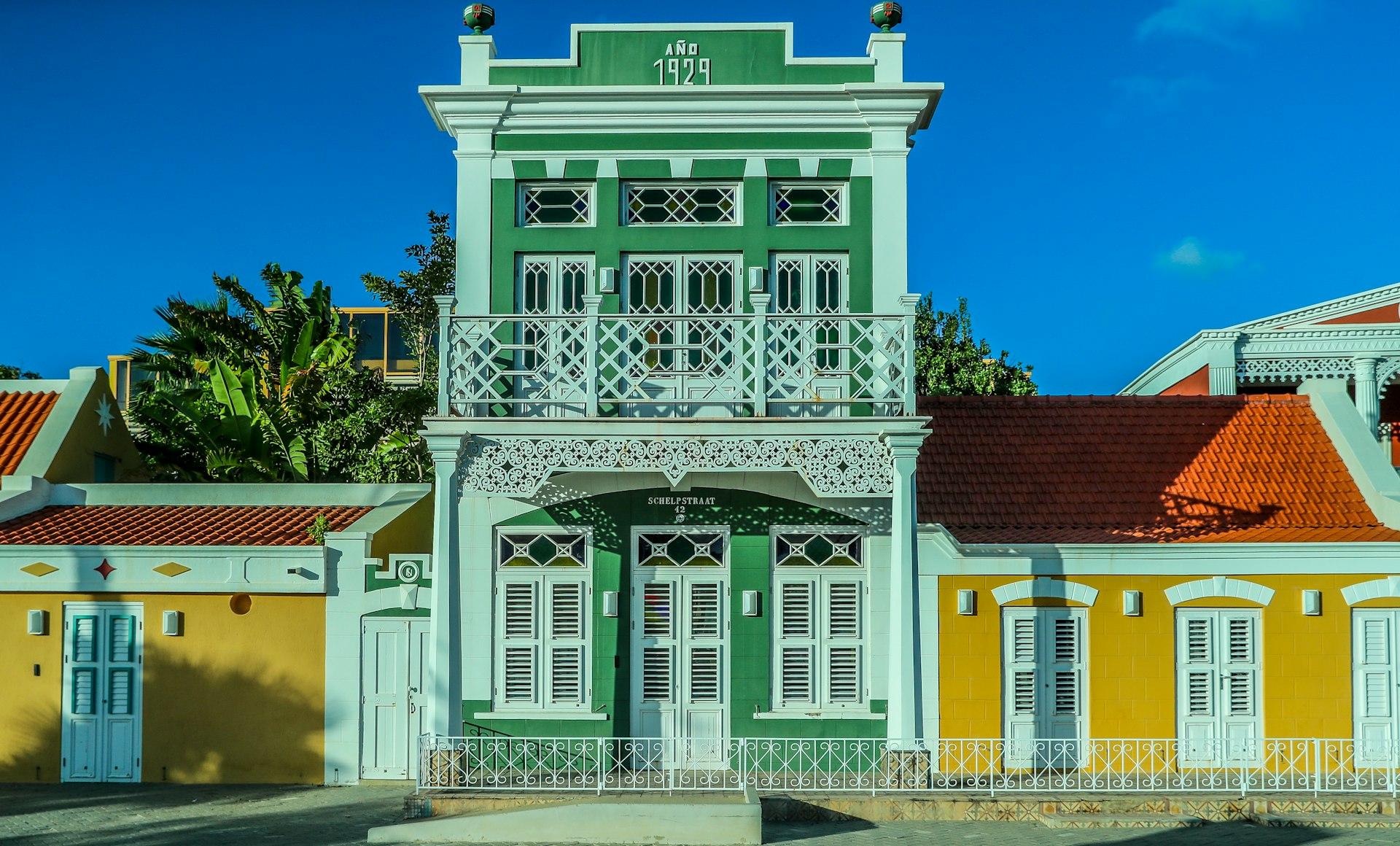
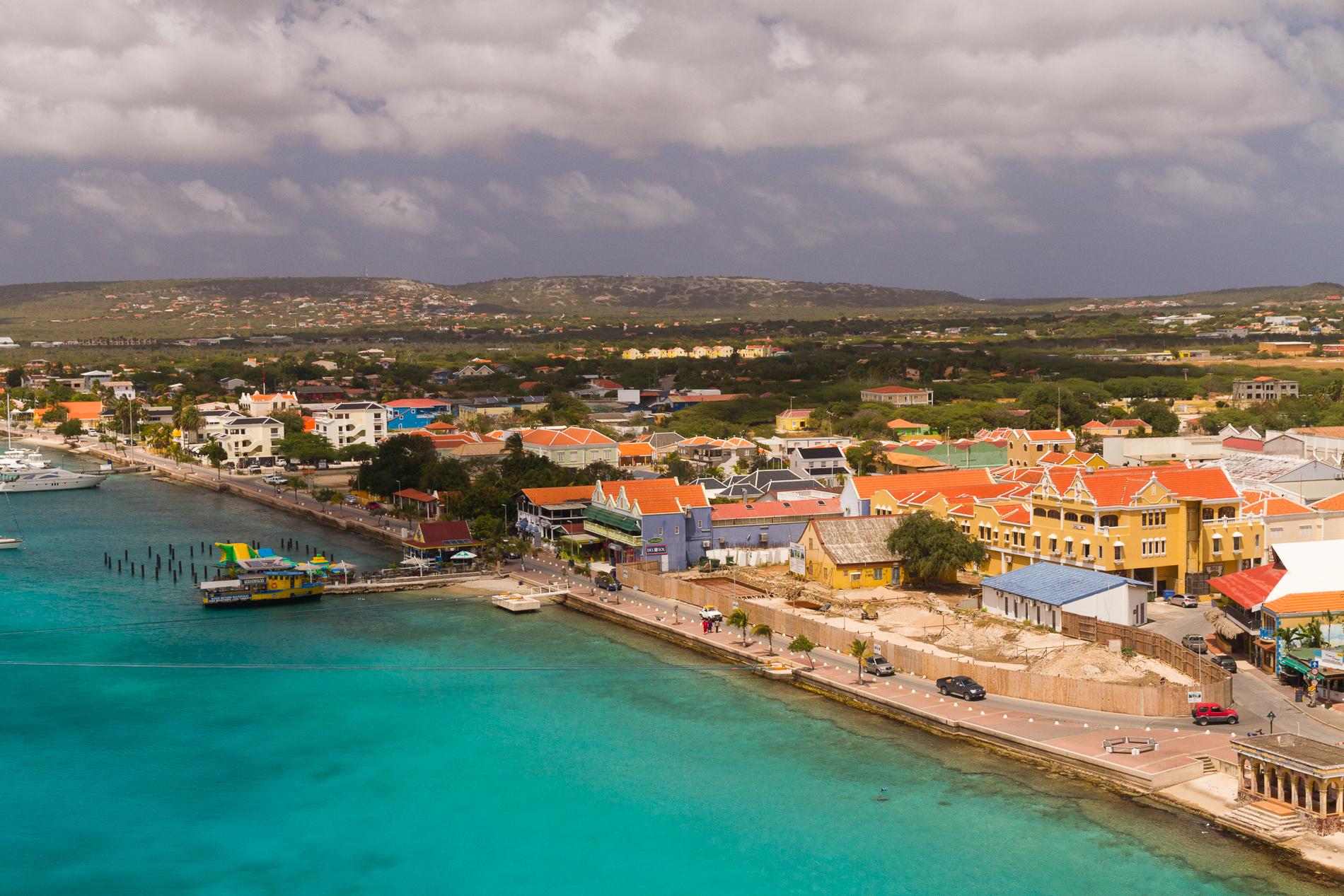
Kralendijk, the capital and only town, stretches along the calm western leeward shore. Pastel colonial warehouses line Kaya Grandi, the main commercial street, and most hotels cluster within walking distance of the pier where dive boats depart each morning. The population is roughly 20,000; the island moves at a pace that reflects that scale. North of town, the village of Rincon — Bonaire's oldest settlement, founded in the 16th century — holds a Sunday market and the local pavement café culture that visitors rarely find in the resort zone.
Dive Coast, Salt Pans, and Washington Slagbaai
The western shore, from Kralendijk down to the flamingo-pink Salt Pans near Lac Bay, is effectively one continuous shore-dive site. Visibility regularly reaches 30–40 metres. Washington Slagbaai National Park covers the island's rugged northwest quarter — 5,643 hectares of cactus desert, volcanic peaks, and brackish lakes where flamingos feed year-round. Lac Bay on the windward east coast is a UNESCO Ramsar wetland and hosts the island's windsurfing and kitesurfing community; the bay's consistent trade winds blow at 20–25 knots most afternoons from June through August.
When to Visit Bonaire
Bonaire sits outside the main hurricane belt. Rain falls mainly between October and January but rarely disrupts activities for more than an afternoon. The driest and busiest period runs February through June. Water temperature stays between 26 °C and 29 °C all year, making wetsuit choice optional rather than necessary for most divers. High-season hotel rates apply roughly December through April, with shoulder pricing available May through July before the modest summer surge.
Practical Tips for Visiting Bonaire
- Currency: US dollar; ATMs available in Kralendijk on Kaya Grandi.
- Getting around: Rental cars and pickup trucks are standard; roads are paved to the park entrance. Scooters suit town use but not unpaved northern tracks.
- Dive fees: A nature fee of USD 40 per person per year covers unlimited shore dives; purchase at the dive shop or online before entry.
- Entry requirements: EU and US citizens need a valid passport; Dutch nationals may use a national ID card.
- Pack: Reef-safe sunscreen is required by law inside the marine park — standard chemical sunscreens may be confiscated at dive operators.
Frequently Asked Questions
Q: Do travelers need a visa to visit Bonaire? A: Citizens of the EU, United States, Canada, and most Caribbean nations do not require a visa for short stays. Passport validity requirements vary; check with the Dutch Caribbean immigration service before travel.
Q: How many dive sites does Bonaire have? A: The Bonaire National Marine Park lists more than 86 named dive sites. The majority are accessible directly from shore without a boat, which is unusual among Caribbean destinations.
Q: Is Bonaire suitable for non-divers? A: Lac Bay offers kitesurfing and windsurfing, Washington Slagbaai National Park has marked hiking and bird-watching trails, and Rincon provides a cultural alternative to the resort strip in Kralendijk.
Q: What currency does Bonaire use? A: Bonaire uses the US dollar, which simplified transactions considerably after the 2010 change from the Netherlands Antillean guilder.
Q: When is the best time to avoid crowds? A: May and June offer dry conditions, calmer roads, and lower hotel rates before the summer kiteboarding season builds from late June onward.