Hotels in Cameroon
2 cities · 4 hotels
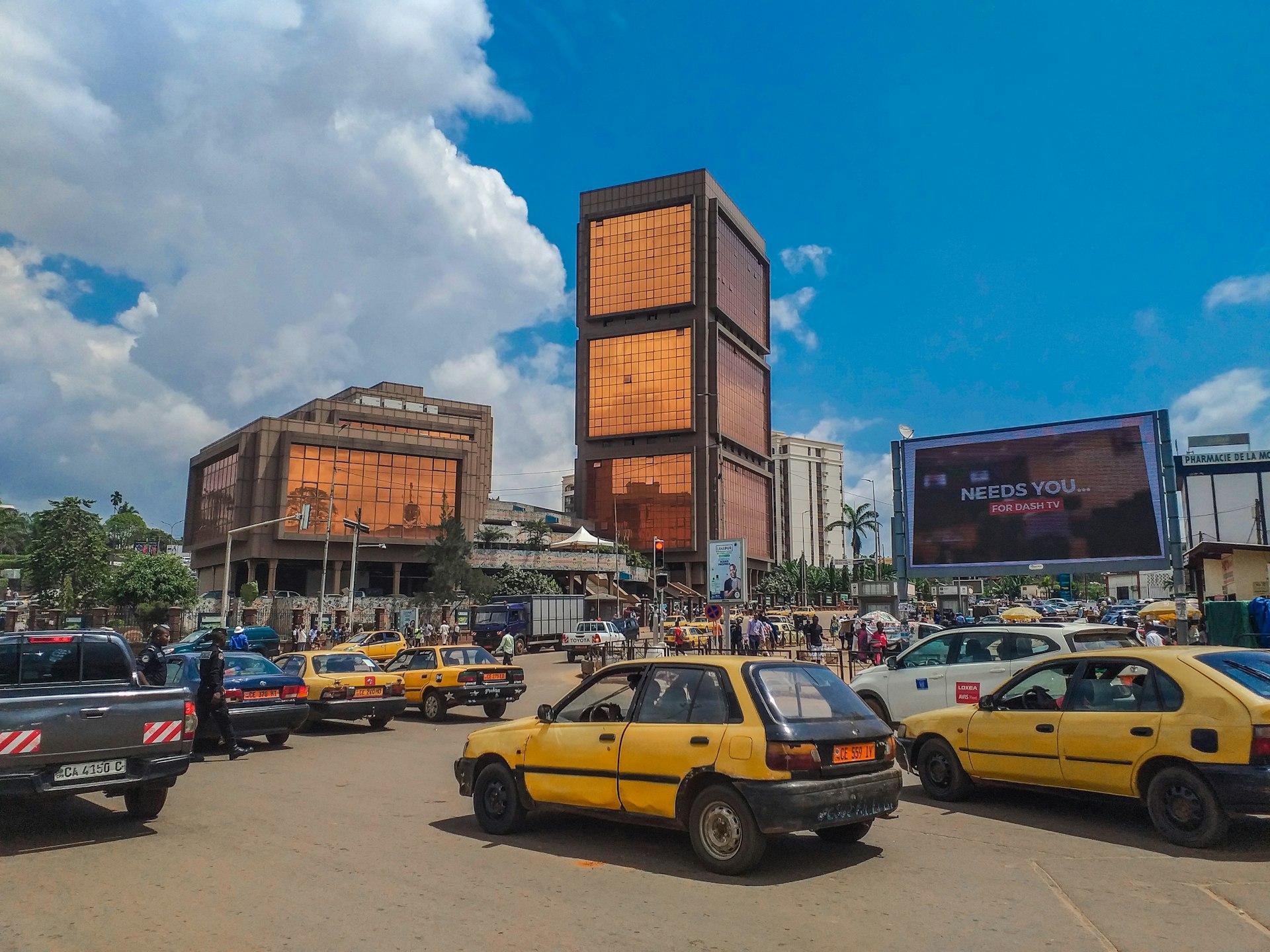
Photo by Edouard TAMBA on Unsplash
Cameroon: Africa in Miniature
Cameroon earns its longstanding nickname — "Africa in Miniature" — by packing rainforest, savanna, desert, mountains, and Atlantic coastline into a single 475,000 km² territory. The country shares borders with Nigeria to the west, Chad and the Central African Republic to the east, and the Gulf of Guinea to the south-west. French and English are both official languages, a legacy of the 1961 unification of British Southern Cameroons with the French-administered République du Cameroun.
Cities Worth Exploring
Yaoundé, the capital, sits at roughly 750 m elevation in the Centre Region and houses the national government, the Benedictine Museum of Mont Fébé, and a walkable hilltop district of embassies and colonial-era architecture. Douala, 240 km south-west, is the economic engine: the port processes about 85 % of the country's trade volume, and the Akwa and Bonanjo neighbourhoods concentrate the finance sector, nightlife, and the Musée de la Blackitude. Bafoussam anchors the Bamiléké highlands of the West Region, a plateau around 1,400 m altitude known for intricate royal palace architecture and the Chefferie de Baham.
Regions and Natural Landmarks
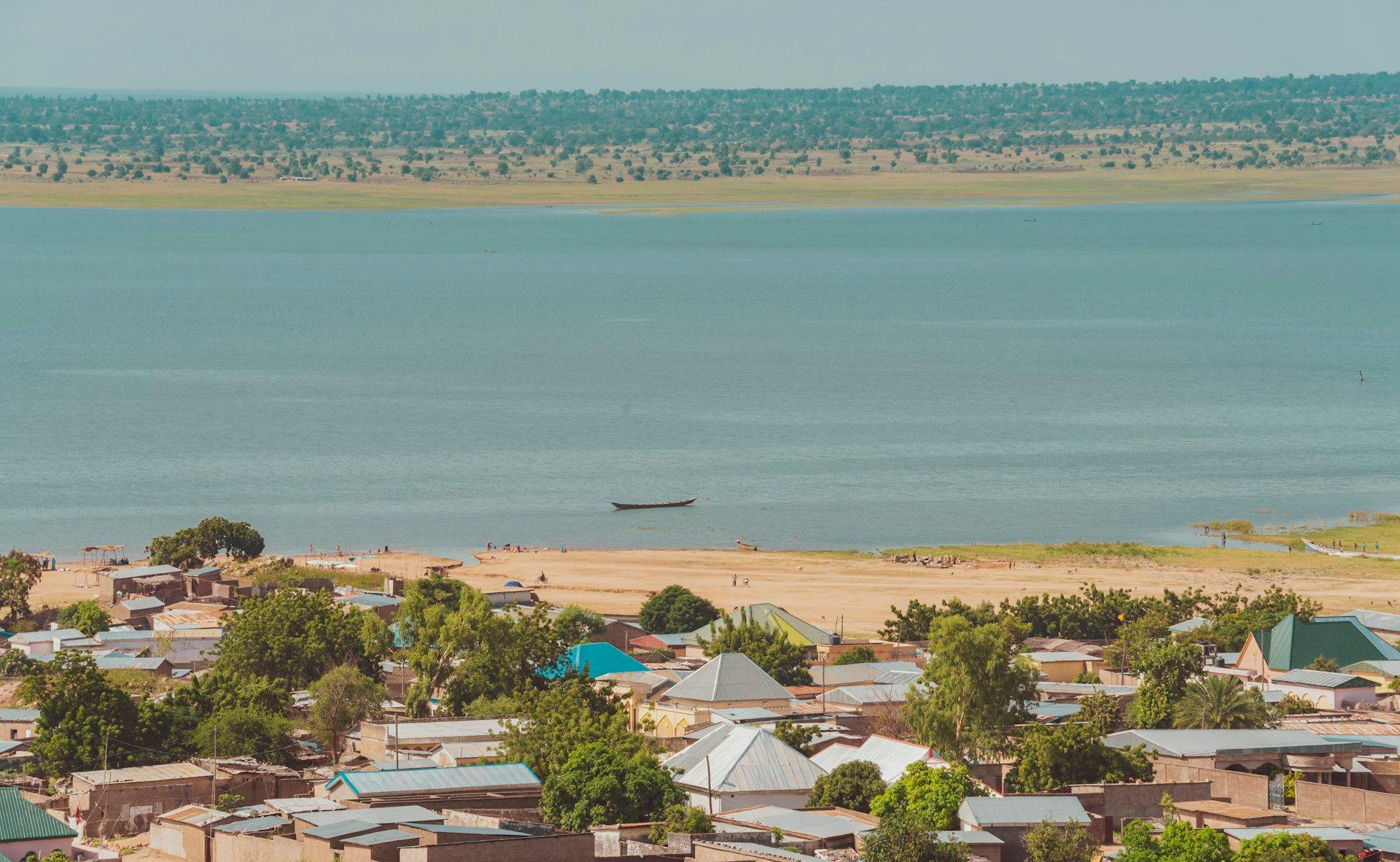
The Adamawa Plateau in the north-central zone rises above 1,500 m and supports cattle transhumance routes used for centuries. The Waza National Park, near Maroua in the Far North Region, covers 1,700 km² of Sudano-Sahelian savanna and hosts elephant herds, lions, and giraffe. In the south, Campo Ma'an National Park protects 2,600 km² of Atlantic rainforest with western lowland gorillas and forest elephants. Mount Cameroon (4,040 m) near the coastal city of Buea is the highest peak in sub-Saharan West Africa and an active stratovolcano last confirmed active in 2000.
When to Visit
Cameroon divides into two broad climate bands. The humid south has two rainy seasons (March–June and September–November); the dry north has a single wet season (July–September) followed by the Harmattan dust winds from November to February. For wildlife viewing in Waza, January to May offers the best visibility before tall grass grows back. Mount Cameroon's annual race — the Race of Hope — takes place each January, drawing international athletes for the 25 km ascent to 4,040 m and descent.
Practical Tips for Visiting Cameroon
- Visa: Most nationalities require a visa; e-visa applications process through the government portal before travel.
- Currency: The CFA franc (XAF) is the official currency; ATMs are reliable in Yaoundé and Douala but scarce in rural areas.
- Getting around: Shared minibus taxis (bush taxis) connect major towns; the Yaoundé–Douala rail corridor covers 262 km in roughly 4 hours.
- Health: Yellow fever vaccination certificates are mandatory at entry; malaria prophylaxis is strongly advised nationwide.
- Language: French dominates in eight of ten regions; English is primary in the North West and South West regions.
Frequently Asked Questions
Q: What is the best base for visiting Mount Cameroon? A: Buea, situated at the mountain's southern foot, is the main gateway. Most trekking agencies and guides operate from Buea town centre, approximately 65 km north of Limbe.
Q: Is Cameroon safe for travellers? A: Safety conditions vary by region. The North West and South West regions experience ongoing civil unrest; the Far North Region borders areas of insurgent activity near Lake Chad. Yaoundé, Douala, and the West Region generally see lower security incidents.
Q: Which airports serve international flights? A: Douala International Airport (DLA) handles the largest share of international traffic. Yaoundé Nsimalen Airport (NSI), 25 km south of the capital, serves additional regional and long-haul routes.
Q: What wildlife can travellers see beyond Waza? A: Lobéké National Park in the south-east covers 217,854 ha of Congo Basin forest and holds one of Central Africa's densest concentrations of forest elephants and western lowland gorillas, best accessed via the town of Yokadouma.
Q: What currency should travellers carry? A: The West African CFA franc (XAF) is pegged to the euro at 655.957 XAF per euro. Euro cash exchanges at favourable rates in Douala; US dollars also exchange widely in the capital.