Hotels in Côte d'Ivoire
2 cities · 4 hotels
Photo by Etty Fidele on Unsplash
Côte d'Ivoire: West Africa's Economic Heartland
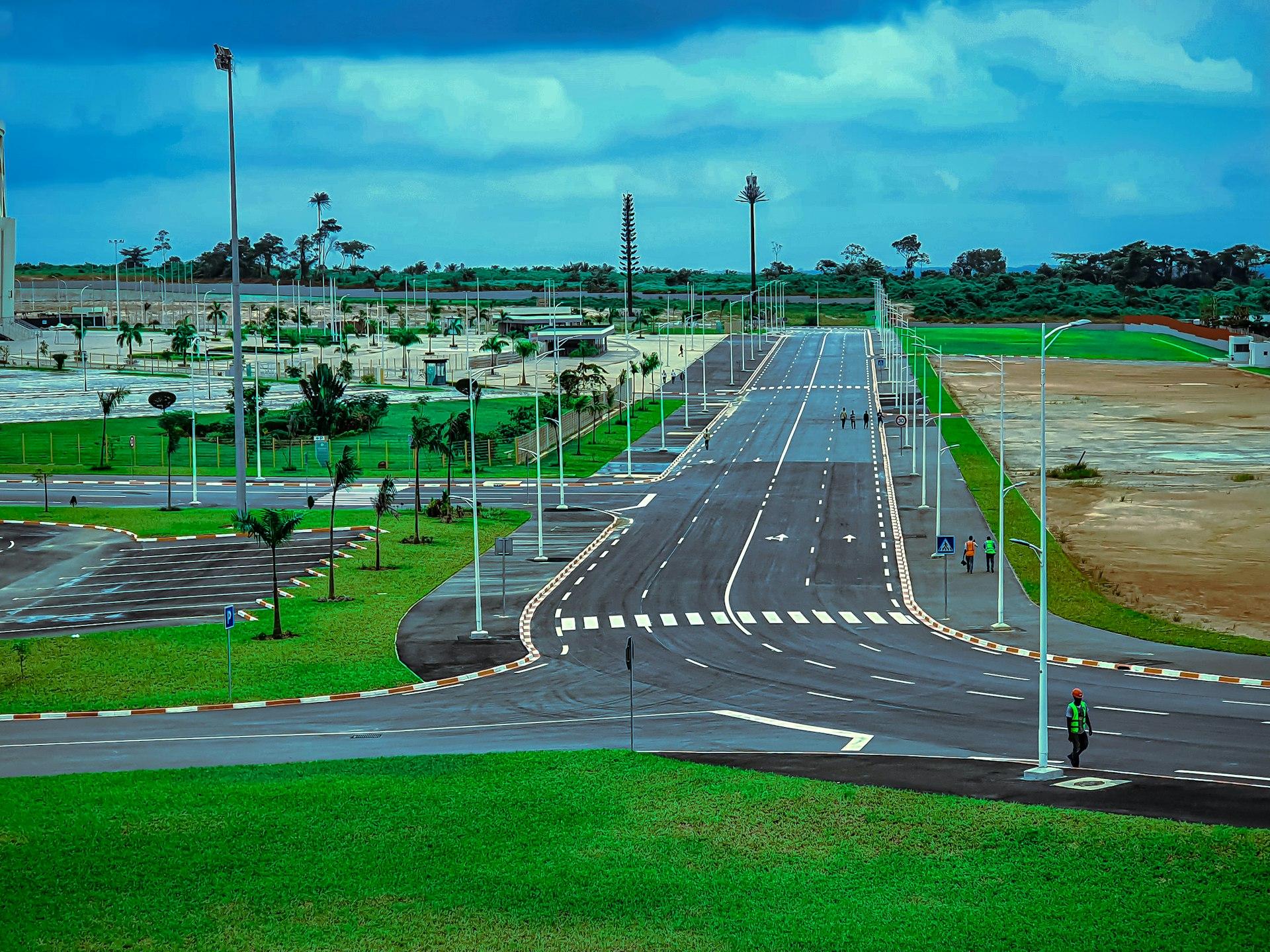
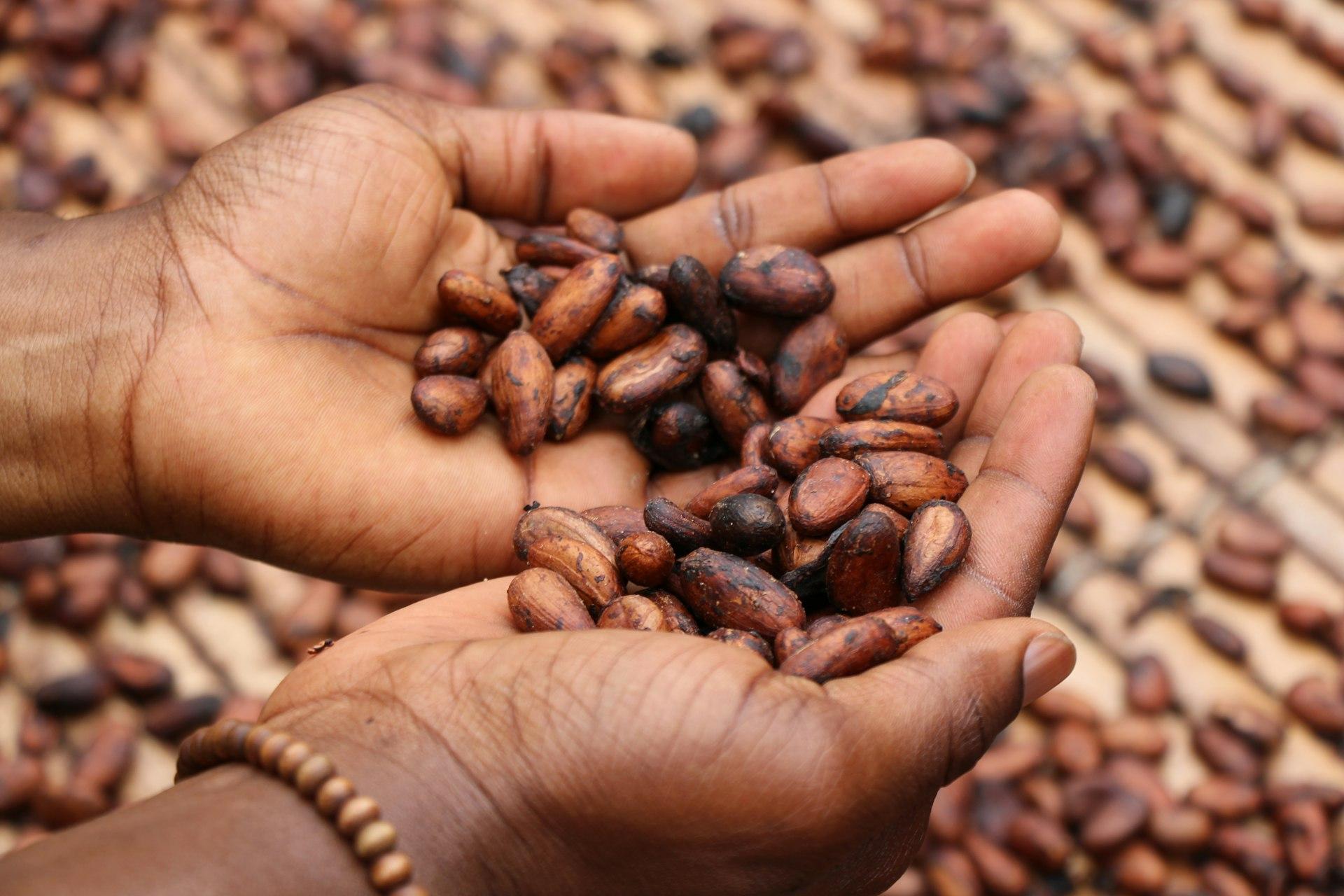
Côte d'Ivoire sits on the Gulf of Guinea between Ghana and Liberia, spanning 322,463 sq km of rainforest, savanna, and 550 km of Atlantic coastline. The country produces roughly 40% of the world's cocoa — a fact that shapes its landscape, economy, and the rhythm of towns from Abidjan to San-Pédro. Two official capitals divide government functions: Yamoussoukro, the political capital since 1983, hosts the Basilique Notre-Dame de la Paix, completed in 1989 and still one of the largest churches on earth. Abidjan, the economic capital, anchors a metro population exceeding 5 million and provides the country's main international gateway, Félix-Houphouët-Boigny International Airport.
Cities Worth Exploring
Abidjan spreads across a lagoon system, with the high-rise Plateau district facing the Ébrié Lagoon. The Cocody neighborhood holds embassies, the university campus, and the city's densest cluster of hotels. Treichville market sells textiles, spices, and fresh fish beside the lagoon ferry quays. North of Abidjan by 240 km via the A3 motorway, Yamoussoukro is calm, wide-boulevarded, and built to a planned scale unusual in West Africa. Further west, Man serves as the gateway to the Dix-Huit Montagnes region, where the Mont Nimba massif reaches 1,752 m and forms a UNESCO Strict Nature Reserve shared with Guinea and Liberia.
Regions and Natural Terrain
The south is dominated by equatorial rainforest and lagoon systems. Parc National de Taï, covering 536,000 hectares in the southwest, is a UNESCO World Heritage Site and one of the last large tracts of Upper Guinean forest. Chimpanzee research stations within Taï have operated since the 1970s. The center-north transitions to dry savanna; Korhogo, the main city of the north, is known for Senufo weavers and mud-cloth artisans whose workshops sit directly on the main roads outside town. The eastern border zone around Abengourou produces cocoa and coffee on smallholder farms that visitors can arrange to tour through local cooperatives.
When to Visit
The south operates on two rainy seasons — May–July and October–November — making December through March the driest window for lagoon travel and beach visits along Grand-Bassam, the former colonial capital 40 km east of Abidjan. Grand-Bassam was designated a UNESCO World Heritage Site in 2012 for its intact late-19th-century colonial quarter. The north has a single rainy season, June–September; November to February brings the Harmattan, a dry northerly wind that reduces visibility but also lowers temperatures to comfortable levels for overland travel toward Korhogo and Ferkessédougou.
Practical Tips for Visiting Côte d'Ivoire
- Entry: Most nationalities require a visa; e-visas are available at snedai.gouv.ci and processed within 72 hours.
- Currency: West African CFA franc (XOF); ATMs are reliable in Abidjan's Plateau and Cocody districts, scarcer in rural areas.
- Getting around: Bush taxis (gbaka) connect major towns cheaply; the Abidjan–Yamoussoukro expressway is paved and well-maintained. Book the journey early on public holidays.
- Health: Yellow fever vaccination is required for entry. Malaria prophylaxis is recommended throughout the country year-round.
- Hotels: Abidjan holds the largest share of international-brand hotels; Yamoussoukro, Man, and Korhogo each have mid-range guesthouses suited for regional touring.
Frequently Asked Questions
Q: What is the best base for visiting Taï National Park? A: San-Pédro, Côte d'Ivoire's second-largest port city, sits roughly 100 km northwest of the park and offers the most accessible hotel options. Travelers arrange park permits and guided entries through the Office Ivoirien des Parcs et Réserves in advance.
Q: Is Grand-Bassam a day trip from Abidjan? A: Yes — Grand-Bassam is 40 km east of Abidjan and reachable by shared taxi in under an hour. The colonial quarter along the Atlantic shore contains intact warehouses, a colonial-era post office, and several beachfront restaurants open daily.
Q: What language is spoken and used in hotels? A: French is the official language and the language used in hotel reception throughout the country. Dioula is the dominant trade language in markets and across the north.
Q: When does the Fêtes des Masques take place in Man? A: The Fêtes des Masques in Man typically runs in late November or early December, drawing Dan and Wè mask performers from surrounding villages. Exact dates vary by year; the regional tourism office in Man confirms the schedule each October.