Hotels in Dalmatia
5 cities · 1220 hotels
Photo by Josip Ivanković on Unsplash
Dalmatia, Croatia
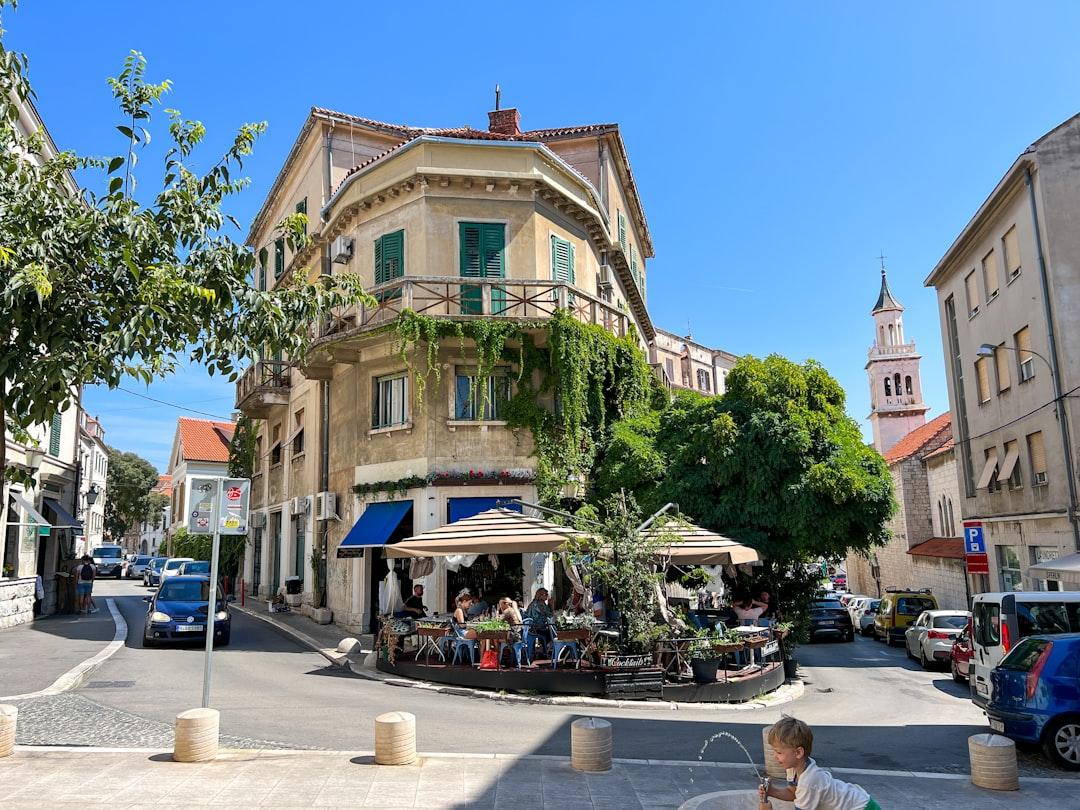
Stretching along Croatia's Adriatic coastline, Dalmatia is one of Europe's most celebrated coastal regions — a place where ancient walled cities meet crystalline sea, pine-scented islands, and a cuisine built on olive oil, fresh fish, and good wine. Whether you're drawn by history, beaches, or the laid-back Mediterranean pace of life, Dalmatia delivers in every season.
History and Heritage
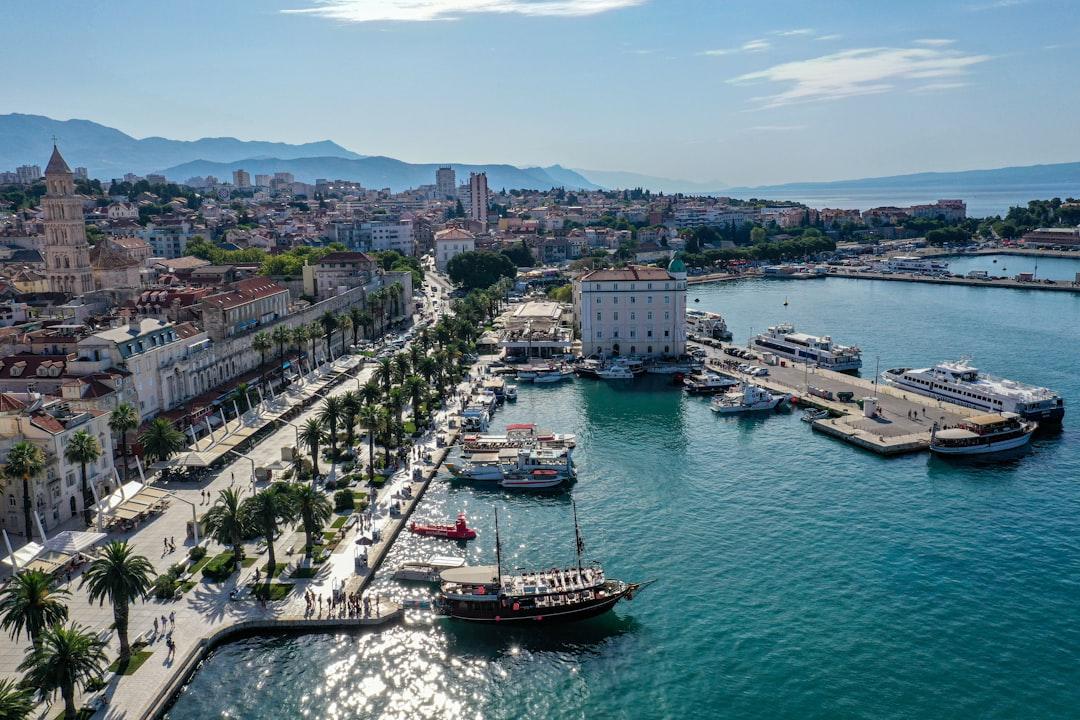
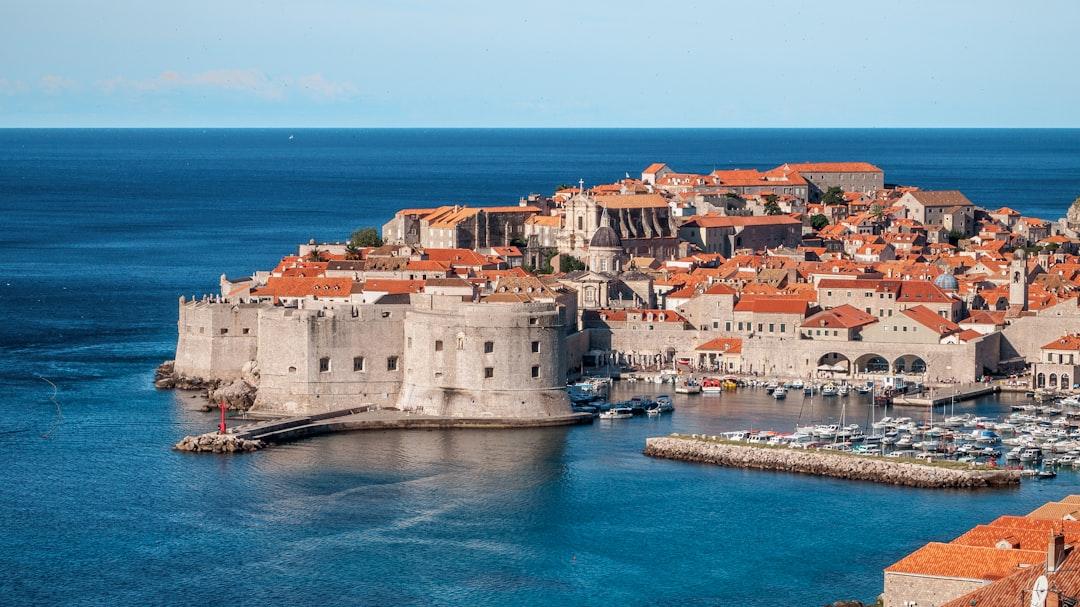
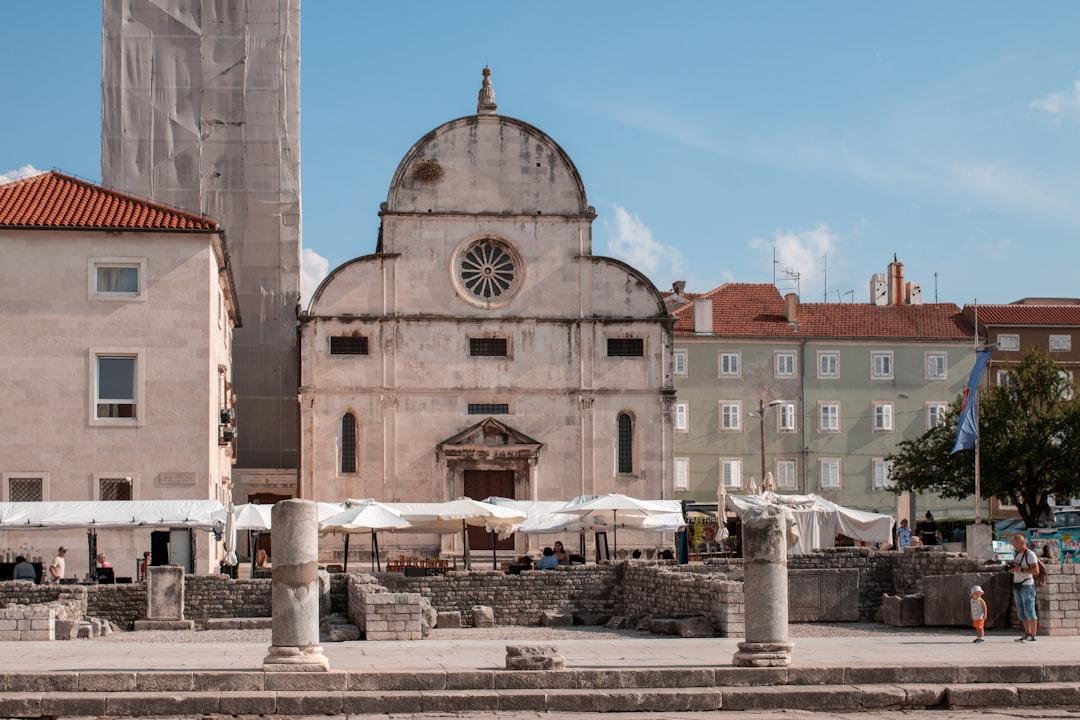
Dalmatia's past reads like a who's who of Mediterranean powers. Romans, Byzantines, Venetians, and Ottomans all left their mark here. Nowhere is this more visible than in Split, where Emperor Diocletian built his retirement palace in the 4th century AD — a structure so vast that an entire city grew up inside its walls. Dubrovnik, at the region's southern tip, is ringed by formidable stone ramparts and has been a UNESCO World Heritage Site since 1979. Zadar, the regional capital of northern Dalmatia, boasts Roman ruins, Venetian churches, and the world-famous Sea Organ, an architectural installation that turns wave energy into music.
Islands and Coastline
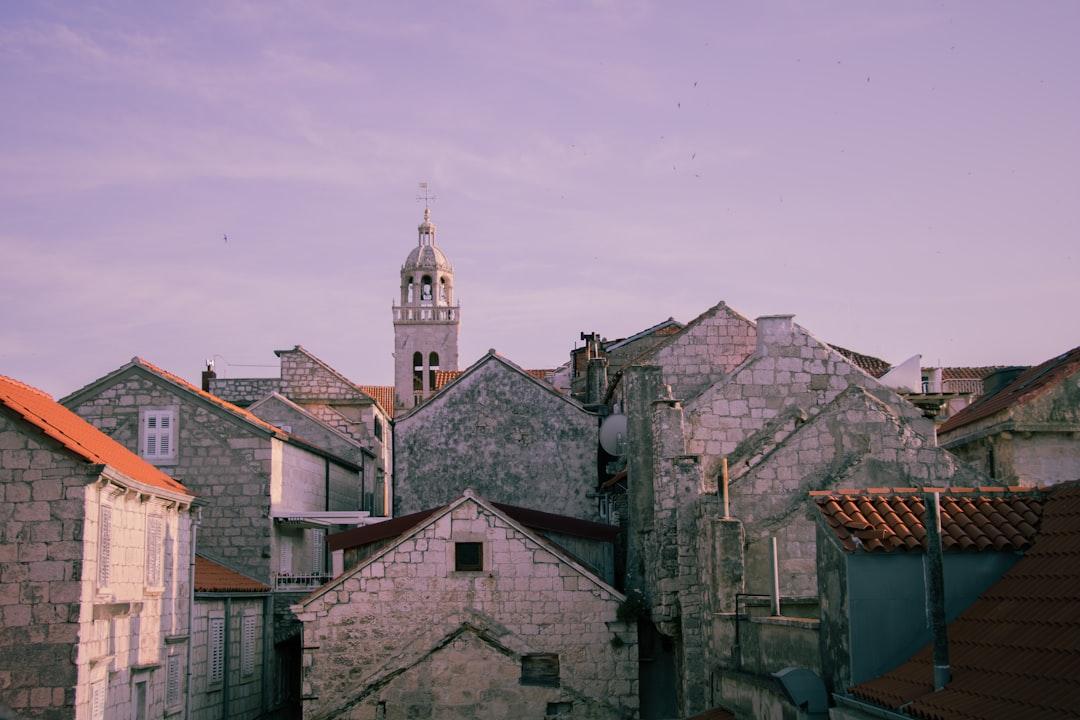
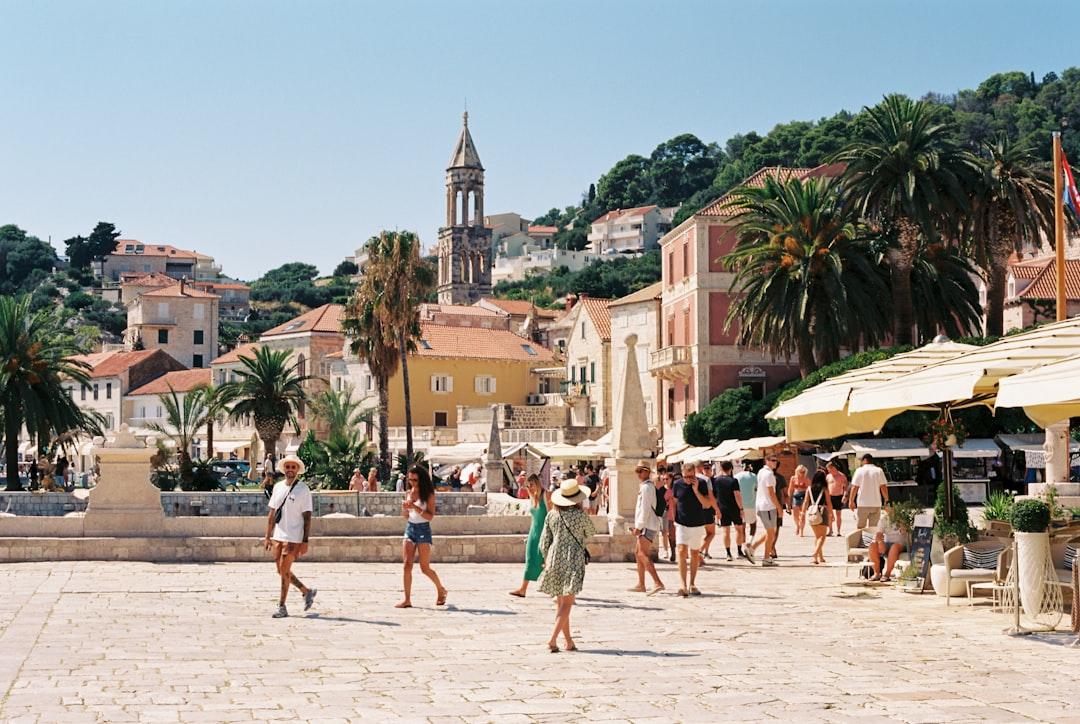
Dalmatia counts more than a thousand islands, islets, and reefs along its coast — though only a handful are permanently inhabited. Hvar is arguably the best known, celebrated for its lavender fields, hilltop fortress, and lively harbour town. Brač is famous for Zlatni Rat, a distinctive shingle beach that shifts shape with the currents. Korčula, birthplace of Marco Polo according to local tradition, offers medieval streets and excellent local wine. Ferries and fast catamarans connect the mainland to the islands throughout the year, with services increasing significantly in summer.
Food and Wine
Dalmatian cuisine is rooted in the Mediterranean tradition — simple ingredients prepared with care. Peka, a slow-cooked dish of meat or seafood prepared under an iron bell covered in embers, is a regional staple worth seeking out. Pag island produces a hard sheep's milk cheese (paški sir) with a distinctive flavour shaped by the salty coastal winds. The region's vineyards yield notable varieties including Plavac Mali on Hvar and Korčula, and Pošip, a crisp white wine grown primarily on Korčula.
Practical Tips
- Best time to visit: June and September offer warm weather, open facilities, and smaller crowds than peak July–August.
- Getting around: Ferries are the primary way to reach the islands; a car is useful on the mainland but unnecessary in Split or Dubrovnik's old towns.
- Currency: Croatia adopted the euro in January 2023.
- Language: Croatian is the official language; English is widely spoken in tourist areas.
- Sun and sea: The Adriatic is warm enough for swimming from June through October.