
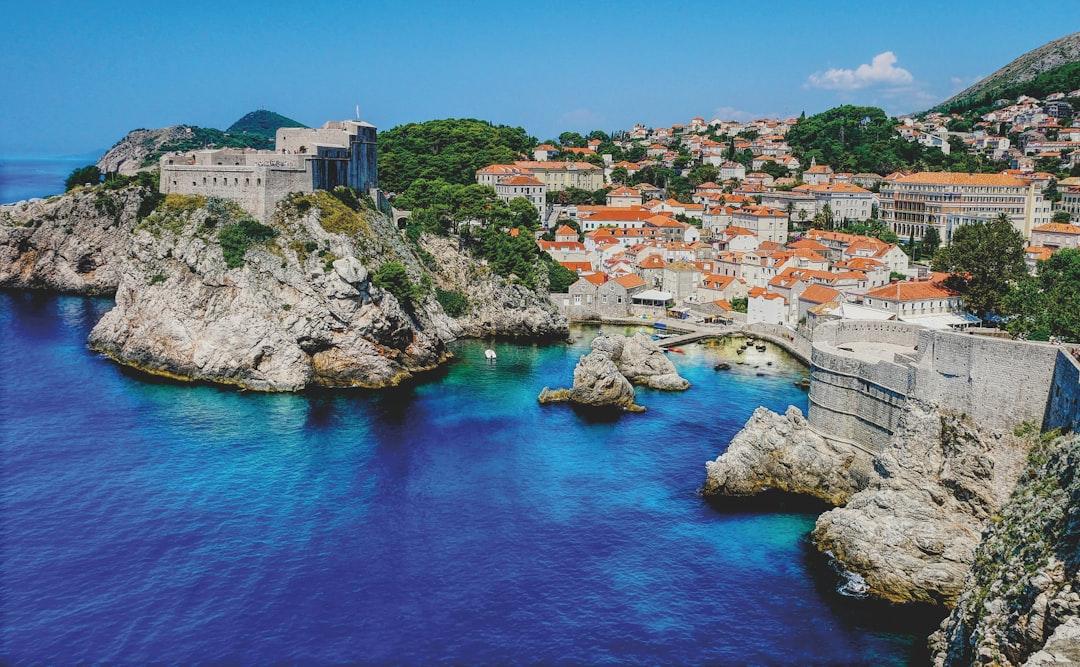
Hotels in Croatia
27 cities · 2179 hotels
Photo by Matthias Mullie on Unsplash
Croatia — Hotels & Travel Guide
Croatia sits on the eastern Adriatic coast, bordered by Slovenia and Hungary to the north, Serbia and Bosnia-Herzegovina to the east, and Montenegro to the south. The country covers roughly 56,594 km² and holds a coastline of over 1,800 km, plus more than 1,200 islands, islets, and reefs. Zagreb serves as the capital and largest city, positioned inland in the northwest. The Adriatic coast and its islands form the country's most-visited corridor, while inland regions — Slavonia, the Zagorje hills, and the Plitvice Lakes plateau — attract a quieter, nature-focused crowd.
Regions at a Glance
Istria, the triangular peninsula in the northwest, is known for its hilltop medieval towns, truffle forests, and Venetian-influenced architecture in Poreč and Rovinj. The Kvarner Gulf lies just south, anchored by the port city of Rijeka and the islands of Krk, Cres, and Lošinj. Dalmatia stretches the length of the southern coast — Split, with Diocletian's Palace at its center, acts as the main transport hub; Dubrovnik anchors the far south with its intact Renaissance walls. The Plitvice Lakes National Park, a UNESCO World Heritage Site since 1979, sits in the Lika region roughly 130 km south of Zagreb and draws over 1.5 million visitors per year. Slavonia, the flat agricultural east, is less visited but notable for its Baroque towns like Osijek and its wine-producing villages along the Drava and Sava rivers.
When to Visit
The coastal and island season runs from June through September, peaking in July and August when sea temperatures average 25–27 °C and crowds are at their highest. Shoulder months — May, early June, and October — offer lower accommodation rates, fewer visitors, and mild temperatures between 18–24 °C. Dubrovnik in particular becomes extremely congested in peak summer; the city has introduced visitor caps and cruise-ship limits in recent years to manage pressure on the Old Town. Zagreb operates year-round — its Advent market in December has ranked among Europe's best for several consecutive years. Inland parks like Plitvice are accessible in all seasons; winter visits offer frozen waterfalls and near-empty trails.
What Travelers Come For
Sea and island travel dominate. Sailing routes connect the Dalmatian islands — Brač, Hvar, Korčula, Vis, and Mljet — and charter companies operate out of Split and Trogir. Hvar town is widely regarded as one of the busiest nightlife centers on the Adriatic. Korčula claims a historical connection to Marco Polo and offers quieter streets and local wine production. Vis, the farthest inhabited island from the mainland at roughly 60 km offshore, remained a closed Yugoslav military zone until 1989 and retains a less-developed character. Beyond the coast, cultural tourism draws visitors to Diocletian's Palace in Split — a Roman emperor's retirement complex built around 305 AD and still inhabited today — and to Dubrovnik's city walls, which stretch 1,940 meters and date primarily to the 13th–16th centuries.
Practical Orientation
Croatia joined the European Union in 2013 and adopted the euro in January 2023, replacing the kuna. The country uses the Schengen Area framework as of January 2023. International airports operate in Zagreb, Split, Dubrovnik, Zadar, and Pula. Ferries and catamarans run by Jadrolinija connect the mainland to most islands year-round, with frequency increasing sharply in summer. Road travel along the A1 motorway links Zagreb to Split in roughly four hours. Driving the coastal D8 highway — the Adriatic Highway — is slower but passes directly through coastal towns and offers access to smaller ferry terminals.
Cities in Croatia
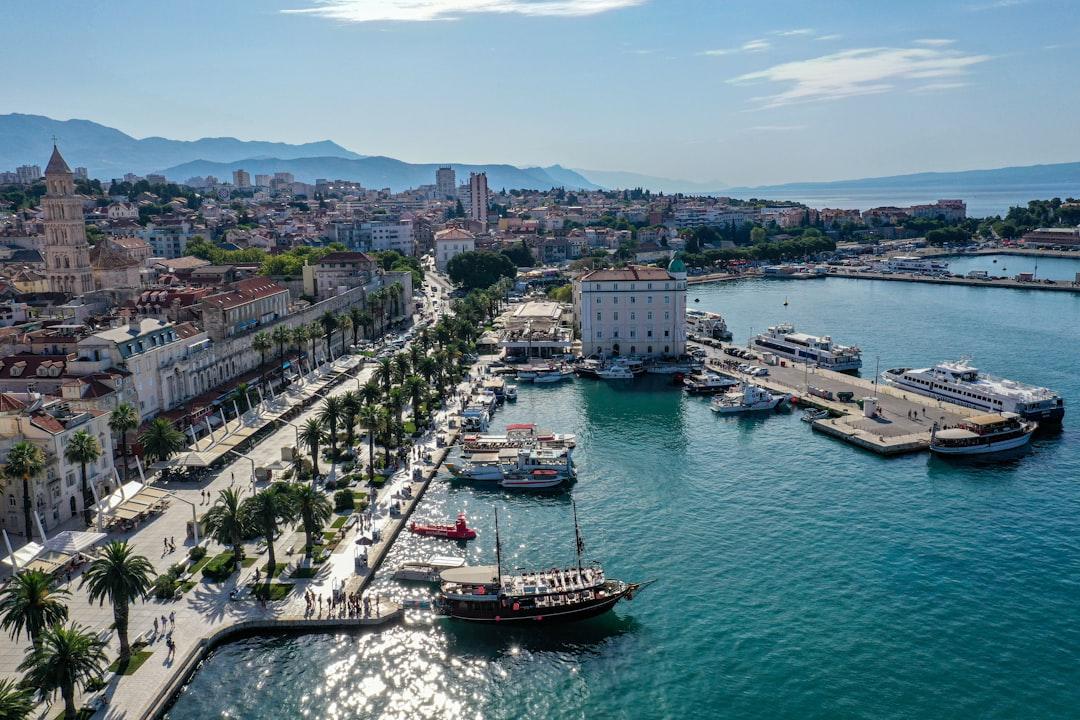
Split hotels
Dalmatia · 395 hotels
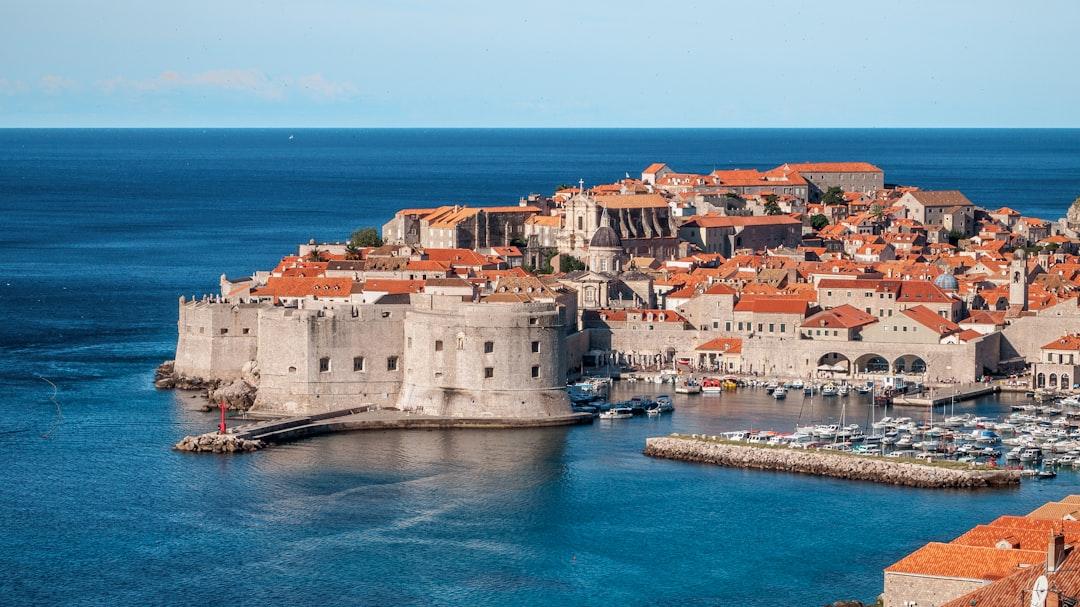
Dubrovnik hotels
Dalmatia · 313 hotels
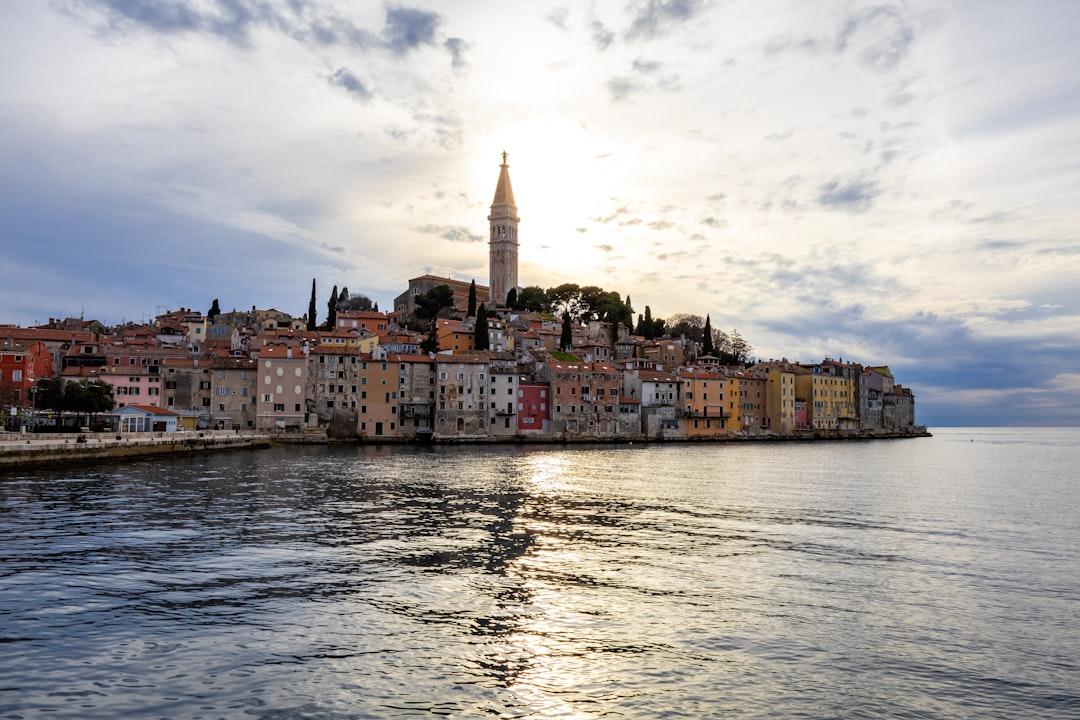
Rovinj hotels
Istria · 204 hotels
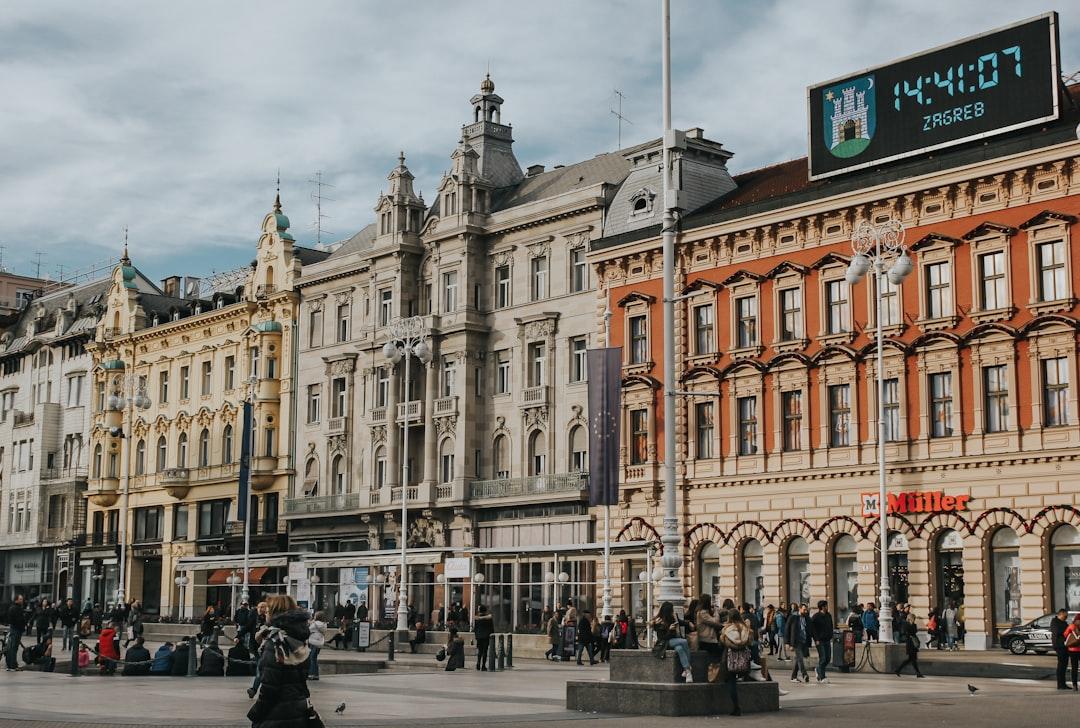
Zagreb hotels
Croatia · 194 hotels
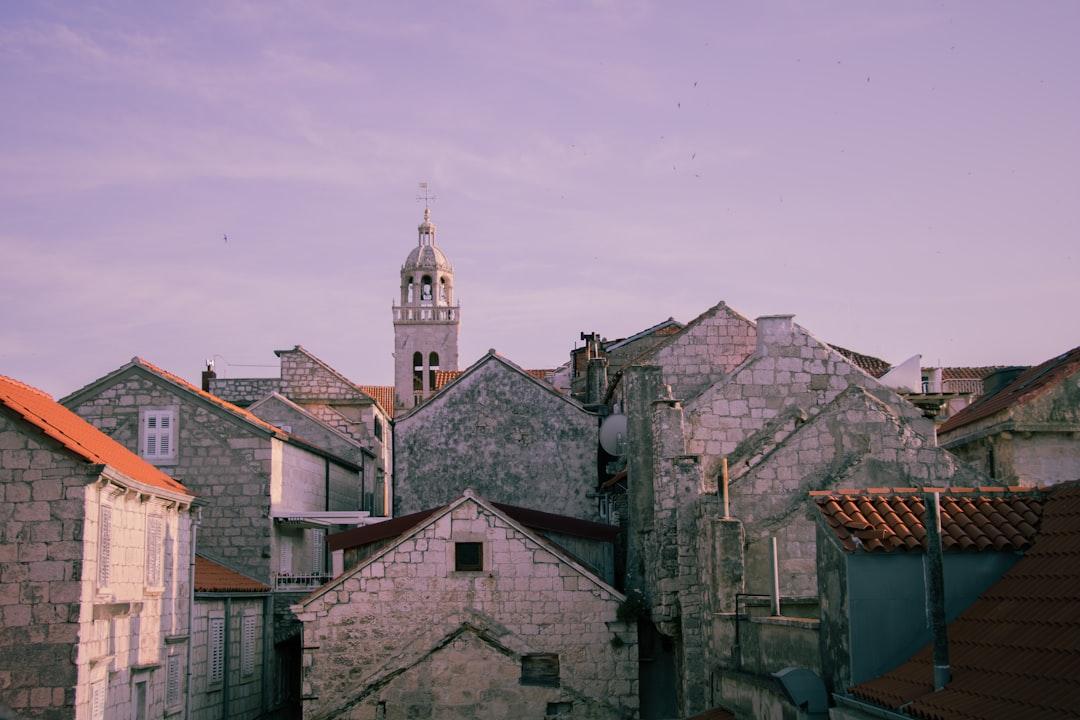
Korcula hotels
Dalmatia · 179 hotels
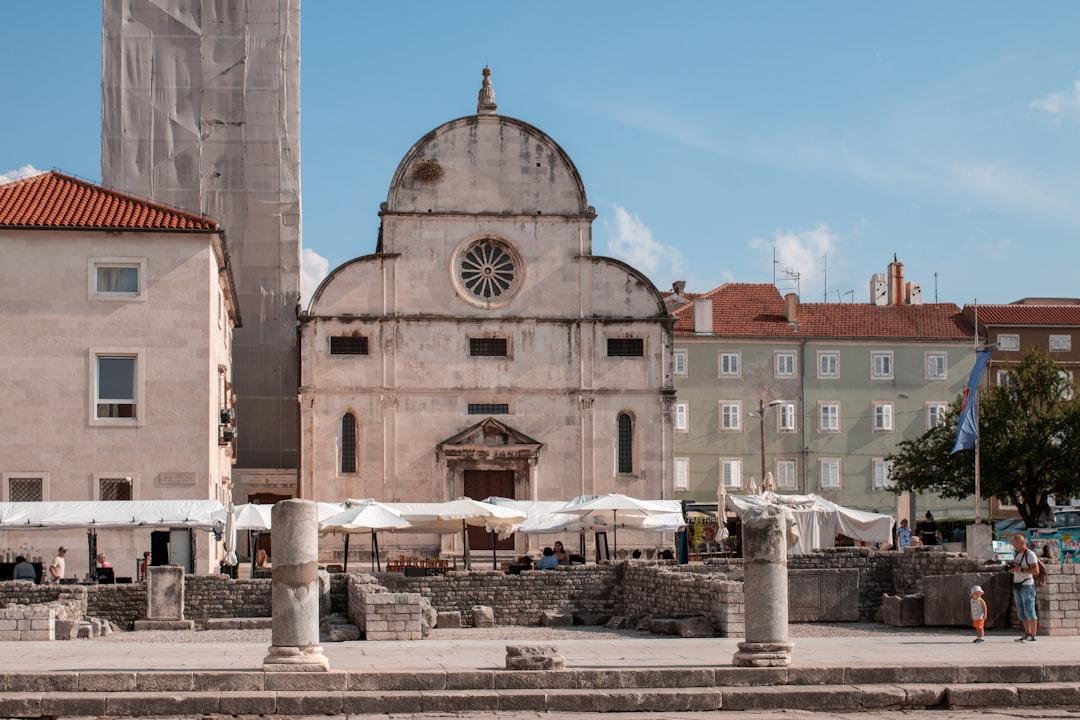
Zadar hotels
Dalmatia · 169 hotels
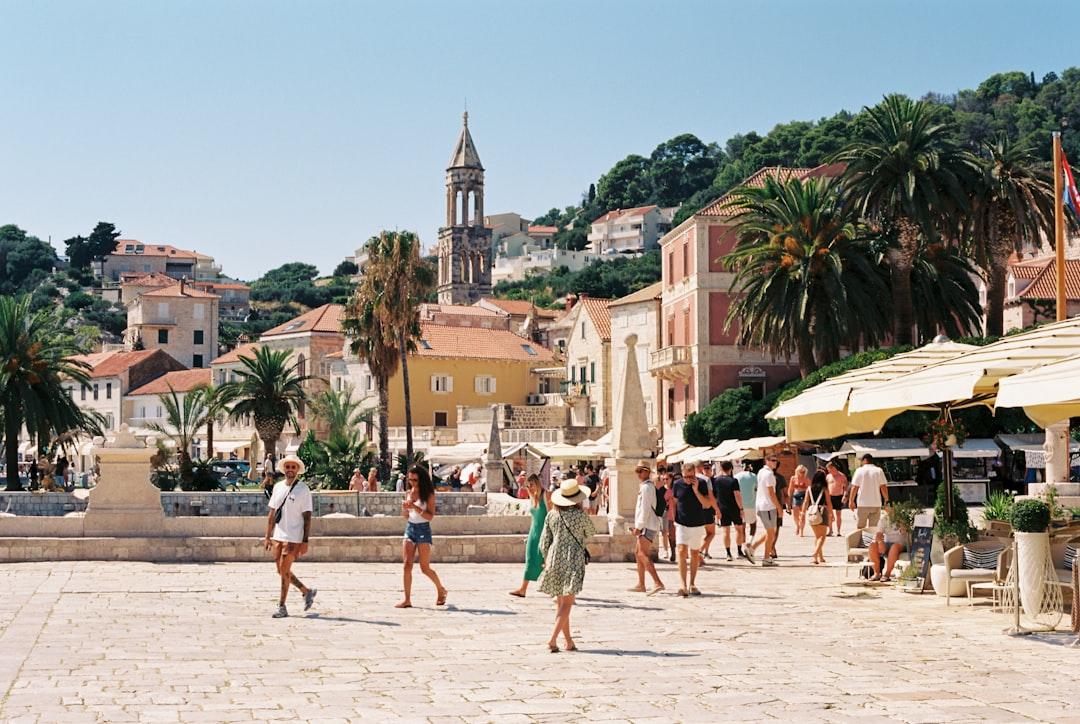
Hvar hotels
Dalmatia · 161 hotels
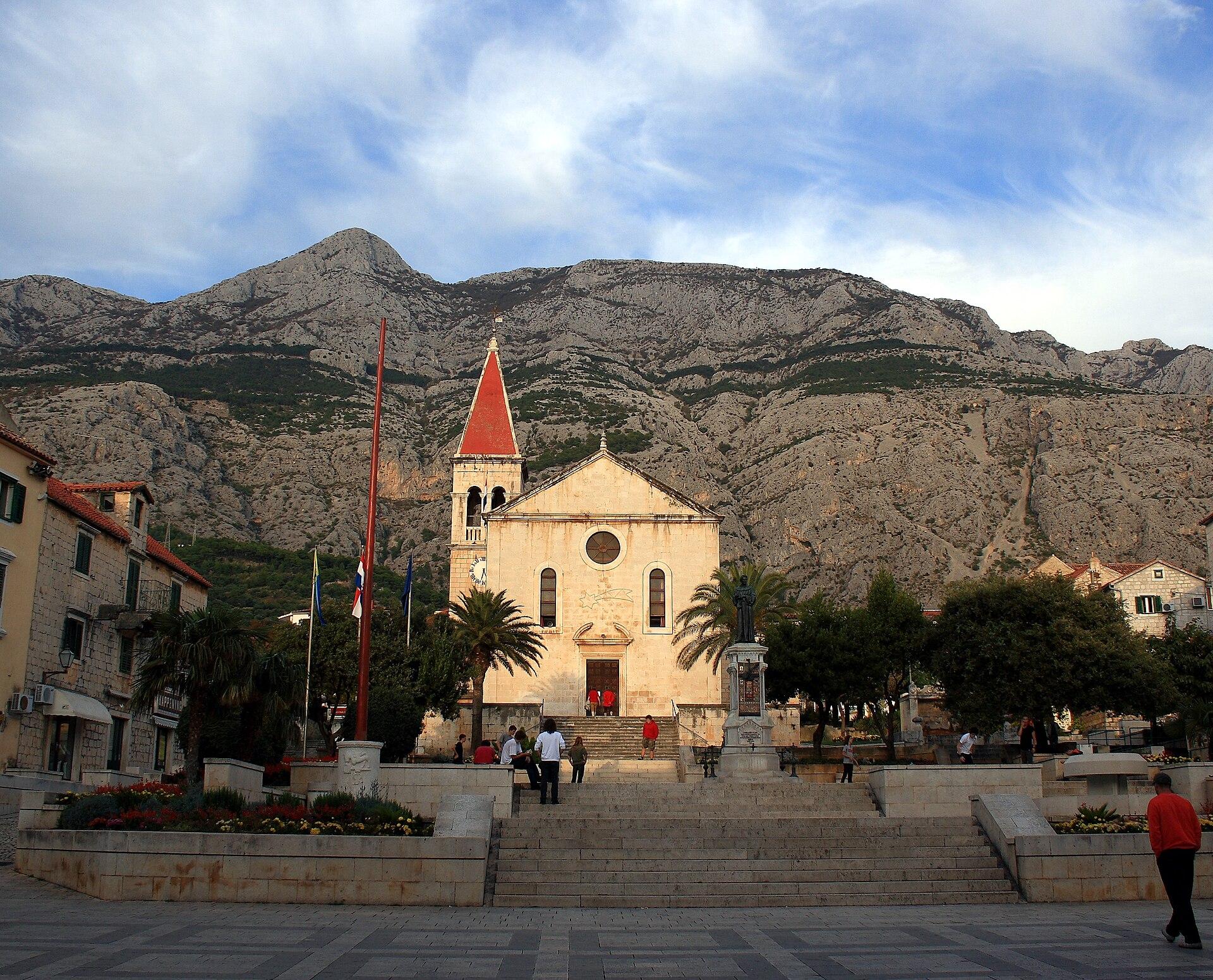
Makarska hotels
Croatia · 151 hotels
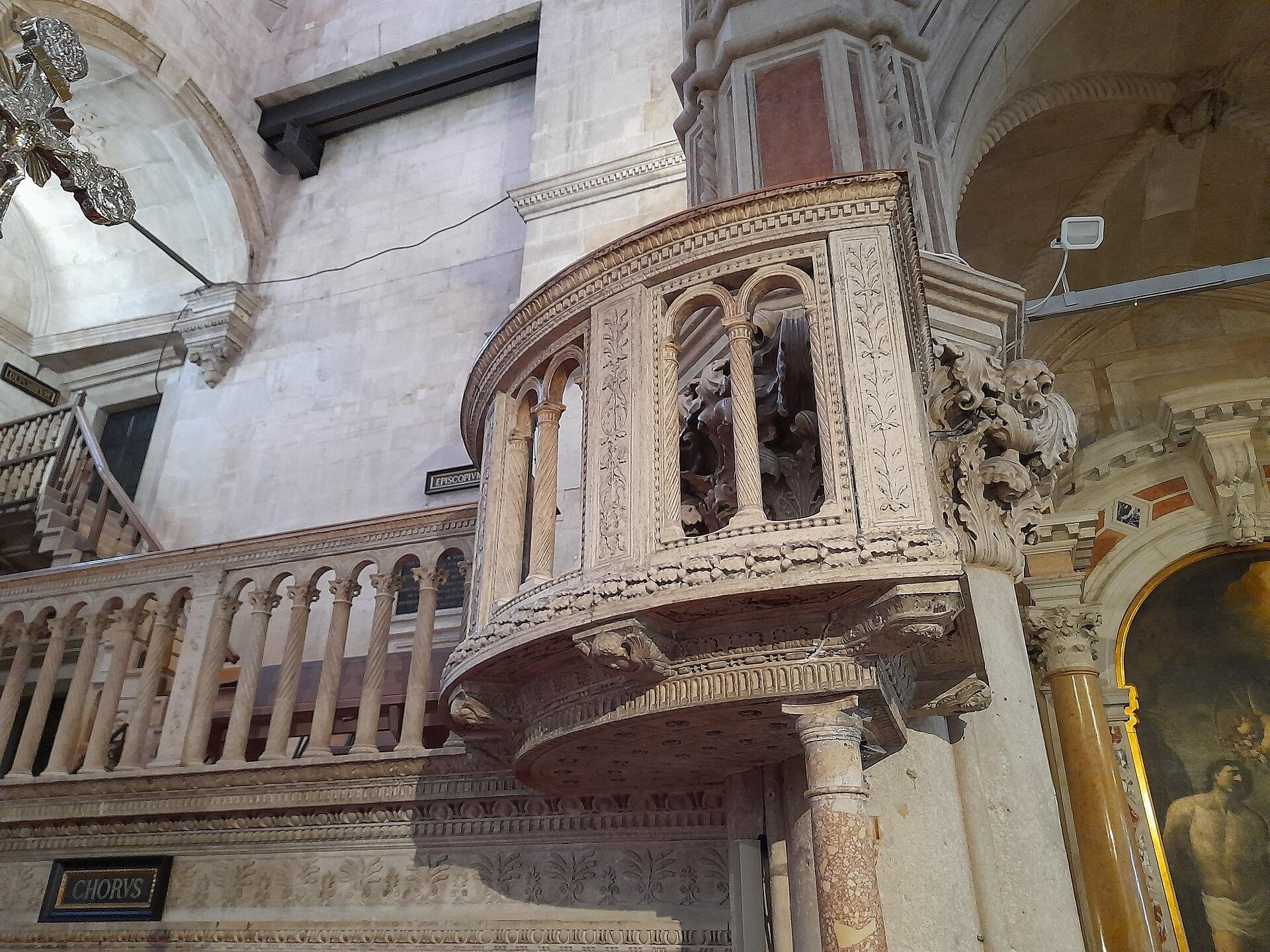
Šibenik hotels
Croatia · 146 hotels
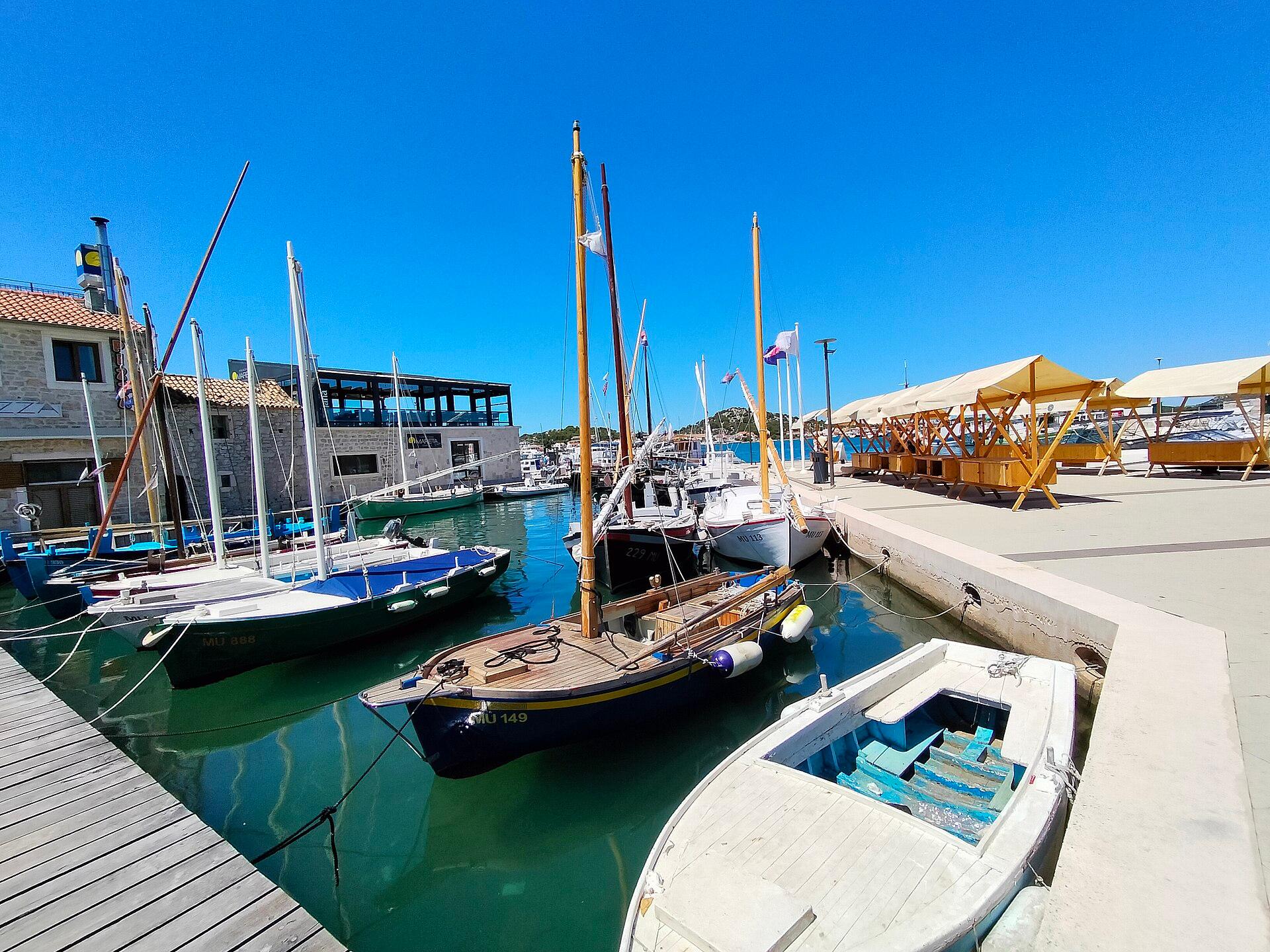
Murter hotels
Croatia · 74 hotels
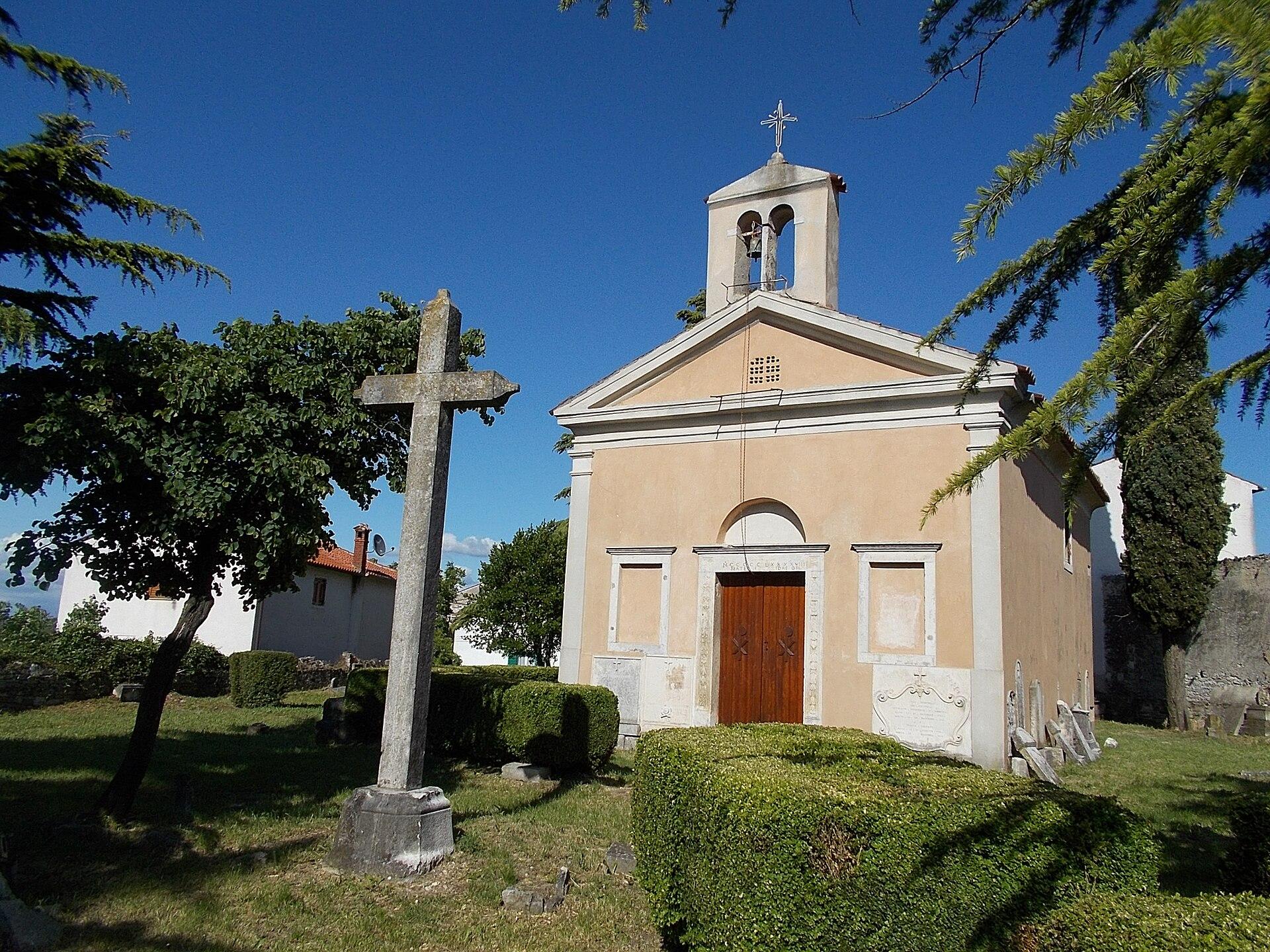
Materada hotels
Croatia · 56 hotels
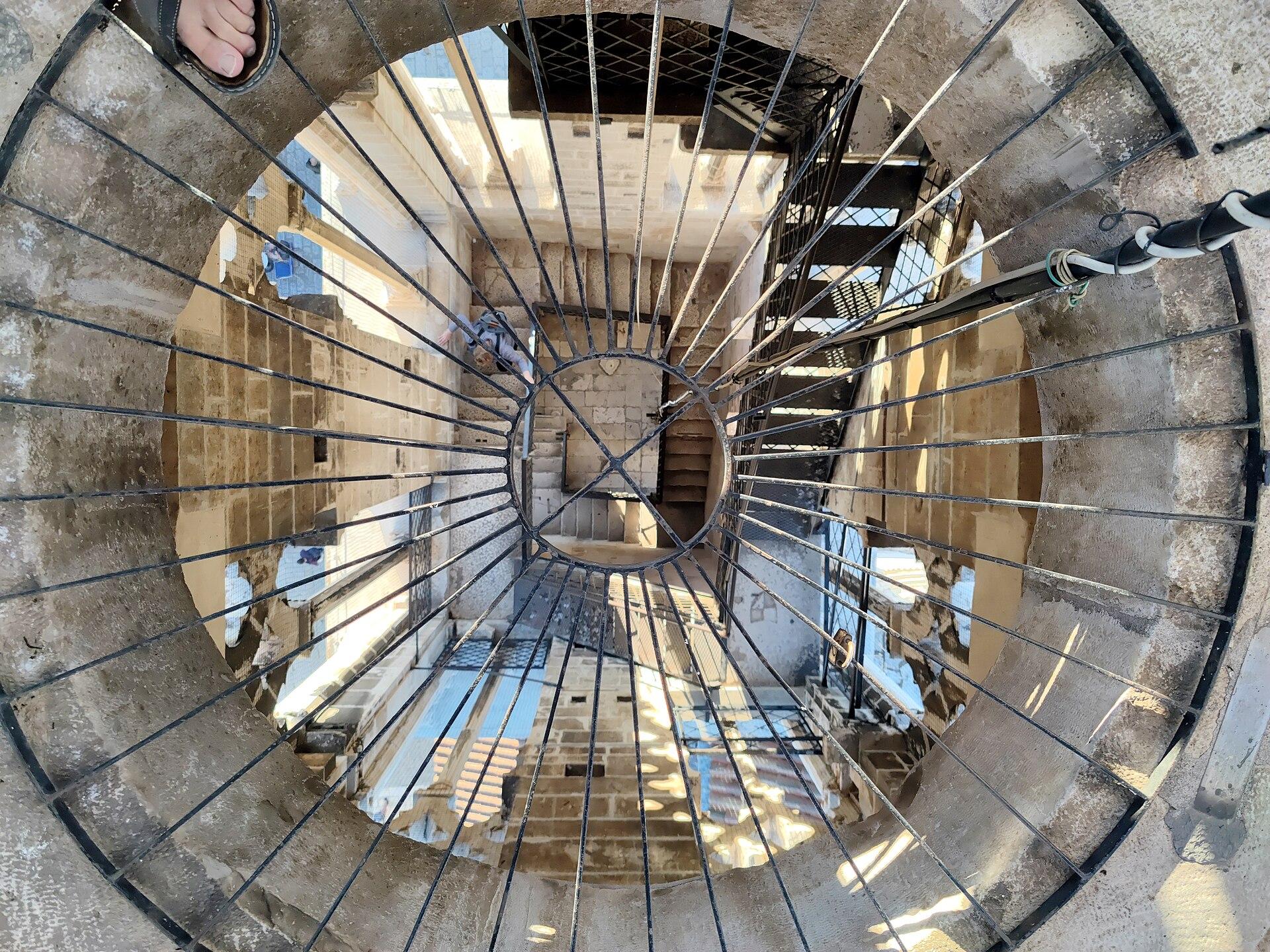
Trogir hotels
Croatia · 50 hotels
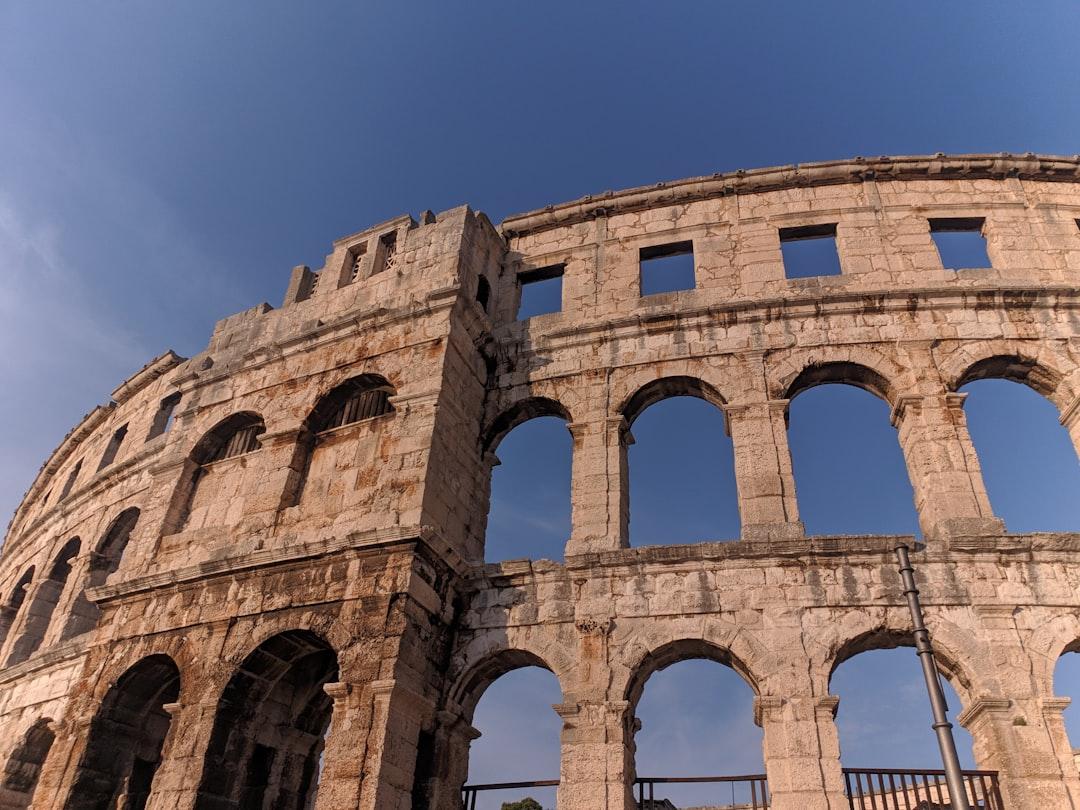
Pula hotels
Istria · 50 hotels
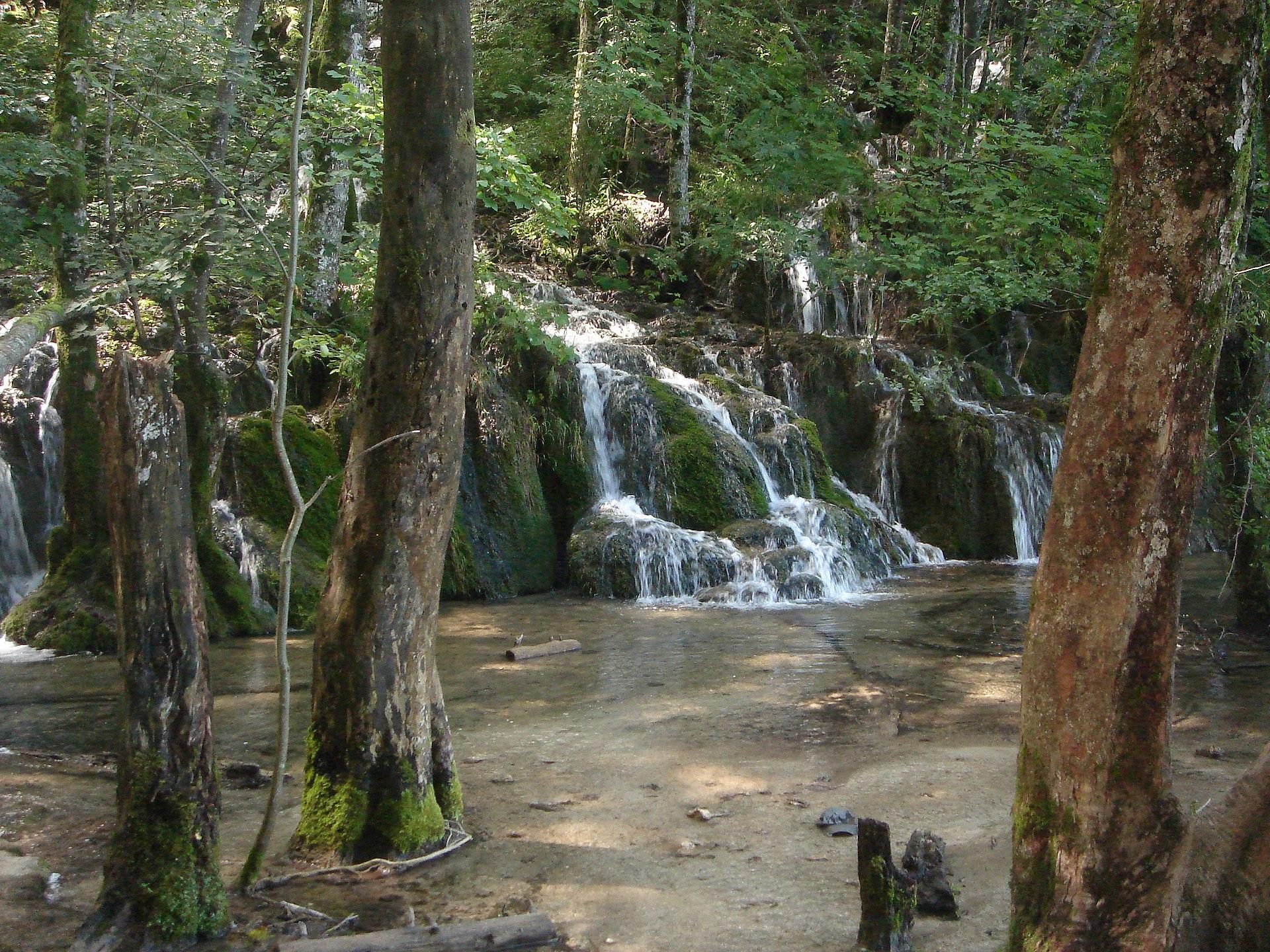
Plitvice Lakes National Park hotels
Croatia · 15 hotels
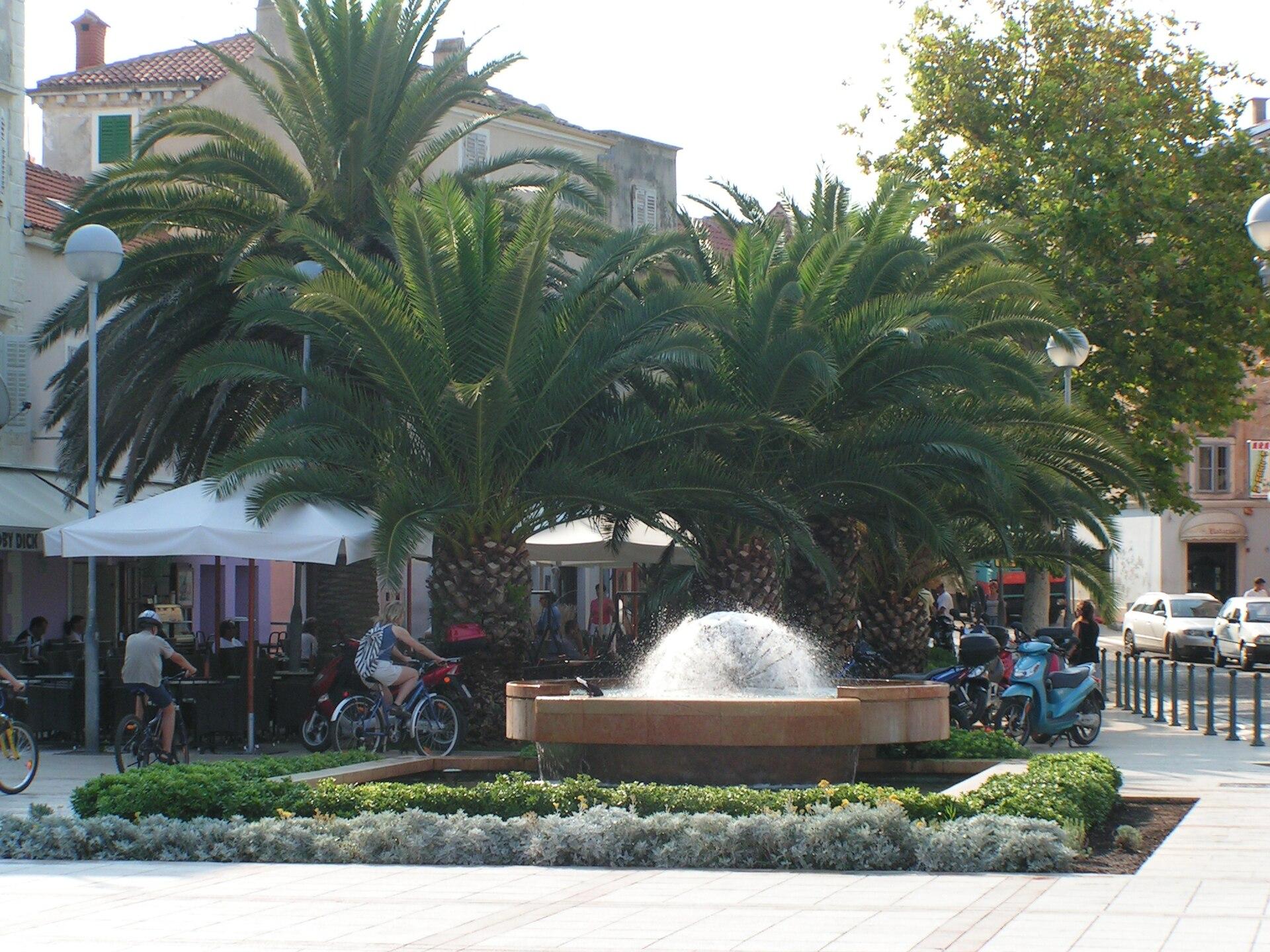
Mali Lošinj hotels
Croatia · 11 hotels
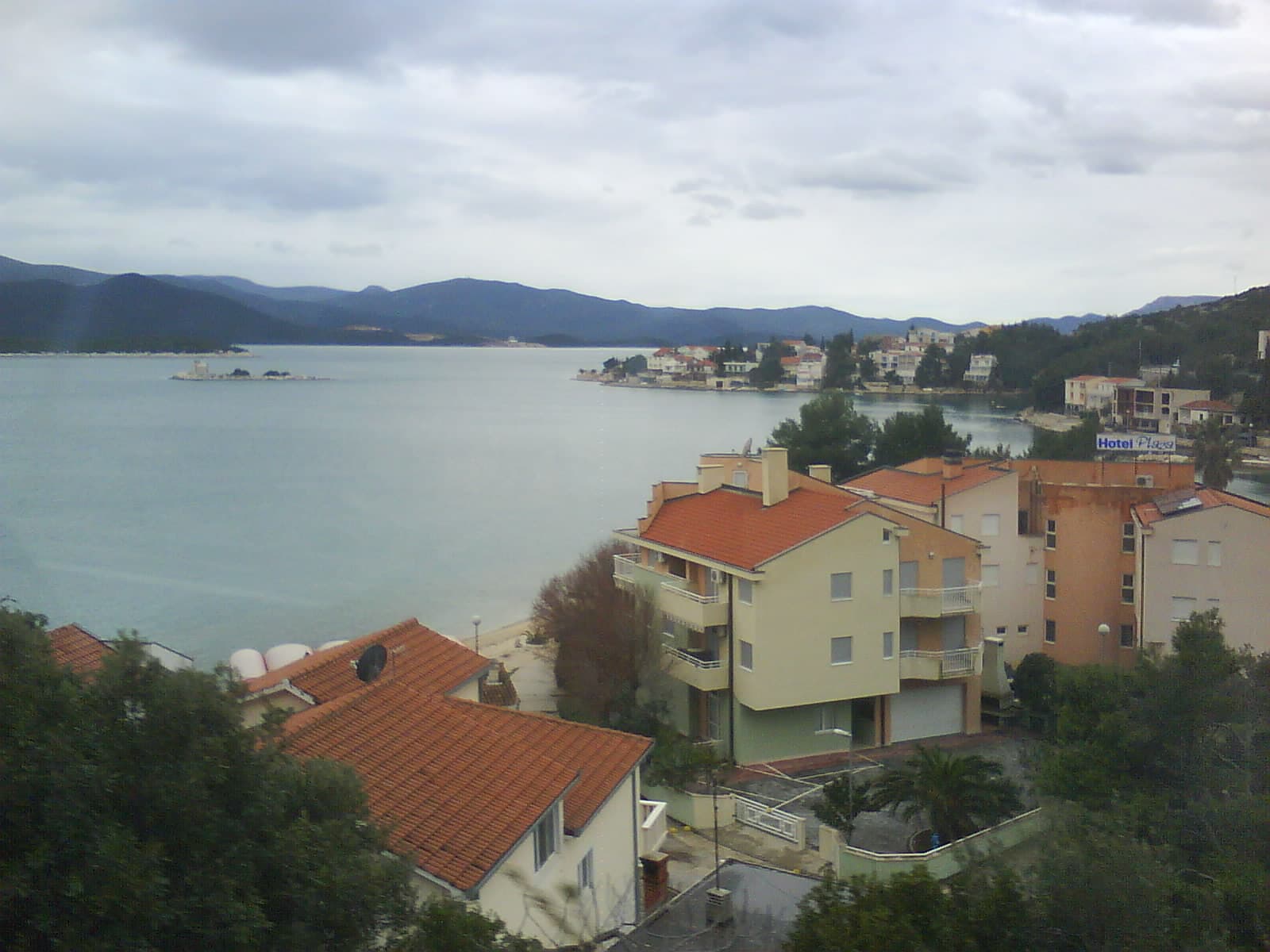
Komarna hotels
Croatia · 1 hotels
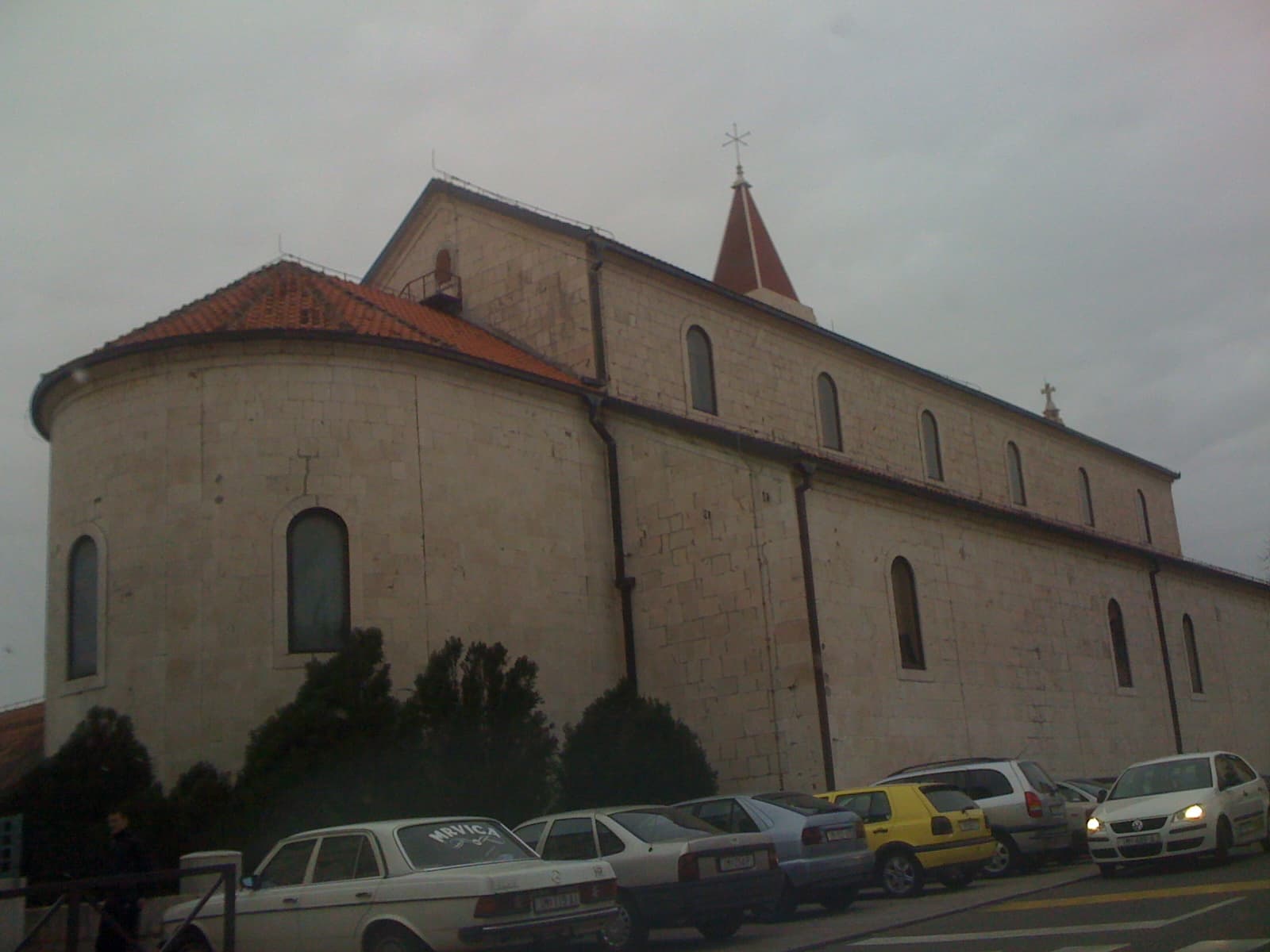
Donji Proložac hotels
Croatia · 1 hotels
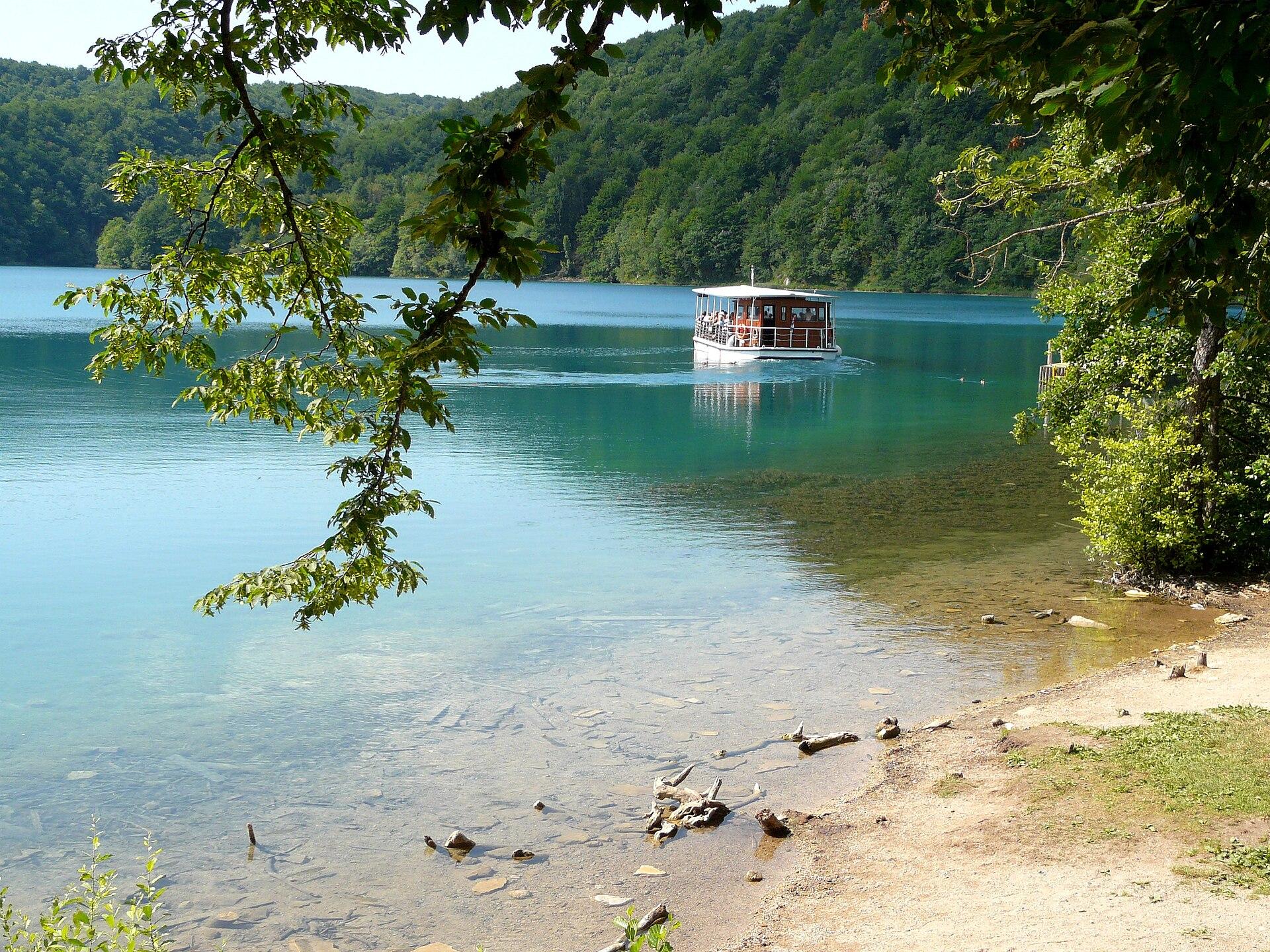
Plitvica Selo hotels
Croatia · 1 hotels
Hršćevani hotels
Croatia · 1 hotels
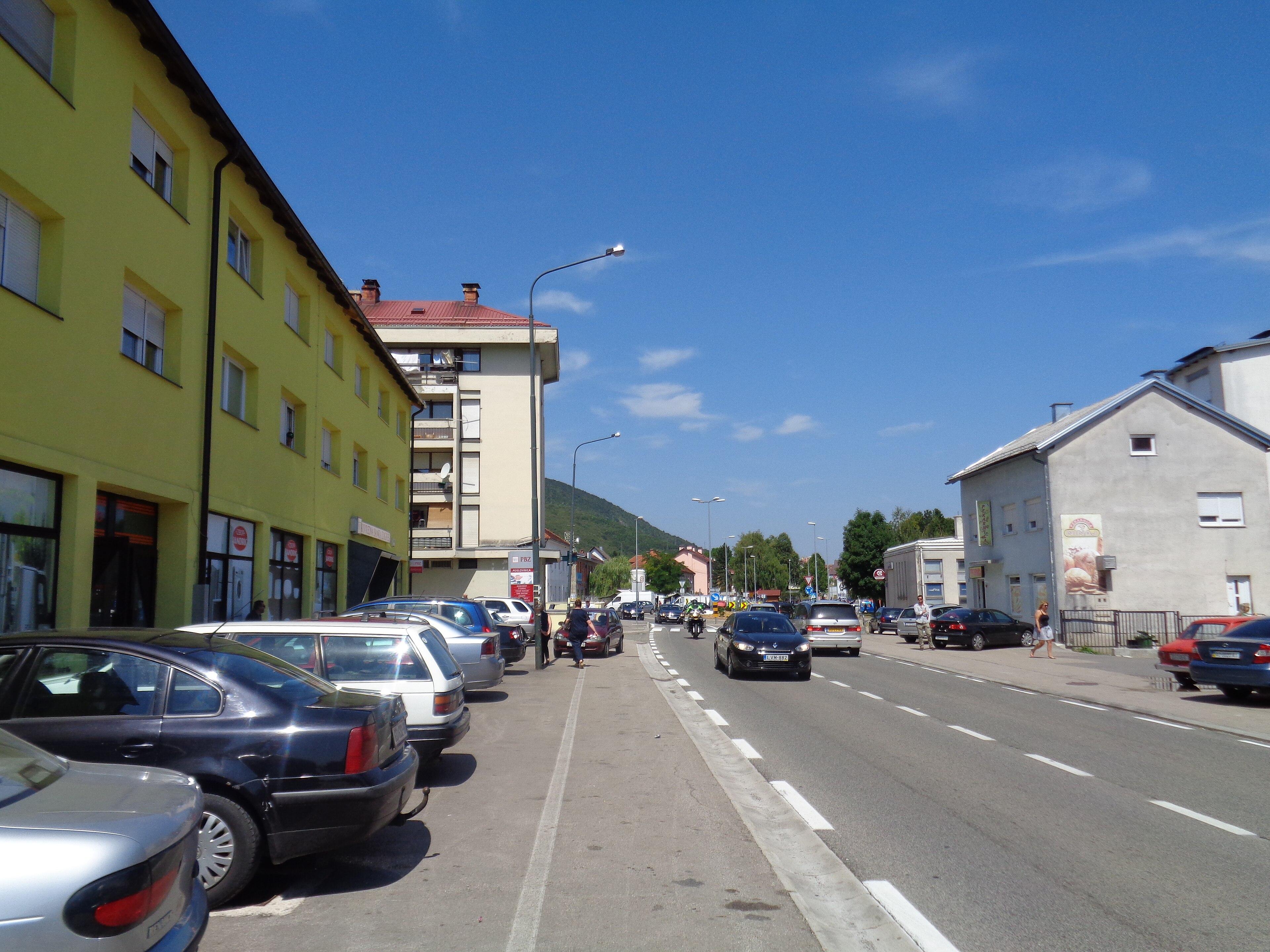
Korenica hotels
Croatia · 1 hotels
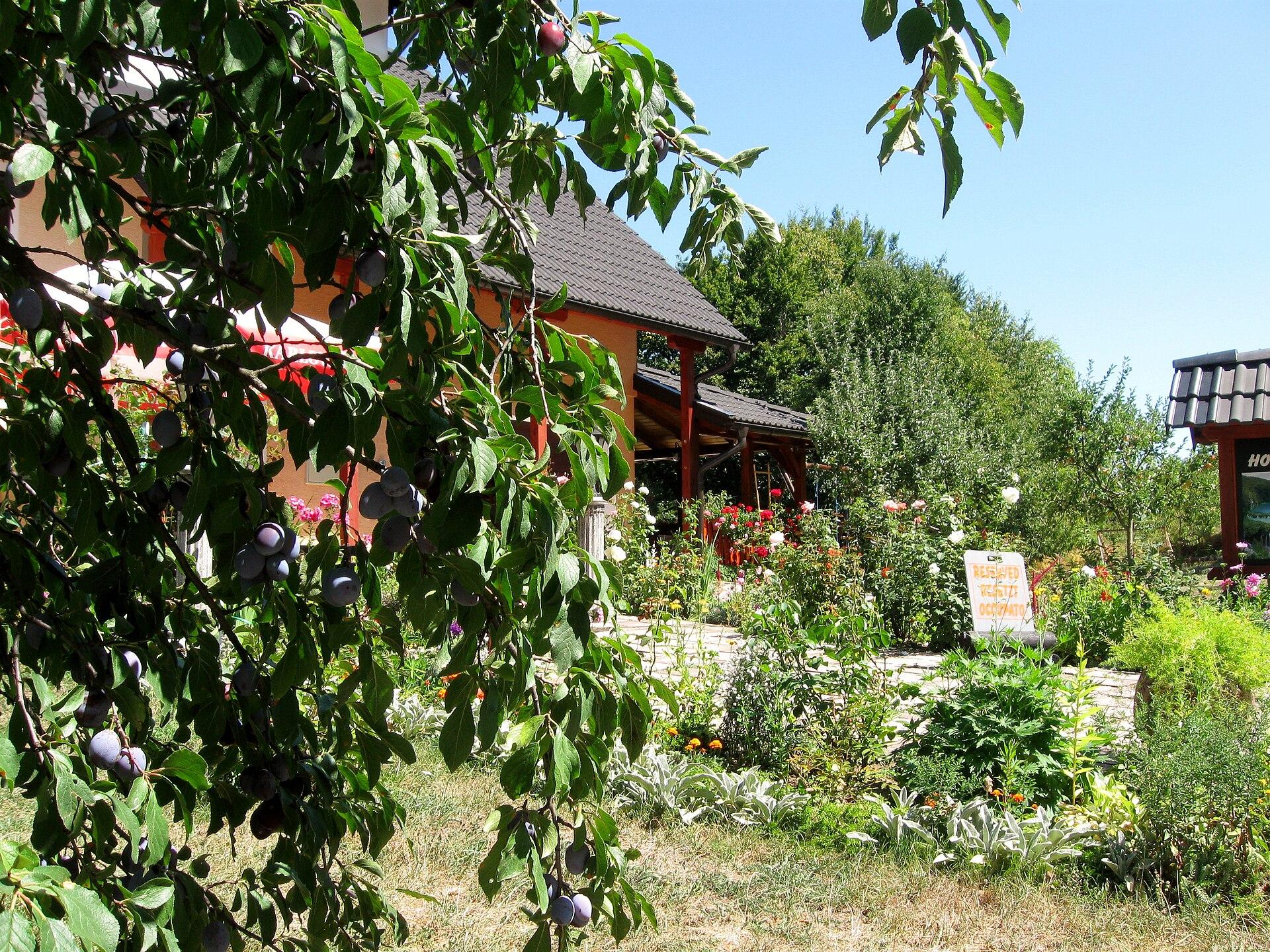
Rastovača hotels
Croatia · 1 hotels
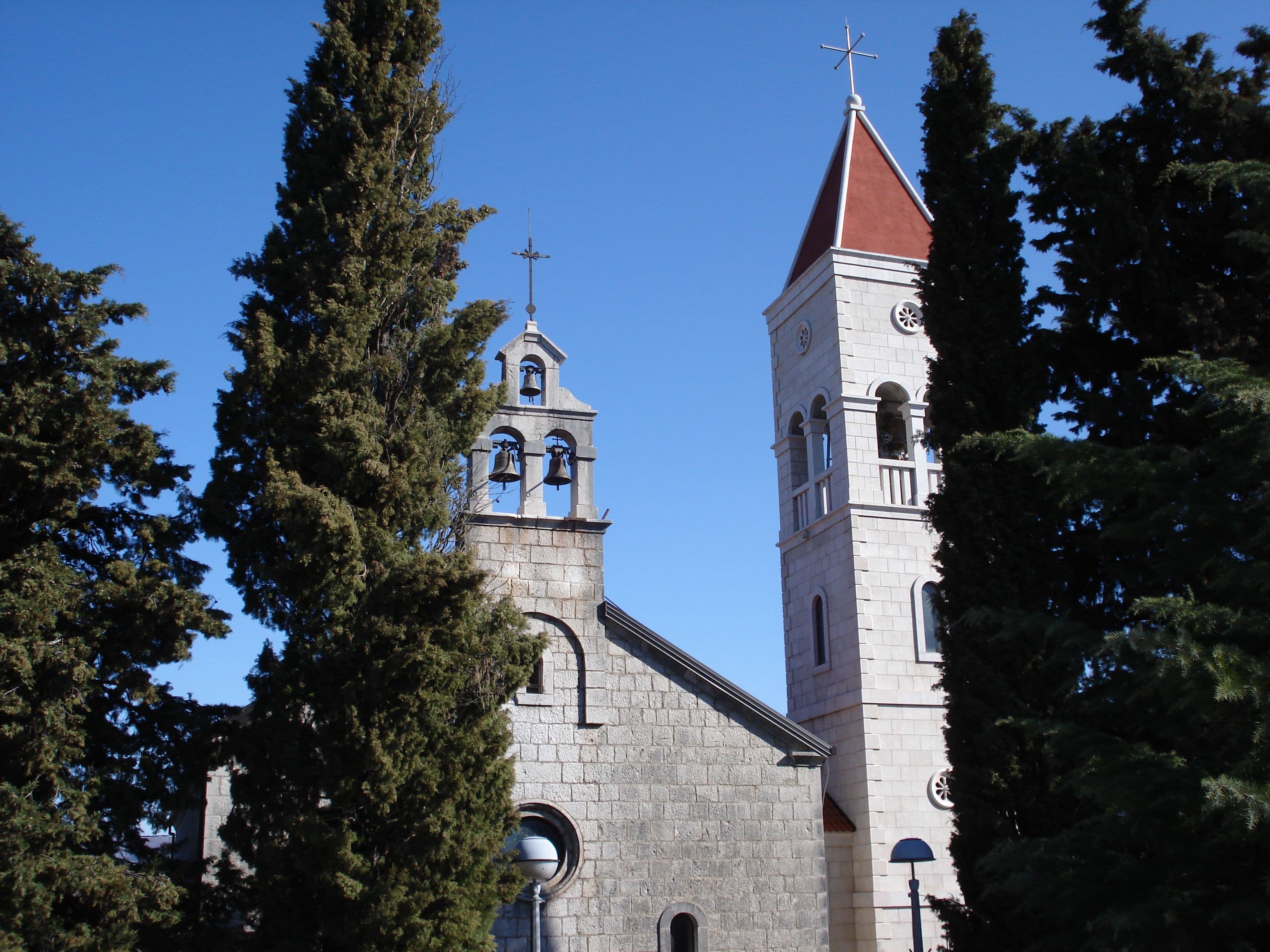
Zmijavci hotels
Croatia · 1 hotels
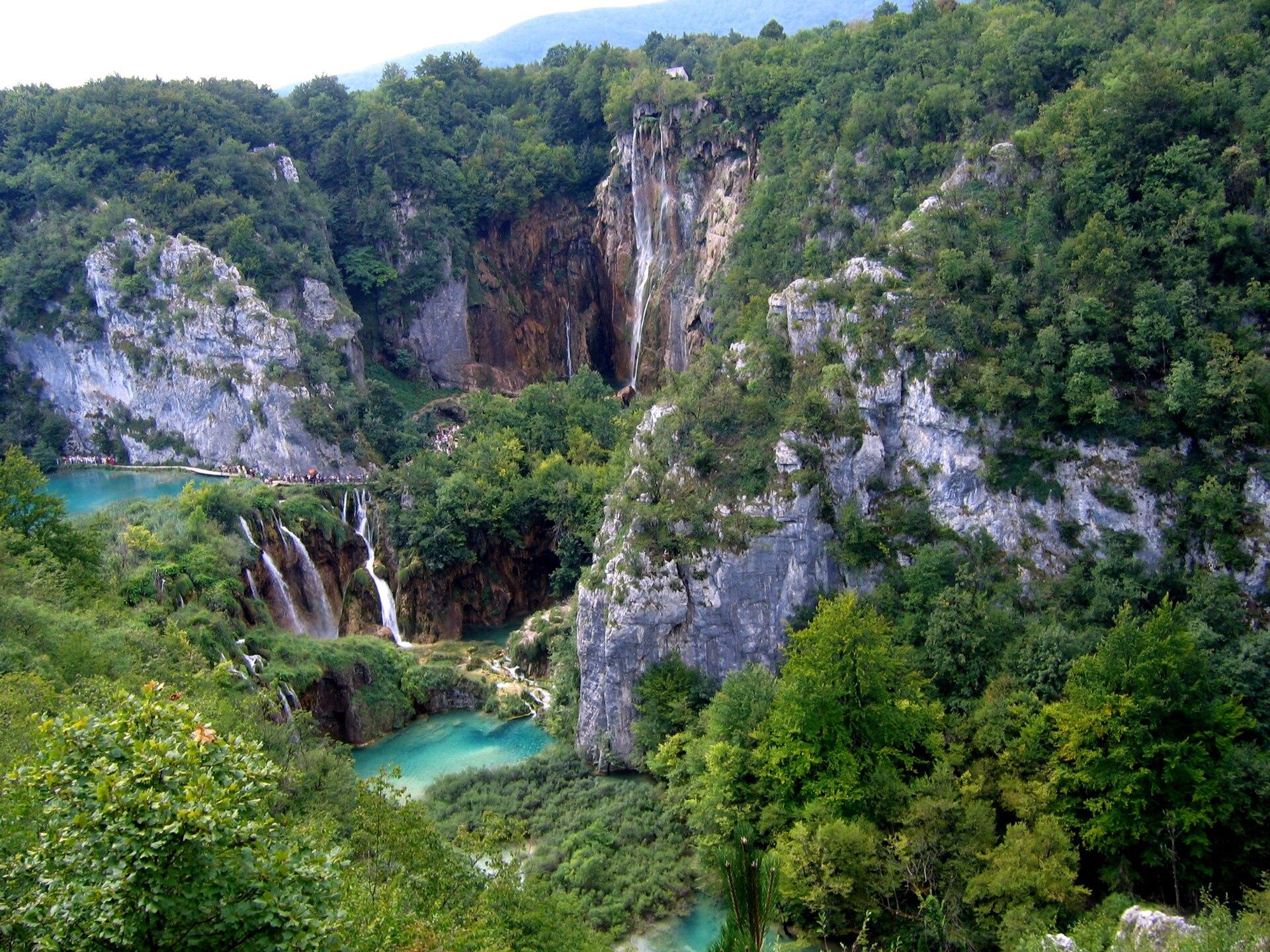
Gornje Vrhovine hotels
Croatia · 1 hotels
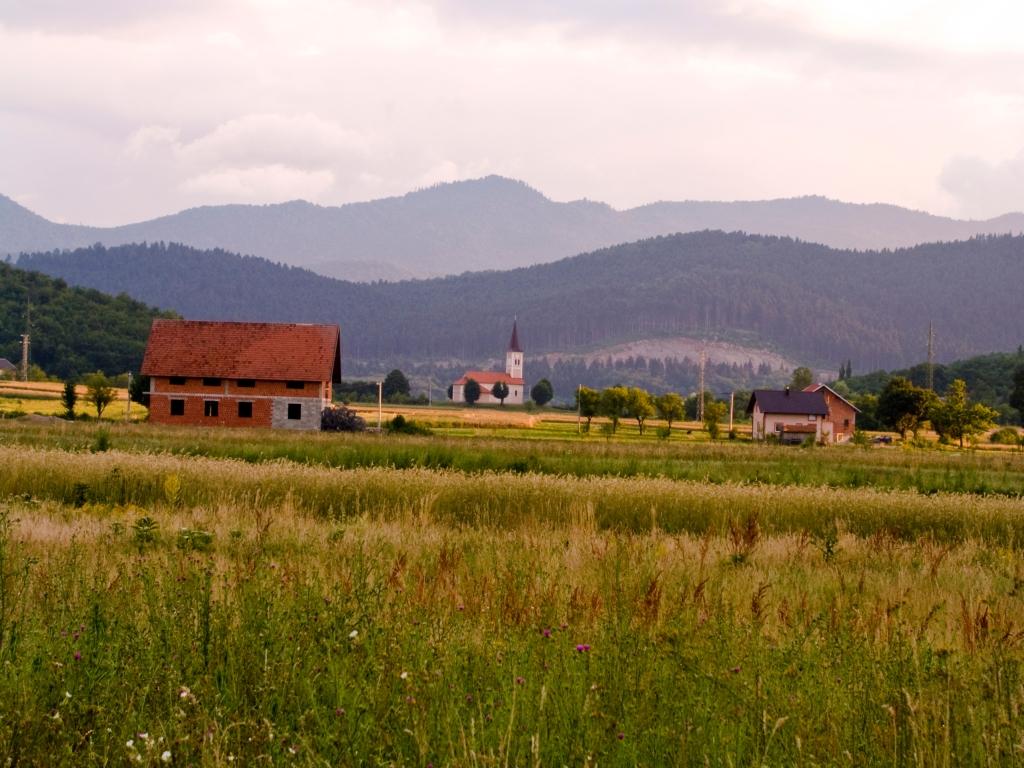
Prozor hotels
Croatia · 1 hotels
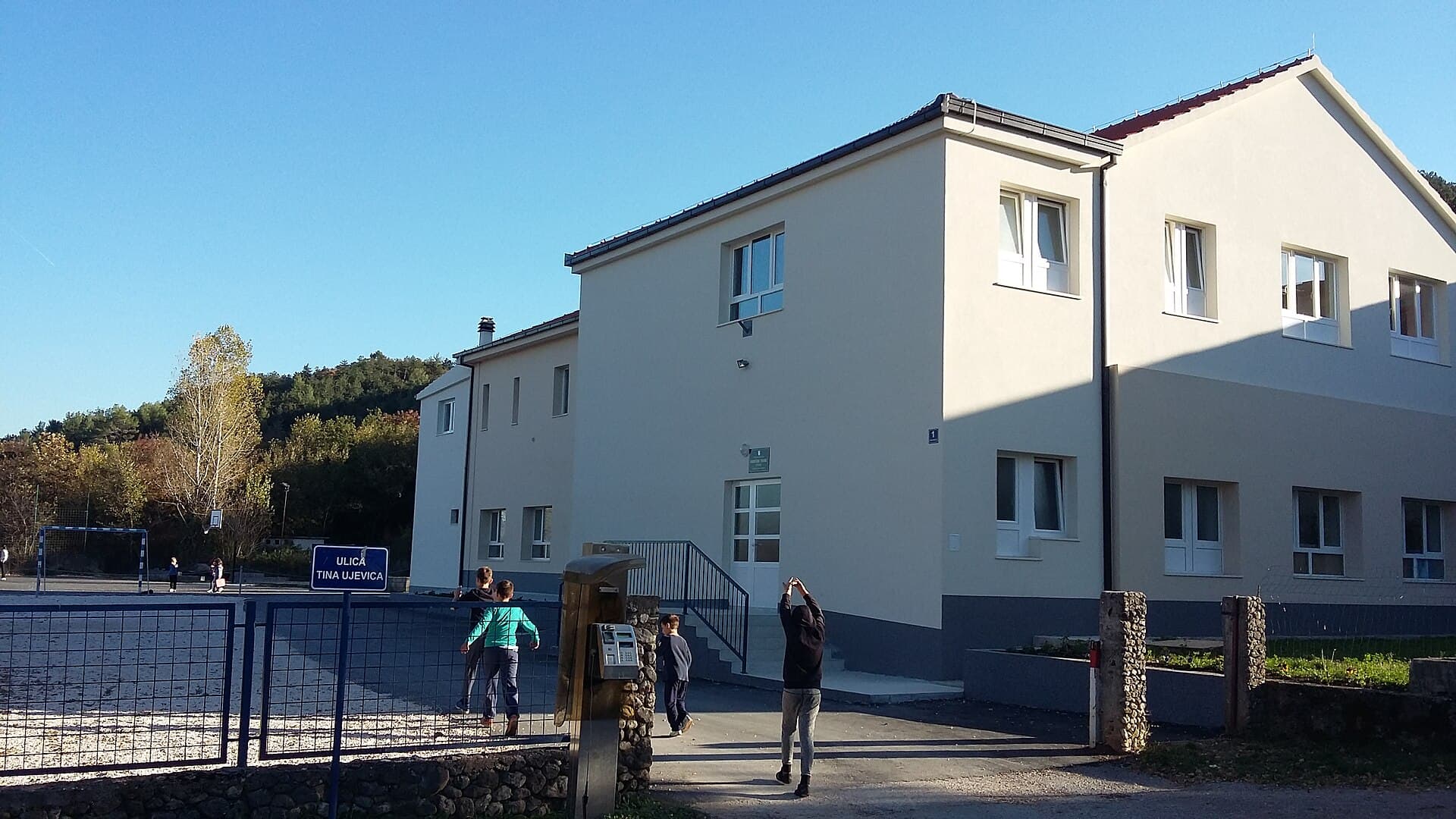
Grubine hotels
Croatia · 1 hotels
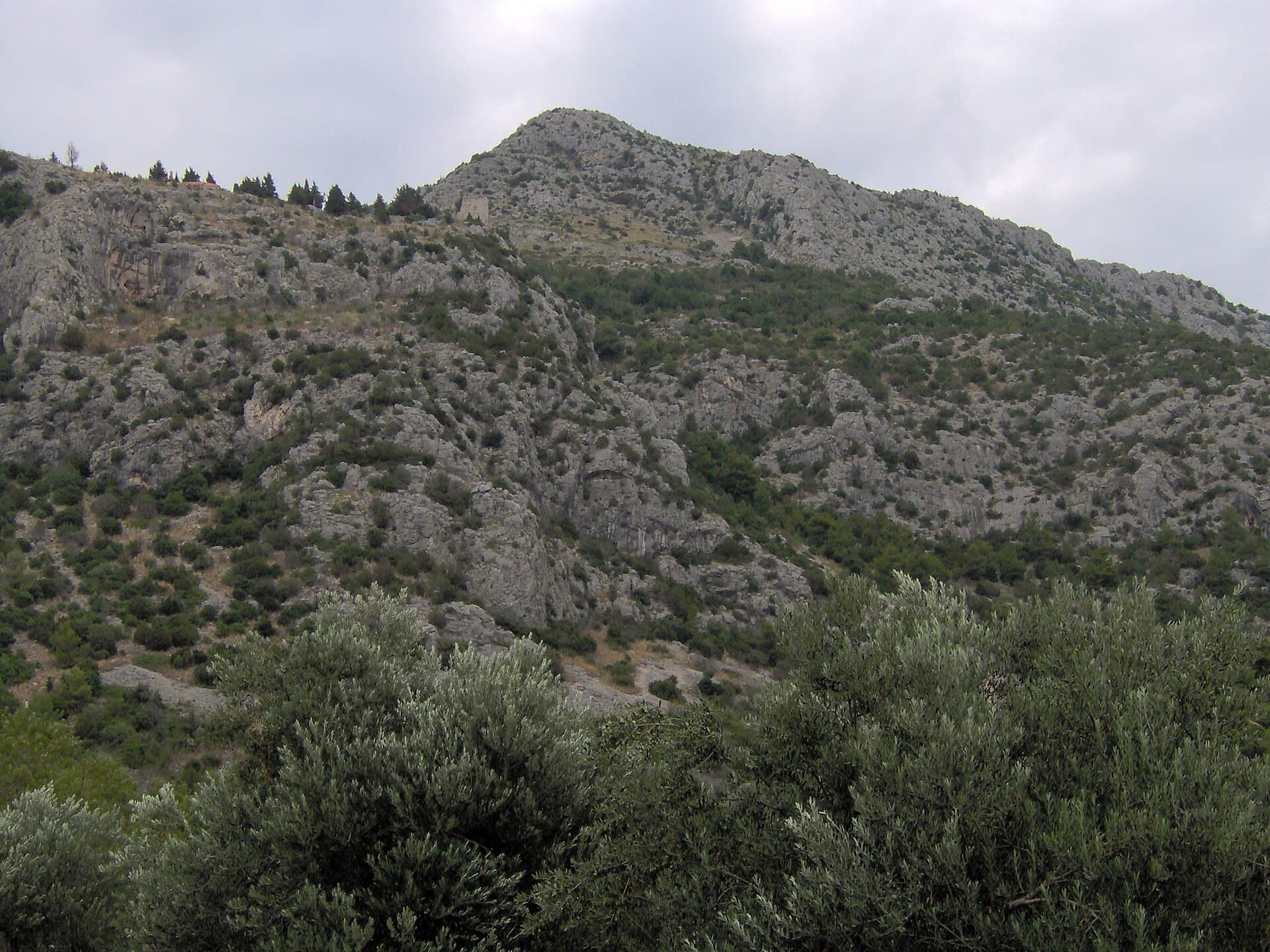
Duboka hotels
Croatia · 1 hotels