Hotels in Istria
2 cities · 254 hotels
Istria, Croatia
Wedged into the northern tip of the Adriatic, Istria is Croatia's largest peninsula and one of the most rewarding corners of Central Europe. Bordered by Slovenia to the north and the Kvarner Gulf to the southeast, this sun-warmed triangle of land blends Venetian architecture, Roman ruins, rolling olive groves, and a coastline that draws swimmers and sailors from across the continent.
History and Culture
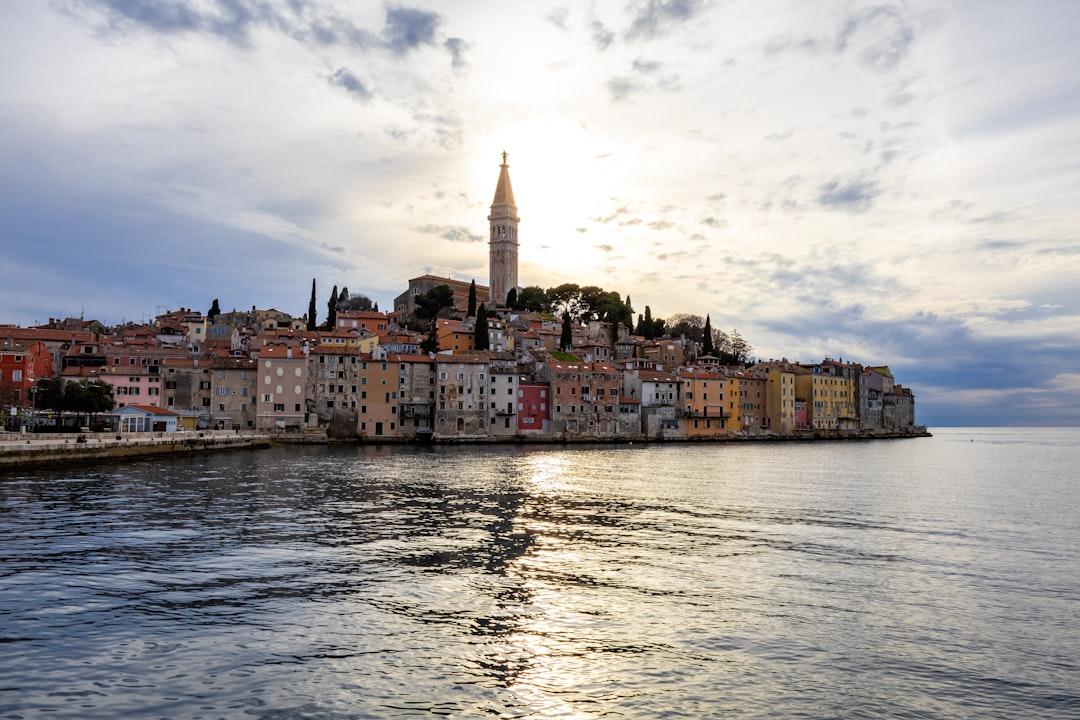
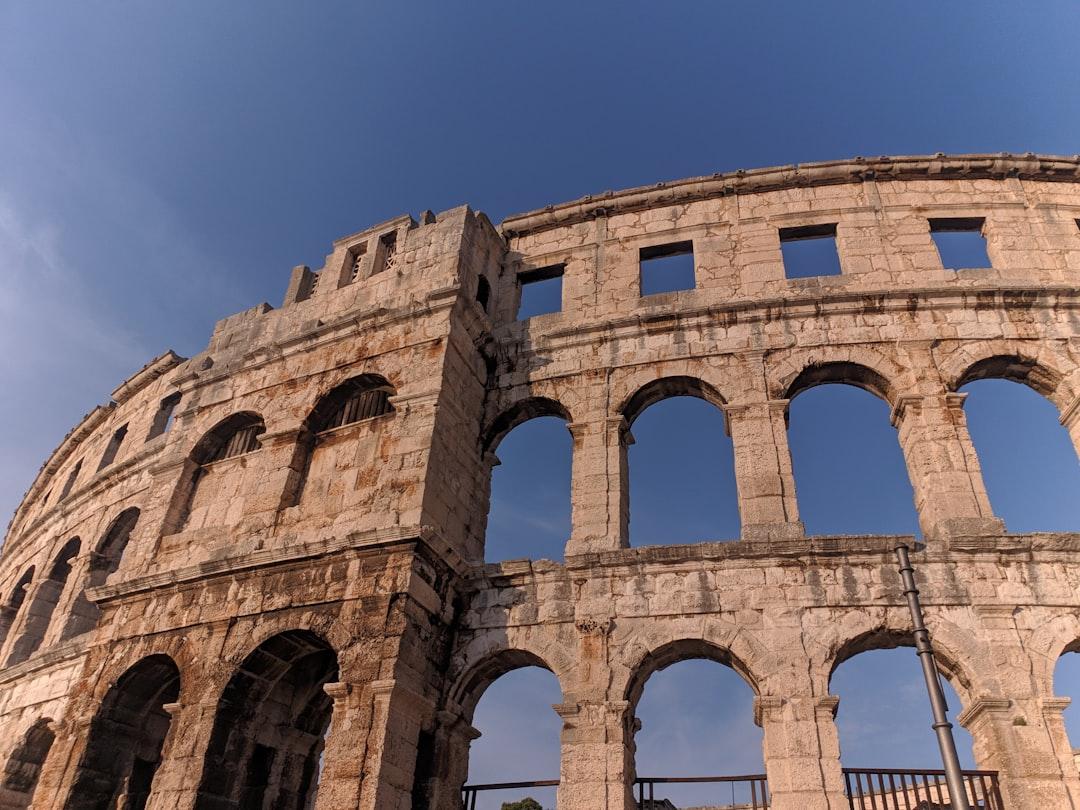
Istria has passed through the hands of Rome, Venice, Austria-Hungary, Italy, and Yugoslavia before becoming part of modern Croatia — and every chapter left its mark. The port city of Pula anchors the southern tip with a remarkably preserved Roman amphitheatre, one of the largest in the world, still used for concerts and film festivals today. Rovinj, perched on a rocky promontory, wears its Venetian past proudly in its cobbled lanes and the bell tower of St. Euphemia's Church rising above terracotta rooftops. Inland, hilltop towns like Motovun and Grožnjan offer medieval streetscapes and sweeping views over vineyards.
Food and Wine
Istrian cuisine is a serious draw in its own right. The peninsula is one of Europe's premier truffle regions — the Motovun Forest yields both black and the prized white truffle, shaved generously over pasta, eggs, and risotto. Olive oil produced here regularly wins international awards, and the local Malvazija white wine and Teran red are worth seeking out in any konoba (traditional tavern). Seafood along the coast is exceptionally fresh, with grilled fish, buzara-style shellfish, and salt-cured anchovies appearing on menus throughout the season.
Outdoor Life and the Coast
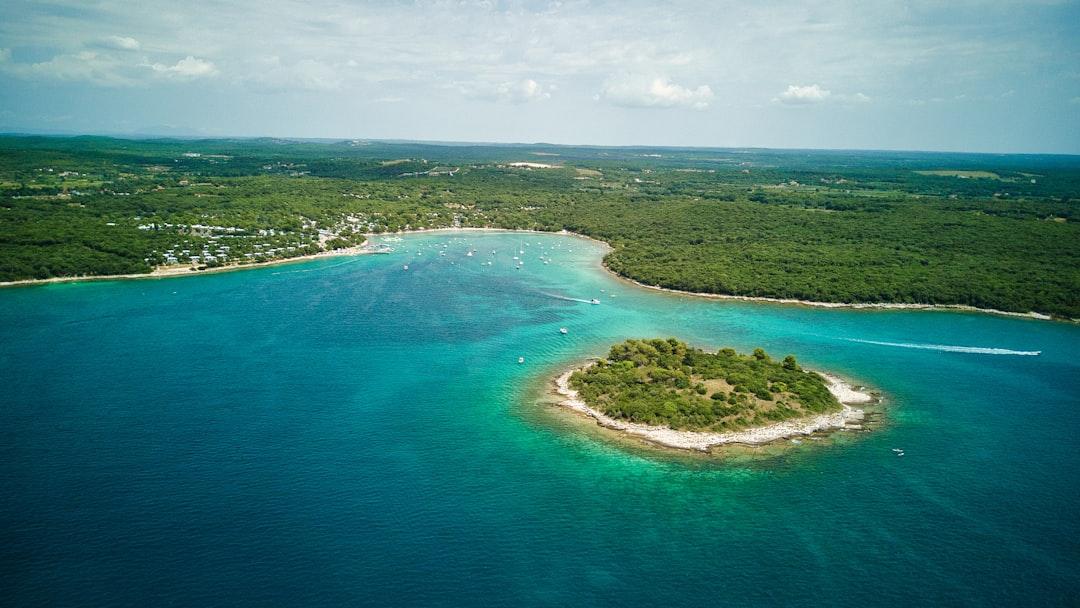
The Istrian coastline stretches for hundreds of kilometres, ranging from busy resort beaches near Poreč and Umag to quiet coves accessible only by boat or on foot. The interior is ideal cycling territory — a network of well-marked routes winds through vineyards, oak forests, and past agritourism farms. The Brijuni Islands, a short ferry ride from Fažana, form a national park where visitors can explore Roman ruins, a safari park, and pristine Adriatic waters.
Practical Tips
- Best time to visit: May–June and September–October offer warm weather without peak-season crowds. July and August are the busiest and hottest months.
- Getting around: A rental car gives the most freedom, especially for exploring hilltop villages and rural wineries. Buses connect major coastal towns.
- Currency: Croatia joined the Eurozone in 2023, so the euro (€) is the official currency.
- Language: Croatian is the official language; Italian is widely spoken in many coastal areas, and English is common in tourist zones.
- Accommodation: Options range from small family-run guesthouses in hilltop villages to larger resort hotels along the coast. Booking ahead is essential in summer.