
Hotels near Stradun
Dubrovnik · 105 hotels nearby (showing closest 20)
Photo by Archana Reddy on Unsplash
About Stradun
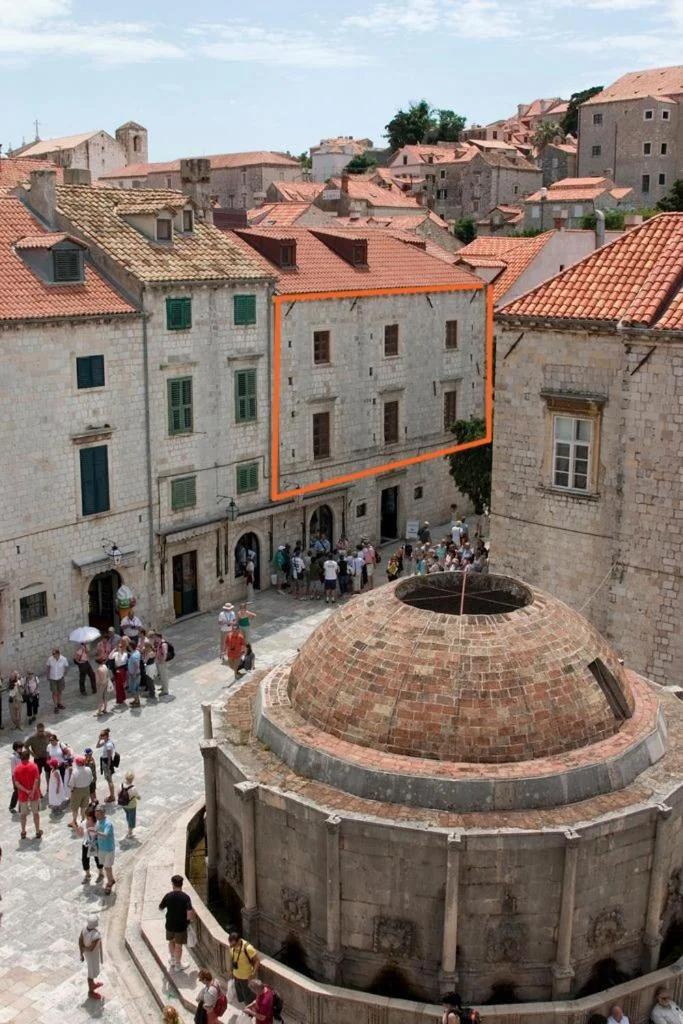
Stradun is the main limestone-paved pedestrian thoroughfare in Dubrovnik's Old Town. Also called Placa, this 300-meter-long street runs from the Pile Gate to the Ploče Gate—connecting the city’s historic western and eastern entrances. Rebuilt in the 17th century after a 1667 earthquake, its uniform Baroque architecture features distinctive green shutters and stone buildings. The street is lined with shops, cafes, and landmarks like the Onofrio’s Large Fountain and the 14th-century Franciscan Monastery. It is the central axis for major events like the annual Dubrovnik Summer Festival.
Frequently asked questions
What is Stradun in Dubrovnik?
Stradun is the primary pedestrian street in Dubrovnik's Old Town. It serves as the main thoroughfare connecting the city's western Pile Gate to the eastern Ploče Gate.
How long is Stradun?
Stradun is approximately 300 meters long. Its uniform limestone pavement and Baroque architecture create a distinct visual corridor through the historic center.
What are the main landmarks on Stradun?
Key landmarks include Onofrio’s Large Fountain near the Pile Gate entrance and the Franciscan Monastery with its historic pharmacy. The street is also lined with numerous shops and cafes.
When was Stradun built?
The street's current Baroque appearance dates from its reconstruction after a major earthquake in 1667. The uniform design was mandated by the city's rebuilding plan.
Is Stradun open to vehicles?
No, Stradun is a strictly pedestrian zone. The limestone-paved street is closed to all vehicular traffic, making it a central walking area for visitors and locals.
What events take place on Stradun?
The street is a main venue for the Dubrovnik Summer Festival, featuring open-air concerts and performances. It also serves as a procession route for traditional ceremonies and festivals.
Hotels nearby