

Hotels near Temple of Augustus
Pula · 2 hotels nearby
Photo by Niels Bosman on Unsplash
About Temple of Augustus
The Temple of Augustus stands as one of Pula’s most iconic landmarks, a testament to the city’s rich Roman heritage. Located in the heart of Pula’s historic center, this ancient temple dates back to the 1st century AD and is remarkably well-preserved. Dedicated to the first Roman emperor, Augustus, it offers visitors a fascinating glimpse into the architectural prowess of the Roman Empire. Its imposing facade, with its Corinthian columns and intricate details, is a must-see for history enthusiasts and casual travelers alike.
A Symbol of Roman Influence
The Temple of Augustus was built during the reign of Emperor Augustus, who ruled from 27 BC to 14 AD. It was part of a trio of temples, with the other two dedicated to Roma and Diana, though only the Temple of Augustus remains intact today. The temple’s design reflects classic Roman architecture, featuring a rectangular structure with a front portico supported by six towering columns. Over the centuries, it has served various purposes, from a church to a granary, before being restored to its original form.
Exploring the Temple Today
Visitors can step inside the temple to explore its small but captivating interior, which now houses a collection of ancient Roman sculptures and artifacts. The exhibits provide insight into Pula’s history and its significance as a Roman colony. The temple’s central location makes it easy to combine with other nearby attractions, such as the Pula Arena and the Arch of the Sergii. Whether you’re admiring its exterior or delving into its history, the Temple of Augustus is a cornerstone of Pula’s cultural identity.
Practical Tips for Visiting
The Temple of Augustus is open to the public year-round, with extended hours during the summer months. Admission is affordable, and guided tours are available for those who want a deeper understanding of its history. The area around the temple is pedestrian-friendly, making it easy to explore on foot. For the best experience, visit early in the morning or late afternoon to avoid crowds and capture great photos of the temple in soft natural light.
Frequently asked questions
When was the Temple of Augustus built?
Construction took place between 2 BC and AD 14, during the reign of Emperor Augustus. The temple was dedicated to the imperial cult of Augustus himself.
Is the Temple of Augustus open to visitors?
Yes, the temple is open to the public and functions as a small museum of Roman sculpture. Opening hours vary by season, so checking with the Pula Tourist Board before visiting is advisable.
How well preserved is the temple?
The temple is remarkably intact — its Corinthian colonnade and decorative frieze are largely original. Damage sustained during a 1944 Allied air raid was repaired by 1947, restoring the structure to its current condition.
Where exactly is the Temple of Augustus located?
It stands on the Forum, Pula's central square, which has served as the city's civic heart since Roman times. The square is within easy walking distance of the Pula Arena amphitheatre.
What else can visitors see near the Temple of Augustus?
The Forum square itself contains the Town Hall, built partly on the foundations of a second Roman temple. The Pula Arena, Arch of the Sergii, and the city's Roman city gates are all within a short walk.
Are there hotels close to the Temple of Augustus?
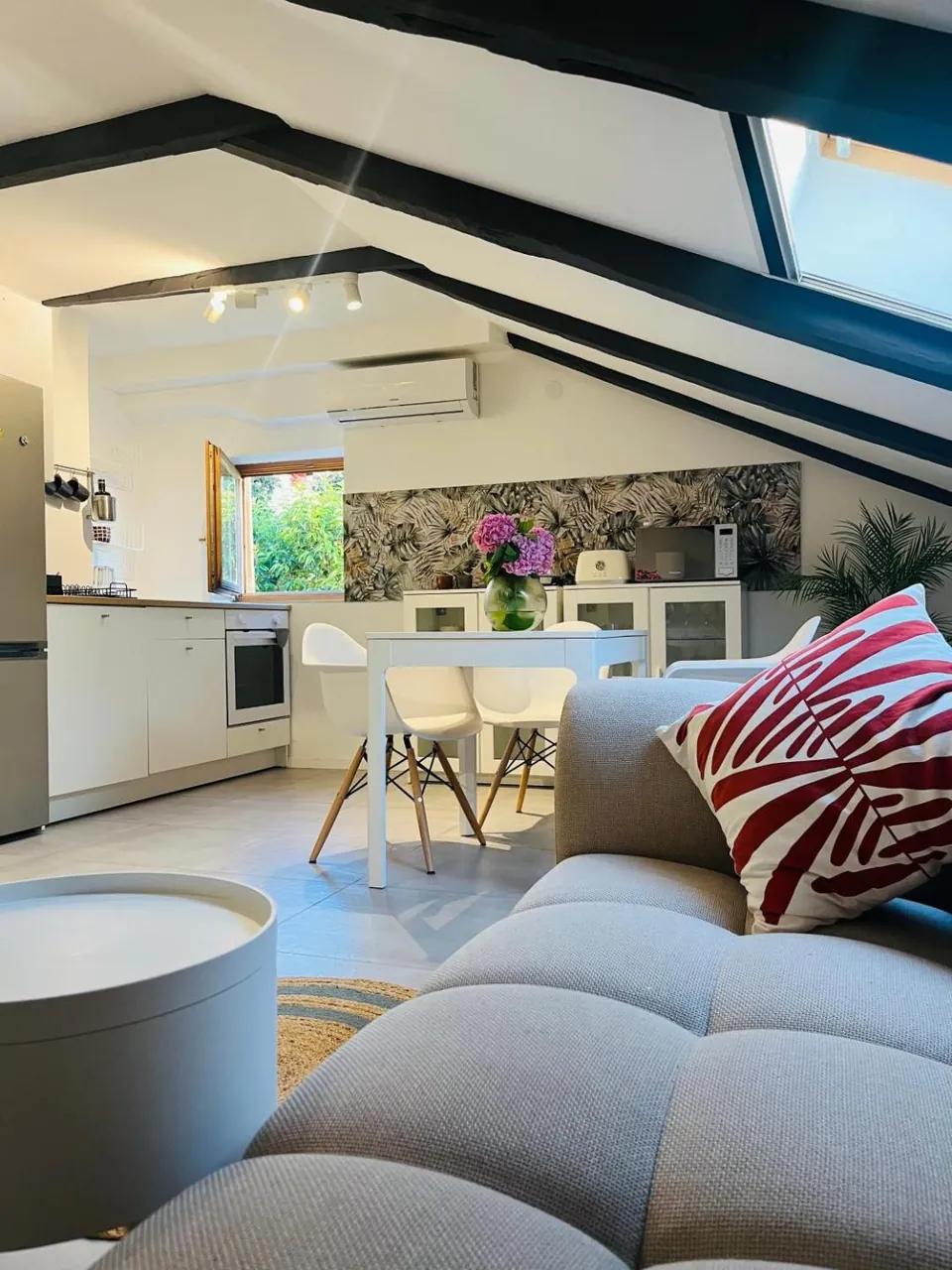
Several hotels and guesthouses are located within the old town, placing guests a few minutes on foot from the Forum. Broader accommodation options spread across central Pula and the nearby waterfront.
Hotels nearby

Check availability