Hotels in Djibouti
1 cities · 1 hotels
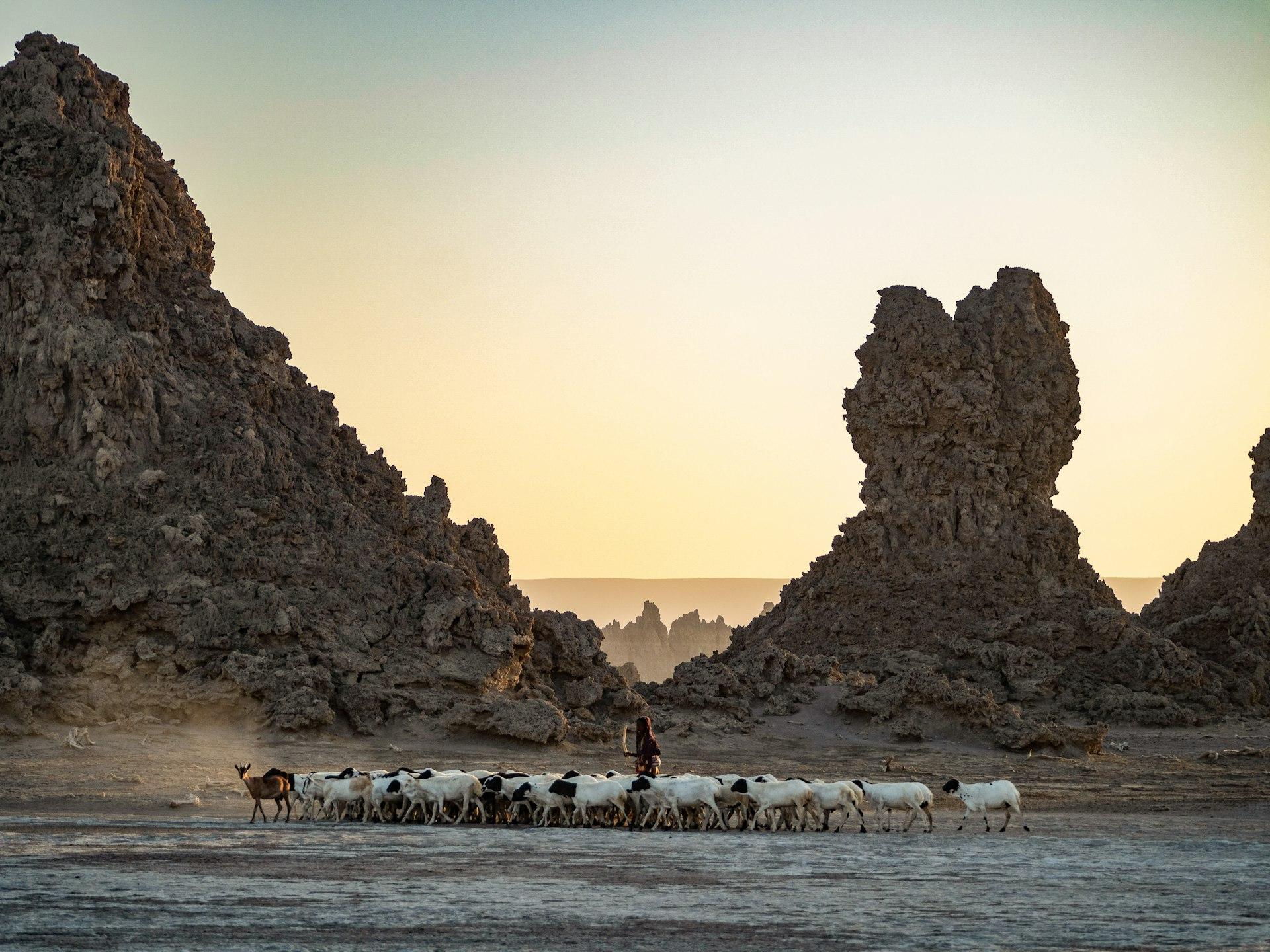
Photo by Lesly Derksen on Unsplash
Djibouti: Salt Lakes, Shark Dives, and the Horn of Africa's Crossroads
Djibouti occupies 23,200 square kilometres at the mouth of the Red Sea, where the Gulf of Aden meets the Bab-el-Mandeb Strait — one of the world's busiest shipping lanes. Fewer than one million people live here, yet the country hosts military bases from five nations and receives freight bound for landlocked Ethiopia through the port of Djibouti City. That strategic weight shapes the country in concrete ways: hotels range from no-frills transit stops to 4-star properties catering to diplomats and naval personnel, and the culinary scene reflects French, Somali, Yemeni, and Ethiopian influences within a few city blocks.
Cities Worth Exploring
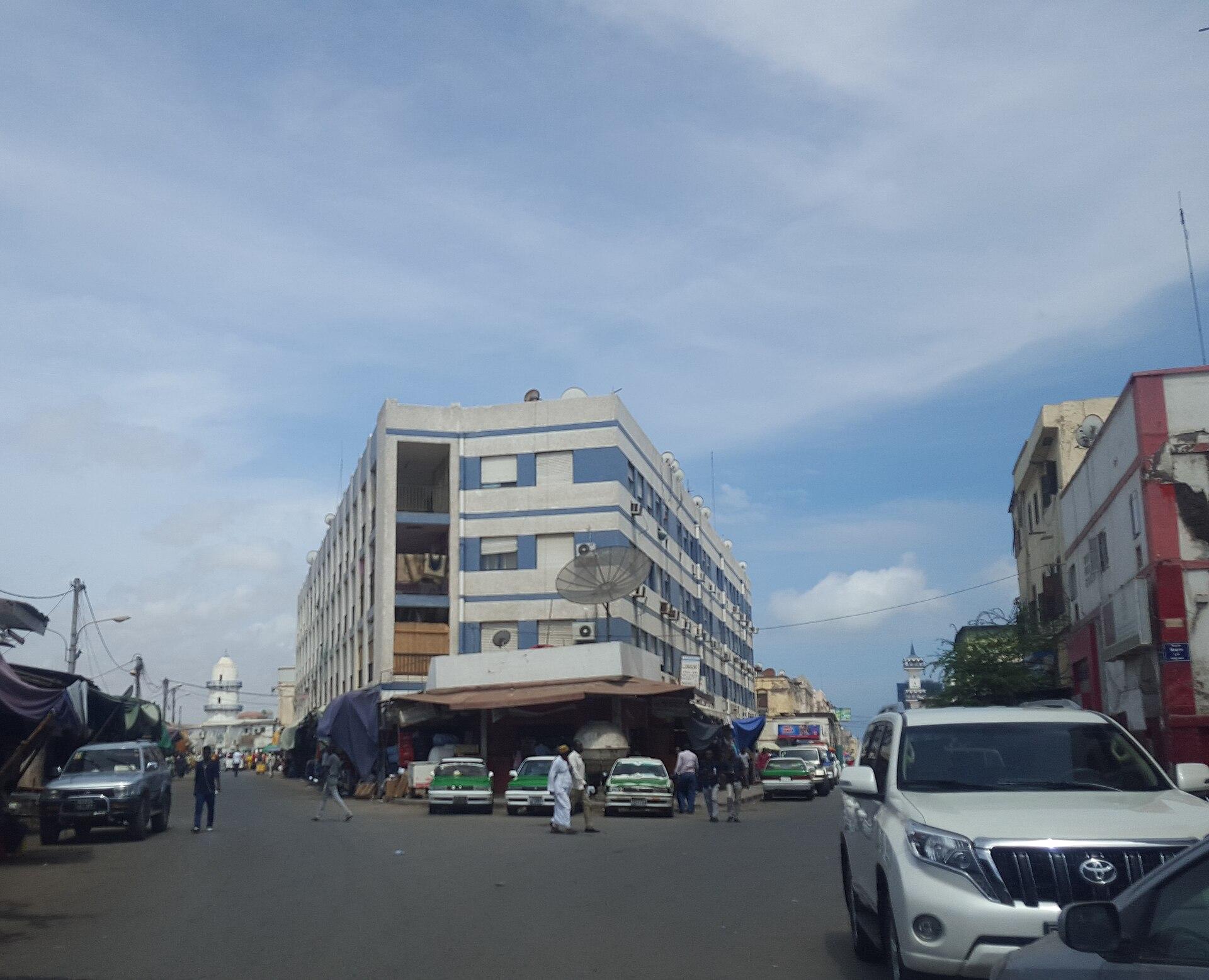
Djibouti City, the capital, sits on a peninsula jutting into the Gulf of Tadjoura. The Place Mahmoud Harbi anchors the commercial centre, flanked by the Central Market where khat arrives daily from Ethiopia. The European Quarter, built during French colonial administration before independence in 1977, retains wide boulevards and low stucco buildings distinct from the African Quarter to its north. Most international hotels concentrate within 2 km of the port. Tadjoura, 85 km west across the gulf by ferry, is the country's oldest town — its whitewashed mosques date to the 13th century and the pace slows considerably.
Regions and Natural Landmarks
Lake Assal, 120 km west of the capital, sits 155 metres below sea level — the lowest point in Africa and the third-lowest on Earth. Its salinity reaches 34.8%, ten times that of the ocean; salt crusts form thick enough to walk on. Lake Abbe, near the Ethiopian border, holds limestone chimneys up to 50 metres tall, formed by ancient hydrothermal vents; flamingo colonies gather at the water's edge between November and March. Gulf of Tadjoura draws divers between November and February when whale sharks — individuals reaching 12 metres — aggregate near the surface to feed on spawn. The Forêt du Day national park, at 1,500 metres elevation in the Mabla Mountains, shelters one of the last stands of juniper forest in the Horn of Africa.
When to Visit Djibouti
November through February offers the most tolerable conditions: daytime temperatures average 28–32 °C rather than the 40–45 °C of June through August. Whale shark season runs mid-October to late February. Ramadan timing shifts annually; during the holy month, restaurants in the city close during daylight hours and the pace of business slows. The Djibouti International Marathon is held each April, drawing East African runners and a small international field.
Practical Tips for Visiting Djibouti
- Visa: Most nationalities obtain a visa on arrival at Djibouti–Ambouli International Airport (JIB), 6 km south of the city centre. Check current requirements before travel.
- Currency: The Djiboutian franc (DJF) is pegged to the US dollar at roughly 177 DJF per USD; US dollars are widely accepted.
- Getting around: Taxis are unmetered — negotiate the fare before boarding. Minibuses connect the capital to Tadjoura via ferry, and to Ali Sabieh in the south.
- Language: French and Arabic are official; Somali and Afar are widely spoken.
- Pack accordingly: Lightweight, loose-fitting clothing for the heat; a warm layer for air-conditioned restaurants and the cool Mabla highlands.
- Water: Drink bottled water; tap water is not reliably safe for visitors.
Frequently Asked Questions
Q: Is Djibouti safe for travelers? A: Djibouti City and major tourist sites are generally considered safe. Travelers should avoid areas near the Eritrean and Somali borders and monitor foreign ministry advisories before departure.
Q: What currency should visitors carry in Djibouti? A: The Djiboutian franc (DJF) is the official currency, pegged at approximately 177 DJF to 1 USD. US dollars are accepted at most hotels and larger restaurants.
Q: When is the best time to see whale sharks in Djibouti? A: Whale shark aggregations in the Gulf of Tadjoura peak from mid-November through late January, coinciding with spawning events that attract these filter feeders to surface waters.
Q: How do travelers get from Djibouti City to Lake Assal? A: Lake Assal lies roughly 120 km west of the capital via the RN1 highway. A 4WD vehicle is advisable for the final approach; guided day tours depart from Djibouti City hotels.
Q: Are there direct flights to Djibouti? A: Djibouti–Ambouli International Airport receives direct flights from Addis Ababa, Dubai, Istanbul, Paris, and several Gulf cities. Ethiopian Airlines and Air France serve the route most frequently.