
Hotels in Croix-Rousse, Lyon
4 hotels · 8 nearby attractions· Part of Lyon
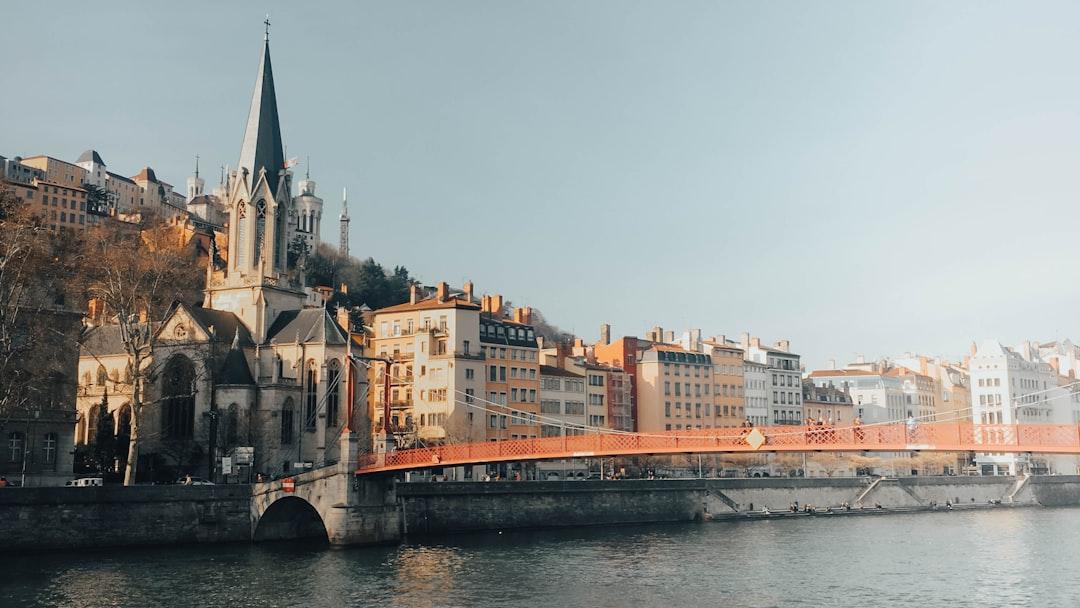
Photo by Carnet de Voyage d'Alex on Unsplash
About Croix-Rousse
Perched on a steep hill in the heart of Lyon, Croix-Rousse is a district with a distinct identity — part working-class heritage, part bohemian present. Known historically as the hill that works (as opposed to Fourvière, the hill that prays), it earned its reputation through the silk-weaving industry that defined Lyon for centuries. Today, it draws visitors with its lively markets, independent cafés, and a neighbourhood atmosphere that feels genuinely lived-in.
A Silk-Weaving Legacy
Croix-Rousse owes its character to the canuts — the silk weavers who settled the hillside in the 19th century. The tall ceilings and wide windows of the buildings were designed specifically to accommodate the large Jacquard looms used in production. The Maison des Canuts, a museum dedicated to this craft, offers hands-on demonstrations and a clear account of how the textile trade shaped the city. Walking the streets, you'll still spot the distinctive high-ceilinged workshops behind building facades.
Markets, Murals, and Daily Life
The Boulevard de la Croix-Rousse hosts one of Lyon's most popular outdoor markets, running every morning except Monday. Locals gather here for fresh produce, cheese, and regional specialities — it's a practical, authentic slice of Lyonnais daily life. The district is also home to several large-scale painted murals, including the celebrated Fresque des Lyonnais, which depicts over 30 notable figures from the city's history across a six-storey building. Street art and independent galleries are scattered throughout, giving the neighbourhood a creative energy that contrasts with the more formal districts below.
Traboules and Hidden Passages
Like Vieux Lyon nearby, Croix-Rousse contains a network of traboules — covered passageways that cut through building interiors and connect streets across the hillside. Originally used by weavers to transport silk without exposing it to the elements, these passages are now open to curious visitors. The tourist office provides maps marking the accessible routes, and exploring them on foot is one of the most rewarding ways to understand the district's layered history.
Practical Tips
- Getting there: The Croix-Rousse metro station (Line C) connects directly to the city centre. A funicular also links the plateau to the Saône riverbank.
- Best time to visit: Weekday mornings are ideal for the market and quieter streets. Weekend afternoons see more foot traffic around the murals.
- Nearby: Vieux Lyon, Place Bellecour, and the Basilique Notre-Dame de Fourvière are all reachable within 20–30 minutes on foot or by public transport.
- Dining: The district has a strong selection of neighbourhood bistros and casual eateries — look for spots on side streets away from the main boulevard for better value.
Frequently Asked Questions
What is Croix-Rousse known for? Croix-Rousse is historically known as Lyon's silk-weaving district, home to the canuts who operated Jacquard looms in the 19th century. Today it is recognised for its street art, morning market, traboules, and lively neighbourhood culture.
How do I get to Croix-Rousse from central Lyon? The easiest option is Metro Line C from Hôtel de Ville to Croix-Rousse station. The journey takes around five minutes. A funicular from Vieux Lyon side is also available.
What are traboules and can tourists use them? Traboules are covered passageways running through building interiors, originally used by silk weavers to move fabric safely. Many are open to the public; the Lyon tourist office provides a map of accessible routes in Croix-Rousse and Vieux Lyon.
Is Croix-Rousse suitable for families? Yes. The market, murals, and traboule walks are all family-friendly activities. The Maison des Canuts also offers demonstrations that are accessible and engaging for visitors of all ages.
How far is Croix-Rousse from Lyon-Part-Dieu Station? Lyon-Part-Dieu Station is approximately 3–4 kilometres from Croix-Rousse. The journey by metro (changing at Hôtel de Ville) takes around 15–20 minutes.
Nearby attractions

Vieux Lyon
Lyon

Roman Theatres of Fourvière
Lyon

Basilique Notre-Dame de Fourvière
Lyon

Place Bellecour
Lyon

Parc de la Tête d'Or
Lyon

Lyon-Part-Dieu Station
Lyon

Musée des Confluences
Lyon

Lyon-Saint Exupéry Airport
Lyon
Part of Lyon
Hotels in Croix-Rousse

Croix-Rousse
382 reviews
Check availability


Croix-Rousse
24 reviews
Check availability