
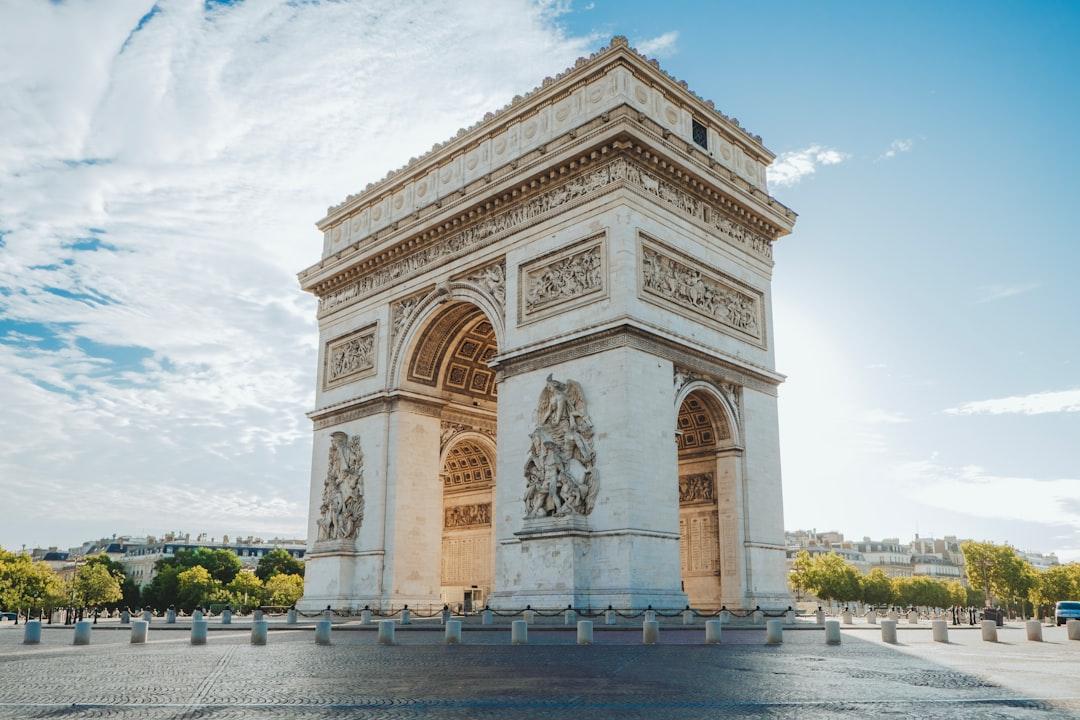
Hotels in France
275 cities · 2670 hotels
France: A Country of Art, Cuisine, and Remarkable Landscapes
France draws more international visitors than any other country in the world, and it is easy to understand why. From the grand boulevards of Paris to the sun-drenched coastline of the French Riviera, the country offers an extraordinary range of experiences — historic architecture, world-class cuisine, fine wine, and natural scenery that shifts dramatically from region to region. Whether you are planning a city break, a wine tour through Bordeaux, or a slow drive through the lavender fields of Provence, France rewards careful planning and spontaneous detours alike.
Cities Worth Exploring
Paris remains one of the most visited cities on earth, home to iconic landmarks such as the Eiffel Tower, the Louvre, and Notre-Dame Cathedral, which is currently undergoing restoration after the 2019 fire. Beyond the capital, France's regional cities each carry a distinct identity. Lyon, often called the gastronomic capital of France, is celebrated for its traditional bouchon restaurants and its well-preserved Renaissance district, a UNESCO World Heritage Site. Bordeaux, in the southwest, has reinvented itself in recent decades into a dynamic cultural hub while retaining its reputation as the heart of French wine country. Strasbourg, near the German border, blends French and Alsatian culture in a medieval old town crisscrossed by canals. Toulouse, nicknamed "La Ville Rose" for its distinctive pink-brick architecture, is a lively university city and the center of Europe's aerospace industry. Nantes, on the Loire estuary, has earned recognition for its creative urban projects and vibrant arts scene.
The French Riviera and Provence
The French Riviera, or Côte d'Azur, stretches along the Mediterranean coast in southeastern France and includes some of the country's most recognizable destinations. Nice, the regional capital, offers a long seafront promenade, a colorful old town, and a strong collection of modern art museums including the Musée Matisse. Cannes is best known internationally for its annual film festival held each May, but the city also has a pleasant old quarter and easy access to the nearby Lérins Islands. Antibes combines a well-preserved historic center with the Picasso Museum, housed in a castle where the artist worked in 1946. Saint-Tropez, once a quiet fishing village, became famous in the 1950s and 1960s through cinema and fashion, and continues to attract visitors to its old port and sandy beaches.
Inland from the coast, Provence offers a slower pace and a landscape shaped by olive groves, vineyards, and medieval hilltop villages. Avignon, in the Vaucluse department, is home to the Palais des Papes, the largest Gothic palace in Europe and a UNESCO World Heritage Site. The region's markets, local produce, and distinctive cuisine — built around olive oil, herbs, and fresh vegetables — make it a popular destination for food-focused travelers.
Practical Tips for Visiting France
- Getting around: France has an extensive high-speed rail network (TGV) connecting major cities efficiently. Paris to Lyon takes approximately two hours by train. Renting a car is advisable for exploring rural areas like Provence.
- Best time to visit: Spring (April–June) and early autumn (September–October) generally offer mild weather and fewer crowds than July and August, which are peak summer months along the Riviera.
- Language: French is the official language. In tourist areas, English is widely spoken, but learning a few basic French phrases is appreciated by locals.
- Currency: France uses the euro (€). Credit and debit cards are accepted in most establishments, though some smaller markets and rural businesses prefer cash.
- Cuisine: Each region has its own culinary traditions. Do not miss bouillabaisse in Marseille, quenelles in Lyon, or a simple socca (chickpea pancake) in Nice.
- Visas: Citizens of EU countries and many other nationalities do not require a visa for short stays. Check current entry requirements before traveling, as rules may change.
Frequently Asked Questions
Q: What is the best way to travel between Paris and the French Riviera? A: The TGV high-speed train connects Paris to Nice in approximately 5.5 hours and is generally the most convenient option. Flights are also available but airport transit time often reduces the time advantage.
Q: When does the Cannes Film Festival take place? A: The Cannes Film Festival is held annually in May. The exact dates vary each year, and the event significantly increases hotel prices and demand in the area during that period.
Q: Is France suitable for traveling with children? A: Yes. France has a wide range of family-friendly attractions, including Disneyland Paris, the Loire Valley châteaux, and numerous beach destinations along the Atlantic and Mediterranean coasts.
Q: What are the main wine regions in France? A: France's principal wine regions include Bordeaux, Burgundy, Champagne, the Rhône Valley, Alsace, and the Loire Valley. Each region produces wines with distinct characteristics tied to local grape varieties and climate.
Q: Do I need to book restaurants in advance in Paris or Lyon? A: For well-known or highly rated restaurants, advance reservations are strongly recommended, sometimes weeks ahead. Casual bistros and brasseries generally accept walk-ins, particularly outside peak hours.
Q: What is the currency used in France and are ATMs easy to find? A: France uses the euro. ATMs are widely available in cities, towns, and tourist areas. Notify your bank before traveling to avoid card blocks on foreign transactions.
Cities in France
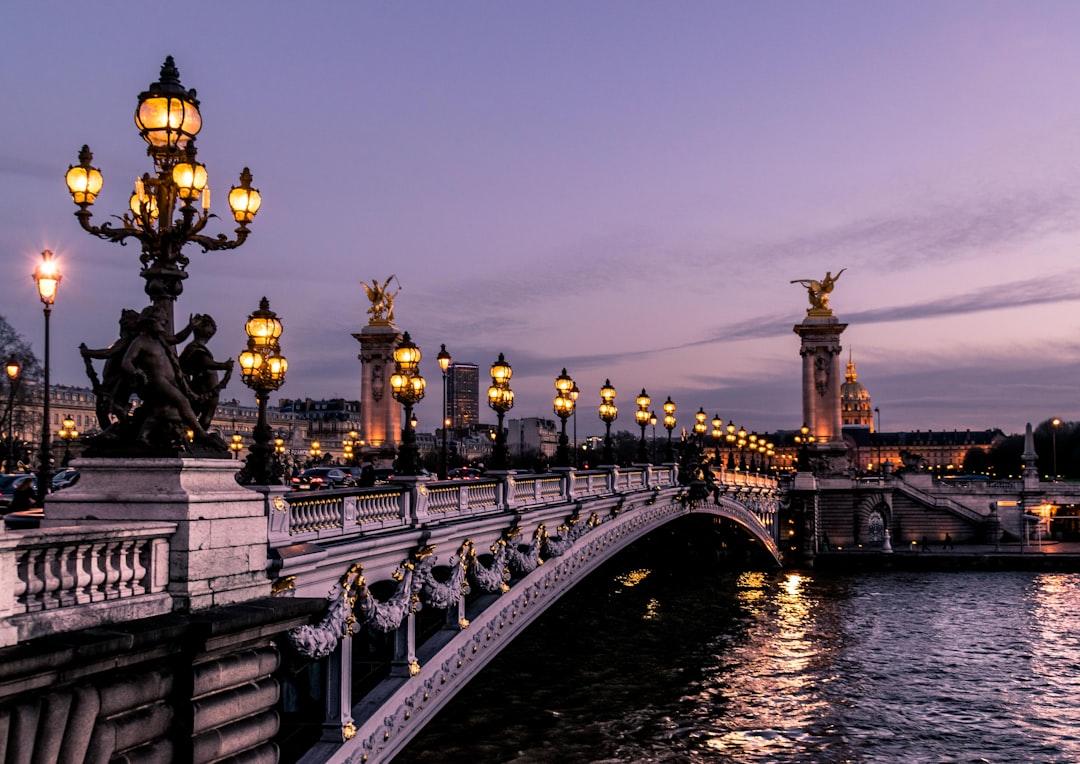
Paris hotels
France · 185 hotels
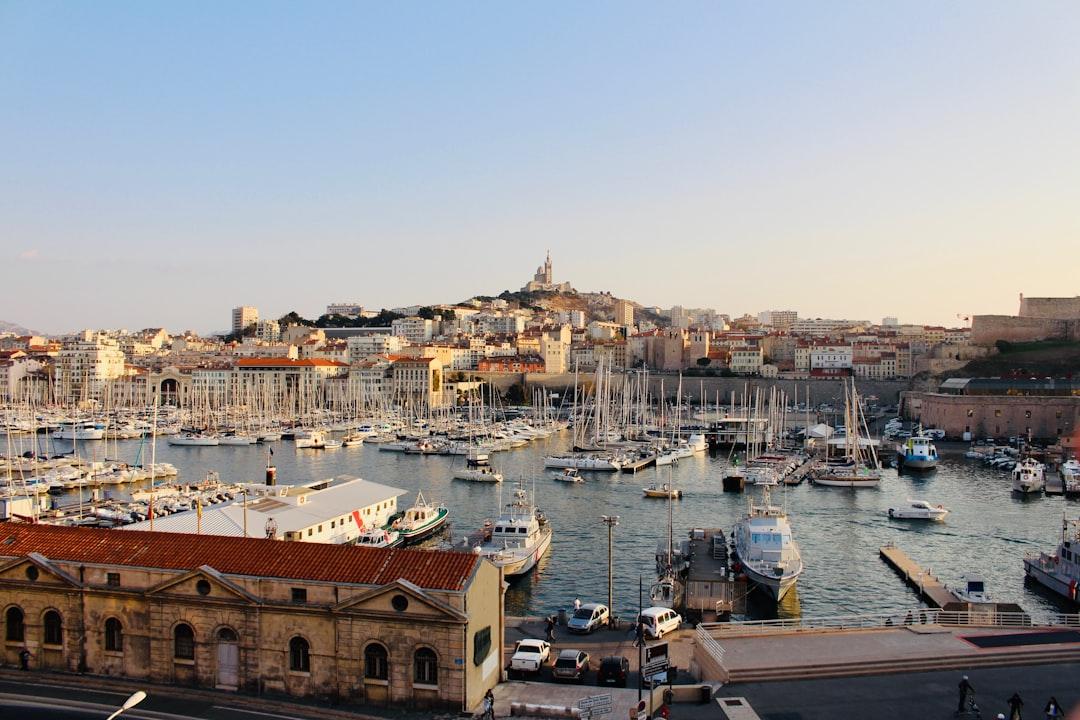
Marseille hotels
France · 146 hotels
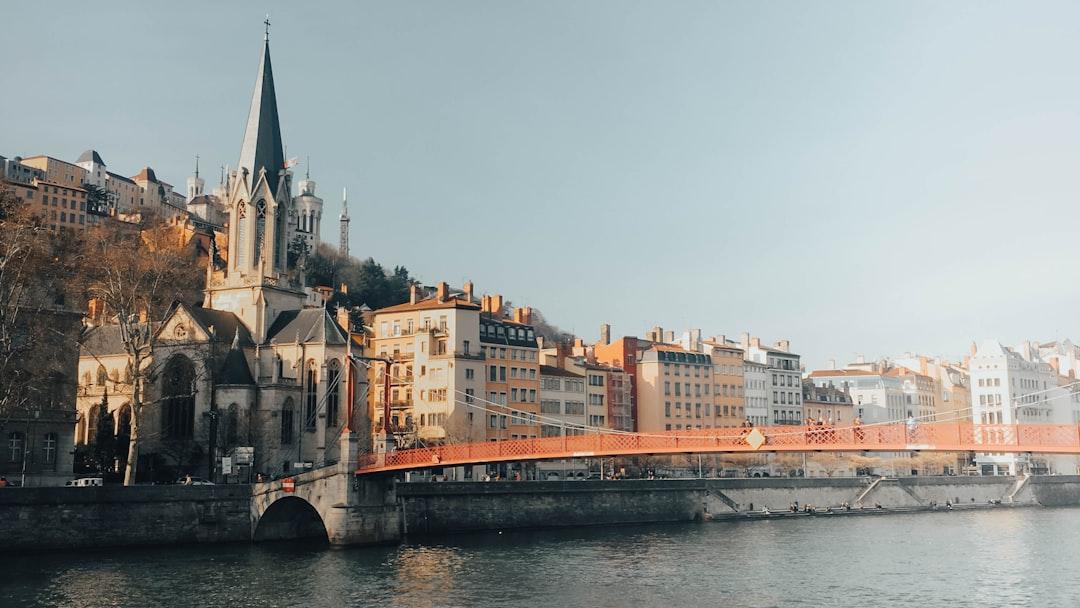
Lyon hotels
France · 133 hotels
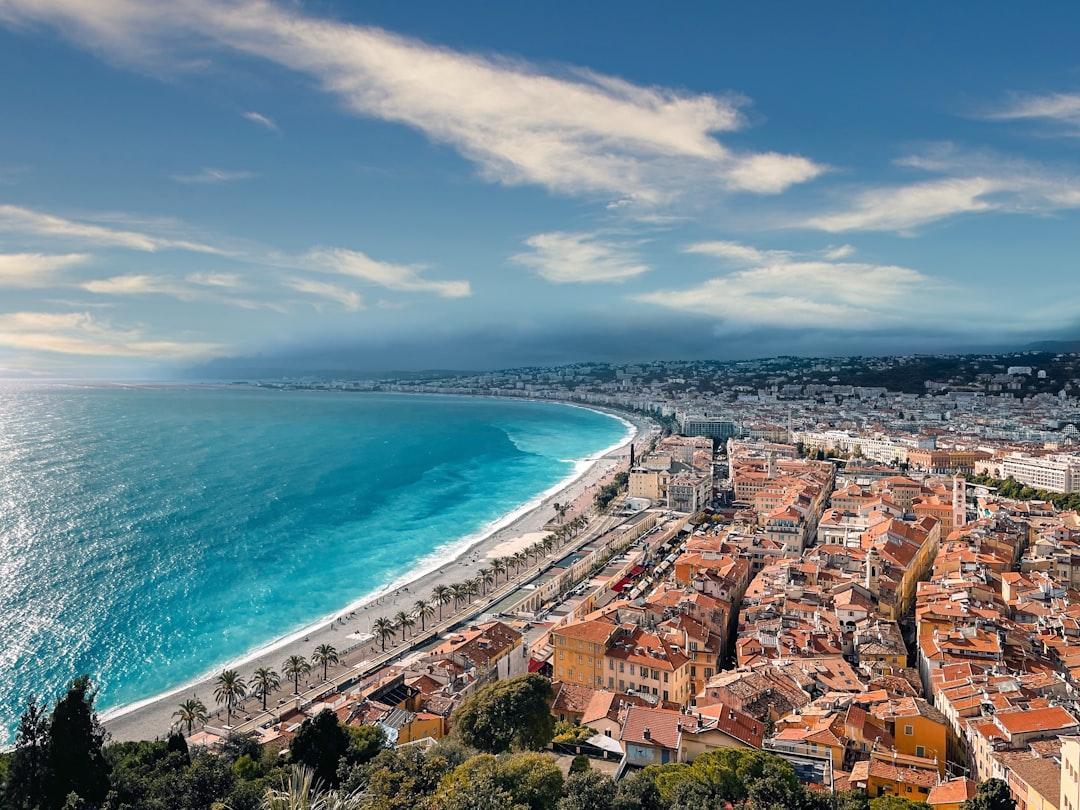
Nice hotels
French Riviera (Côte d'Azur) · 115 hotels
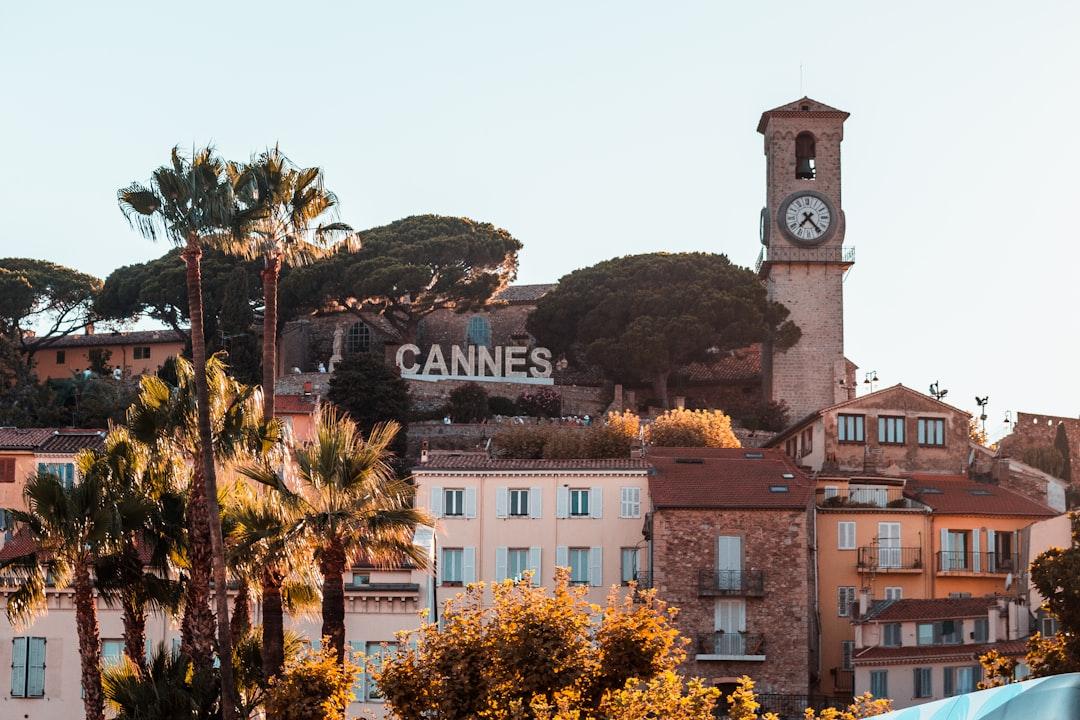
Cannes hotels
French Riviera (Côte d'Azur) · 113 hotels
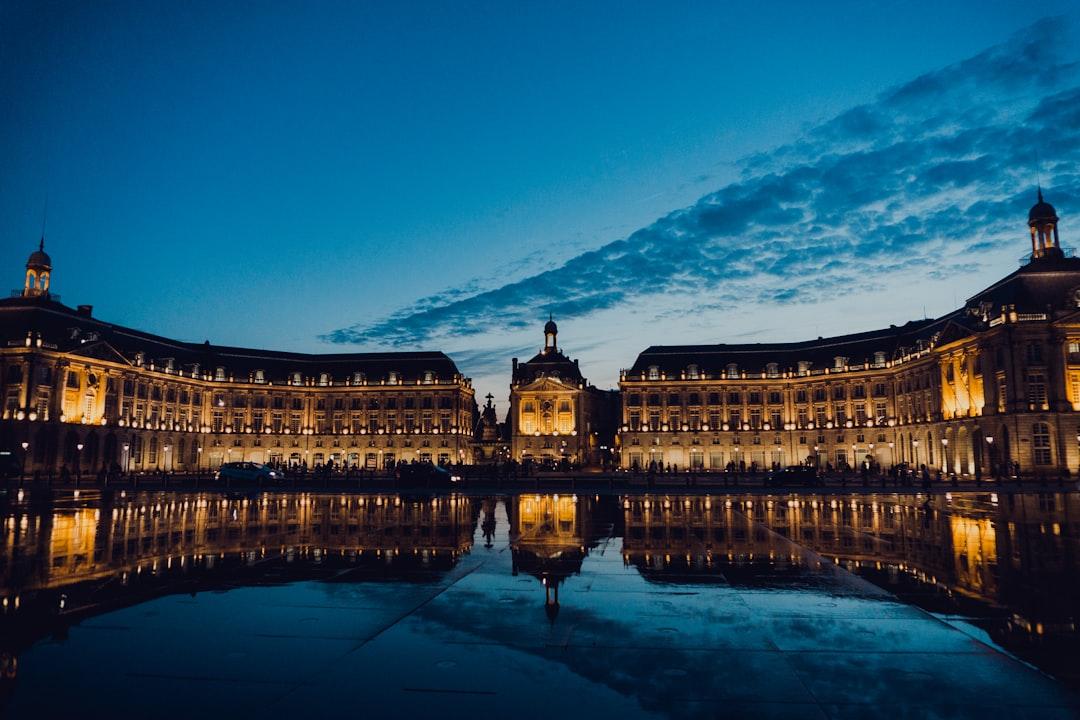
Bordeaux hotels
France · 95 hotels
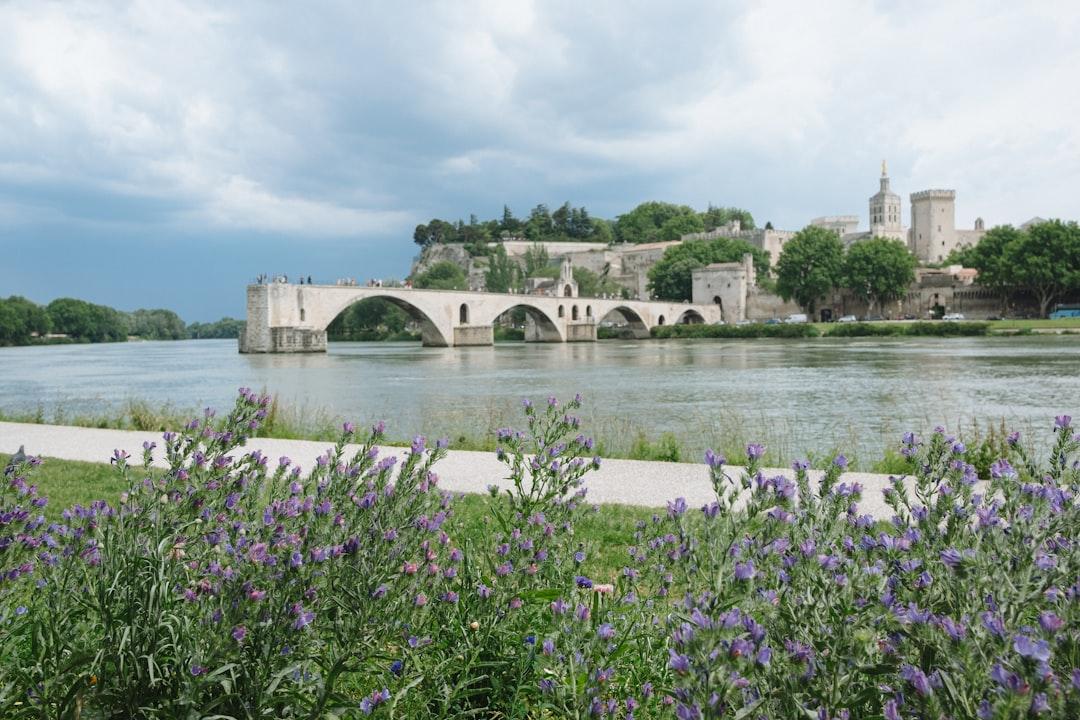
Avignon hotels
Provence · 93 hotels
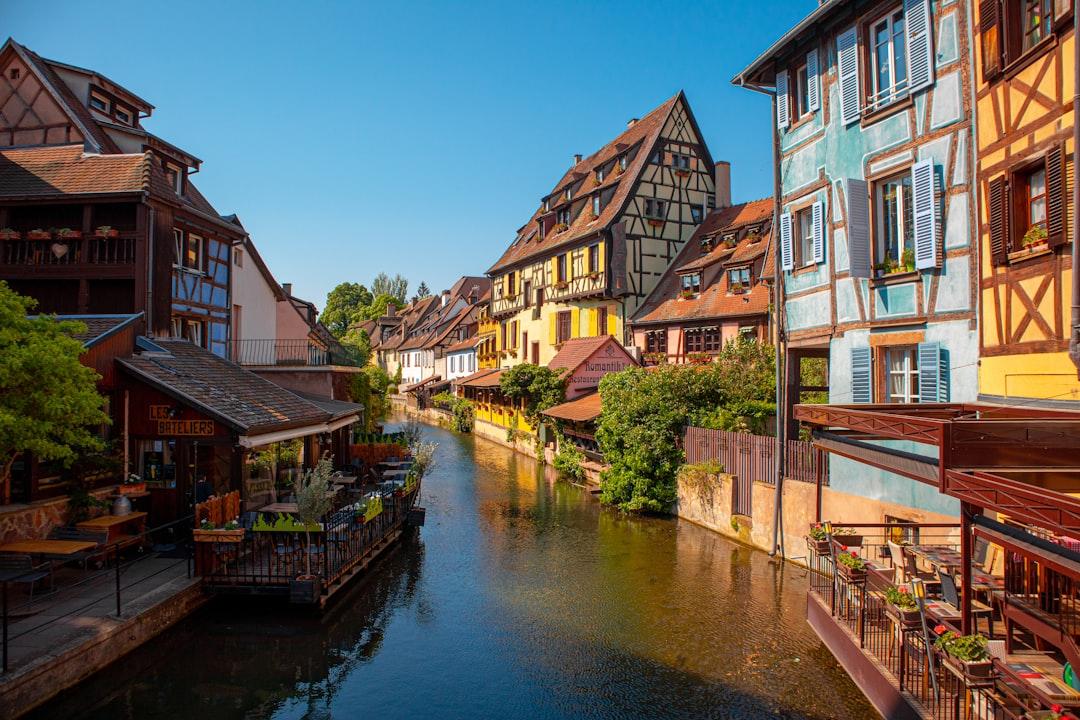
Strasbourg hotels
France · 83 hotels
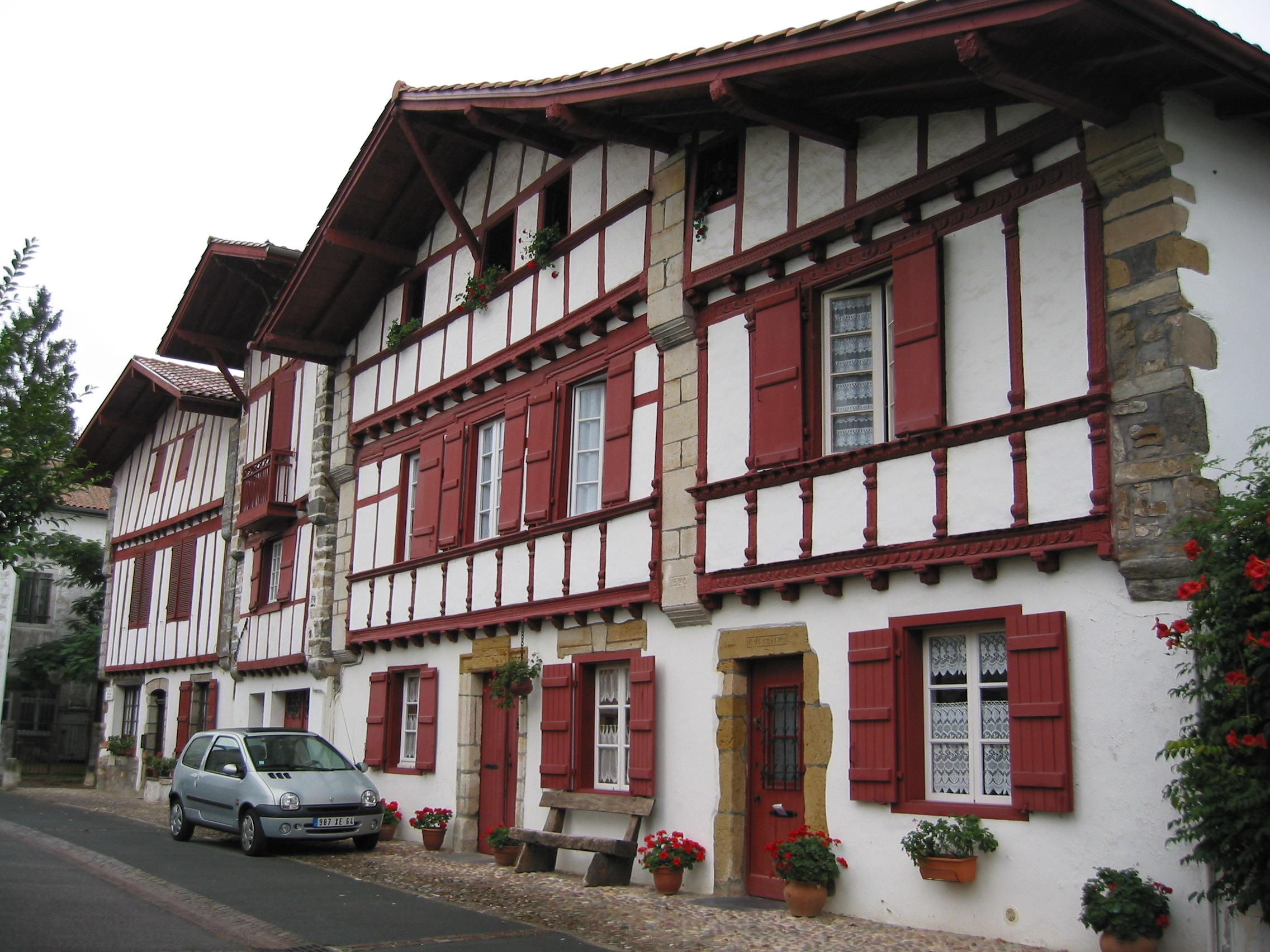
Ustaritz hotels
France · 82 hotels
Saint-Tropez hotels
French Riviera (Côte d'Azur) · 78 hotels
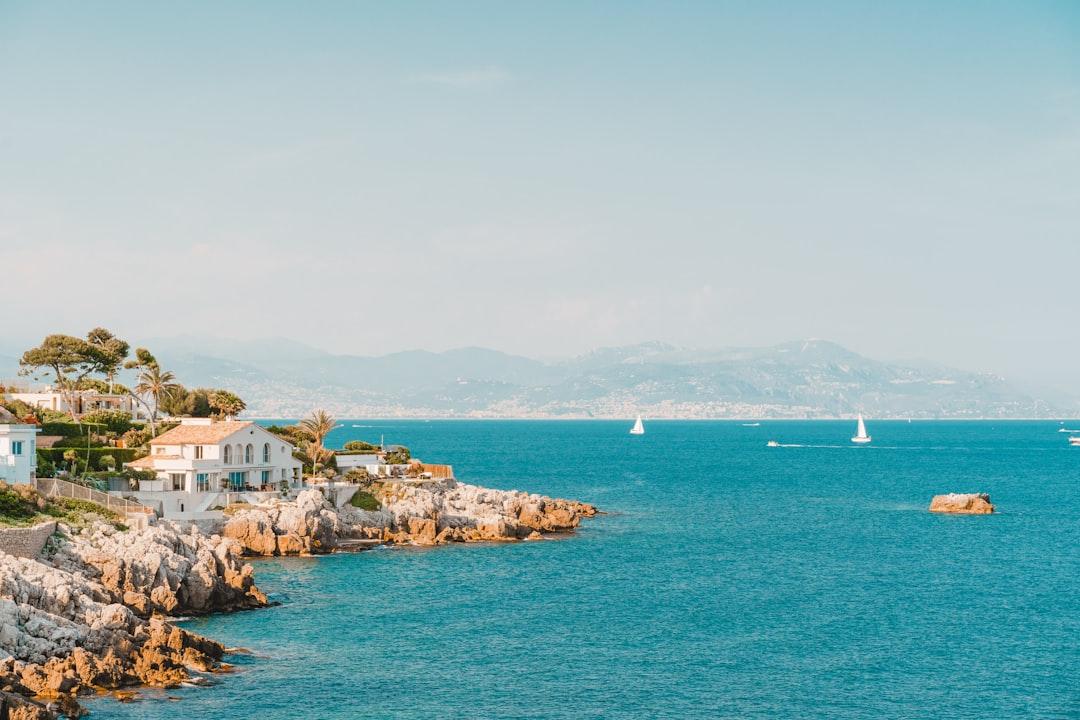
Antibes hotels
French Riviera (Côte d'Azur) · 54 hotels
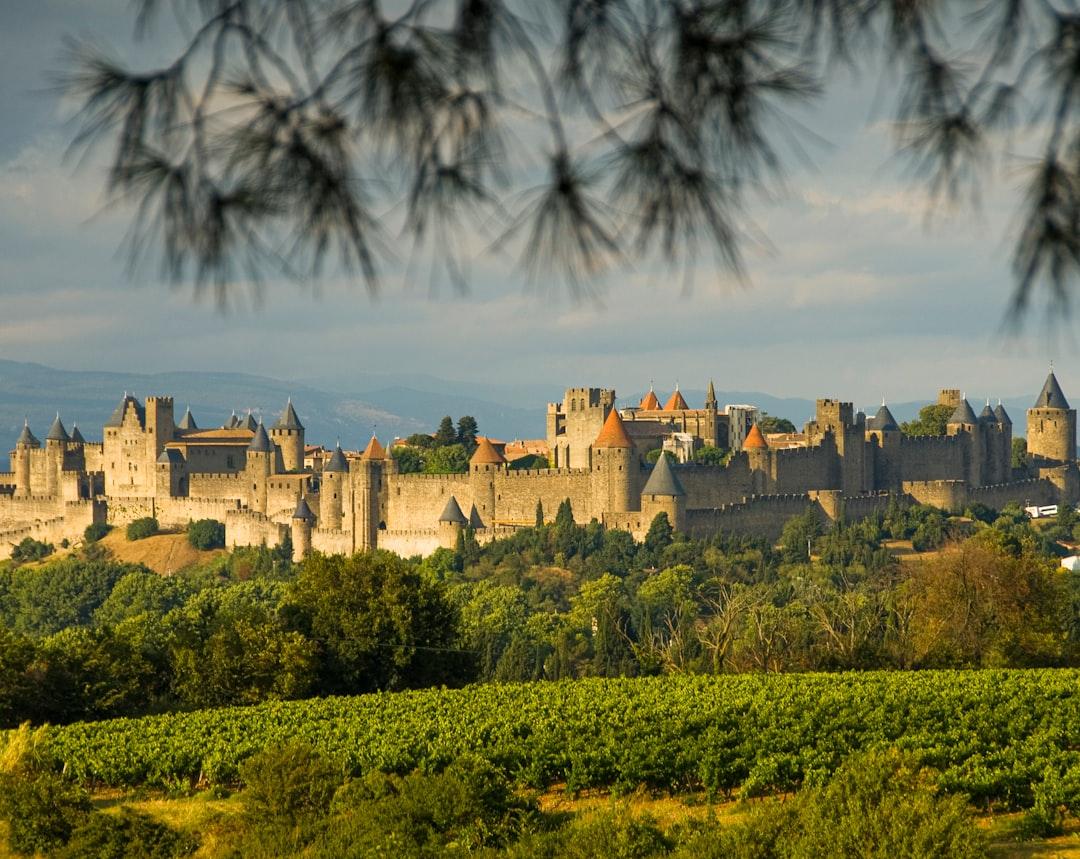
Carcassonne hotels
France · 53 hotels
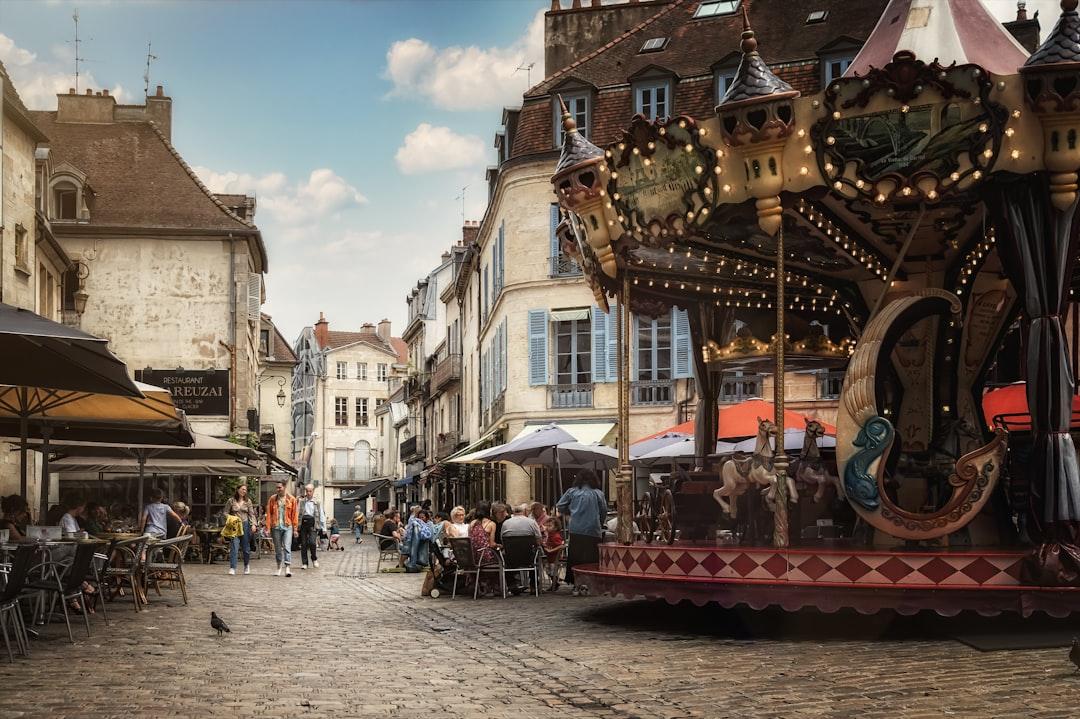
Dijon hotels
France · 47 hotels

Grenoble hotels
France · 45 hotels
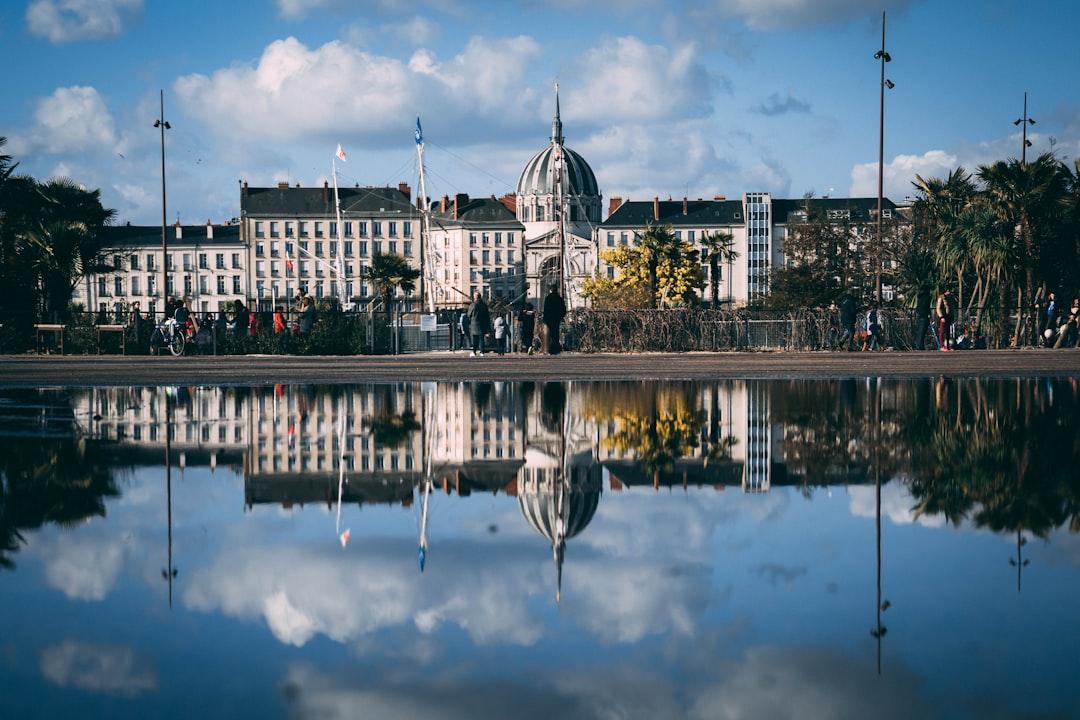
Nantes hotels
France · 44 hotels
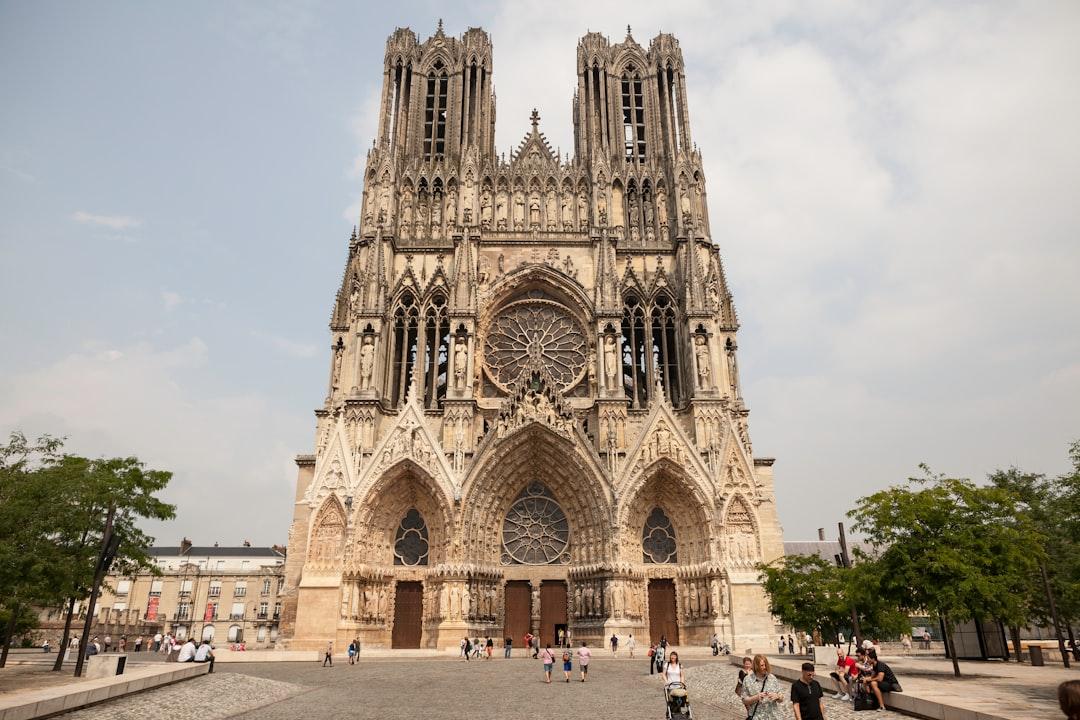
Reims hotels
France · 42 hotels
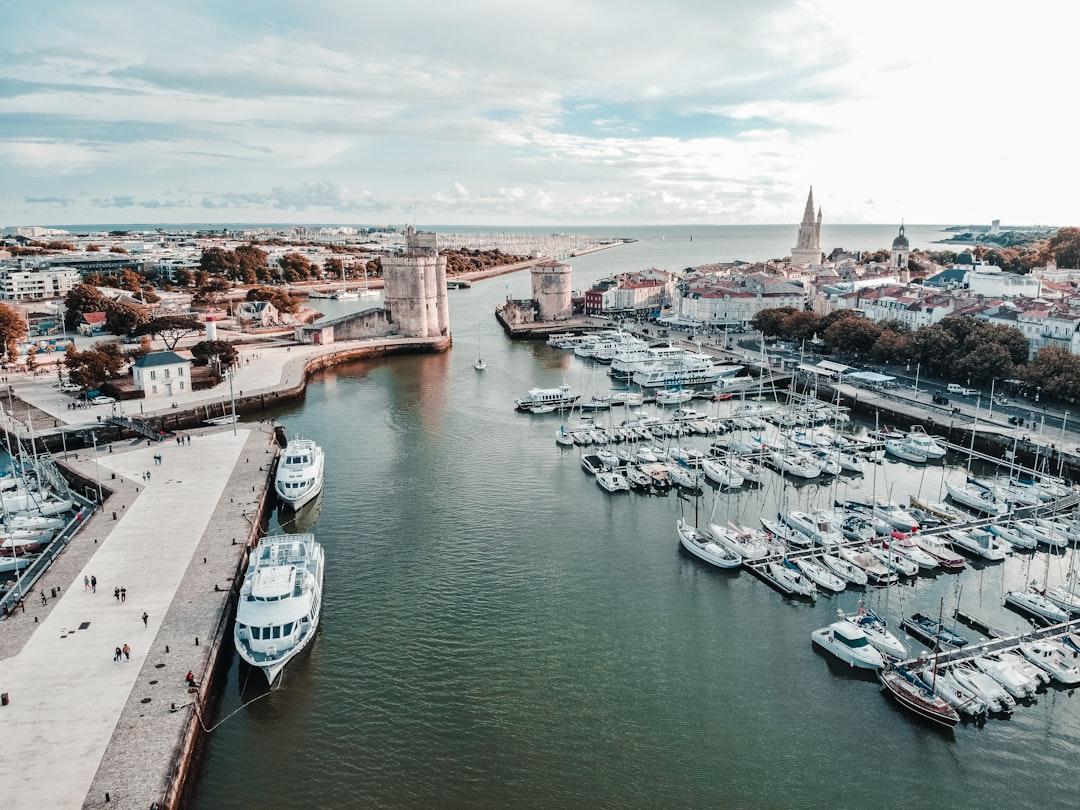
La Rochelle hotels
France · 42 hotels
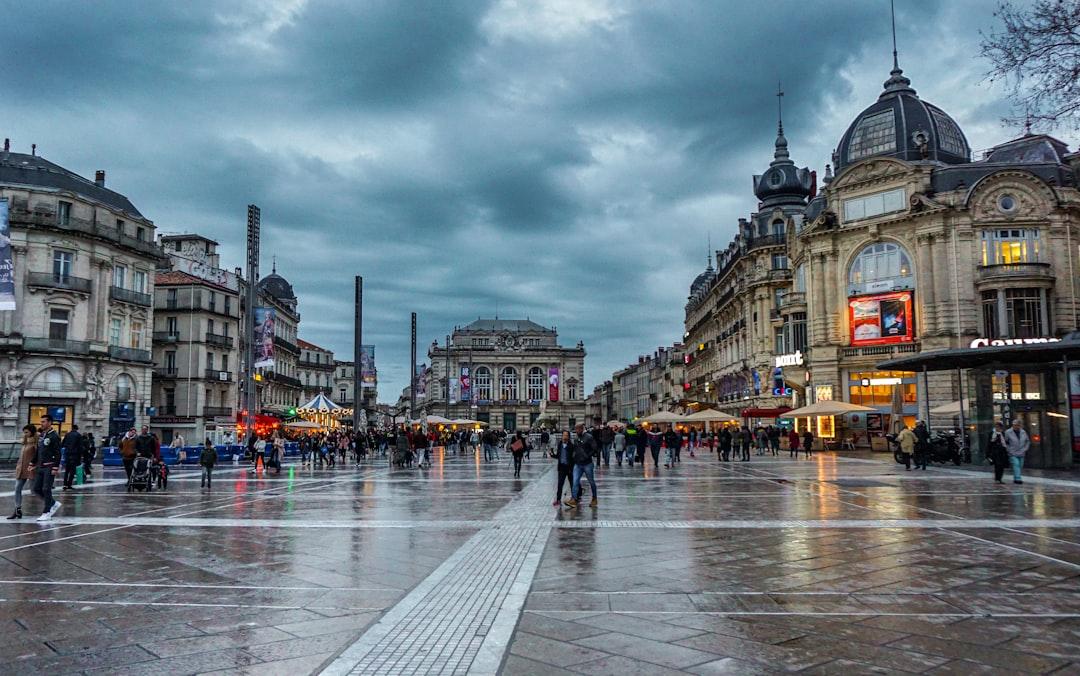
Montpellier hotels
France · 42 hotels
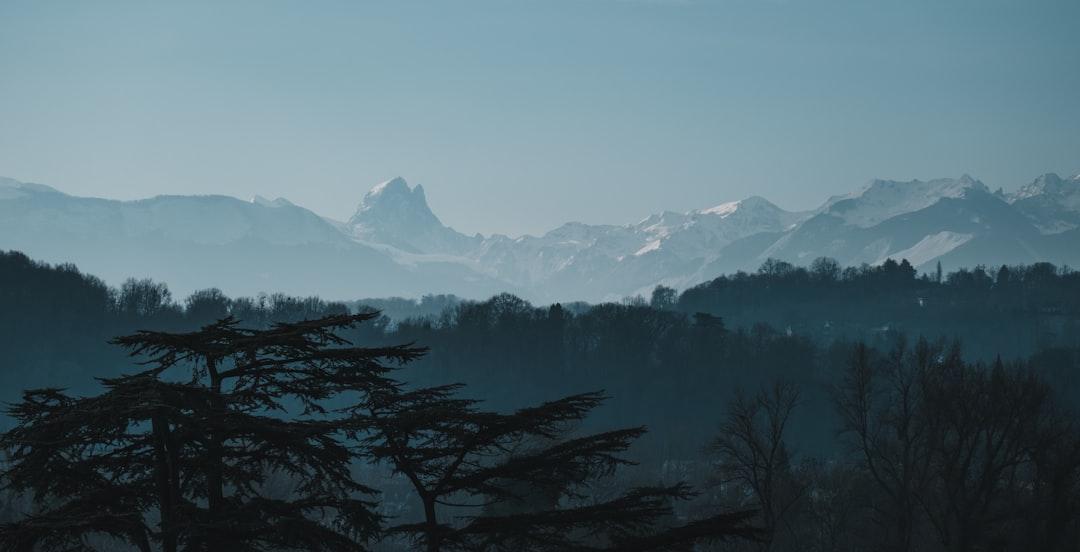
Pau hotels
France · 41 hotels
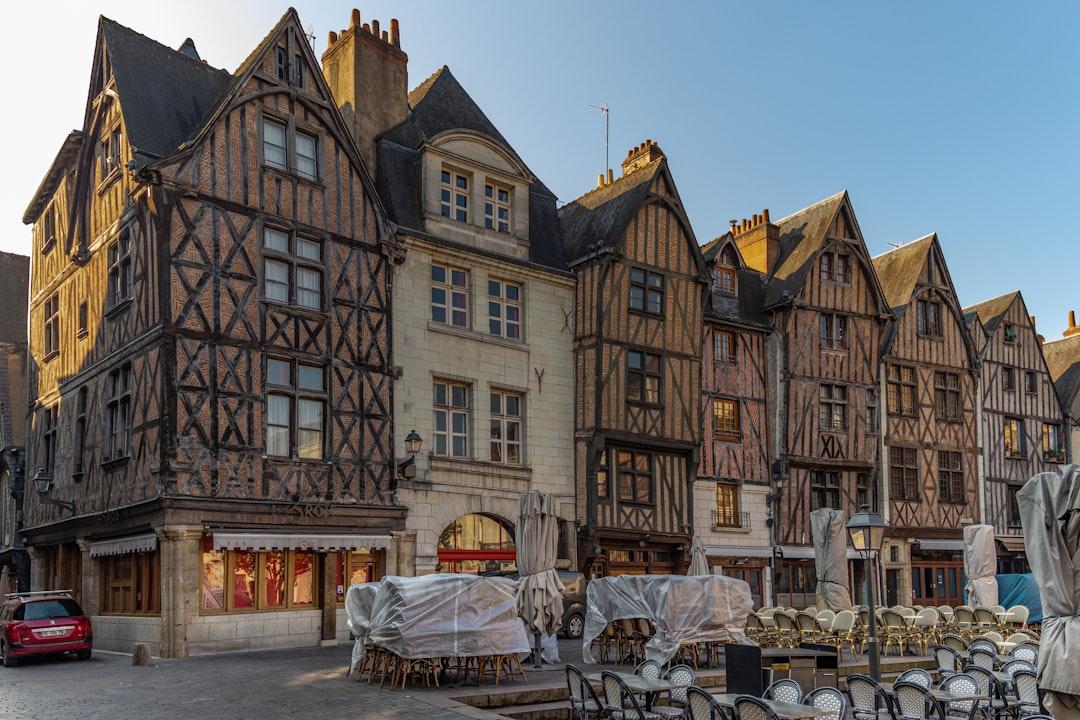
Tours hotels
France · 41 hotels

Clermont-Ferrand hotels
France · 41 hotels
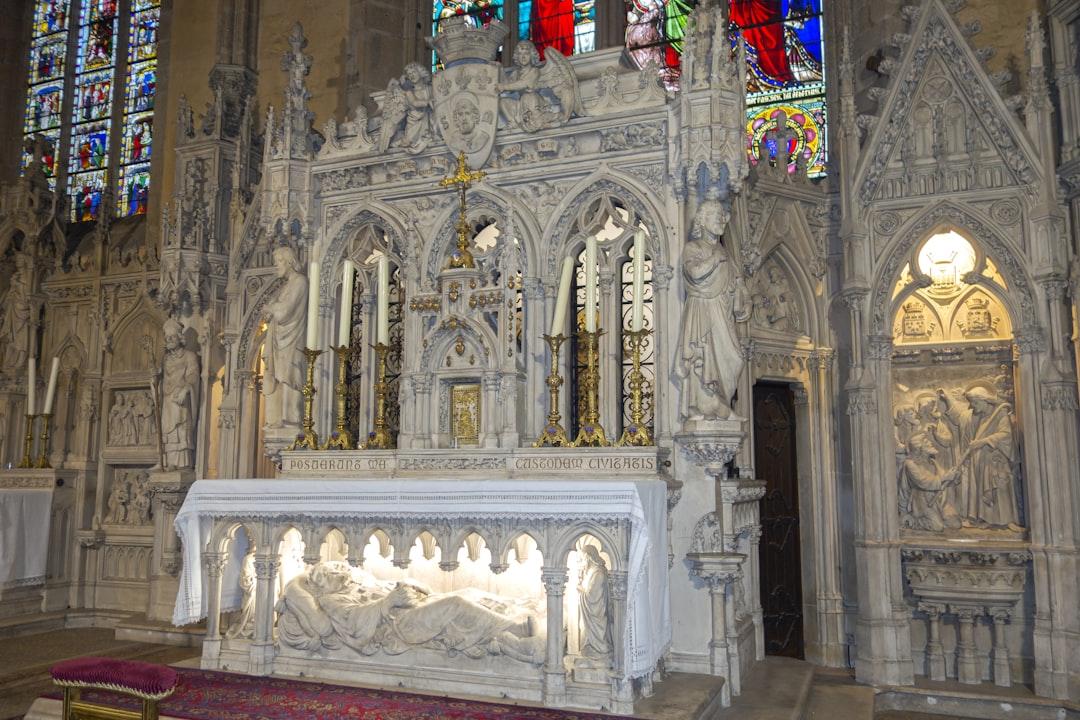
Limoges hotels
France · 41 hotels
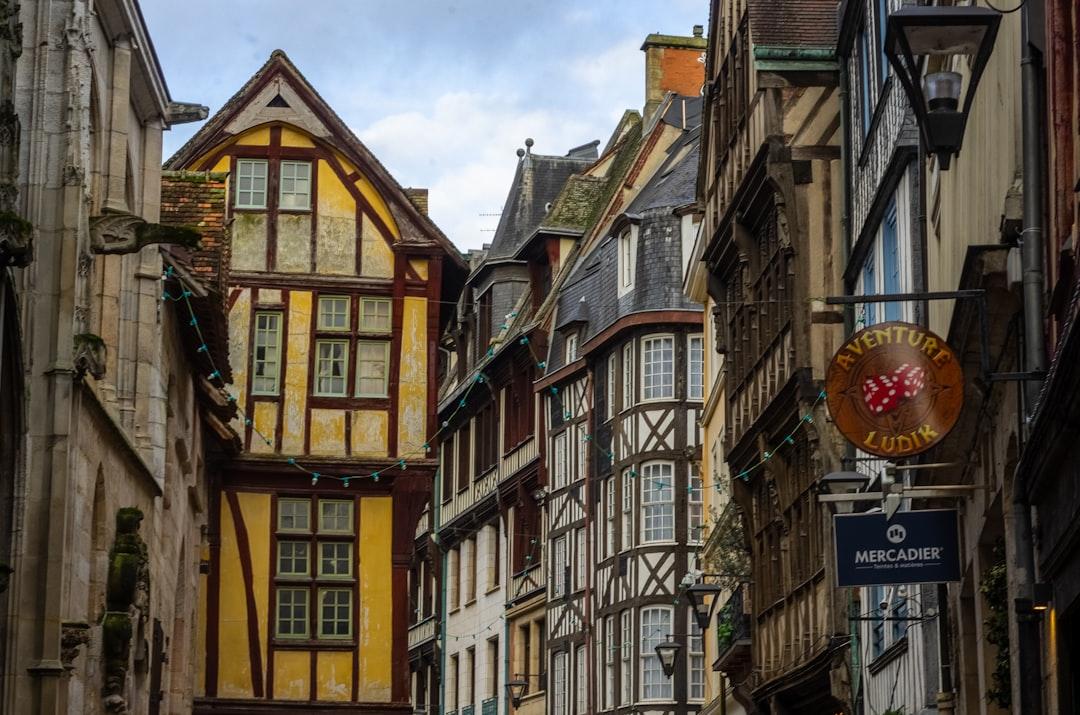
Rouen hotels
France · 40 hotels
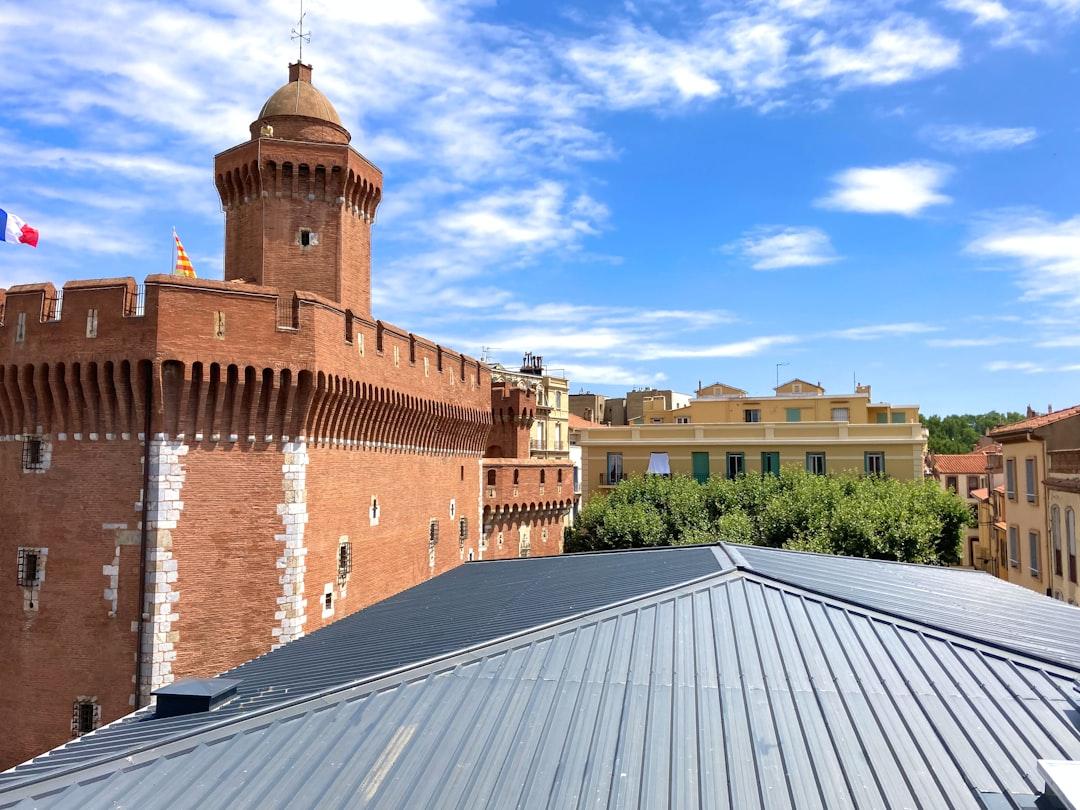
Perpignan hotels
France · 38 hotels
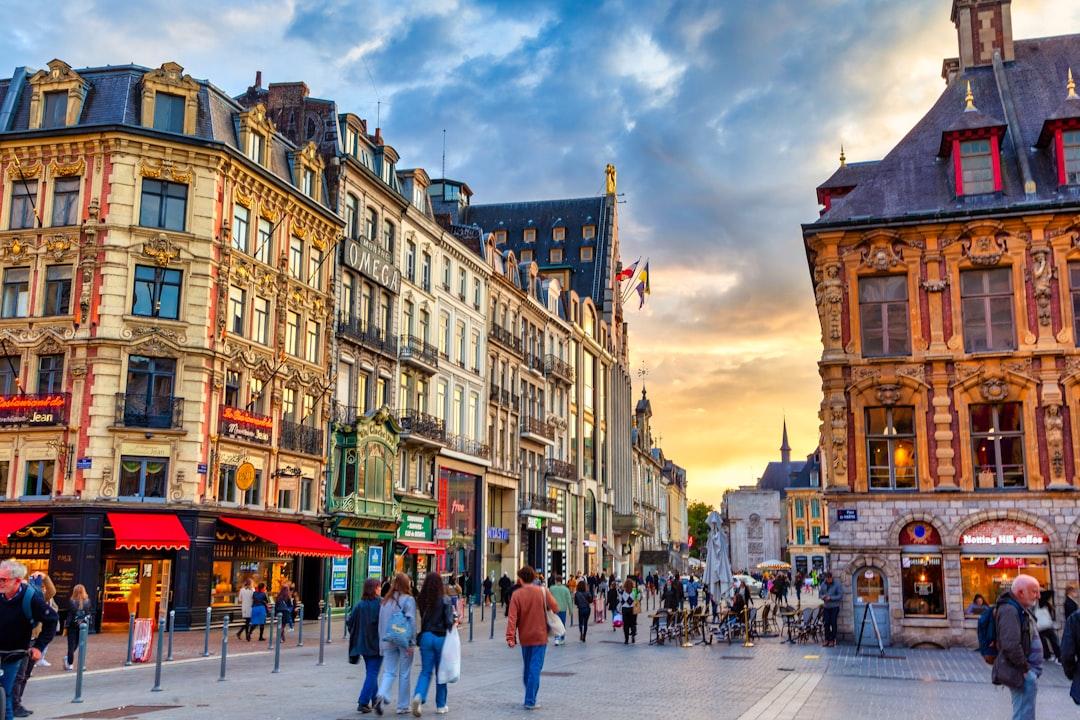
Lille hotels
France · 38 hotels
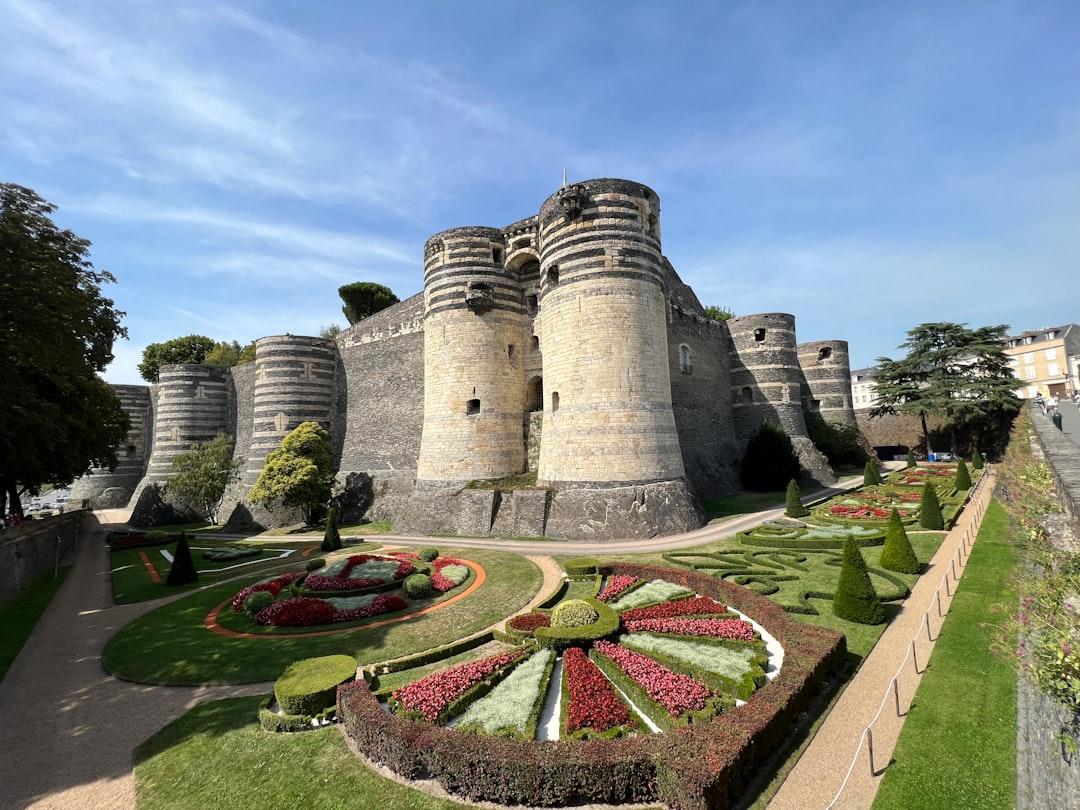
Angers hotels
France · 37 hotels
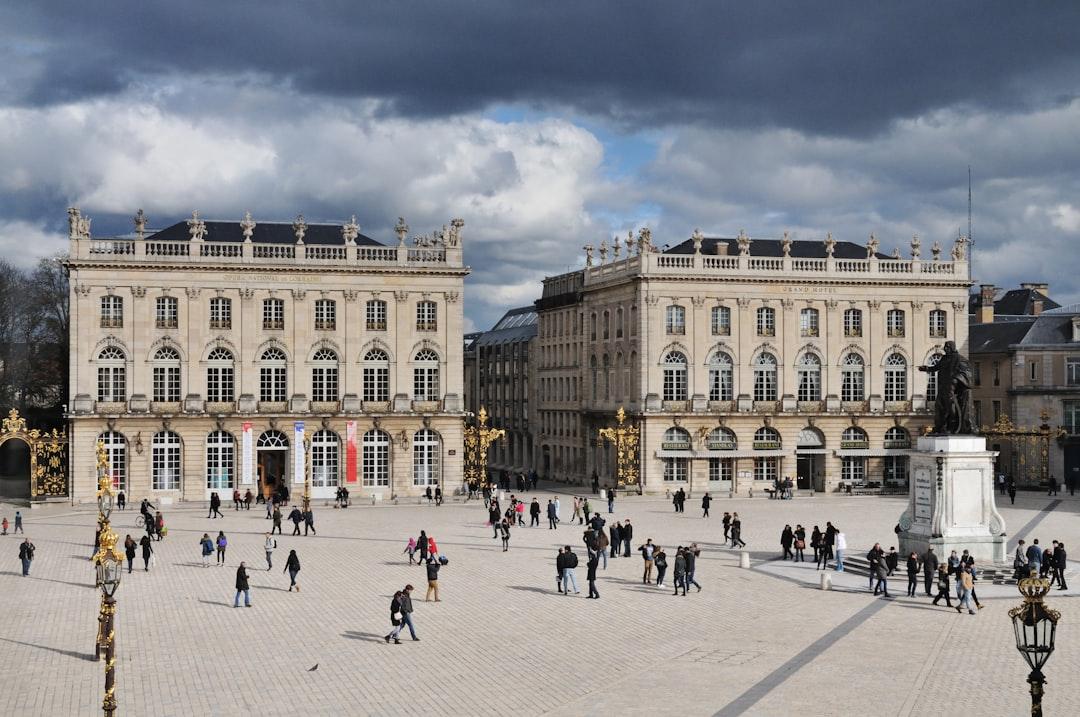
Nancy hotels
France · 36 hotels
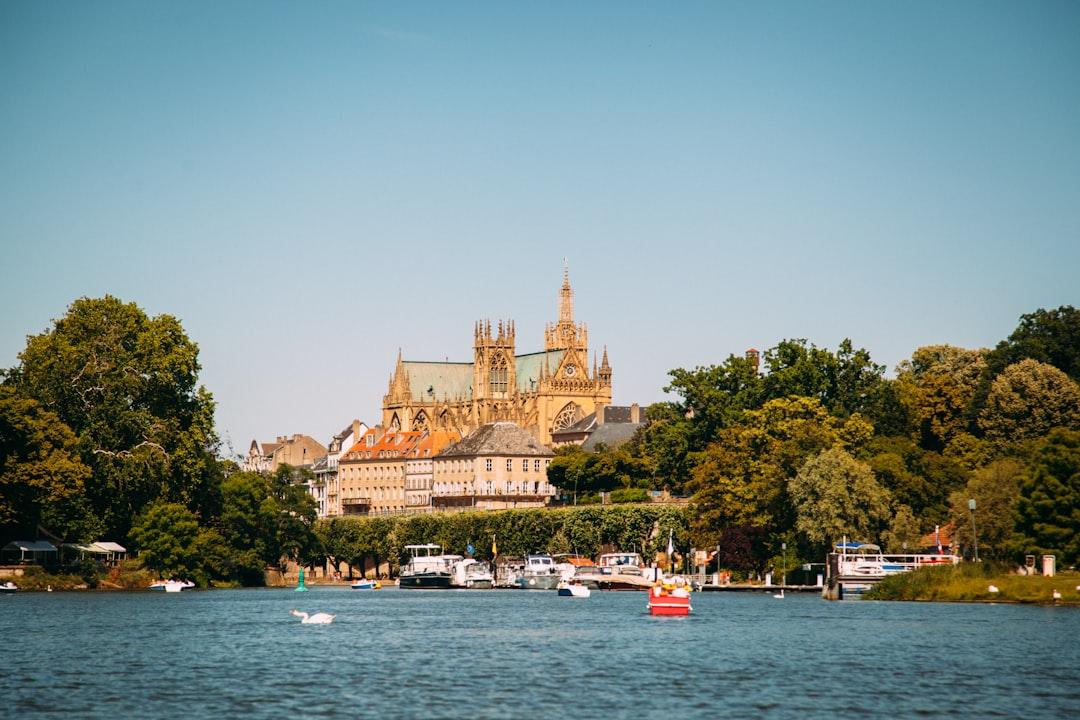
Metz hotels
France · 34 hotels
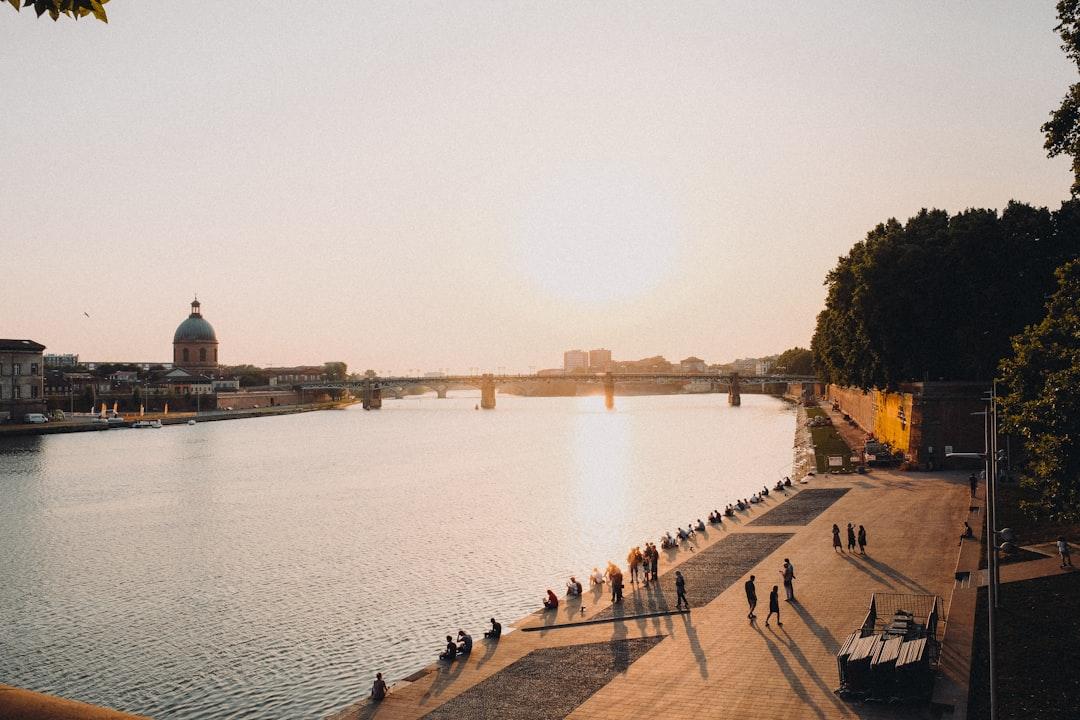
Toulouse hotels
France · 33 hotels
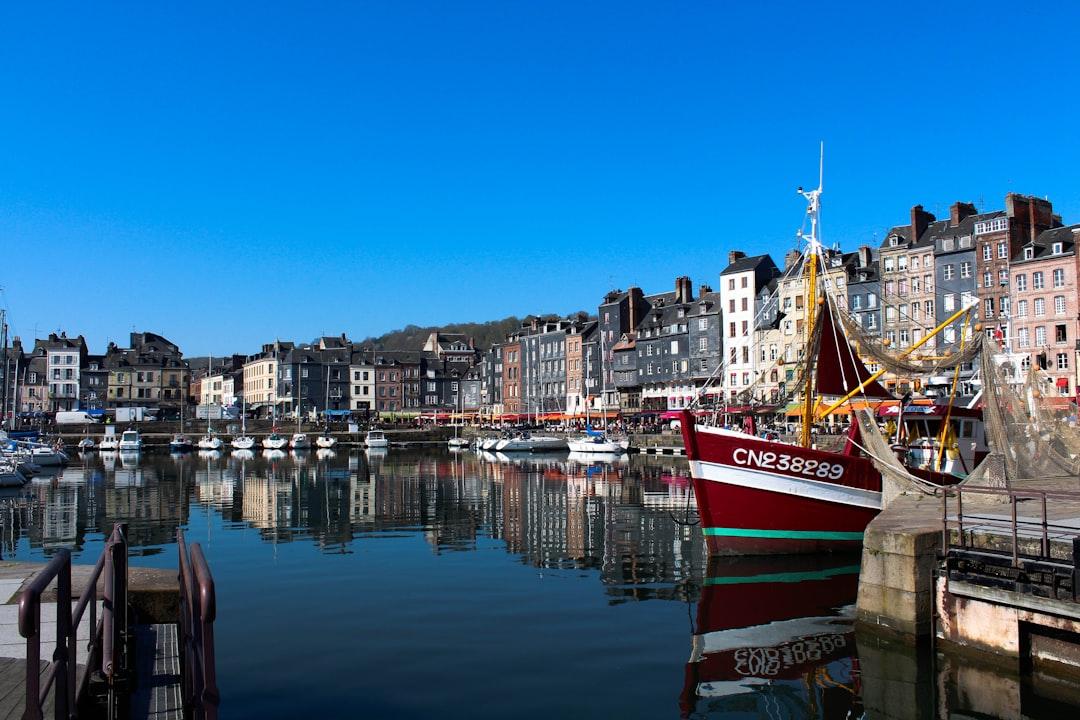
Honfleur hotels
France · 33 hotels

Chamonix-Mont-Blanc hotels
France · 33 hotels
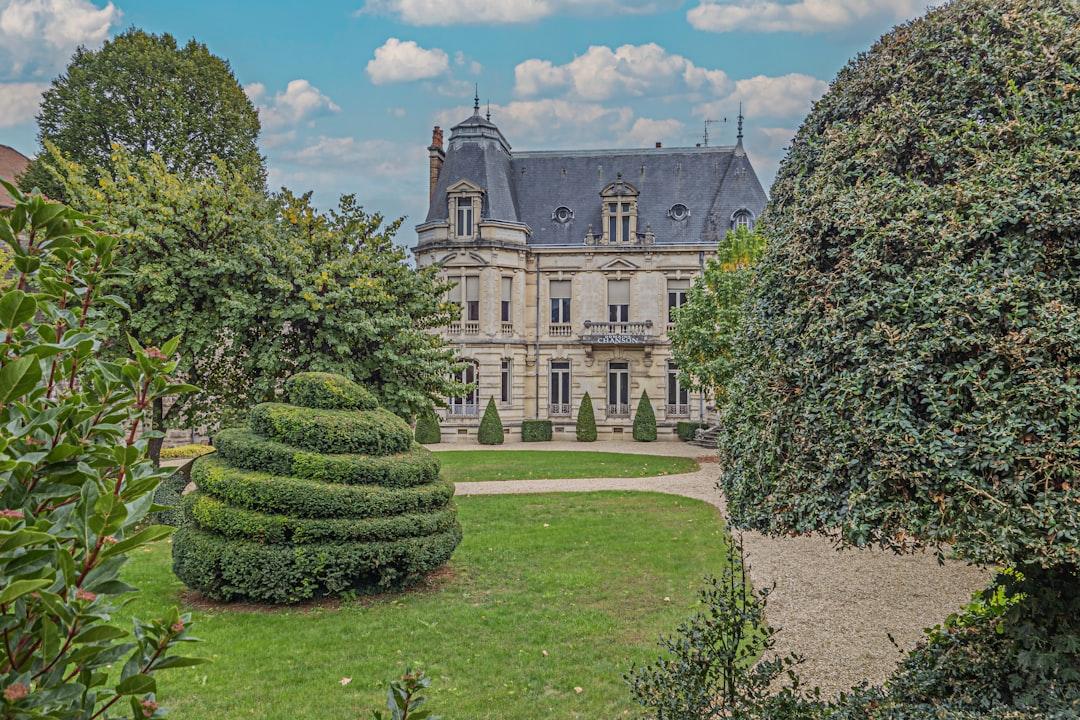
Beaune hotels
France · 23 hotels
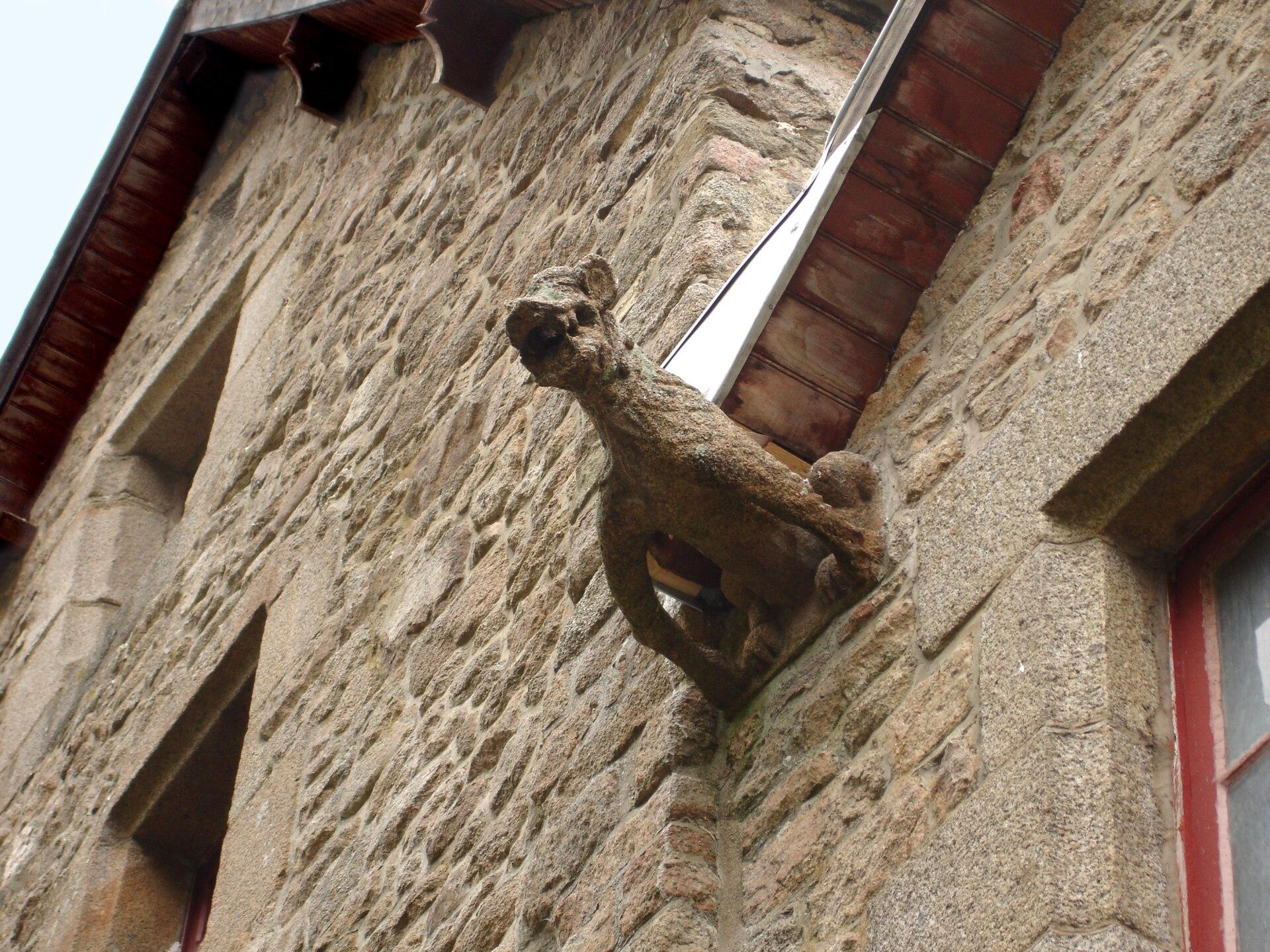
Le Mont Saint Michel hotels
France · 22 hotels
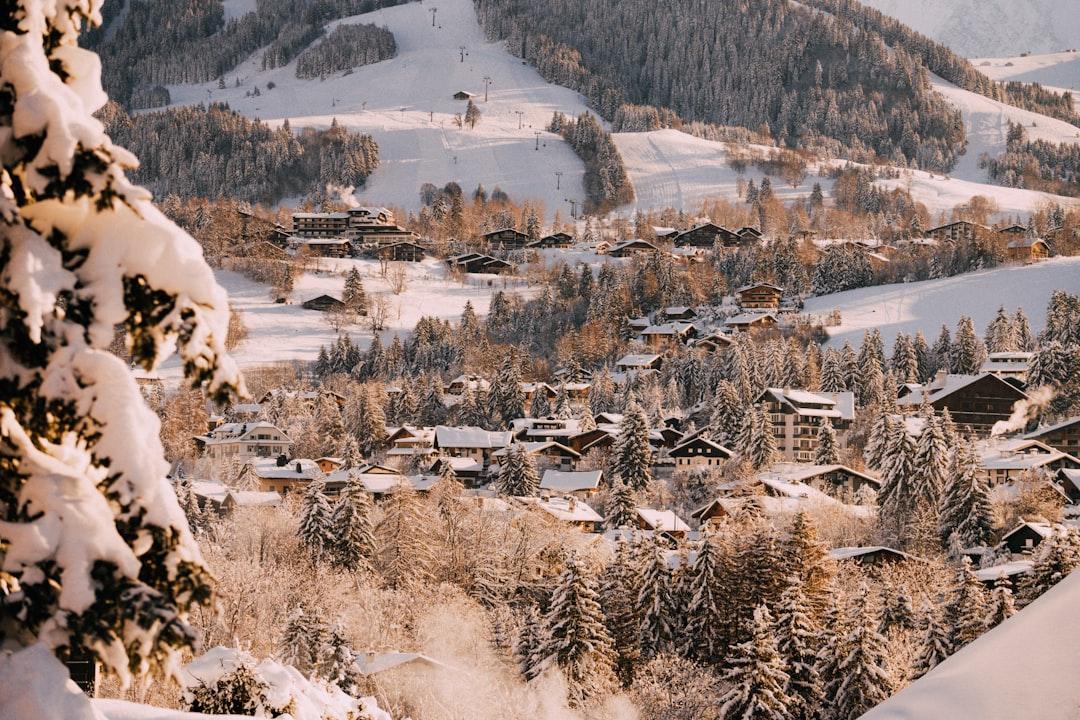
Megève hotels
France · 20 hotels
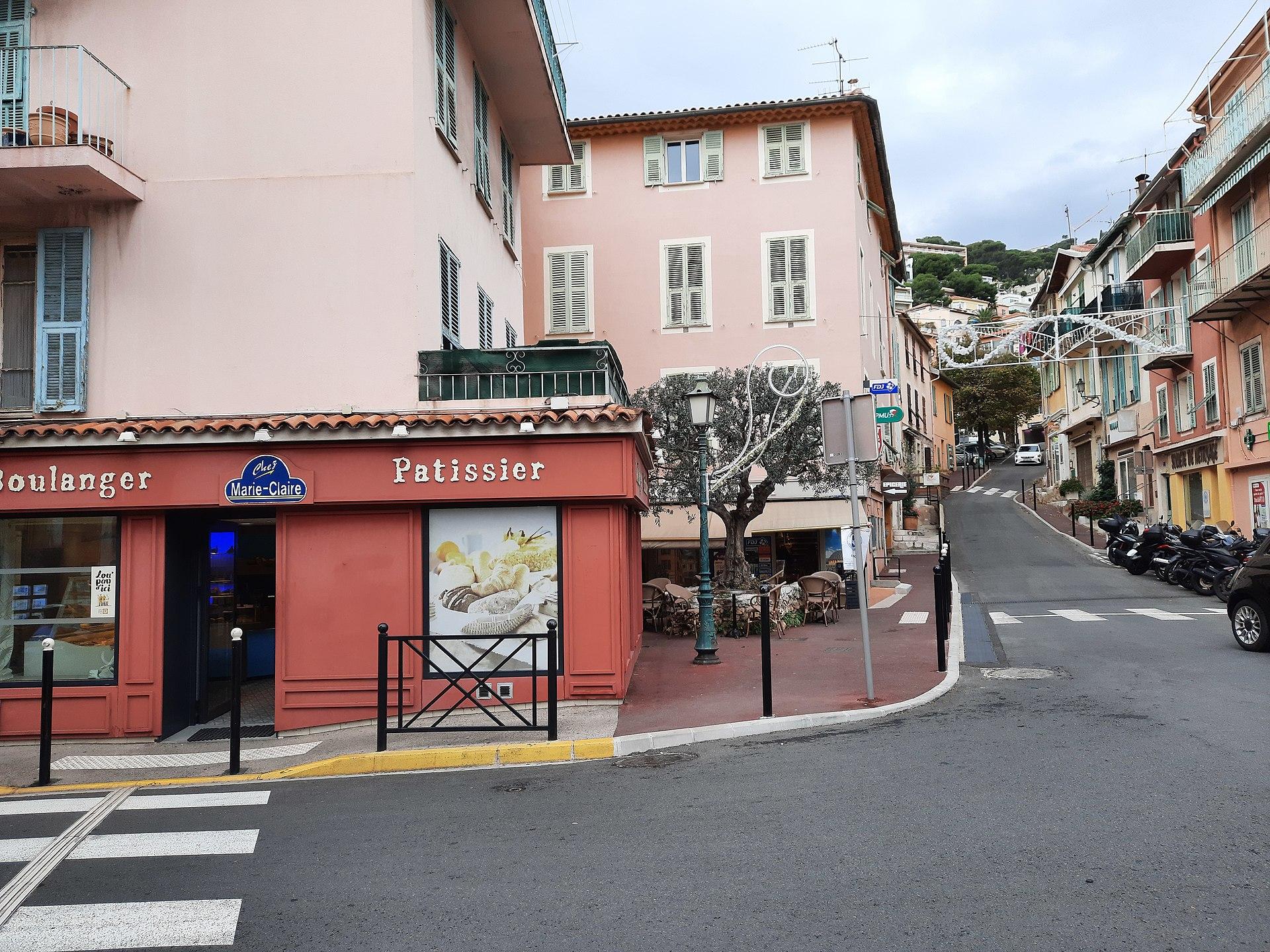
Villefranche-sur-Mer hotels
France · 20 hotels
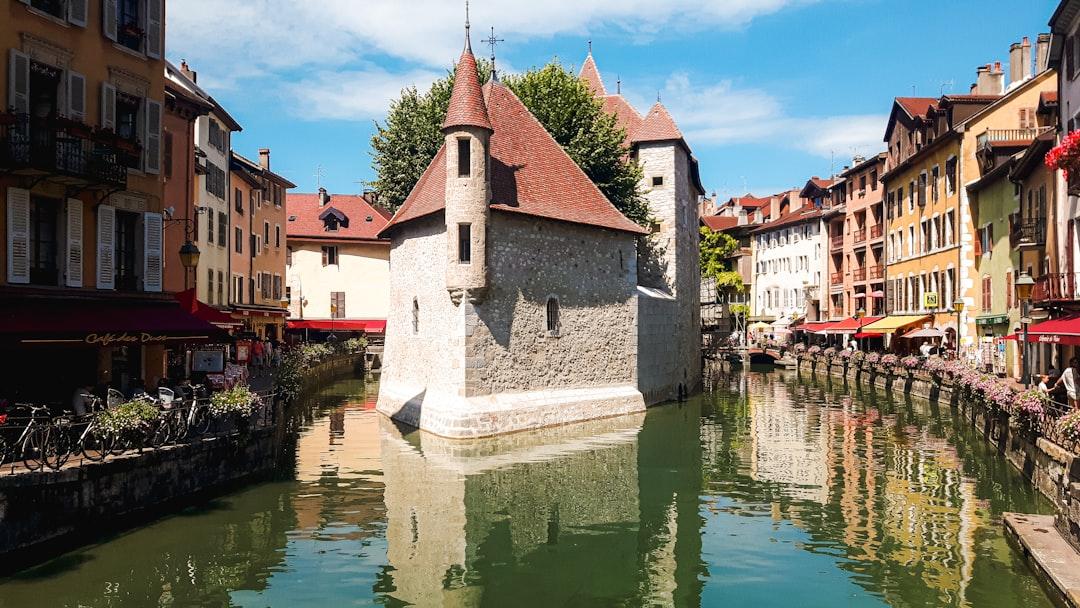
Annecy hotels
France · 20 hotels
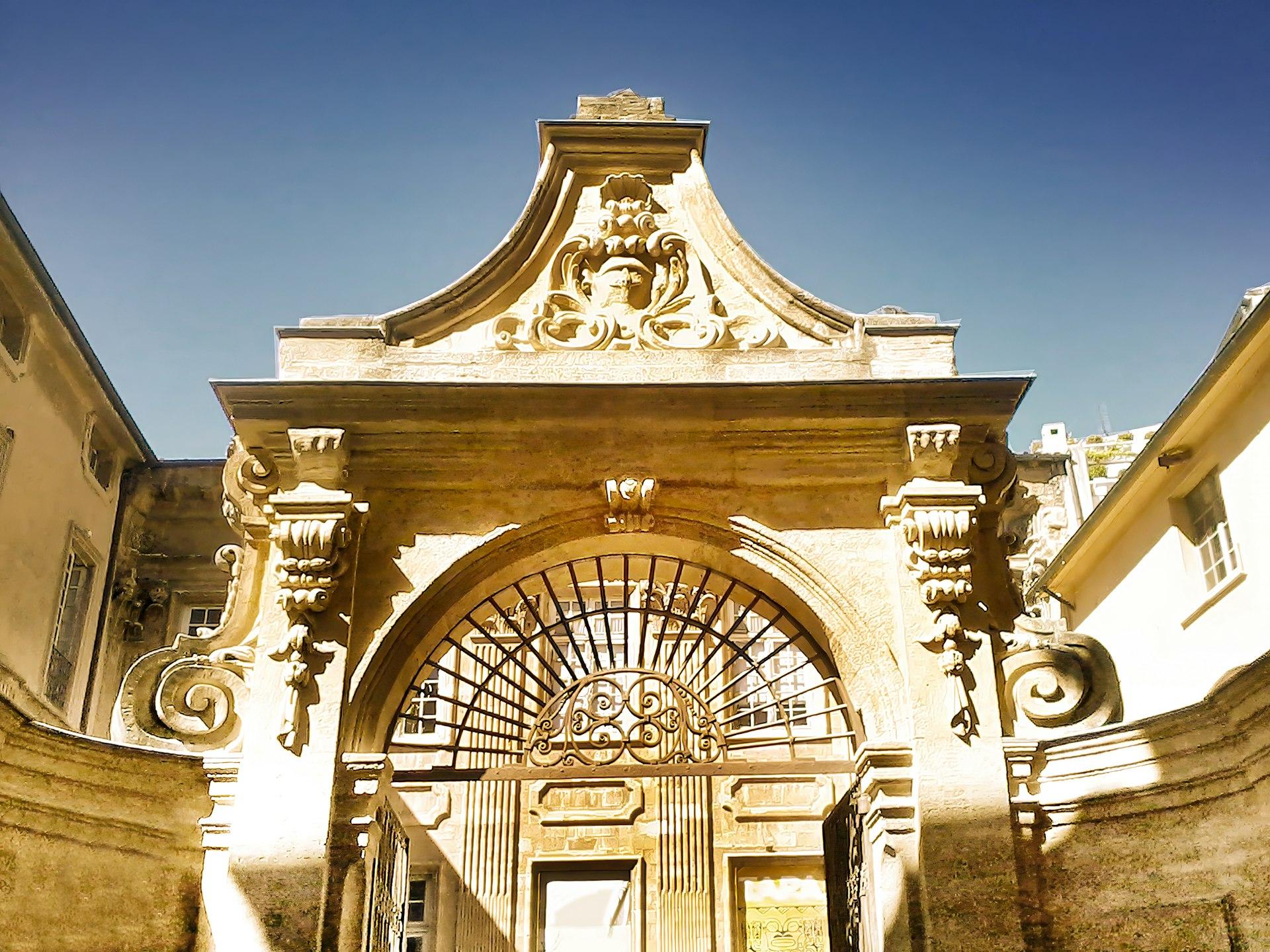
Aix-en-Provence hotels
France · 17 hotels
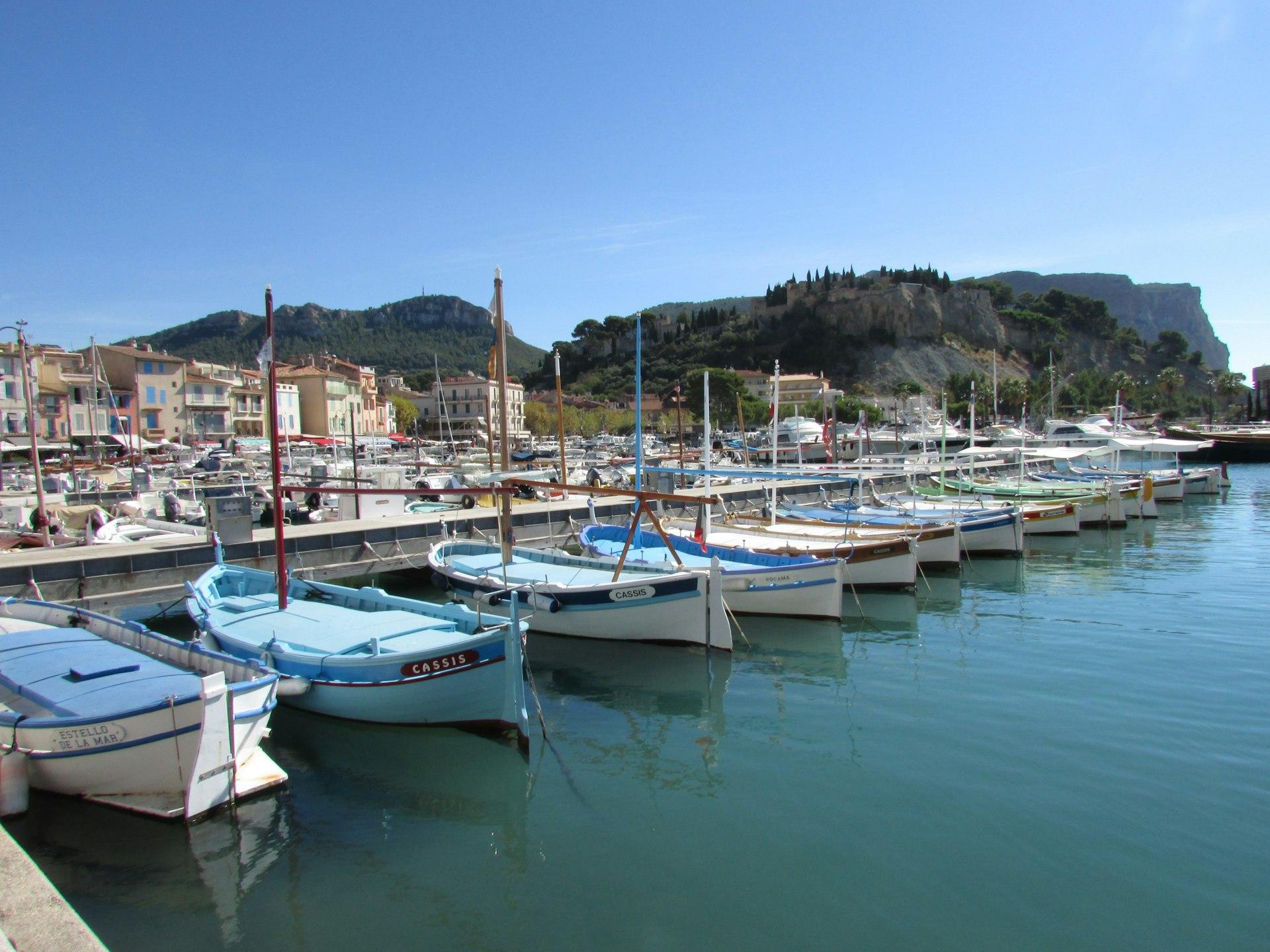
Cassis hotels
France · 14 hotels
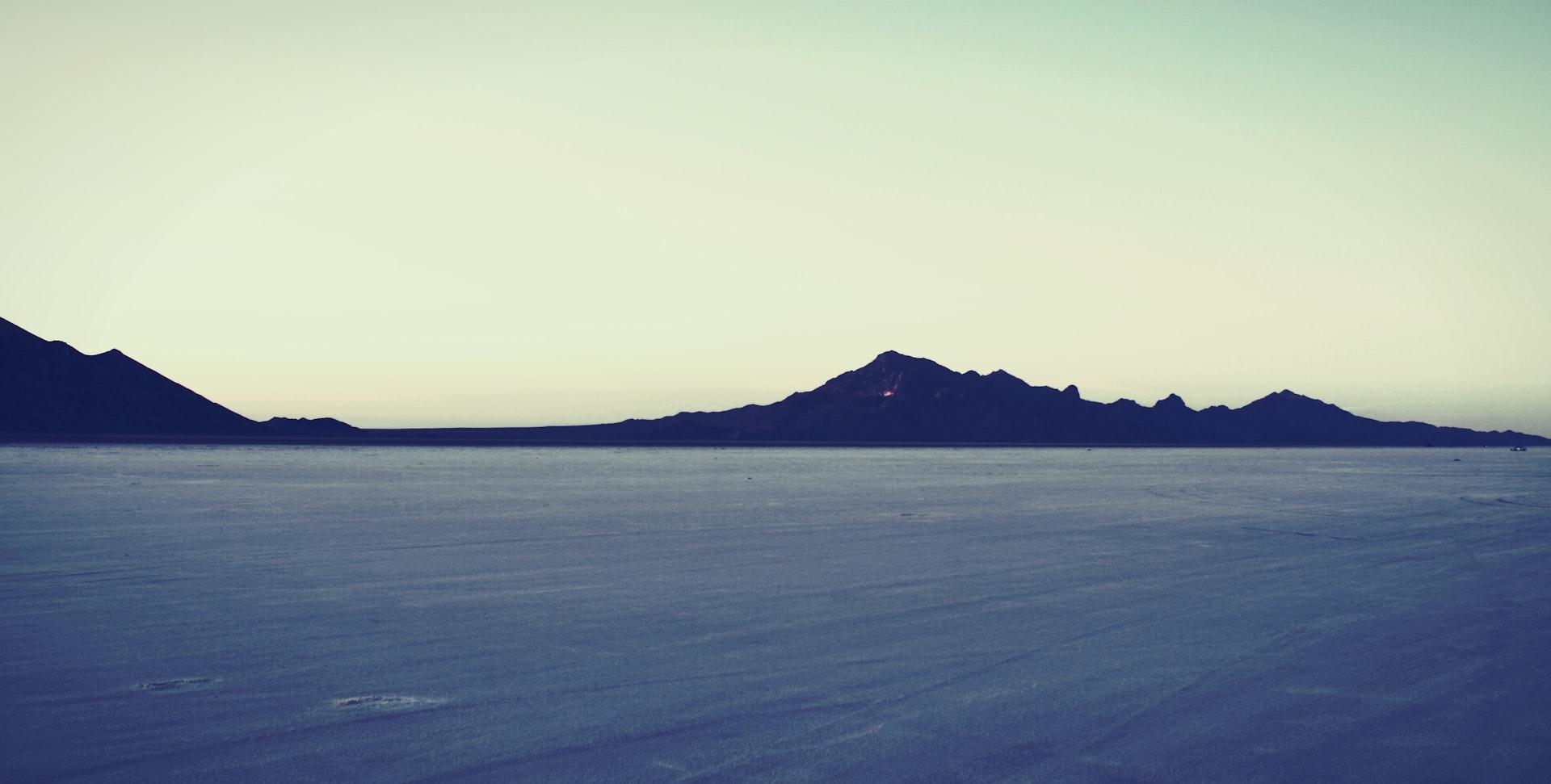
Bonneville hotels
France · 14 hotels
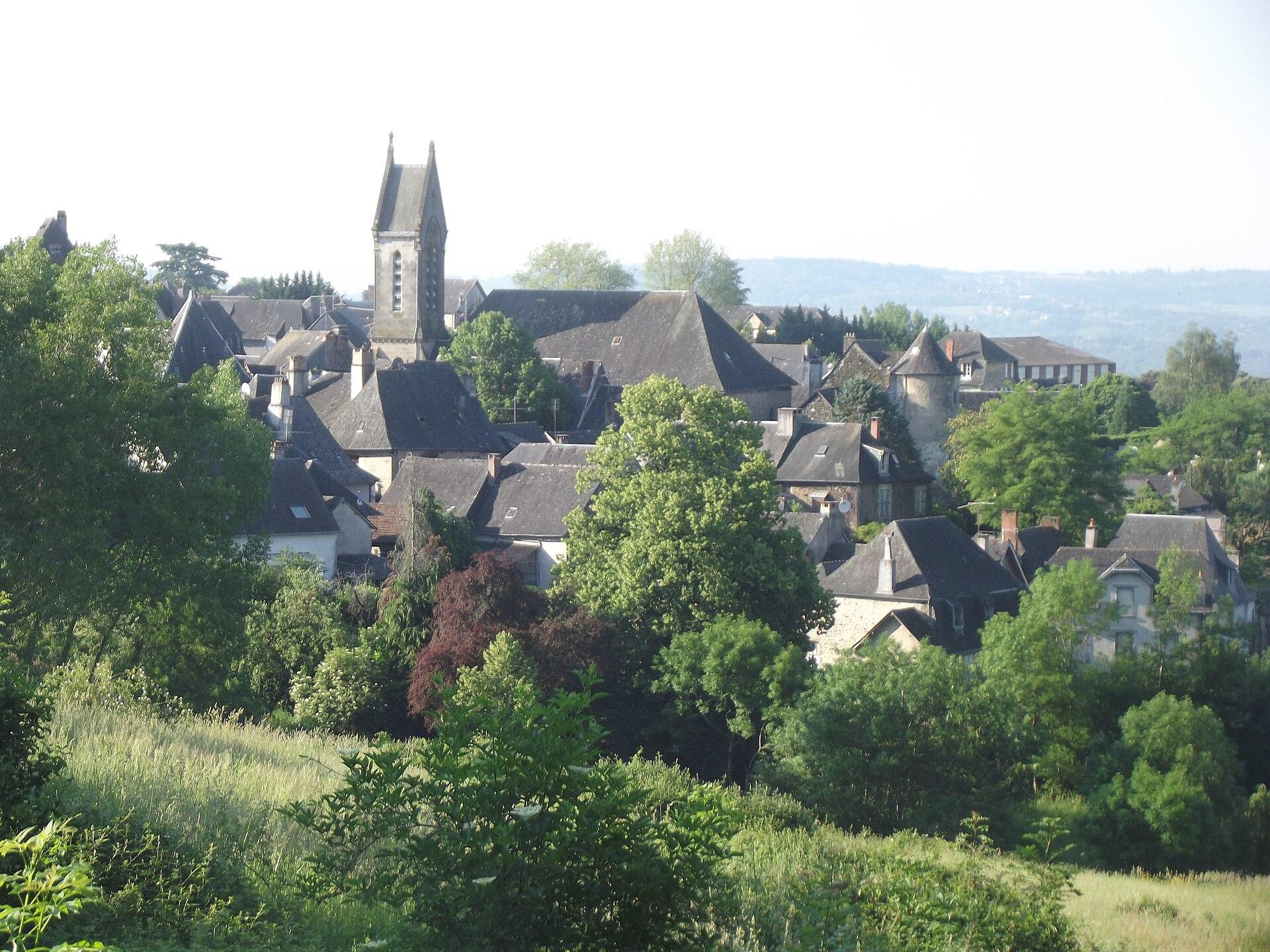
Les Bos hotels
France · 14 hotels
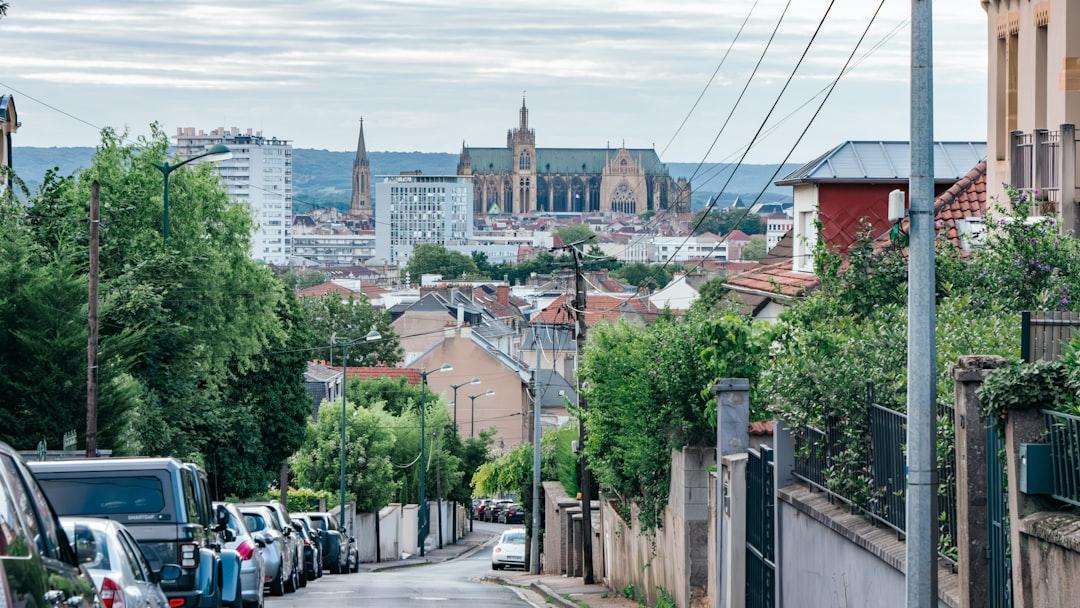
Saint-Étienne hotels
France · 13 hotels
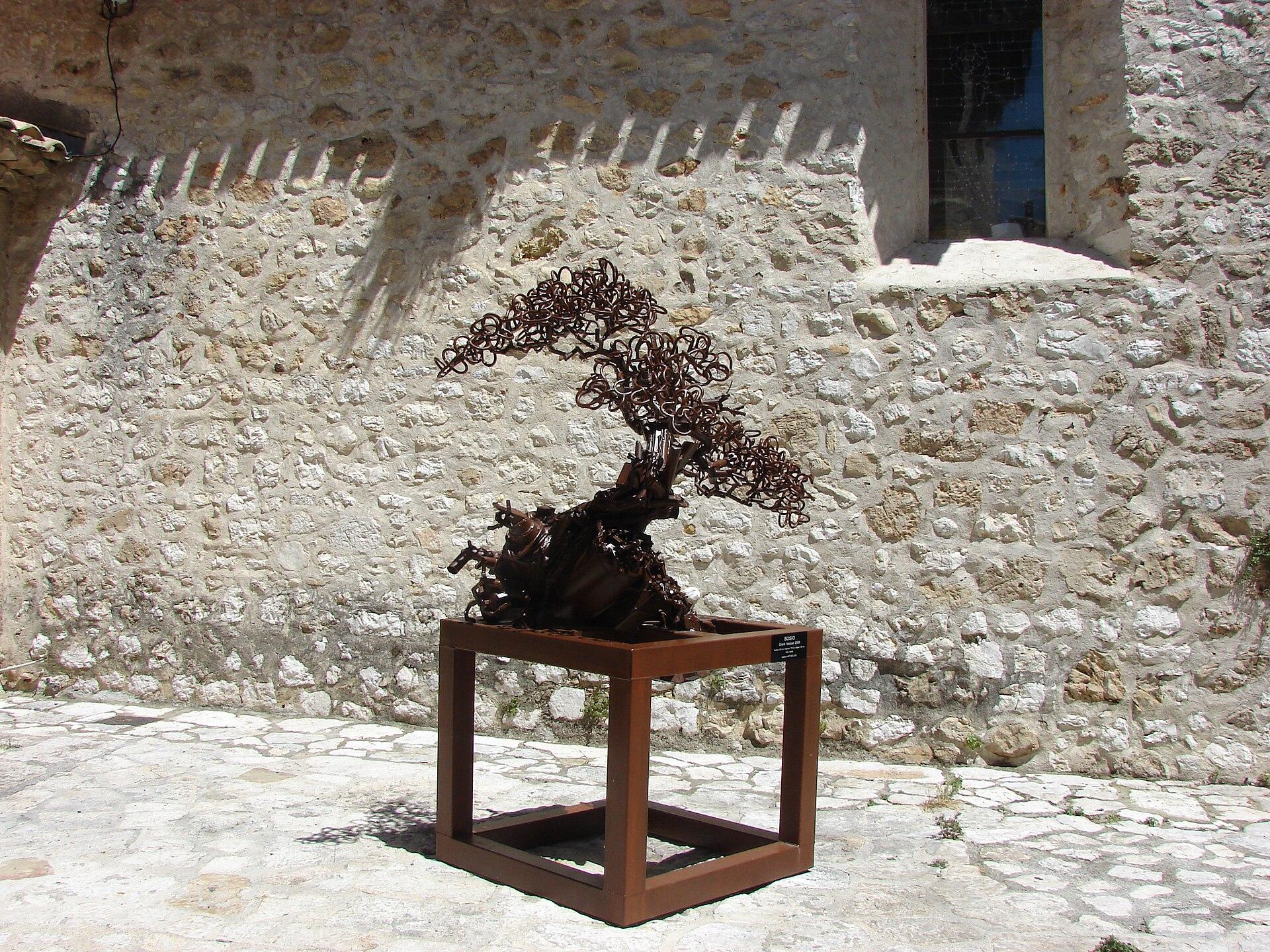
Saint-Paul-de-Vence hotels
France · 12 hotels
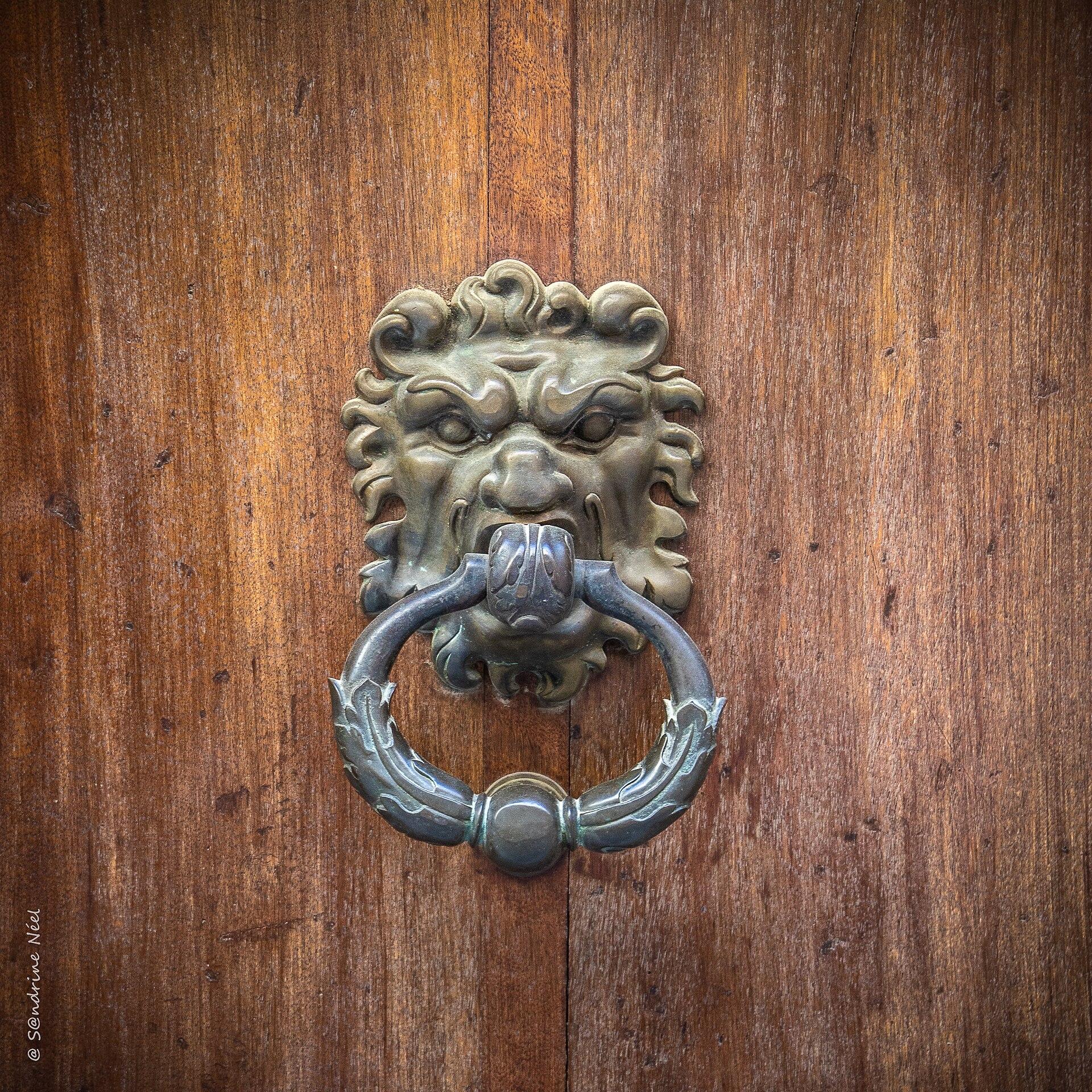
Gordes hotels
France · 12 hotels
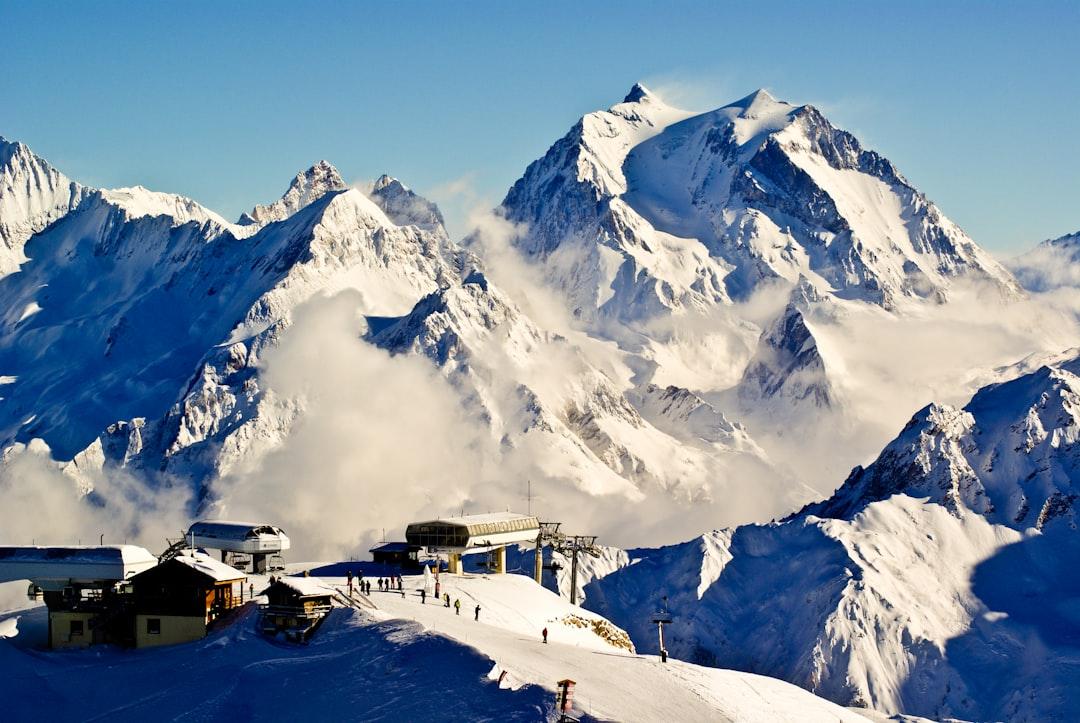
Courchevel hotels
France · 11 hotels

Saint-Martin-de-Belleville hotels
France · 11 hotels
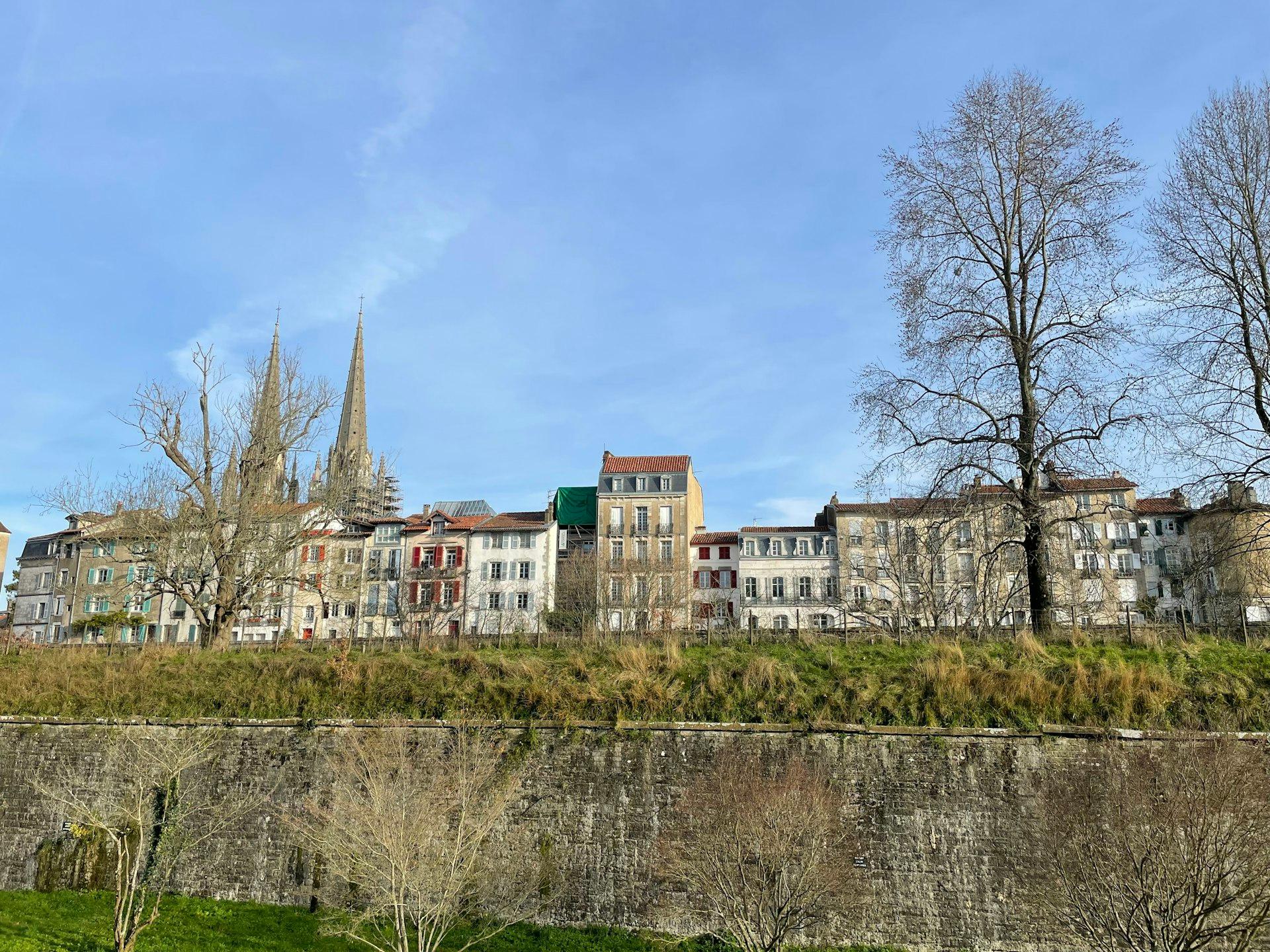
Bayonne hotels
France · 10 hotels
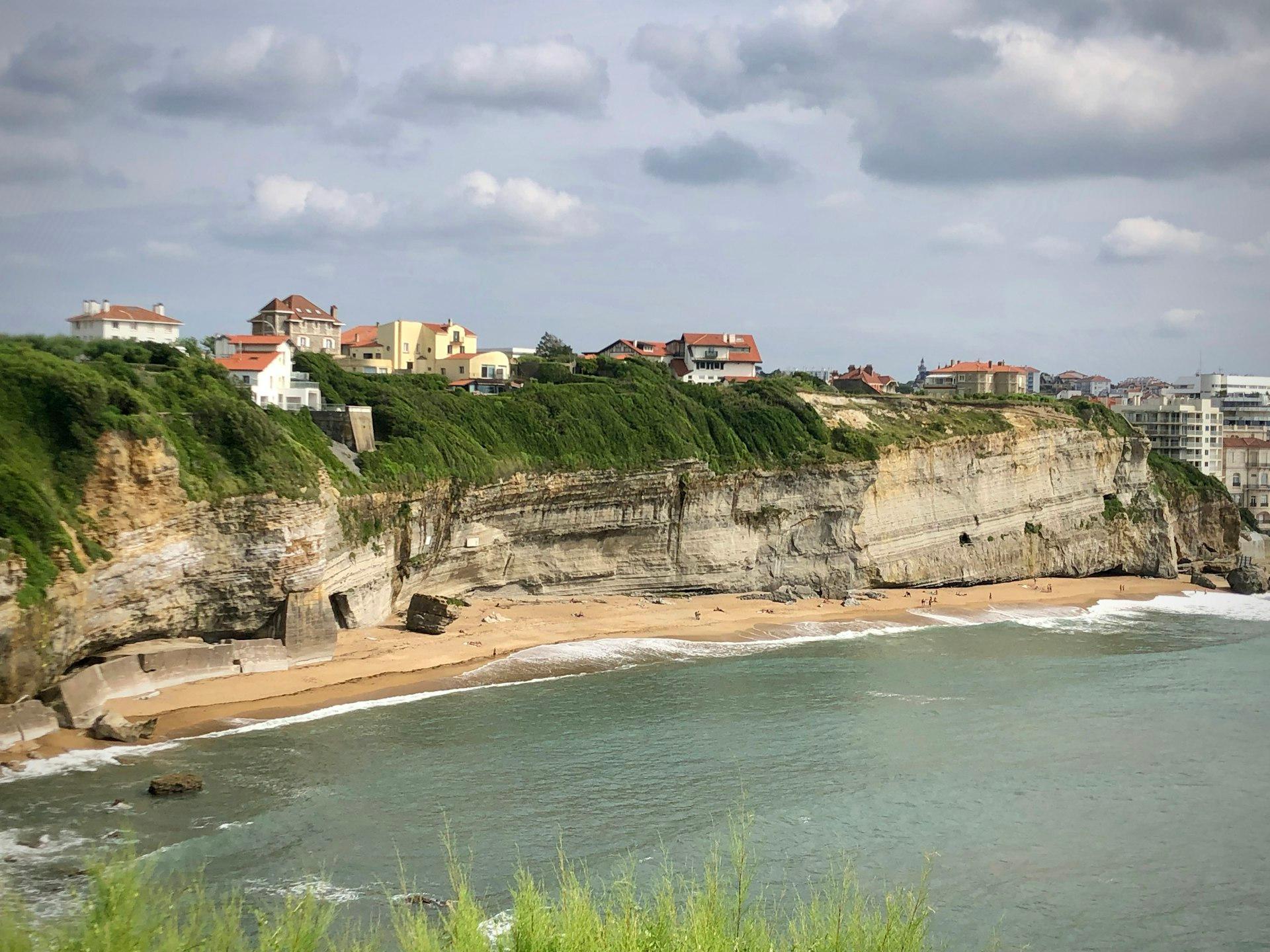
Biarritz hotels
France · 9 hotels
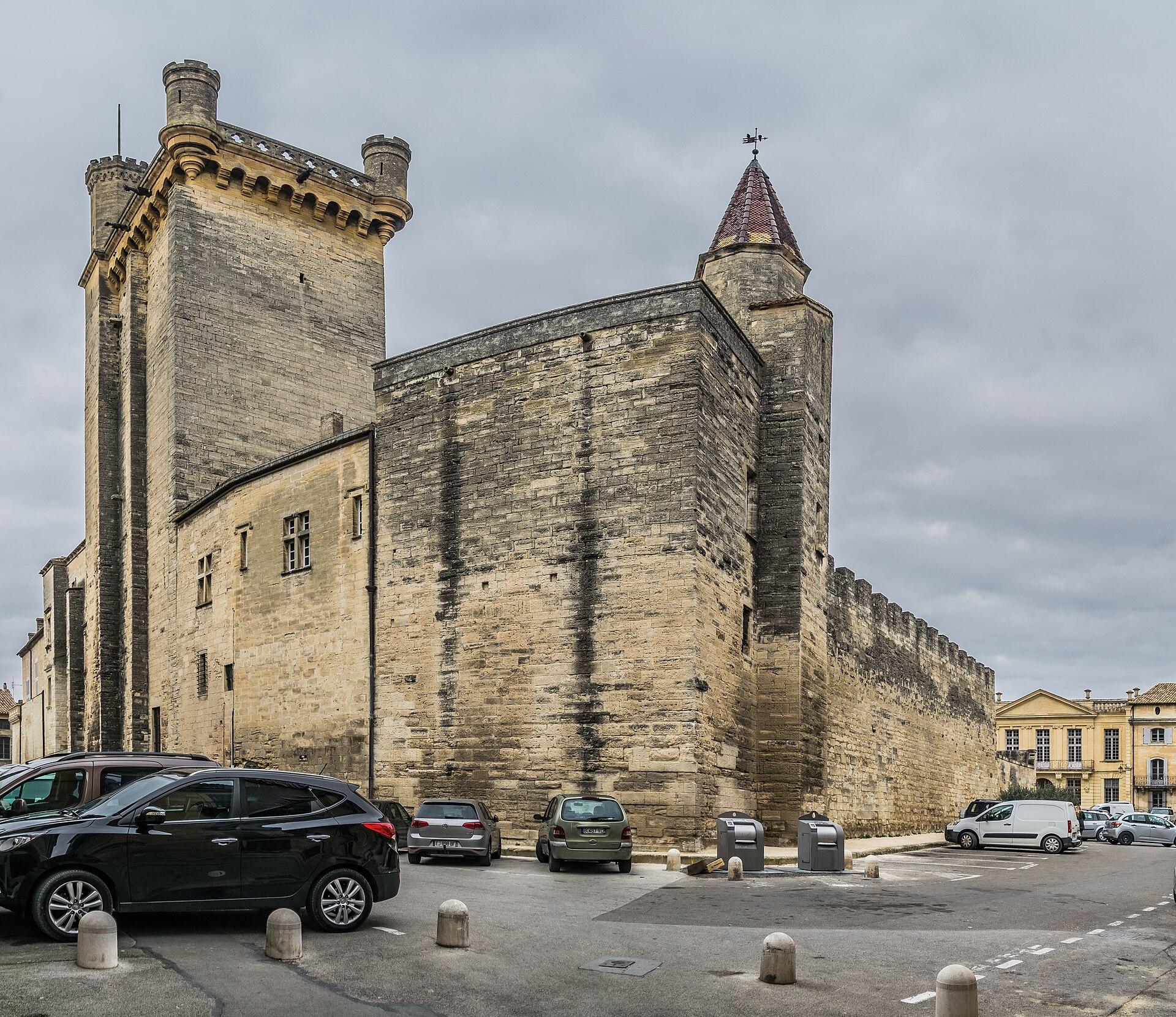
Uzès hotels
France · 9 hotels
Rhodes hotels
France · 9 hotels
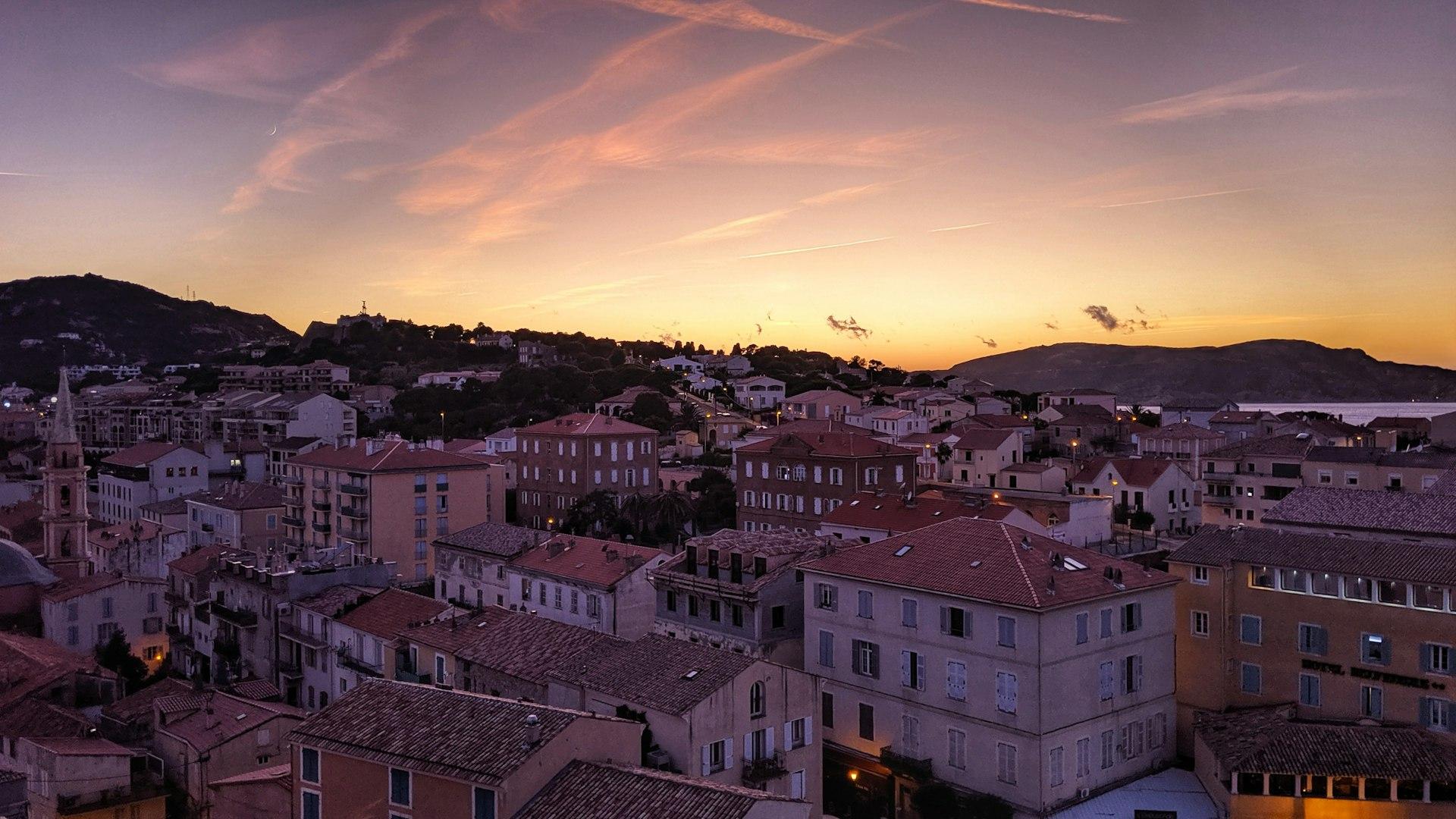
Calvi hotels
France · 9 hotels