Hotels in Antibes
54 hotels
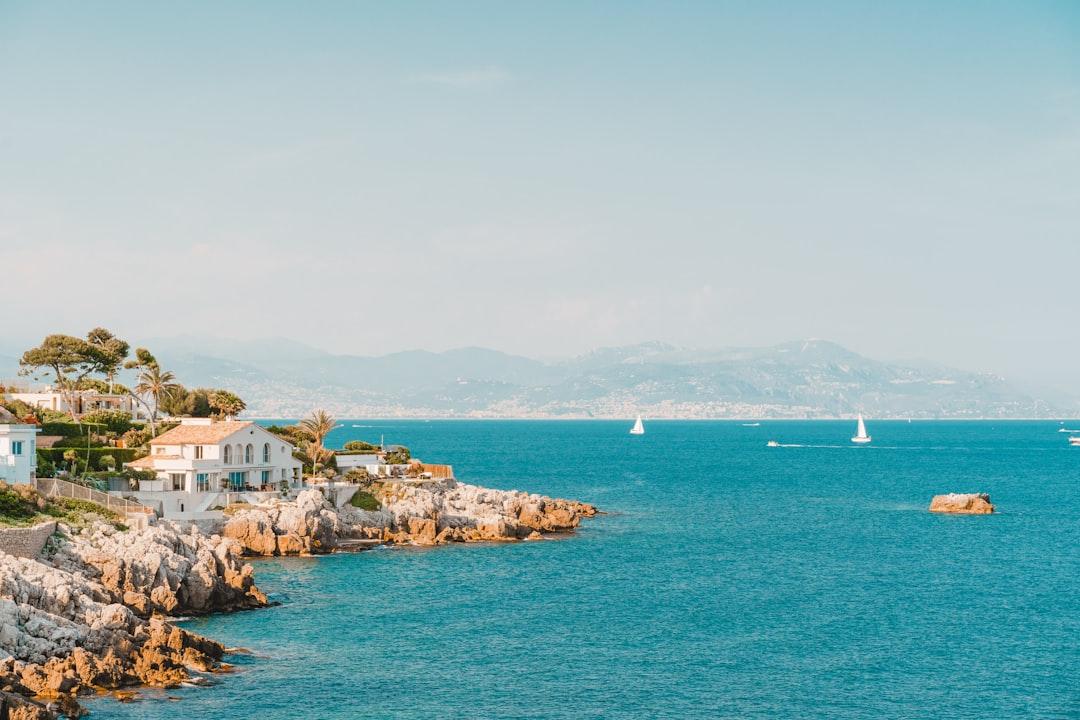
Browse hotels in Antibes, France — stay near the 16th-century Grimaldi Castle or along the Cap d'Antibes peninsula. Sandy beaches 5 min on foot.
Photo by Anthony Salerno on Unsplash
About Antibes
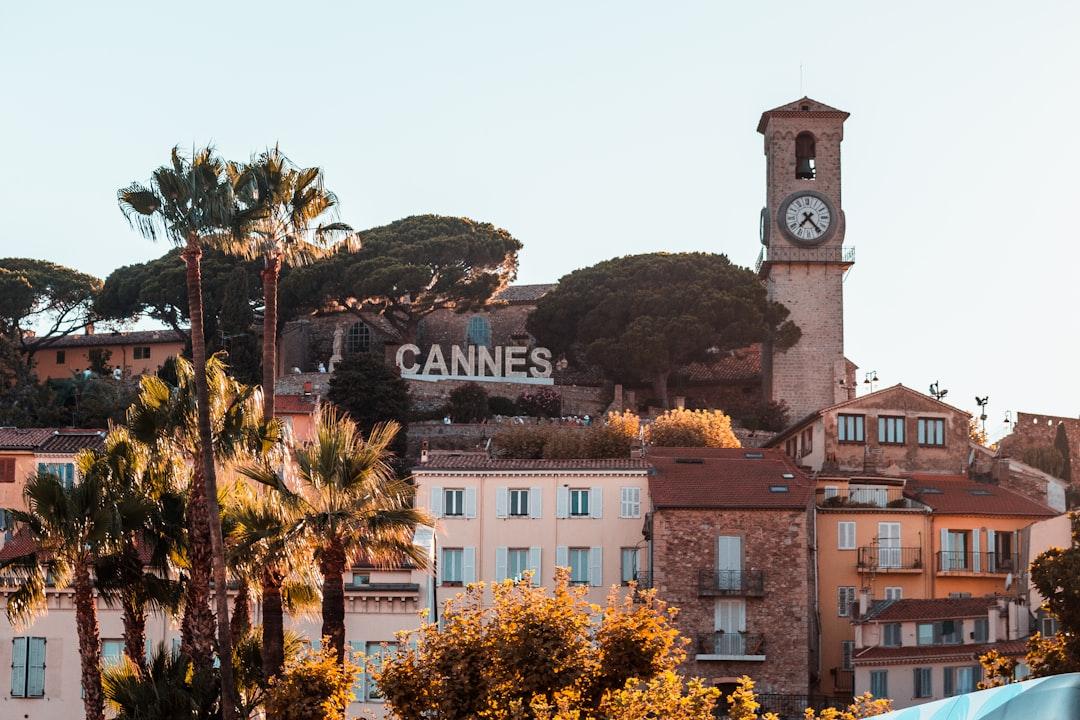
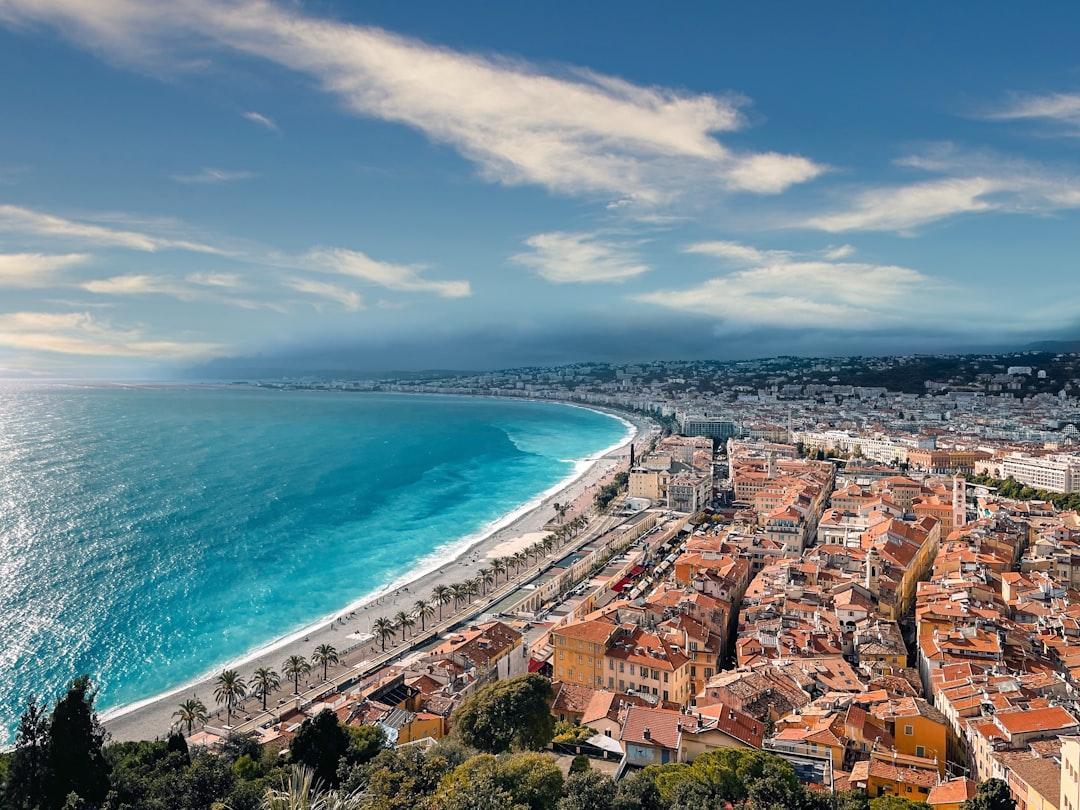
Antibes sits on a narrow peninsula between Nice and Cannes along the French Riviera, offering a compelling mix of ancient history, Mediterranean coastline, and a working harbor that has attracted sailors and artists for centuries. With its well-preserved old town, sandy beaches, and one of the largest yacht ports in Europe, Antibes rewards visitors who want more than a typical beach holiday.
Old Town and Historic Ramparts
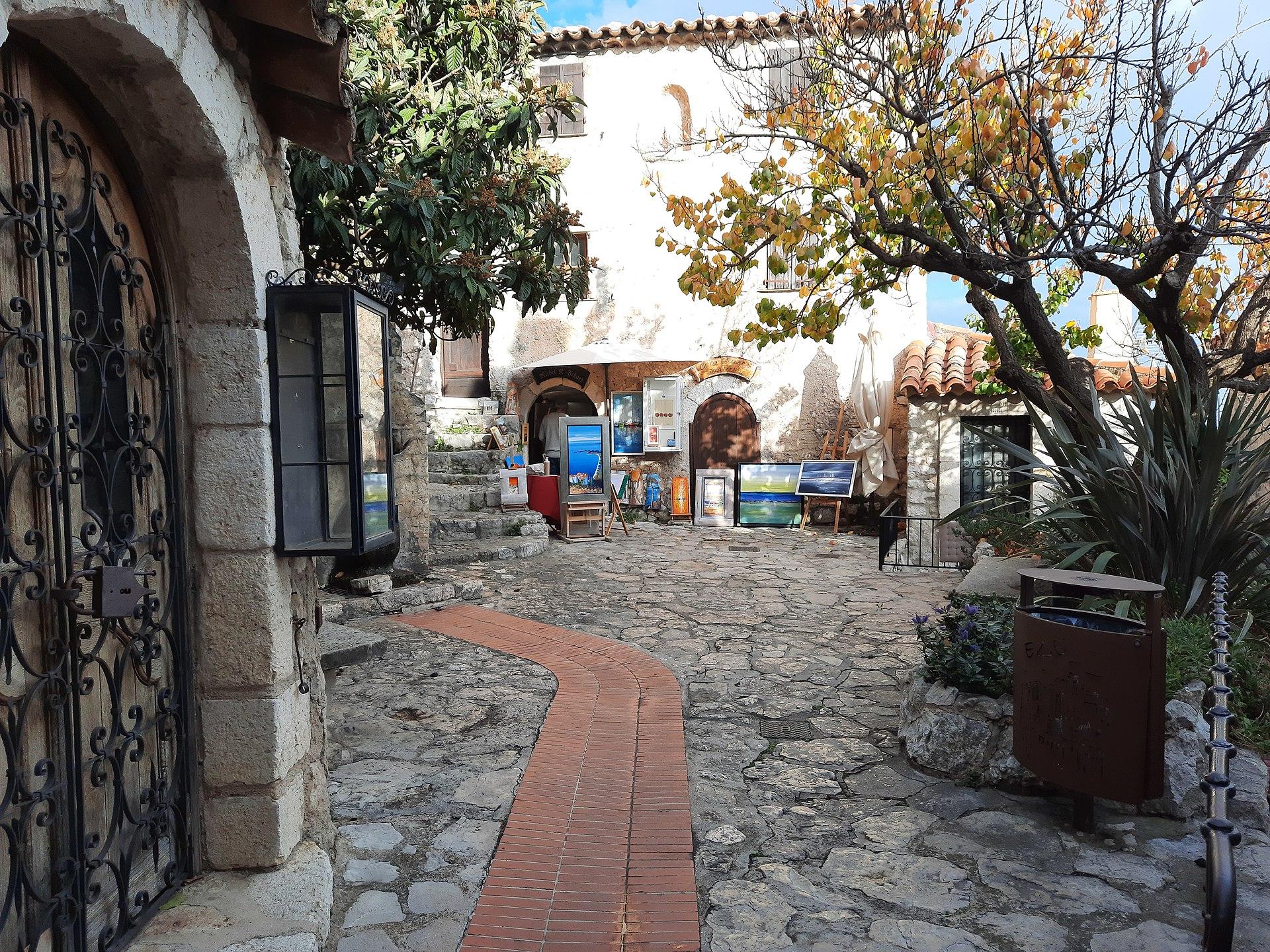
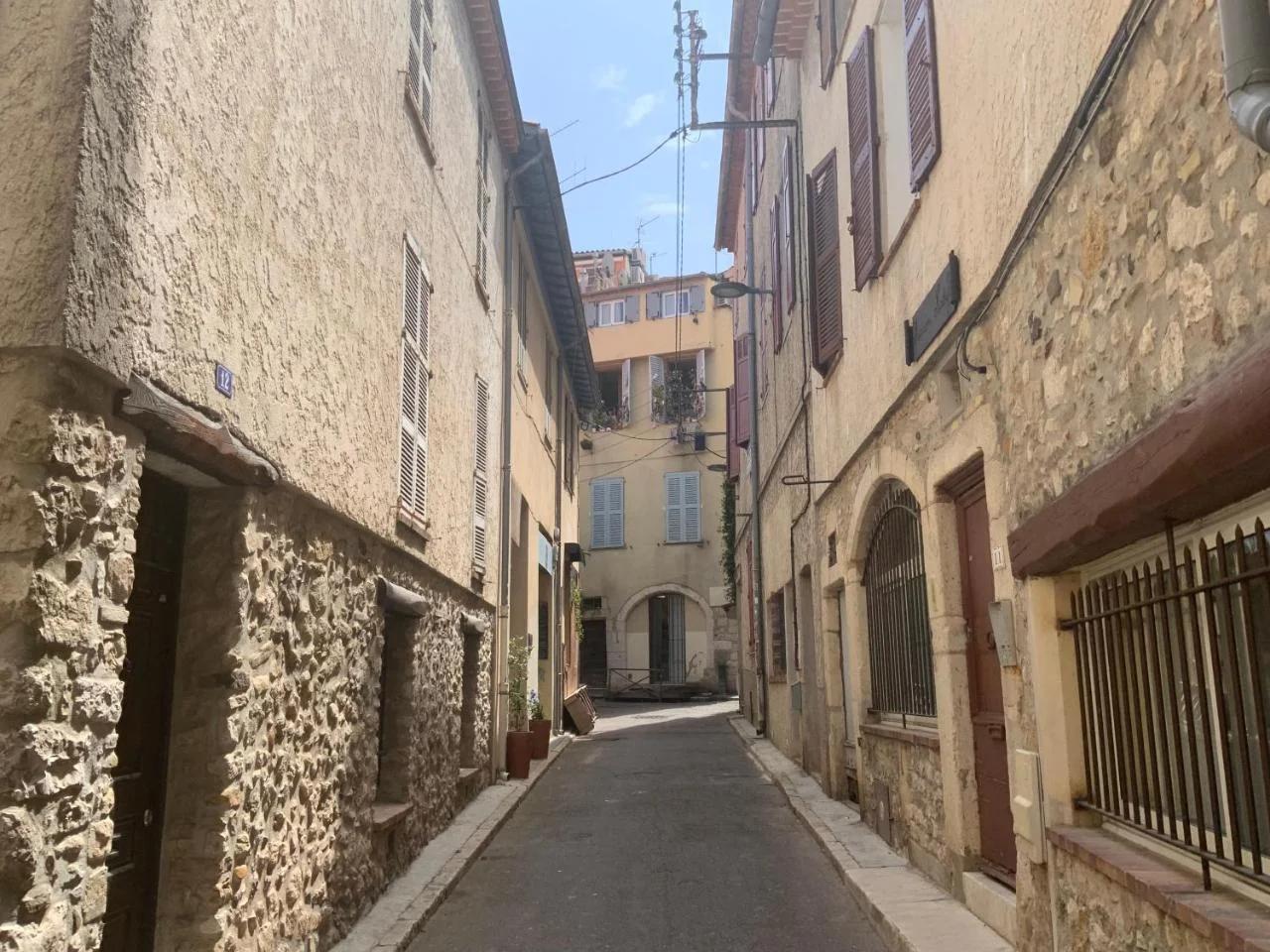
The Vieil Antibes, or old town, is enclosed by 16th-century ramparts built under the direction of the military engineer Vauban. Walking along the sea walls gives clear views across the Baie des Anges toward Nice and the Alps beyond. Inside the ramparts, narrow streets are lined with ochre and terracotta buildings, a covered market on Cours Masséna selling local produce, flowers, and Provençal specialties, and dozens of small restaurants and cafés. The Château Grimaldi, a former residence of the Grimaldi family and later a Roman castrum, now houses the Musée Picasso. Pablo Picasso worked in the château for several months in 1946, and the museum holds a significant collection of paintings, drawings, and ceramics from that period alongside works by other 20th-century artists.
Beaches and the Cap d'Antibes Peninsula
Antibes has a varied coastline suited to different preferences. The town beach, Plage du Ponteil, and the longer Plage de la Salis offer calm, shallow water and are easily accessible from the center. For a more secluded experience, the Cap d'Antibes peninsula to the south has rocky coves and the public beach at La Garoupe, which faces east and benefits from sheltered conditions. A coastal footpath, the Sentier du Littoral, circles much of the Cap d'Antibes and passes through pine and eucalyptus woodland with consistent sea views. The Villa Eilenroc, a 19th-century estate on the tip of the cape, opens its gardens to visitors on certain days and offers a look at the kind of grand Belle Époque architecture that defined the Riviera's early tourism era.
Port Vauban and the Sailing Culture
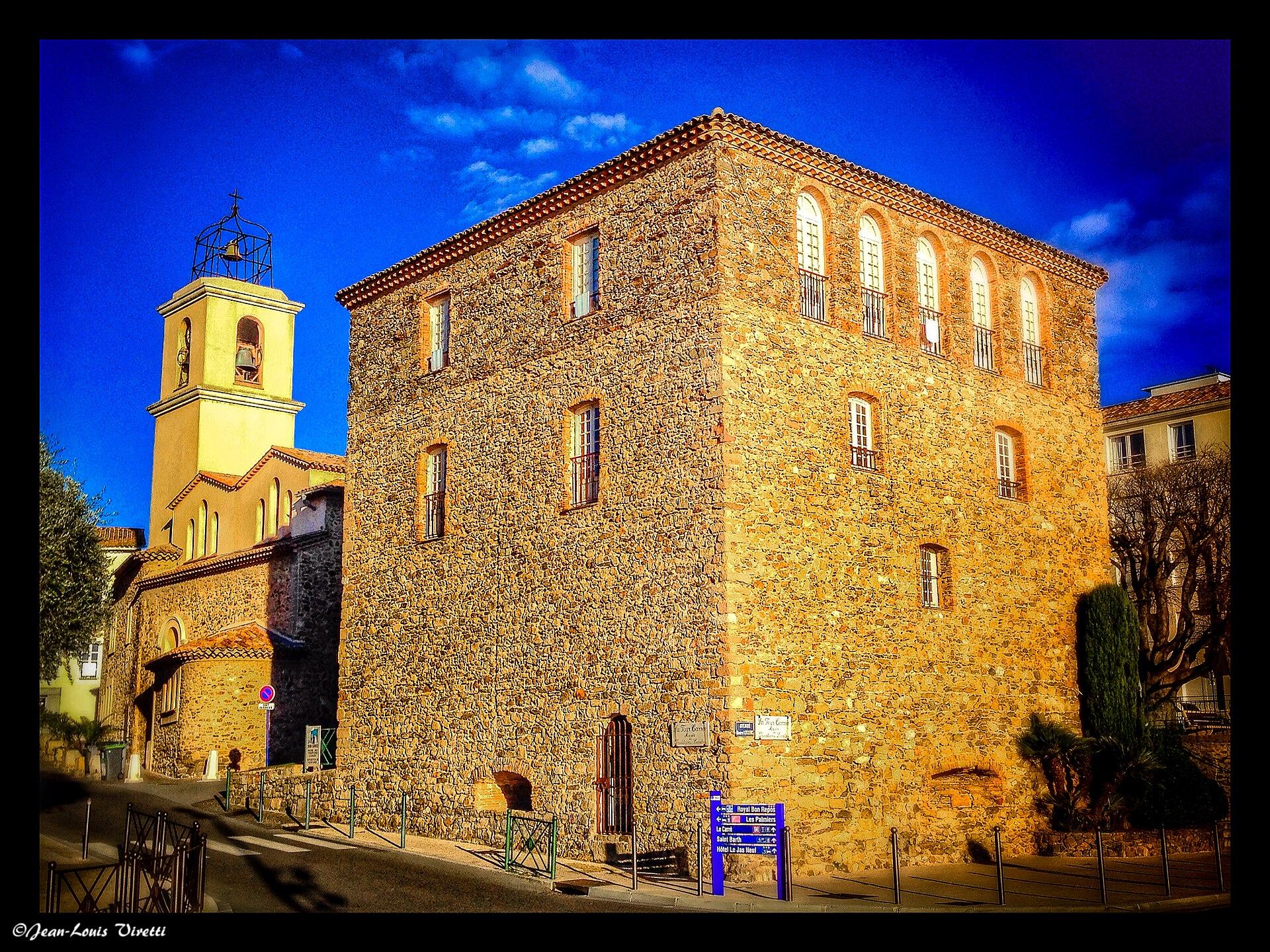
Port Vauban is one of the largest marinas in the Mediterranean, capable of accommodating very large private yachts. The port is a genuine working hub rather than a purely decorative feature, and watching the activity along the quays is a popular pastime. The adjacent Fort Carré, a 16th-century star-shaped fortification, is open for guided tours and provides elevated views over the port and surrounding coastline. Napoleon Bonaparte was briefly imprisoned in Fort Carré in 1794 before his rise to power, adding a layer of historical interest to the site.
Practical Tips
- Getting there: Antibes is served by its own train station on the main Nice–Cannes line, making it straightforward to reach by rail. The journey from Nice takes around 25 minutes and from Cannes around 15 minutes.
- Best time to visit: Late spring (May–June) and early autumn (September–October) offer warm temperatures, fewer crowds than peak summer, and lower accommodation prices.
- Markets: The Marché Provençal on Cours Masséna operates every morning except Monday from June through August, and on Tuesday, Thursday, and Saturday mornings during the rest of the year.
- Getting around: The old town and beaches are walkable from the train station. Bicycles can be rented to explore the Cap d'Antibes coastal path more easily.
- Currency and language: France uses the euro. French is the primary language, though English is widely understood in tourist areas.
FAQ
Is Antibes worth visiting if I am already going to Nice or Cannes? Yes. Antibes has a distinct character compared to both cities, with a more compact old town, a genuine working port, and a quieter atmosphere outside peak summer months. It is easily visited as a day trip or as a base for exploring the central Riviera.
What is the Musée Picasso and what can I see there? The Musée Picasso is housed in the Château Grimaldi and holds works that Picasso created during his stay in Antibes in 1946, including paintings, drawings, prints, and ceramics. The museum also displays pieces by other modern artists and is one of the most visited cultural sites on the Riviera.
Can I swim at the beaches in Antibes? Yes. Antibes has several public beaches including Plage du Ponteil and Plage de la Salis. The water is generally calm and clear, particularly at the sheltered beaches on the eastern side of the Cap d'Antibes.
How do I visit Fort Carré? Fort Carré is accessible by guided tour only. Tours typically run several times a day during the main tourist season. The fort is a short walk or cycle ride north of the old town along the port.
Is Antibes family-friendly? Antibes is generally well-suited to families. The sandy beaches have gentle entry into the water, the old town market is engaging for all ages, and the coastal path around Cap d'Antibes is suitable for older children who can manage moderate walking distances.
When is the market in Antibes open? The Marché Provençal on Cours Masséna runs every morning except Monday from June through August. During the rest of the year it operates on Tuesday, Thursday, and Saturday mornings.
What is the Sentier du Littoral? The Sentier du Littoral is a coastal footpath that runs around the Cap d'Antibes peninsula. It passes through woodland and along rocky shoreline, offering consistent sea views and access to several small coves. The full circuit takes approximately two to three hours on foot.
All hotels in Antibes
Showing 1–20 of 54 hotels

Check availability


Cities like Antibes
Other destinations across France within reach.