
17 hotels across 0 neighborhoods
Saint-Tropez: discover the best hotels and travel tips for your stay.
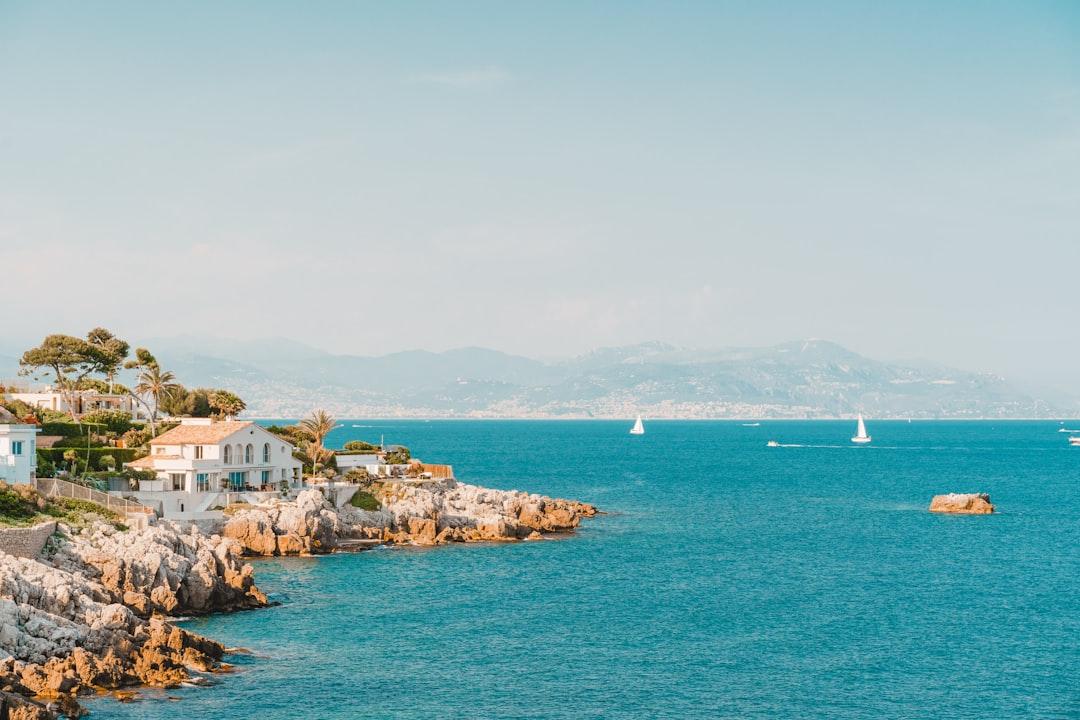
Photo by Victoire Joncheray on Unsplash
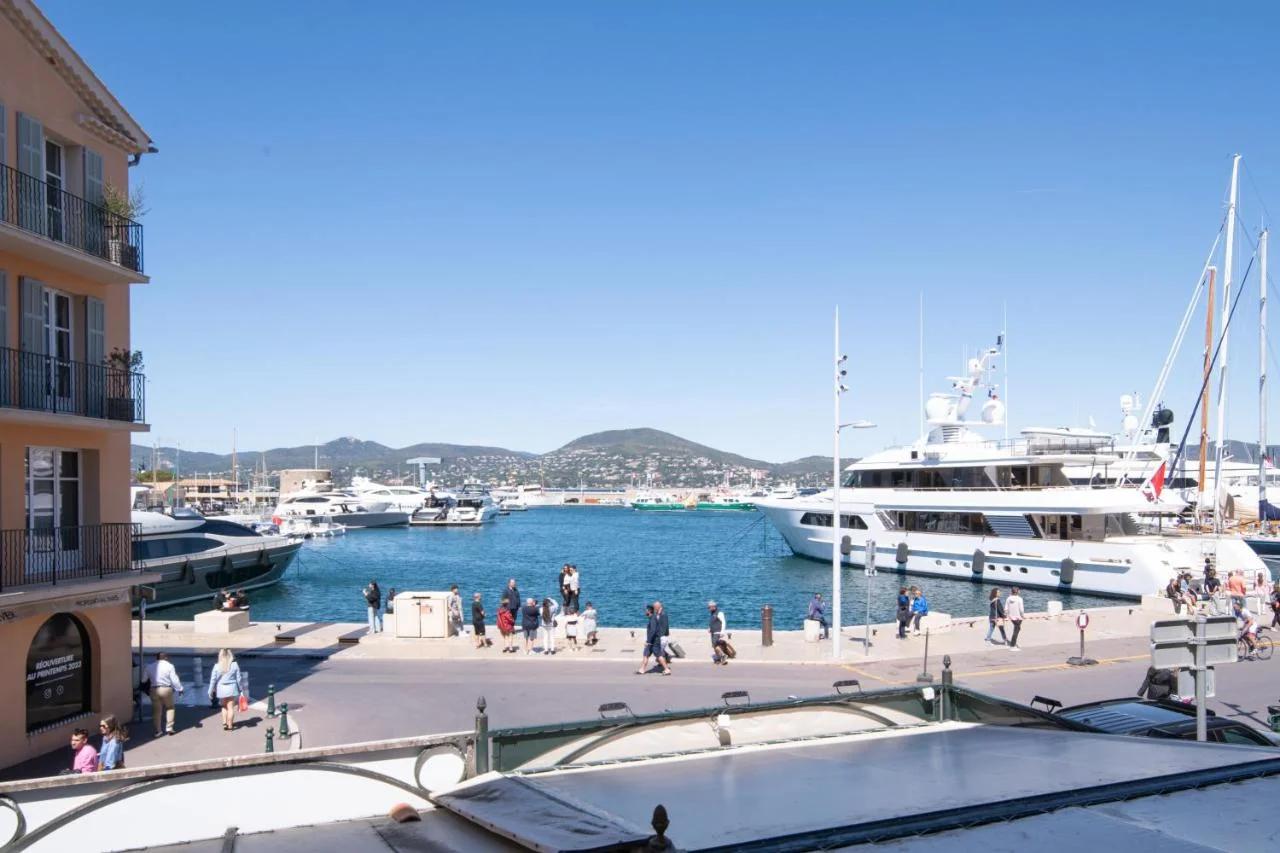
Nestled on a peninsula jutting into the Mediterranean Sea, Saint-Tropez is one of the most recognizable names on the French Riviera. Once a quiet fishing village in the Var department of Provence-Alpes-Côte d'Azur, it rose to international fame in the 1950s and 1960s when artists, filmmakers, and celebrities discovered its charm. Today, it draws visitors from around the world with its golden beaches, a well-preserved old town, and a harbor filled with impressive yachts.
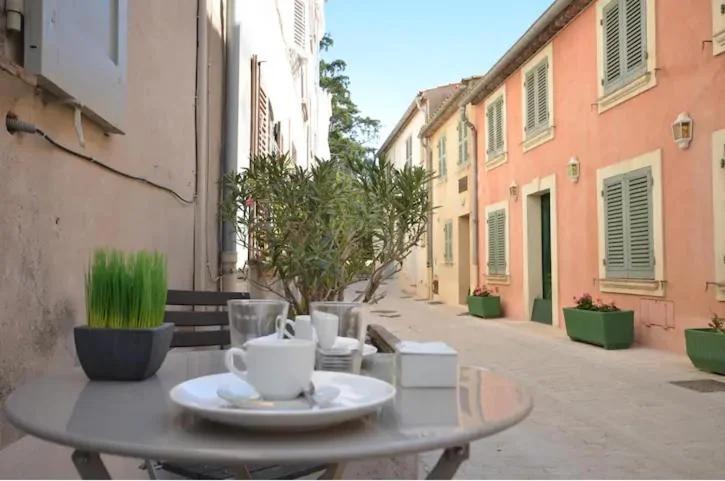
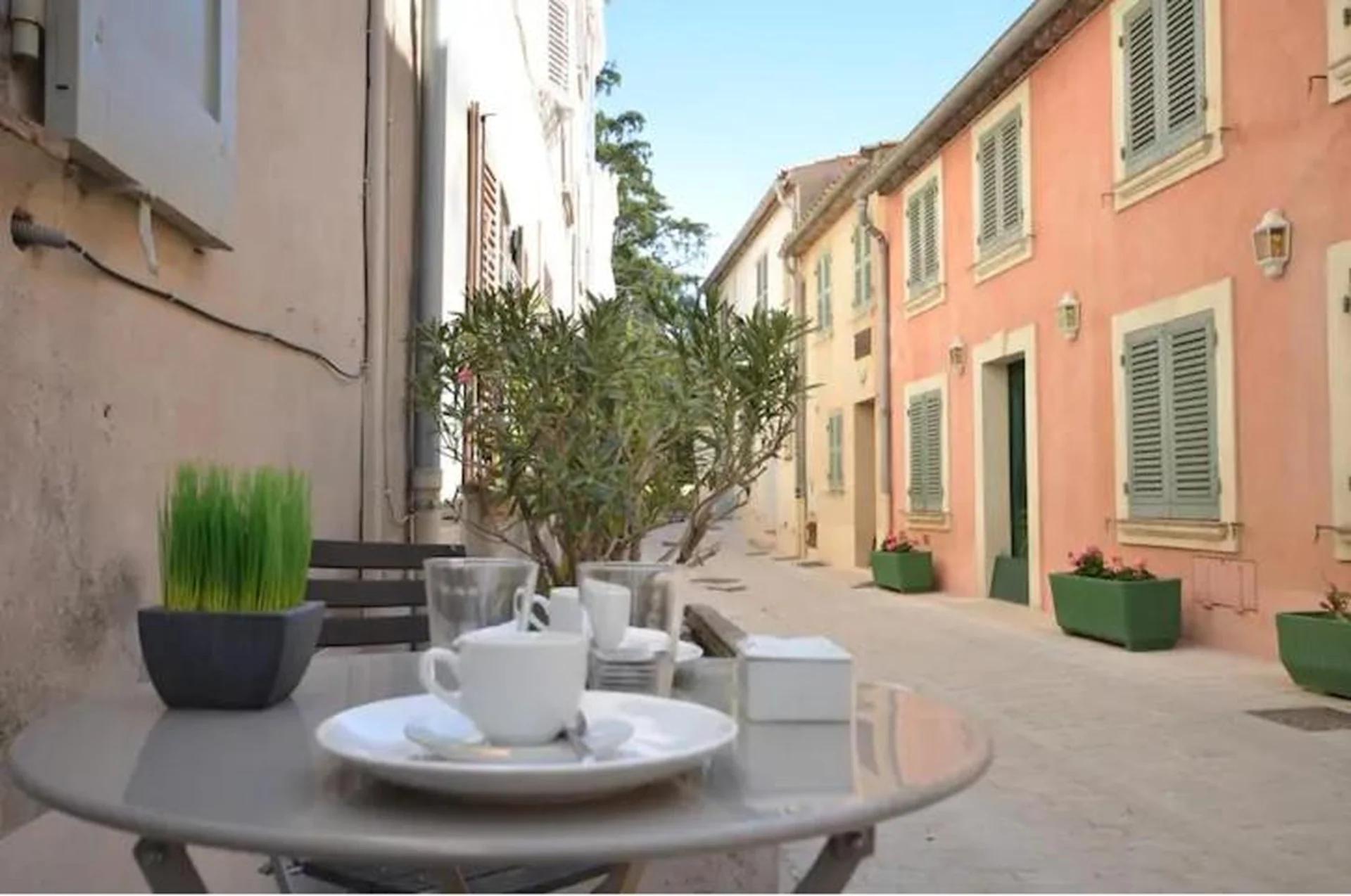
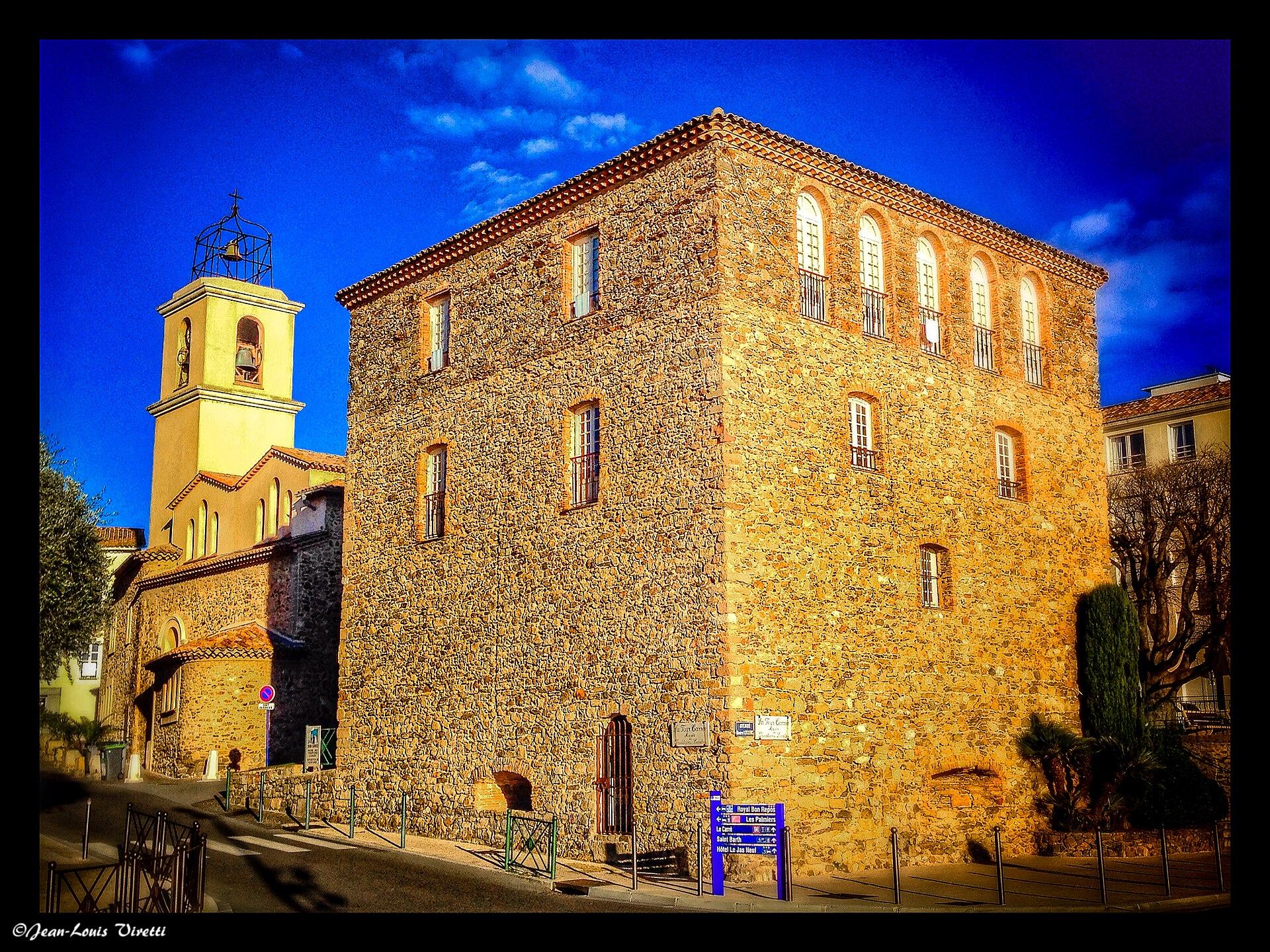
Saint-Tropez has a history stretching back to Roman times, and its character is shaped by centuries of fishing culture and Provençal tradition. The old town, known as La Ponche, is a maze of narrow cobblestone streets lined with pastel-colored houses, small squares, and local cafés. The Citadelle de Saint-Tropez, a 16th-century fortress perched above the town, offers panoramic views over the bay and houses a maritime museum that traces the village's seafaring past. The Church of Saint-Tropez, dating from the 18th century, anchors the town center and hosts the annual Bravade festival each May, a colorful celebration honoring the town's patron saint with parades and musket fire.
The beaches around Saint-Tropez are among the most visited on the Côte d'Azur. Plage de Pampelonne, a long stretch of sandy coastline roughly four kilometers south of the town center, is the most famous. It is divided into sections operated by private beach clubs alongside free public areas, making it accessible to a range of visitors. The beach clubs here have been a fixture of Riviera culture since the mid-20th century. Beyond Pampelonne, quieter coves such as Plage des Salins and Plage de Tahiti offer calmer alternatives. The surrounding hills and coastline are also well suited for hiking, cycling, and sailing, with the Gulf of Saint-Tropez providing sheltered waters for water sports.
Saint-Tropez has a genuine artistic heritage. The painter Paul Signac arrived here in 1892 and later attracted fellow Post-Impressionist and Fauvist artists including Henri Matisse and Pierre Bonnard. The Musée de l'Annonciade, housed in a converted 16th-century chapel near the port, holds an impressive permanent collection of works by these artists, many of which depict the town and its surroundings. The Place des Lices, a large square shaded by plane trees, hosts a lively twice-weekly market on Tuesdays and Saturdays where locals and visitors browse stalls selling produce, clothing, and antiques. The square also serves as a gathering spot for pétanque players, a tradition that gives the town an authentically Provençal feel despite its global profile.
Q: Is Saint-Tropez worth visiting outside of summer? A: Yes. Spring and autumn bring mild temperatures, open restaurants, and far smaller crowds. Some beach clubs and seasonal businesses close after October, but the old town, museums, and markets remain active.
Q: How do I get from Nice to Saint-Tropez? A: There is no direct train. Options include a bus connection (around 2.5–3 hours), a private transfer by car (roughly 1.5–2 hours depending on traffic), or a seasonal ferry service from certain ports.
Q: What is the Bravade festival in Saint-Tropez? A: The Bravade is an annual celebration held in May honoring Saint Torpes, the town's patron saint. It features costumed processions, traditional music, and ceremonial musket fire, and has been observed for centuries.
Q: Are the beaches in Saint-Tropez free to use? A: Parts of Plage de Pampelonne and other beaches are operated as private clubs with paid sun loungers and services, but public sections of the beach are free to access.
Q: Can I visit the Musée de l'Annonciade year-round? A: The museum is generally open most of the year but may have reduced hours or closures during winter months. It is advisable to check current opening times before visiting.
Q: Is Saint-Tropez suitable for families with children? A: The town and its beaches are family-friendly. The shallow, calm waters of the Gulf of Saint-Tropez and the open spaces around Place des Lices make it comfortable for families, though the busy summer period can be crowded.
Q: What local dishes should I try in Saint-Tropez? A: The region is known for Provençal cuisine. Look for tarte tropézienne, a cream-filled brioche cake created in the town in the 1950s, as well as fresh seafood, socca (chickpea flatbread), and dishes featuring local olive oil and herbs.

Check availability

Check availability

Check availability

Check availability

Check availability

Check availability

Check availability

59 reviews
Check availability

26 reviews
Check availability

1,797 reviews
Check availability

3 reviews
Check availability

27 reviews
Check availability

12 reviews
Check availability

39 reviews
Check availability

1,158 reviews
Check availability

322 reviews
Check availability

73 reviews
Check availability