
Hotels in Champs-Élysées, Paris
7 hotels · 8 nearby attractions· Part of Paris
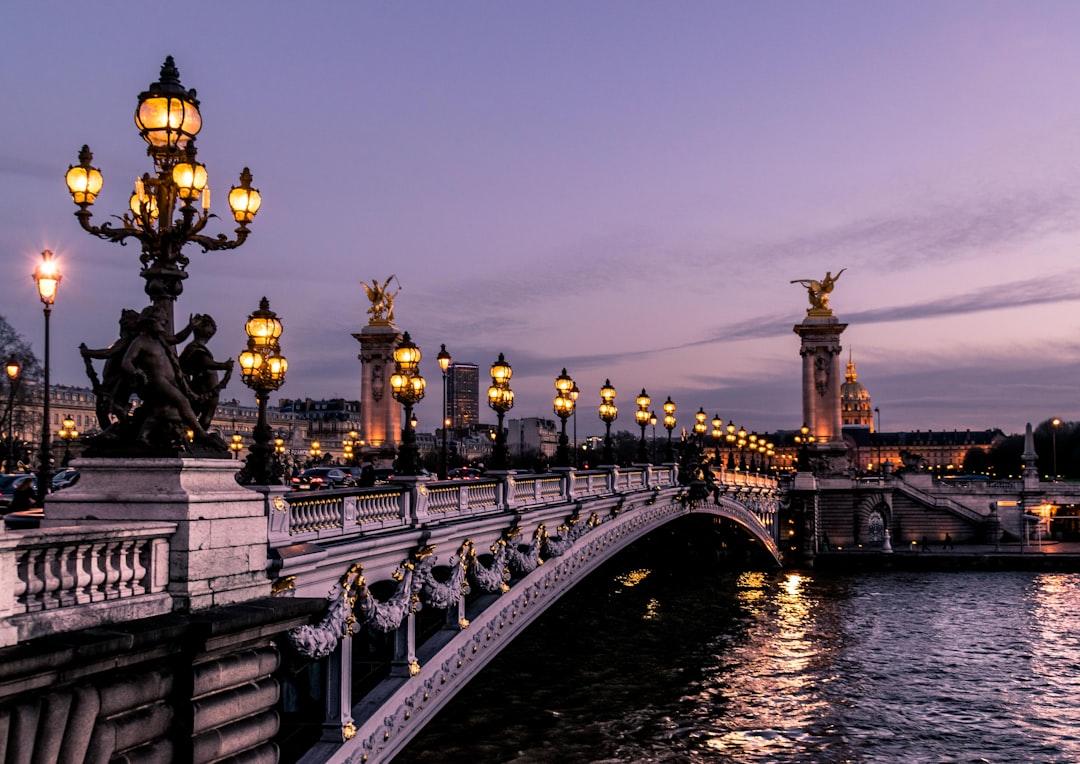
Photo by Marco Herrmann on Unsplash
About Champs-Élysées
Champs-Élysées: Paris's Most Famous Avenue
The Champs-Élysées is one of the world's most recognized thoroughfares, stretching nearly 2 kilometers through the heart of Paris from the Place de la Concorde to the Arc de Triomphe. This broad, tree-lined boulevard sits at the center of Parisian life, drawing millions of visitors each year with its mix of high-end retail, historic monuments, and cultural landmarks.
History and Architecture
The avenue dates back to the 17th century, when landscape architect André Le Nôtre extended the Tuileries Garden's central axis westward. Over the centuries, it evolved from a quiet promenade into a symbol of French national identity. Today, the Champs-Élysées hosts major national events, including the Bastille Day military parade on July 14th and the final stage of the Tour de France. The wide sidewalks, lined with chestnut trees, give the boulevard a distinctive character that sets it apart from other commercial streets in Europe.
What to See and Do
The Arc de Triomphe anchors the western end of the avenue and offers panoramic rooftop views across Paris, including a direct sightline to the Eiffel Tower to the southwest. Along the boulevard itself, visitors will find flagship stores from international and French brands, cinema complexes, and the Grand Palais and Petit Palais exhibition halls just off the avenue near the Place Clemenceau. The Musée d'Orsay and the Louvre Museum are both accessible within a short metro or taxi ride, making the Champs-Élysées a practical base for exploring the city's major cultural institutions.
Practical Tips
- Getting there: Metro Line 1 serves the avenue directly, with stops at Franklin D. Roosevelt, George V, and Charles de Gaulle–Étoile.
- Best time to visit: Weekday mornings are quieter for walking the boulevard. Evenings bring a lively atmosphere, especially around the cafés and restaurants.
- Tickets: Entry to the Arc de Triomphe rooftop requires a ticket; book online in advance to avoid queues.
- Shopping: The avenue caters to a wide range of budgets, from global chain stores to French luxury houses.
- Safety: Like any busy tourist area, be mindful of your belongings in crowded spots.
Frequently Asked Questions
Q: How long is the Champs-Élysées? A: The avenue stretches approximately 1.9 kilometers from the Place de la Concorde to the Place Charles de Gaulle, where the Arc de Triomphe stands.
Q: Is the Champs-Élysées walkable? A: Yes, the full length is easy to walk in under 30 minutes at a relaxed pace. Wide, well-maintained sidewalks make it accessible for most visitors.
Q: Can you visit the Arc de Triomphe from the Champs-Élysées? A: The Arc de Triomphe sits at the top of the avenue. Access to the monument is via an underground pedestrian tunnel — do not attempt to cross the roundabout on foot.
Q: Are there good restaurants on the Champs-Élysées? A: The avenue has numerous cafés, brasseries, and restaurants. For a wider variety of dining options at different price points, the side streets off the main boulevard are worth exploring.
Q: When does the Tour de France finish on the Champs-Élysées? A: The final stage of the Tour de France traditionally concludes on the Champs-Élysées, typically on the last Sunday of July each year.
Nearby attractions


Part of Paris
Hotels in Champs-Élysées