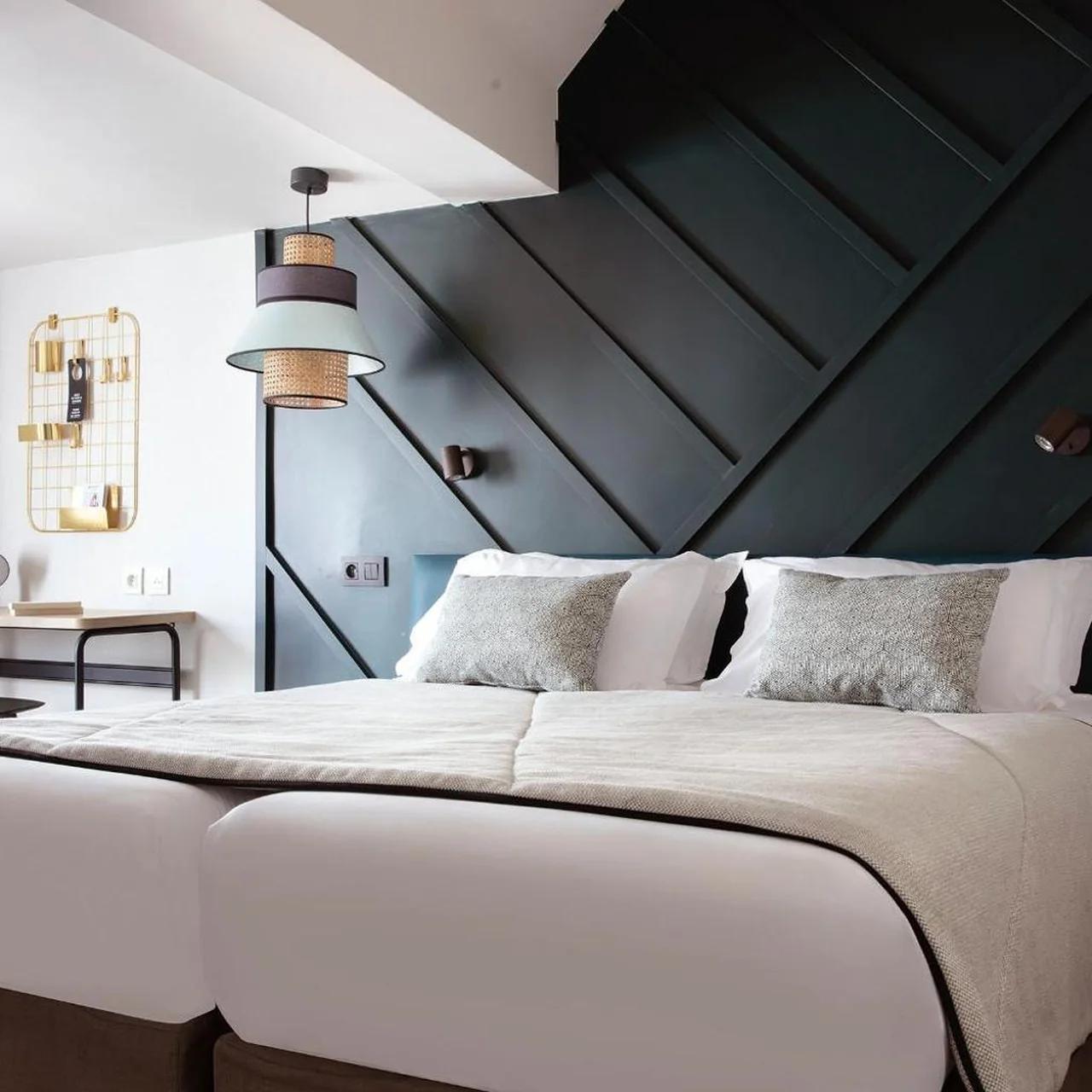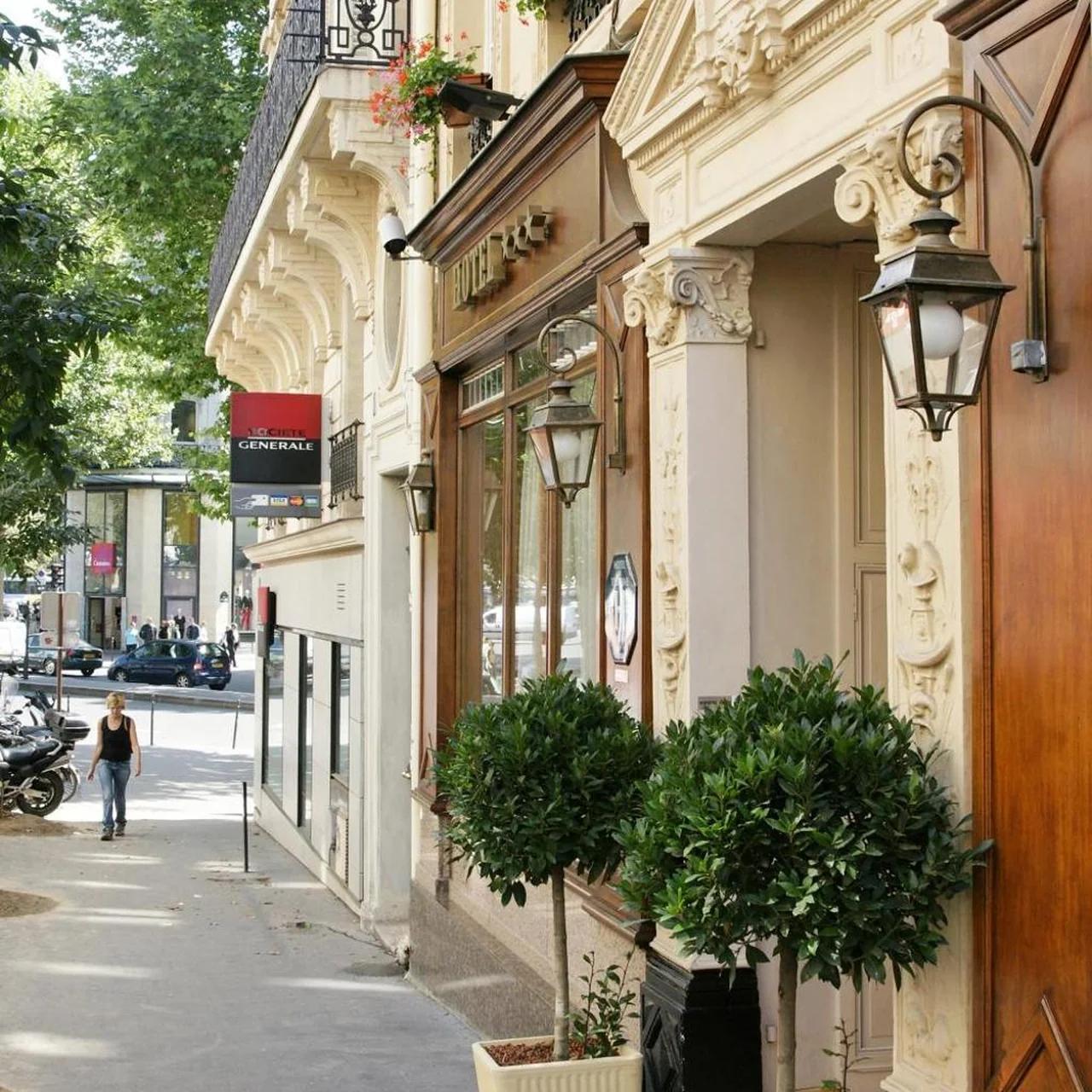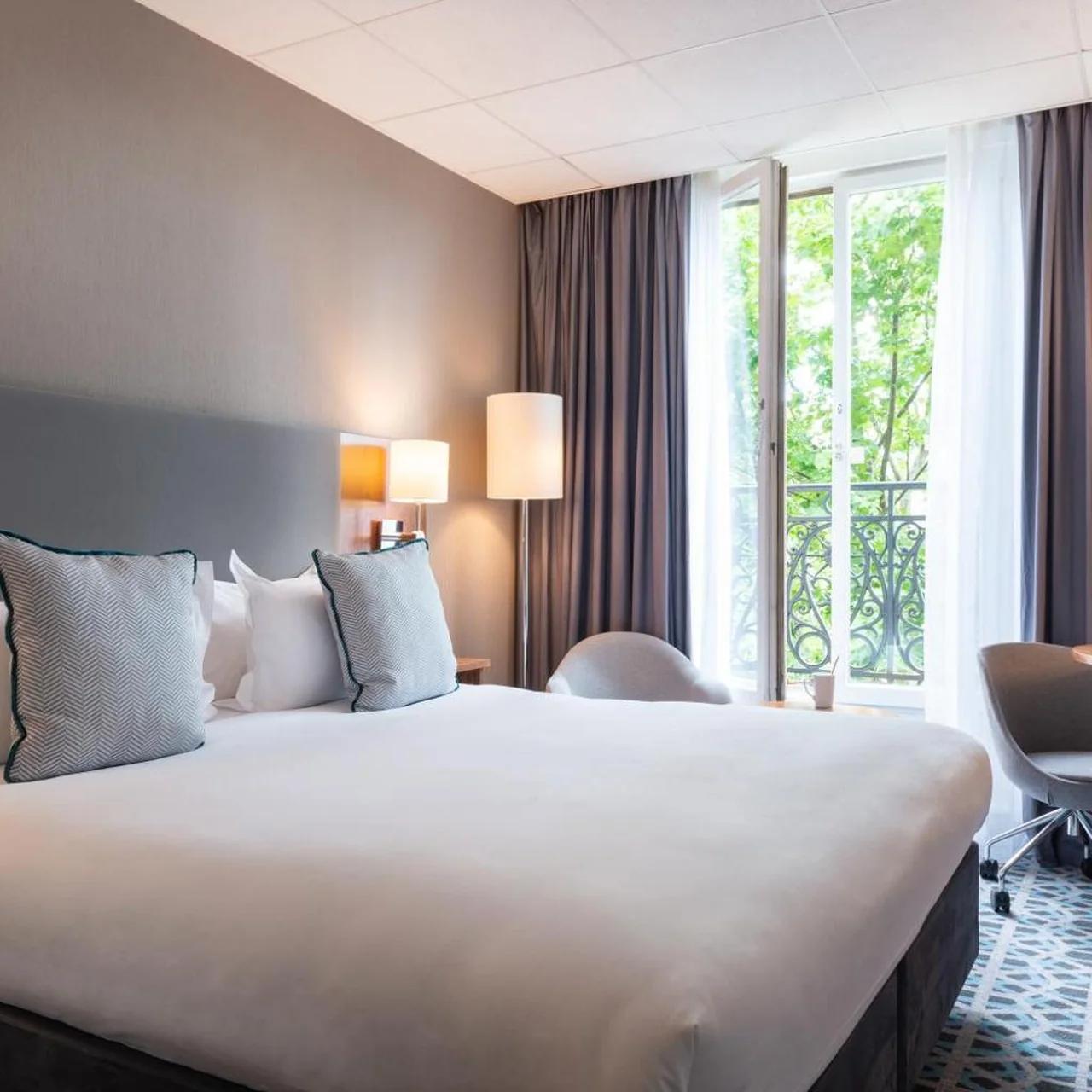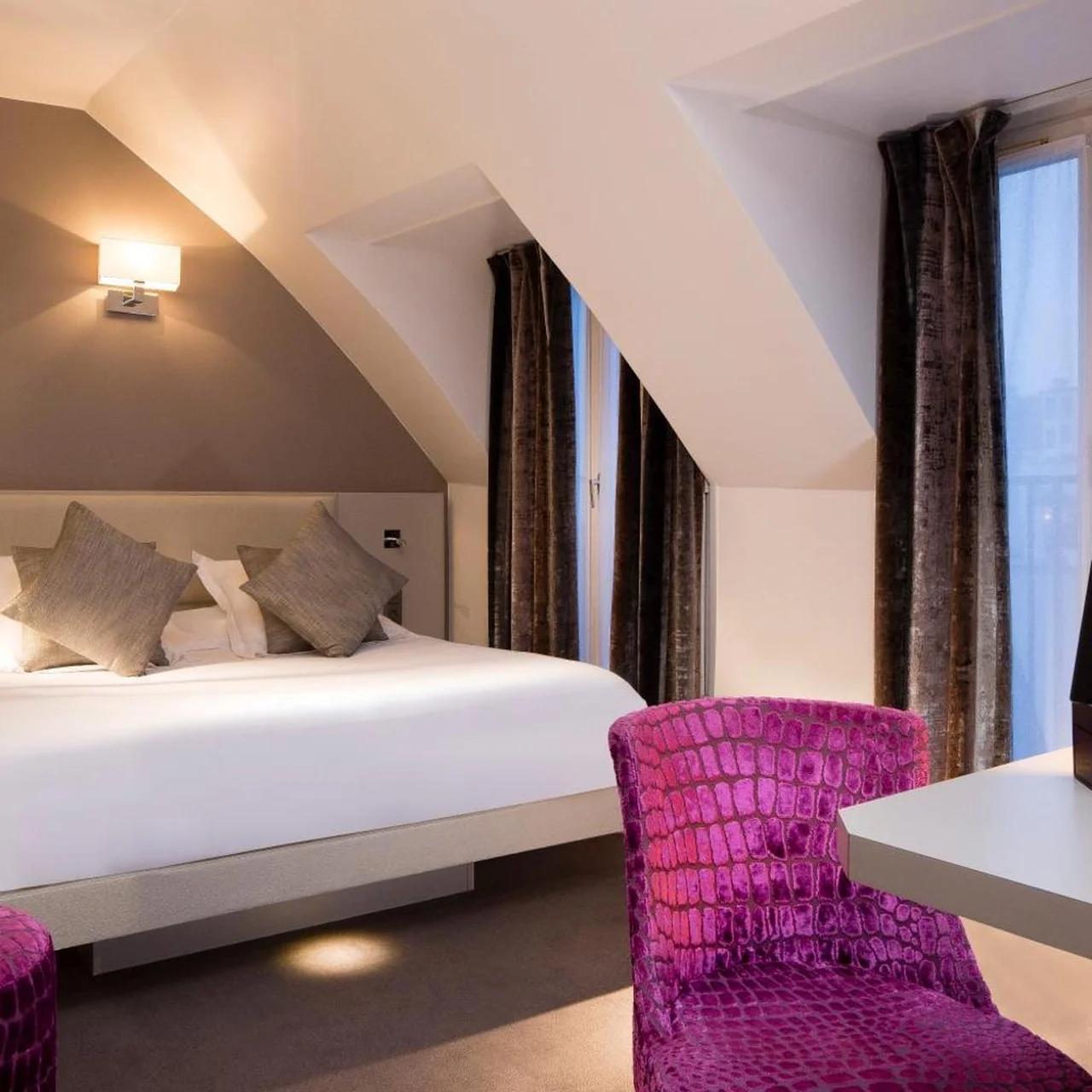

Hotels in Le Marais, Paris
6 hotels · 8 nearby attractions· Part of Paris
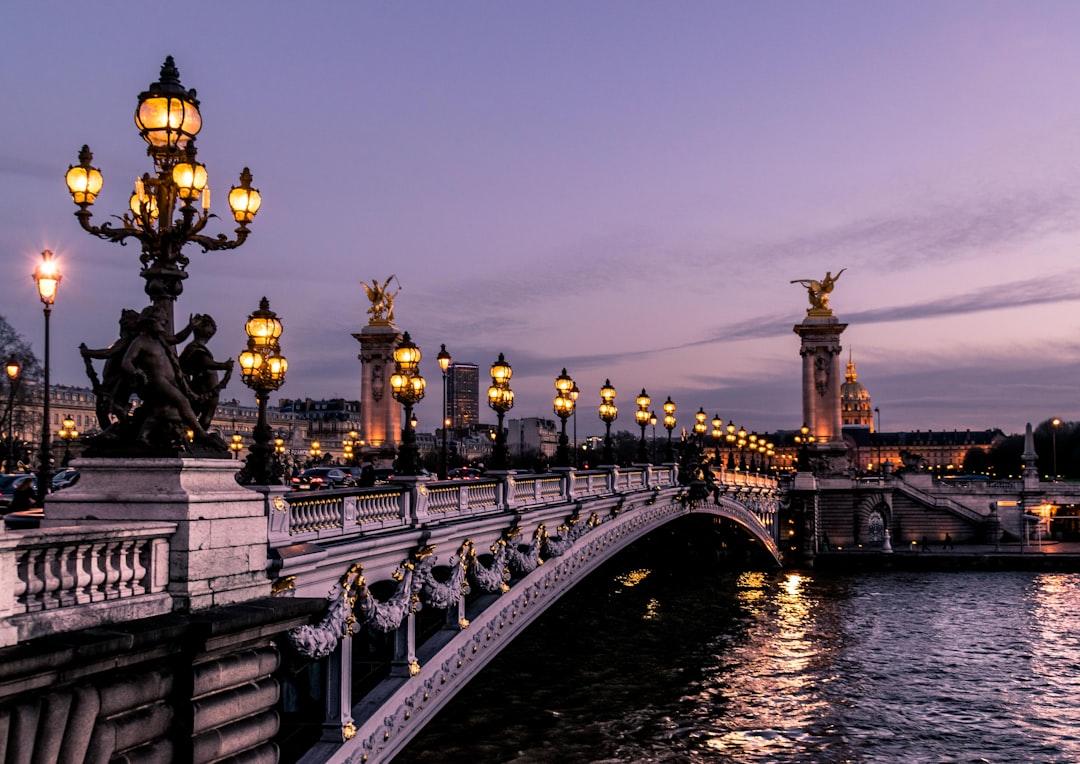
Photo by Andrei Ianovskii on Unsplash
About Le Marais
Le Marais: Paris's Historic Heart
Le Marais is one of Paris's most distinctive districts, occupying the 3rd and 4th arrondissements on the Right Bank of the Seine. With its preserved medieval street plan, Renaissance mansions known as hôtels particuliers, and a vibrant contemporary culture, Le Marais draws visitors who want more than the standard Parisian postcard. Whether you're tracing centuries of Jewish history, browsing cutting-edge galleries, or simply wandering cobblestone lanes, this neighborhood rewards curiosity at every turn.
Architecture and History
Le Marais escaped the sweeping 19th-century renovations that reshaped much of Paris under Baron Haussmann, which is why its medieval and Renaissance fabric remains largely intact. The Place des Vosges, completed in 1612, is the oldest planned square in Paris and a centerpiece of the district. Its symmetrical red-brick arcades once housed the French aristocracy; today, the ground-floor galleries shelter art dealers and cafés. Nearby, the Hôtel de Sully and dozens of other grand private mansions have been converted into museums, cultural centers, and archives. The Musée Carnavalet, dedicated to the history of Paris, occupies two of these historic buildings and offers free permanent collections.
Culture, Community, and Commerce
Le Marais has been home to Paris's Jewish community since the 13th century. The Rue des Rosiers remains the symbolic heart of this community, lined with kosher bakeries, falafel shops, and synagogues. The area also became a recognized center of LGBTQ+ life in Paris from the 1980s onward, particularly around the Rue Sainte-Croix-de-la-Bretonnerie. Alongside these communities, the district hosts a dense concentration of contemporary art galleries, independent boutiques, and concept stores, making it a destination for design and fashion enthusiasts. The Centre Pompidou sits on the western edge of Le Marais, bringing major modern and contemporary art exhibitions to the neighborhood.
Practical Tips
- Getting there: Métro lines 1 and 11 serve the district via Saint-Paul and Hôtel de Ville stations. The Centre Pompidou is accessible via Rambuteau (line 11).
- Best time to visit: Weekday mornings are quieter; weekends bring crowds, especially around the Place des Vosges and Rue des Rosiers.
- Sunday opening: Unlike many Paris neighborhoods, Le Marais has strong Sunday trading, making it a good choice for a weekend shopping or gallery day.
- Nearby landmarks: Notre-Dame Cathedral is a short walk south across the Île de la Cité. The Louvre Museum is roughly 15 minutes on foot to the west.
- Wear comfortable shoes: The district's historic streets are largely pedestrian-friendly but uneven in places.
Nearby attractions


Part of Paris
Hotels in Le Marais