
Hotels in Louvre, Paris
4 hotels · 8 nearby attractions· Part of Paris
About Louvre
Discovering the Louvre District, Paris
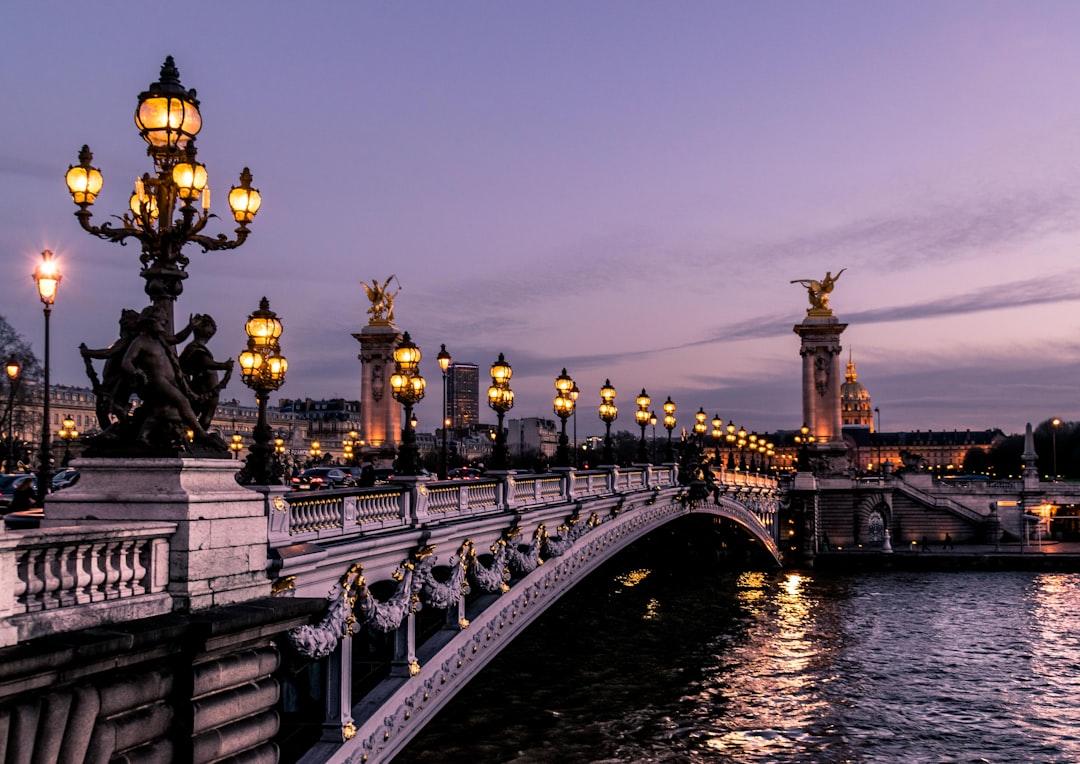
Situated on the Right Bank of the Seine, the Louvre district sits at the historical and geographical heart of Paris. As part of the 1st arrondissement, this area blends centuries of French royal history with a lively contemporary urban atmosphere, making it one of the most visited neighborhoods in the world.
History and Landmarks
The district takes its name from the Louvre Museum, originally a medieval fortress built in the late 12th century before becoming a royal palace and, since 1793, one of the world's largest and most visited art museums. The museum's collection spans antiquity to the 19th century and includes iconic works such as the Mona Lisa and the Venus de Milo. Just steps away, the Tuileries Garden stretches westward toward the Place de la Concorde, offering a formal French garden ideal for a leisurely stroll. The Palais Royal, a short walk north of the museum, features elegant arcaded galleries, independent boutiques, and the striped columns of Daniel Buren's contemporary art installation.
Culture and Surroundings
The Louvre district sits within easy reach of several major cultural institutions. The Musée d'Orsay, housed in a former railway station across the river, focuses on Impressionist and Post-Impressionist art. The Centre Pompidou, located in the nearby Beaubourg area, is home to Europe's largest collection of modern and contemporary art. Notre-Dame Cathedral, currently undergoing restoration following the 2019 fire, stands on the Île de la Cité just minutes away by foot or metro. For those interested in sacred architecture, Sacré-Cœur Basilica crowns Montmartre hill to the north and is accessible by metro.
Practical Tips
- Getting there: The Palais Royal–Musée du Louvre metro station (lines 1 and 7) provides direct access to the district.
- Best time to visit: Weekday mornings are generally quieter at the Louvre Museum. Book timed entry tickets in advance online to avoid long queues.
- Dining: The Rue de Rivoli and surrounding streets offer a wide range of cafés and brasseries. For a quieter meal, explore the passages couverts (covered arcades) nearby.
- Walking distances: Most landmarks in this district are within a 15–20 minute walk of each other, making it easy to explore on foot.
- Free entry: The Louvre Museum offers free admission on the first Friday evening of each month for visitors under 26 from EU countries.
Frequently Asked Questions
Q: How long does it take to visit the Louvre Museum? A: A focused visit covering the highlights takes around 2–3 hours. A thorough exploration of the full collection can take an entire day.
Q: Is the Louvre district safe for tourists? A: The area is generally safe, though as with any high-traffic tourist zone, visitors should be alert to pickpocketing, particularly around the museum entrance and metro stations.
Q: Can I visit the Tuileries Garden for free? A: Yes, the Tuileries Garden is free to enter and open daily. It is a popular spot for locals and visitors alike.
Q: What is the best way to get from the Louvre district to Notre-Dame Cathedral? A: Notre-Dame is approximately a 20-minute walk southeast along the Seine riverbank, or a short ride on metro line 4 from Châtelet station.
Q: Are there hotels within the Louvre district itself? A: Yes, the 1st arrondissement has a range of accommodation options at various price points, from boutique hotels near the Palais Royal to larger properties along Rue de Rivoli.
Nearby attractions


Part of Paris
Hotels in Louvre

Saint-Germain-des-Prés
Check availability