
Hotels in Opéra, Paris
10 hotels · 8 nearby attractions· Part of Paris
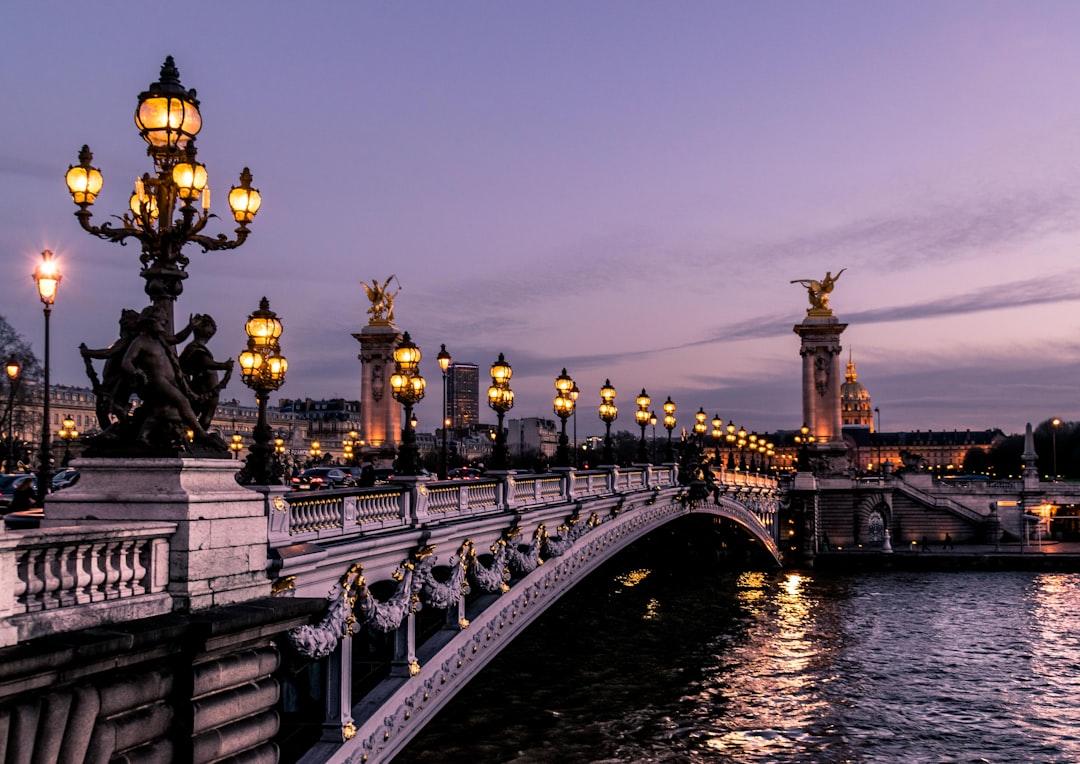
Photo by Louis Paulin on Unsplash
About Opéra
Opéra District, Paris: A Guide to the 9th Arrondissement
The Opéra district sits at the heart of Paris's 9th arrondissement, anchored by the grand Palais Garnier — one of the most celebrated opera houses in the world. This neighborhood blends culture, commerce, and Haussmann-era architecture into a dense, walkable area that rewards curious visitors at every turn.
Culture and Architecture
The Palais Garnier, completed in 1875 and designed by architect Charles Garnier, defines the district both visually and culturally. Its ornate façade, grand staircase, and ceiling painted by Marc Chagall make it a landmark worth visiting even outside of performance nights. The building houses the Bibliothèque-Musée de l'Opéra, open to the public, which traces the history of French opera and ballet. The surrounding boulevards — particularly Boulevard Haussmann and Avenue de l'Opéra — showcase the wide, uniform streetscapes that Baron Haussmann imposed on Paris during the Second Empire.
Shopping and Department Stores
The Opéra district is one of Paris's premier shopping destinations. The two iconic department stores Galeries Lafayette and Printemps both occupy prominent spots on Boulevard Haussmann. Galeries Lafayette's Belle Époque glass dome is a recognized piece of architectural heritage in its own right. Beyond the grands magasins, the area includes a dense network of covered passages — 19th-century shopping arcades — such as Passage Jouffroy and Passage des Panoramas, which offer antique shops, bookstores, and small cafés in a distinctly historic setting.
Location and Connections
The district's central position makes it an excellent base for exploring Paris. Gare du Nord, one of Europe's busiest railway stations, is a short distance north and connects the area to London via Eurostar, as well as to destinations across northern France and Belgium. The Louvre Museum lies to the south along the Seine, while Sacré-Cœur Basilica crowns the hill of Montmartre just to the north. The Centre Pompidou and Musée d'Orsay are also within easy reach by Métro.
Practical Tips
- Getting there: Métro lines 3, 7, and 8 all stop at Opéra station, making access straightforward from most parts of the city.
- Best time to visit: Weekday mornings are quieter around the department stores; evenings come alive before and after performances at the Palais Garnier.
- Covered passages: Many close on Sundays, so plan visits for weekdays or Saturday afternoons.
- Tickets: Book Palais Garnier guided tours or performances well in advance, especially during the main opera and ballet season (September to July).
Frequently Asked Questions
Q: Can you visit the Palais Garnier without attending a performance? A: Yes. The Palais Garnier offers daytime self-guided and guided tours of its public spaces, including the grand foyer, auditorium, and the Bibliothèque-Musée de l'Opéra. Entry fees apply.
Q: Is the Opéra district good for families? A: The area works well for families, particularly for shopping and architectural sightseeing. The covered passages are engaging for children, and the department stores have dedicated children's sections.
Q: How close is the Opéra district to Montmartre? A: Montmartre and Sacré-Cœur Basilica are roughly a 20-minute walk north, or a few stops by Métro on line 2 from Opéra to Anvers station.
Q: Are there good restaurants in the Opéra district? A: The neighborhood has a wide range of dining options, from traditional French brasseries to Japanese restaurants concentrated around Rue Sainte-Anne, which is known locally as Paris's "Japan Town."
Q: What is the difference between Opéra Garnier and Opéra Bastille? A: The Palais Garnier in the 9th arrondissement is the historic 19th-century opera house, now used primarily for ballet and smaller opera productions. The Opéra Bastille, opened in 1989 in the 12th arrondissement, is a larger, modern venue that hosts most of the Paris Opera's major productions.
Nearby attractions


Part of Paris
Hotels in Opéra