
Hotels near Avignon Cathedral
Avignon · 31 hotels nearby (showing closest 20)
Photo by Lottie Griffiths on Unsplash
About Avignon Cathedral
Avignon Cathedral, known in French as Cathédrale Notre-Dame des Doms, is one of the most historically significant religious sites in southern France. Perched on the Rocher des Doms — a rocky promontory overlooking the Rhône River — this Romanesque church has stood at the spiritual and political heart of Avignon for nearly nine centuries.
A Church Shaped by Papal History
Built primarily in the 12th century, Notre-Dame des Doms served as the seat of the papacy during the Avignon Papacy (1309–1377), a period when seven successive popes governed the Catholic Church from this city rather than Rome. The cathedral's interior reflects its long history, blending original Romanesque architecture with later Gothic and Baroque additions. Among its notable features is the marble tomb of Pope John XXII, the second Avignon pope, dating from the 14th century. The gilded statue of the Virgin Mary crowning the bell tower was added in the 19th century and remains a recognizable landmark of the Avignon skyline.
The Rocher des Doms Setting
The cathedral sits adjacent to the Rocher des Doms garden, a public park that offers sweeping views over the Rhône, the Pont Saint-Bénézet (the famous broken bridge), and the surrounding Provençal countryside. Visiting both together makes for a rewarding half-day itinerary in the city.
Practical Tips
- Entry to the cathedral is free.
- Opening hours vary by season; check locally before visiting.
- The site is a short walk from the Palais des Papes, making it easy to combine both visits.
- Comfortable footwear is recommended, as the path to the Rocher des Doms involves a gentle uphill walk.
FAQ
Q: Is Avignon Cathedral free to visit? A: Yes, entry to Notre-Dame des Doms is free of charge.
Q: What architectural style is the cathedral? A: The cathedral is primarily Romanesque, dating from the 12th century, with Gothic and Baroque elements added over subsequent centuries.
Q: Can I visit the Rocher des Doms garden at the same time? A: Yes, the garden is directly adjacent to the cathedral and is also free to enter.
Q: Is Avignon Cathedral a UNESCO World Heritage Site? A: The cathedral is part of the Historic Centre of Avignon, which was inscribed on the UNESCO World Heritage List in 1995 along with the Palais des Papes and the Pont Saint-Bénézet.
Frequently asked questions
Is Avignon Cathedral free to visit?
Yes, entry to Notre-Dame des Doms is free of charge.
What architectural style is the cathedral?
The cathedral is primarily Romanesque, dating from the 12th century, with Gothic and Baroque elements added over subsequent centuries.
Can I visit the Rocher des Doms garden at the same time?
Yes, the garden is directly adjacent to the cathedral and is also free to enter.
Is Avignon Cathedral a UNESCO World Heritage Site?
The cathedral is part of the Historic Centre of Avignon, which was inscribed on the UNESCO World Heritage List in 1995 along with the Palais des Papes and the Pont Saint-Bénézet.
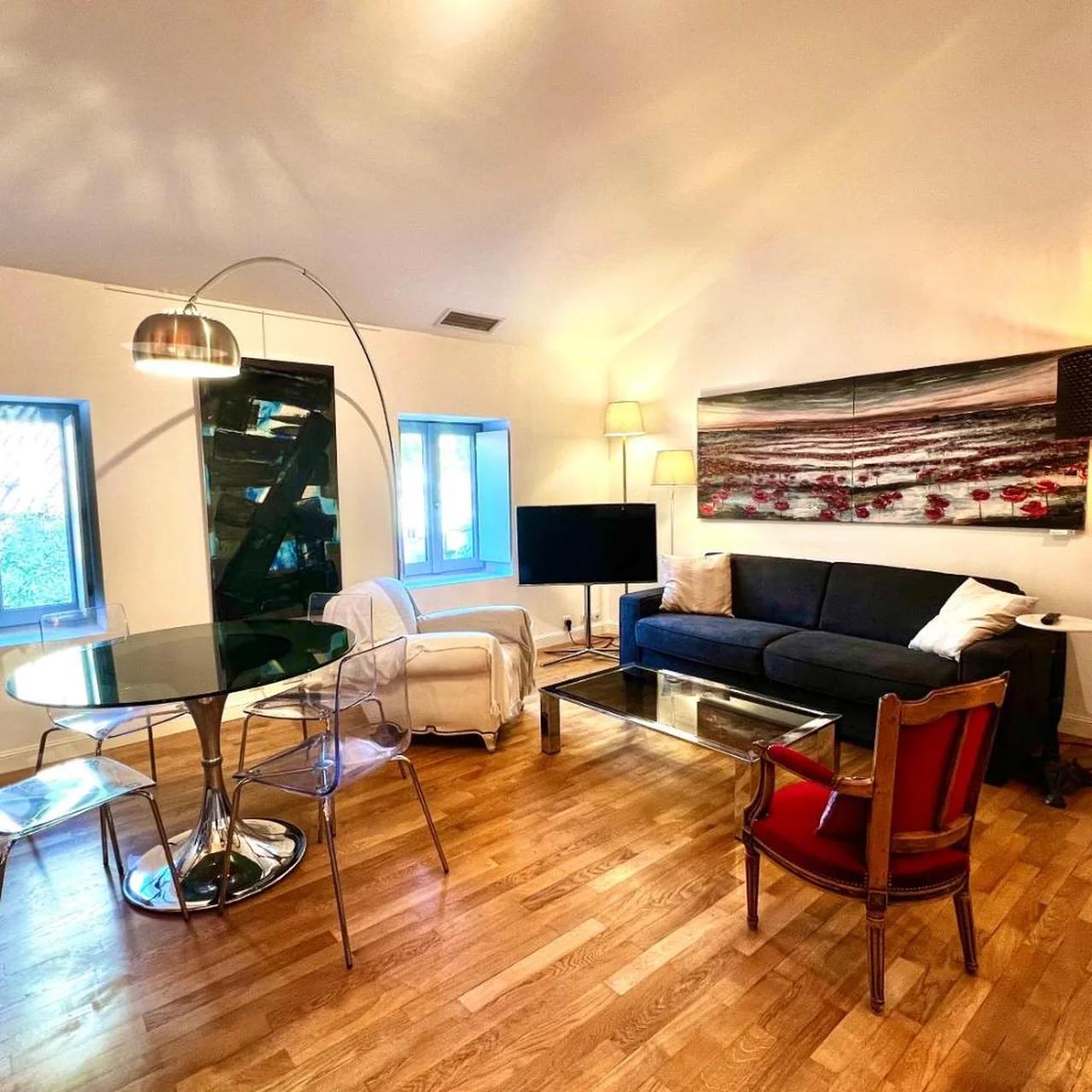
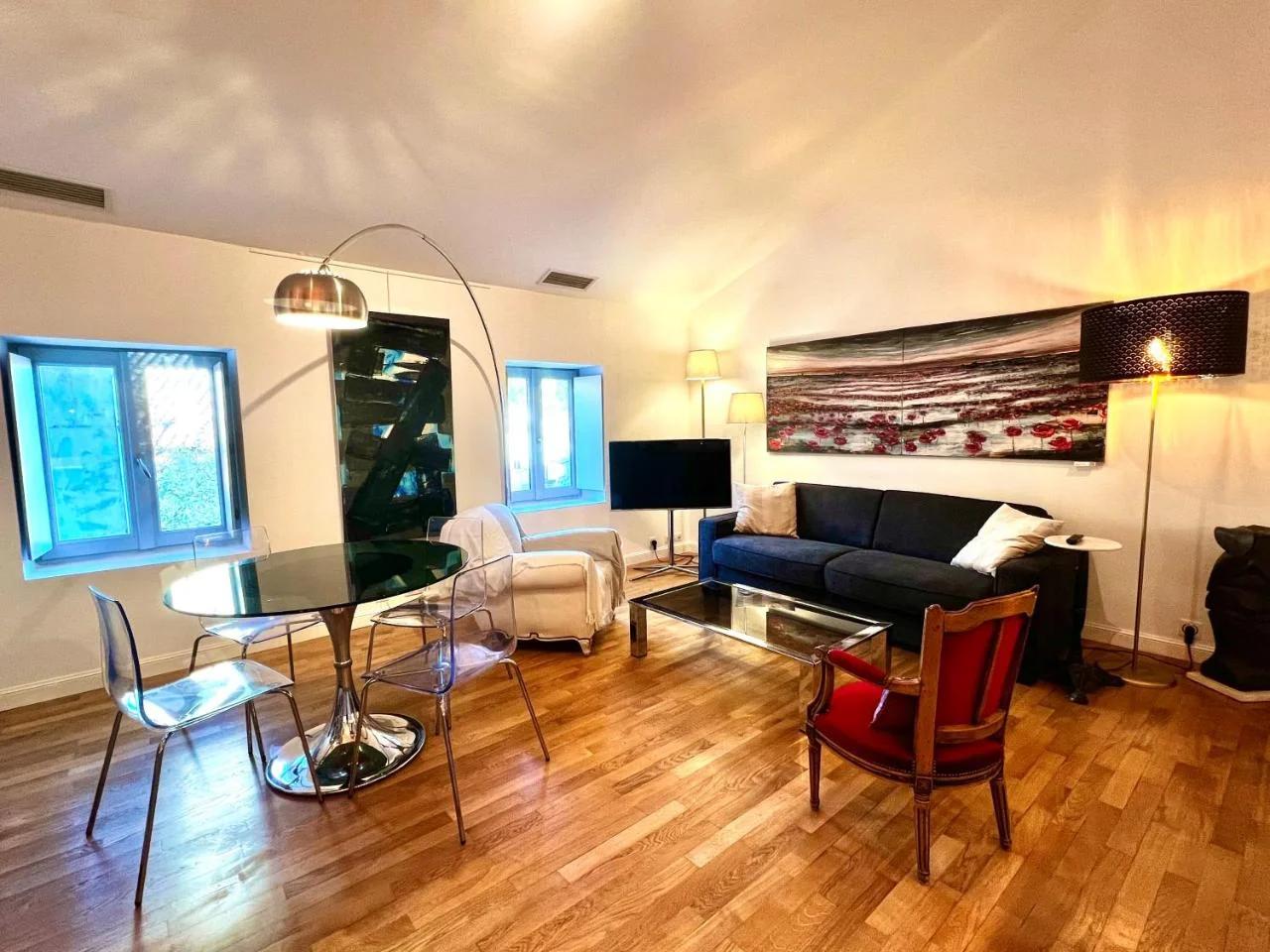
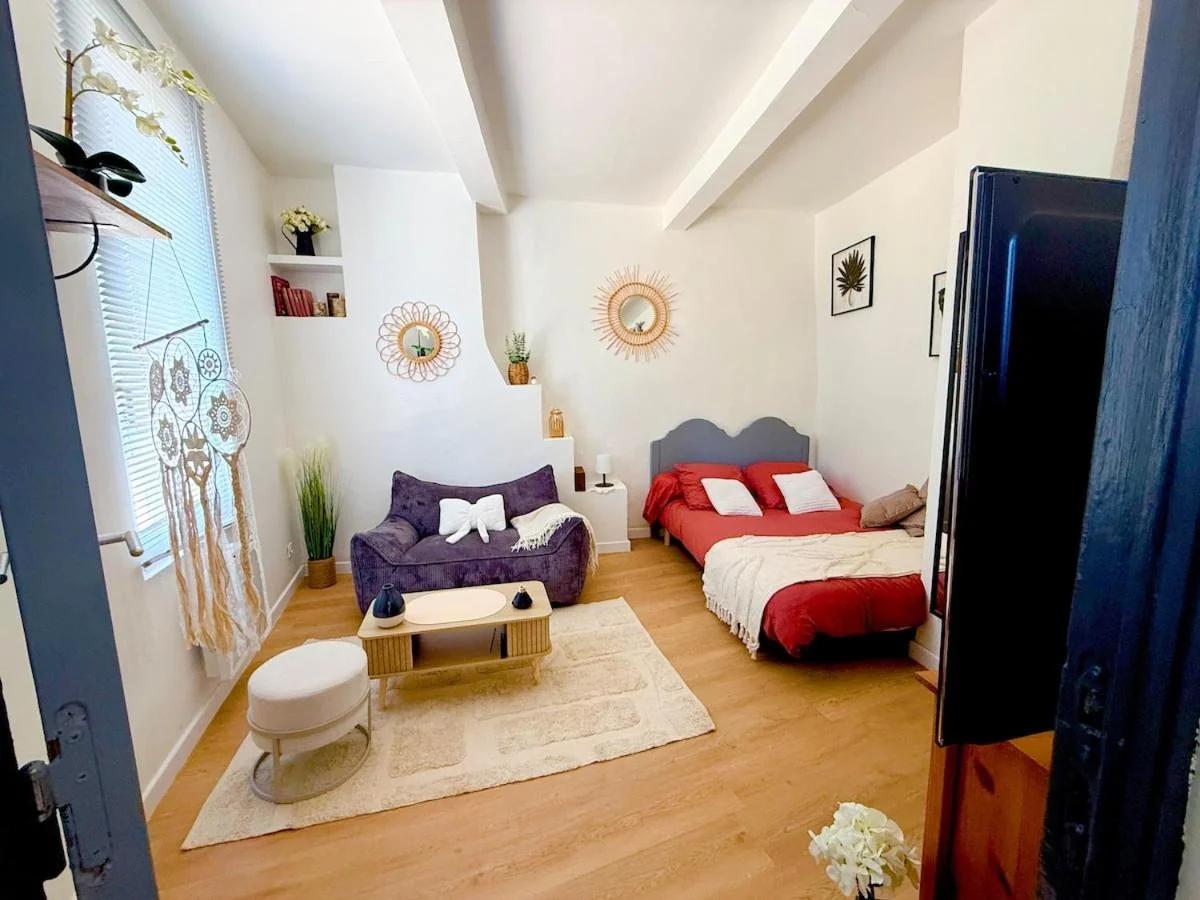
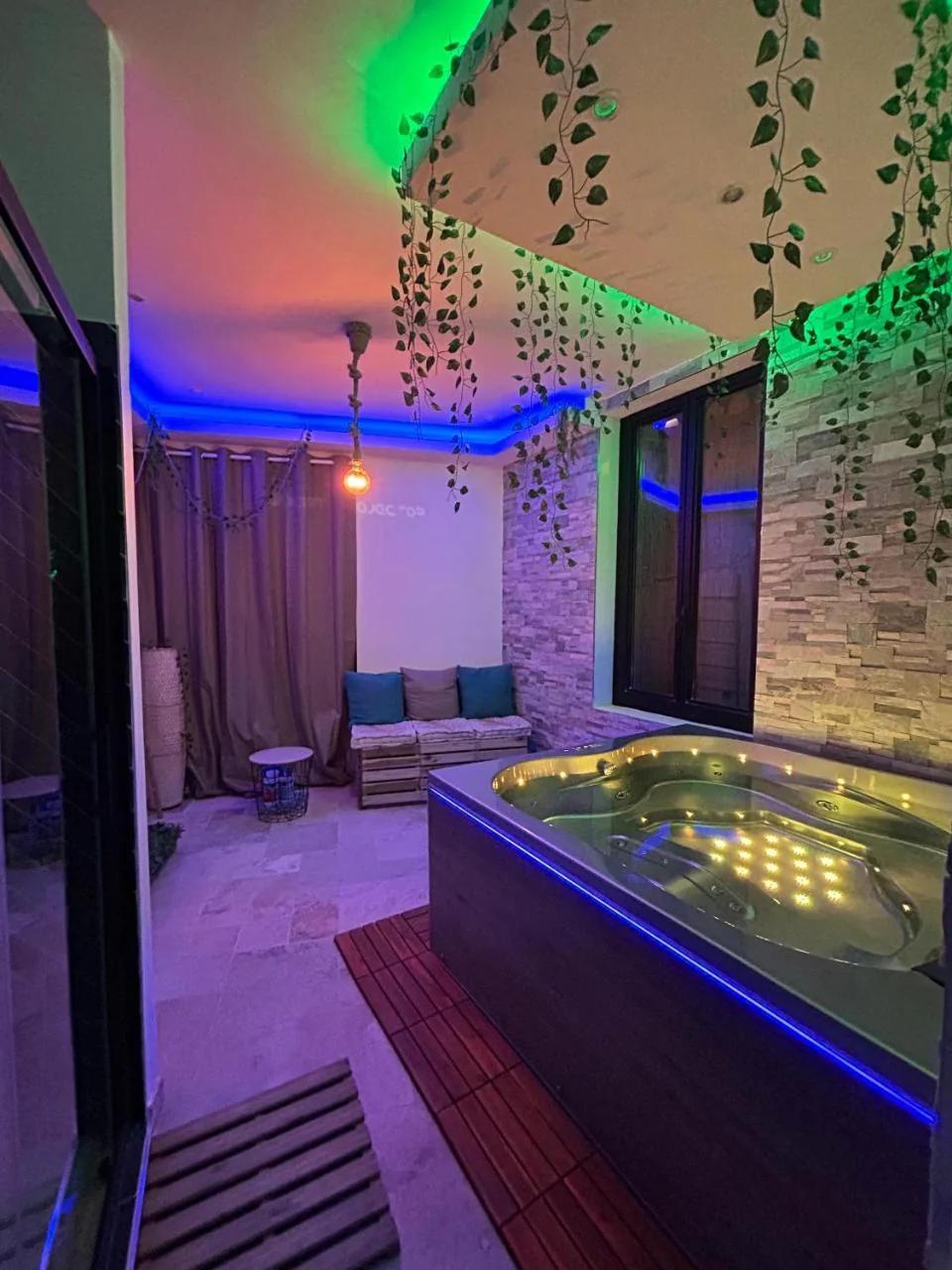
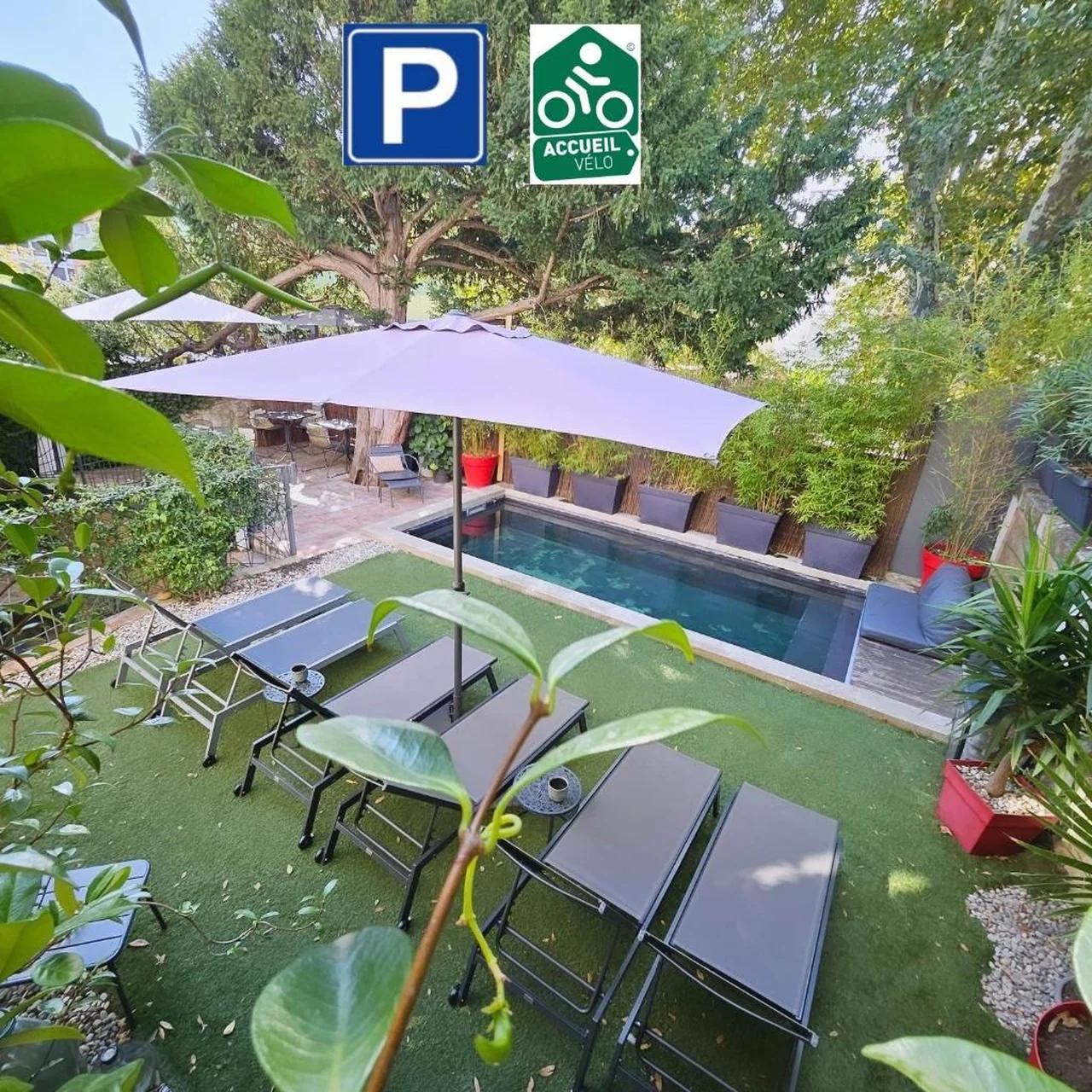
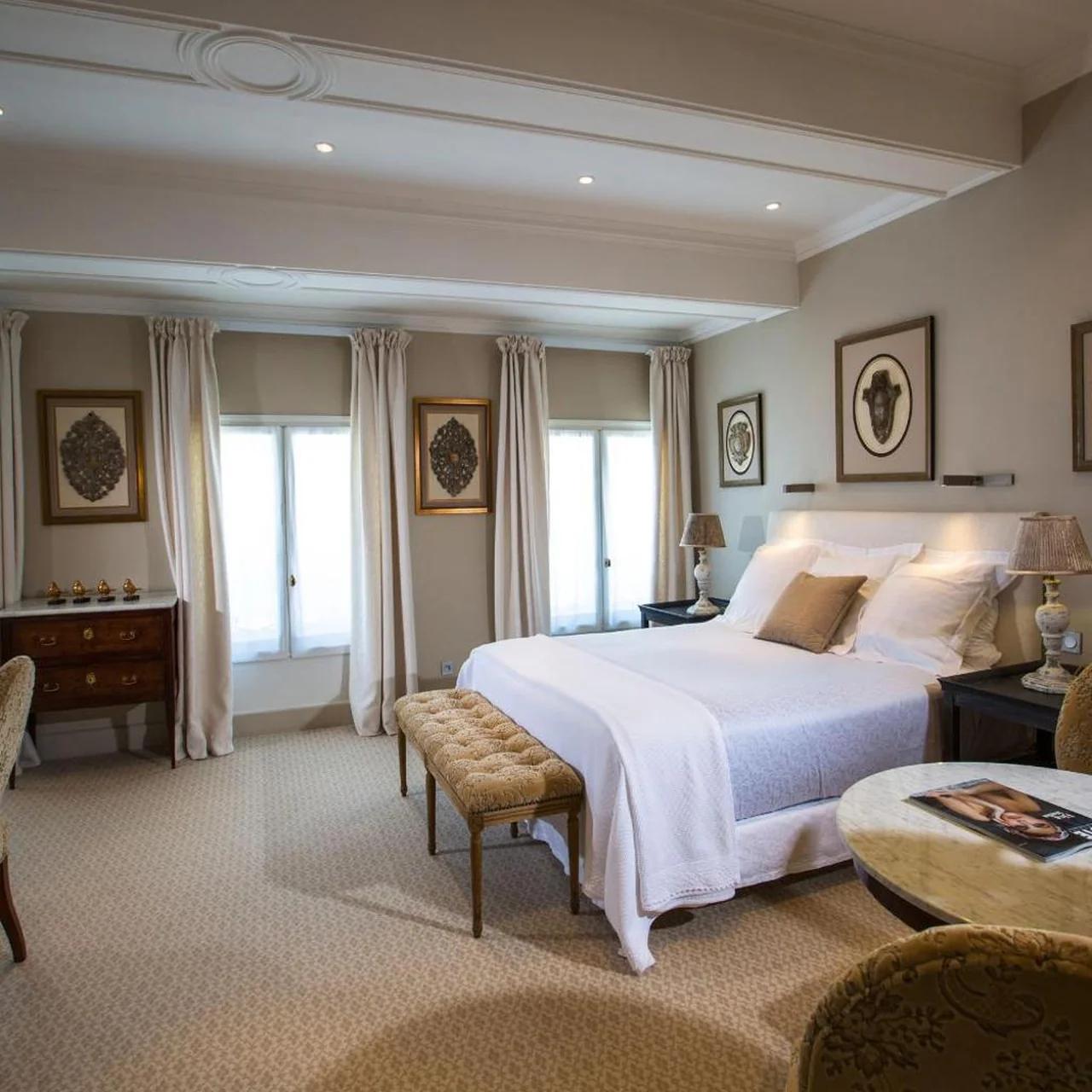
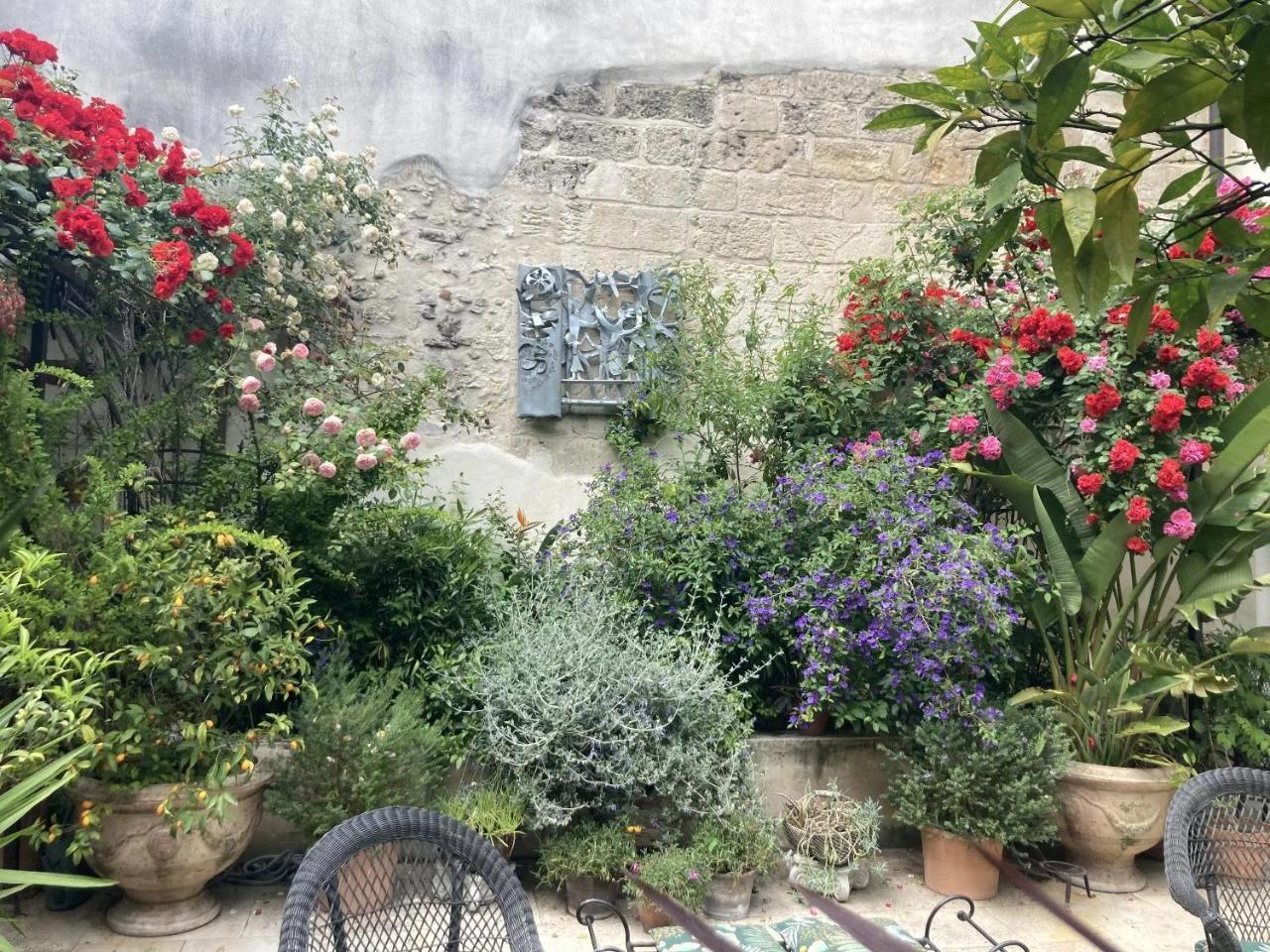
Hotels nearby

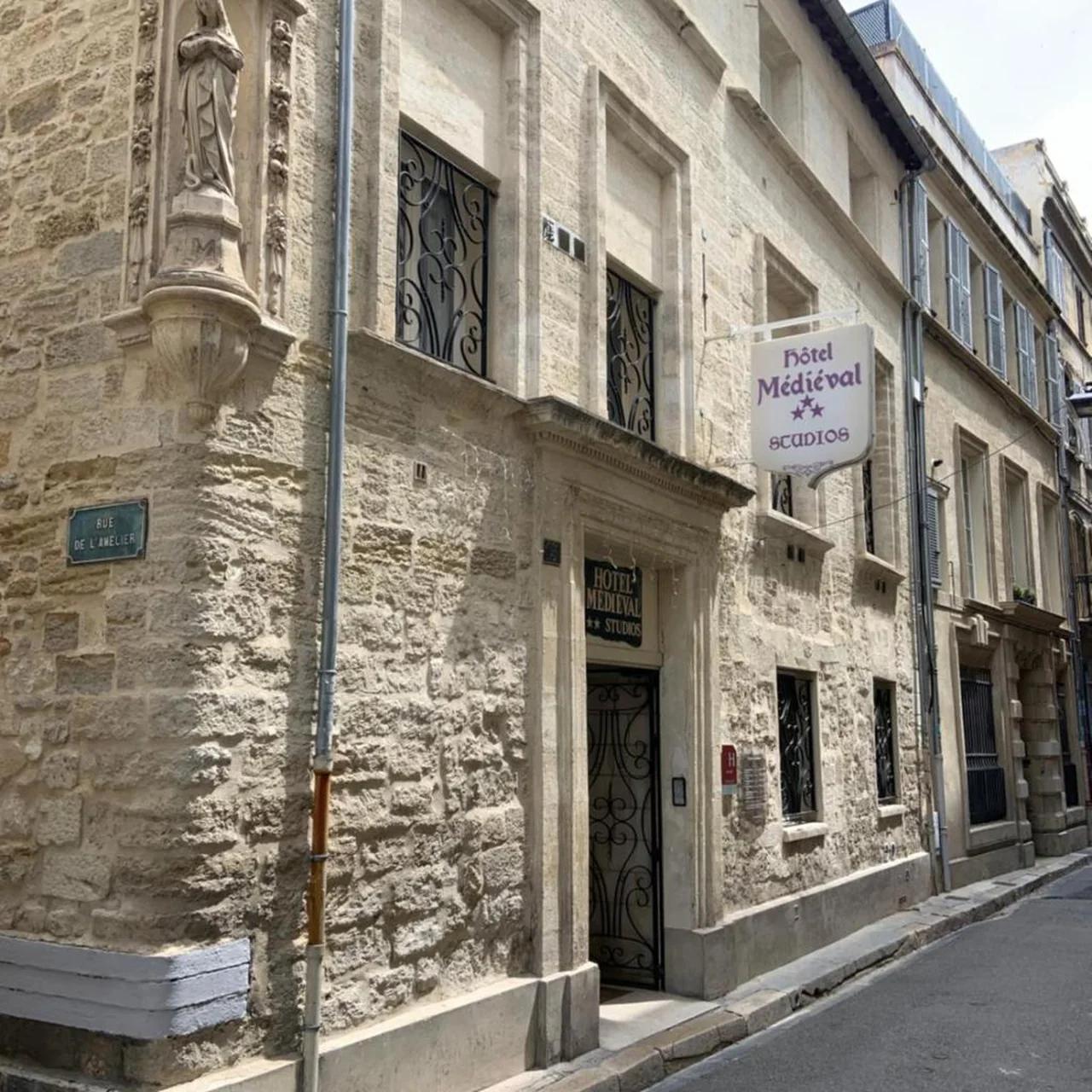





808 reviews
Check availability

10 reviews
Check availability