
Hotels near Palais des Papes
Avignon · 31 hotels nearby (showing closest 20)
Photo by Roelf Bruinsma on Unsplash
About Palais des Papes
Rising dramatically above the old town of Avignon, the Palais des Papes is one of the largest and most important Gothic buildings in Europe. Built during the 14th century when the Catholic papacy relocated from Rome to Avignon, this imposing fortress-palace served as the seat of Western Christianity for nearly 70 years and remains a defining symbol of the city's extraordinary history.
A Palace Built for Power
Construction of the Palais des Papes began under Pope Benedict XII in 1335 and was expanded significantly by his successor, Clement VI. The complex is divided into two distinct sections: the Old Palace, characterized by austere Cistercian architecture, and the New Palace, which features more ornate Gothic detailing. At its peak, the palace housed not only the pope and his court but also administrative offices, chapels, and grand reception halls. The Grand Tinel, a vast banqueting hall, and the Clementine Chapel give visitors a clear sense of the scale of papal ambition during this period.
Exploring the Interior
Today the palace is a UNESCO World Heritage Site, jointly listed with the historic centre of Avignon and the Pont d'Avignon. Visitors can explore around 25 rooms across multiple floors, many of which retain original frescoes painted by Matteo Giovannetti. Audio guides are available in several languages and help bring the bare stone chambers to life with historical context.
Practical Tips
- Opening hours: The palace is open year-round, with extended hours in summer (July–August).
- Tickets: Combination tickets are available with the Pont d'Avignon for better value.
- Nearby attractions: The Rocher des Doms garden and Place de l'Horloge are within easy walking distance.
- Best time to visit: Arrive early in the morning to avoid peak crowds, especially during the Avignon Festival in July.
Frequently asked questions
How long does it take to visit the Palais des Papes?
Most visitors spend between 1.5 and 2.5 hours exploring the palace, depending on how thoroughly they follow the audio guide through all 25 rooms.
Is the Palais des Papes a UNESCO World Heritage Site?
Yes. The palace was inscribed on the UNESCO World Heritage List in 1995 as part of the 'Historic Centre of Avignon,' which also includes the Pont d'Avignon and the Pont Saint-Bénézet area.
Can children visit the Palais des Papes?
Yes, children are welcome. The palace offers family-oriented audio guides and occasional themed activities, particularly during school holiday periods.
When was the Palais des Papes built?
Construction began in 1335 under Pope Benedict XII and continued under Pope Clement VI through the 1340s and 1350s, resulting in the two distinct palace sections visible today.
Hotels nearby



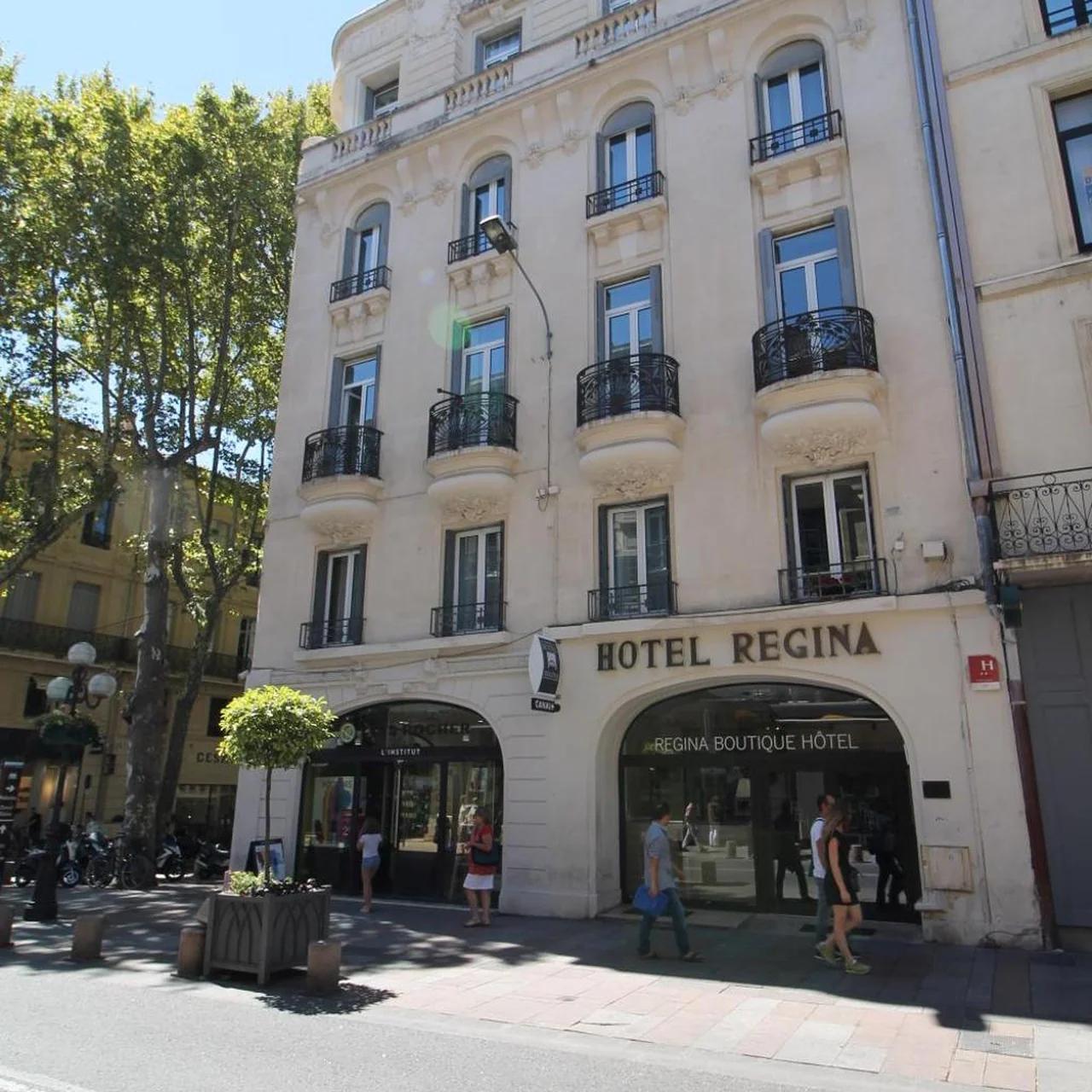
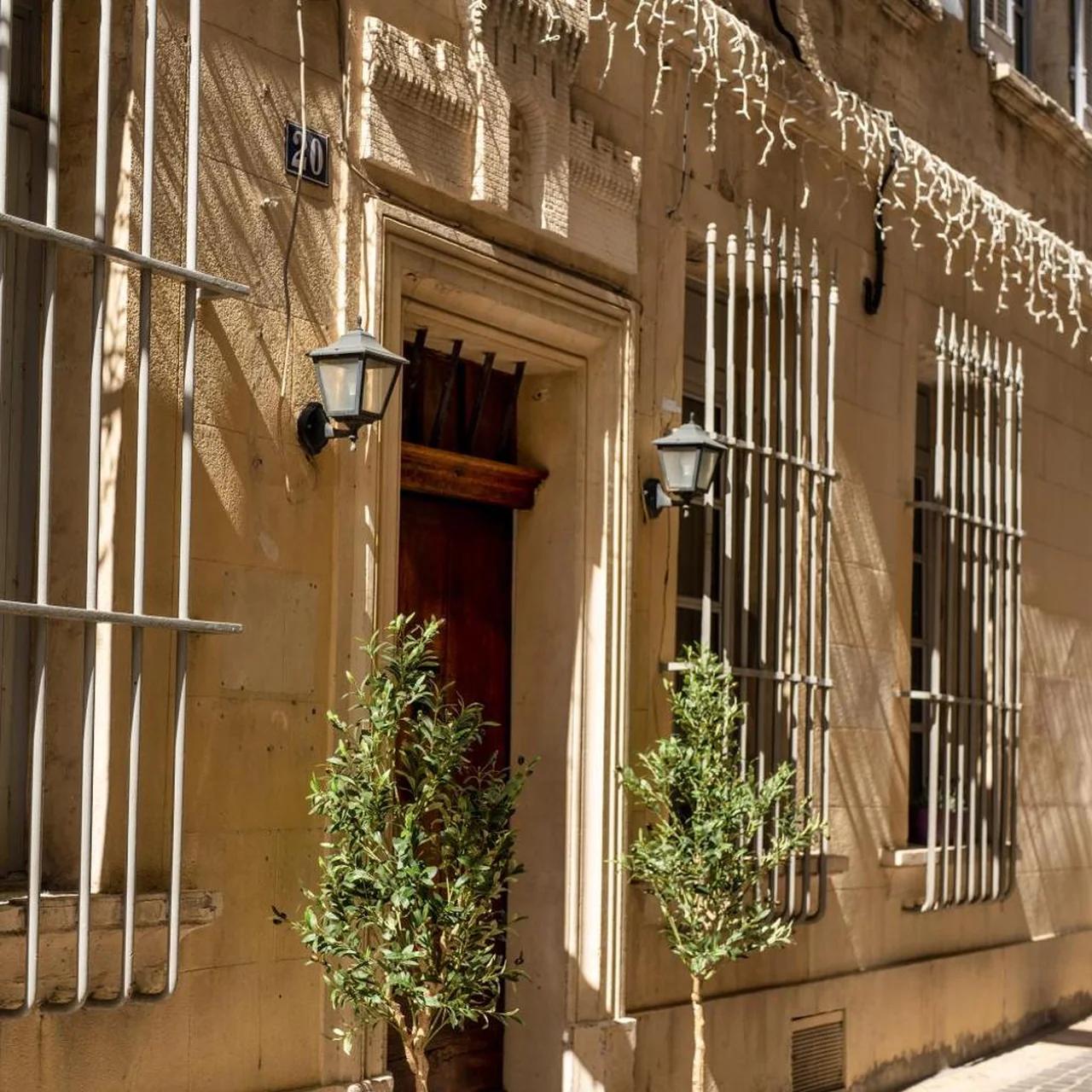
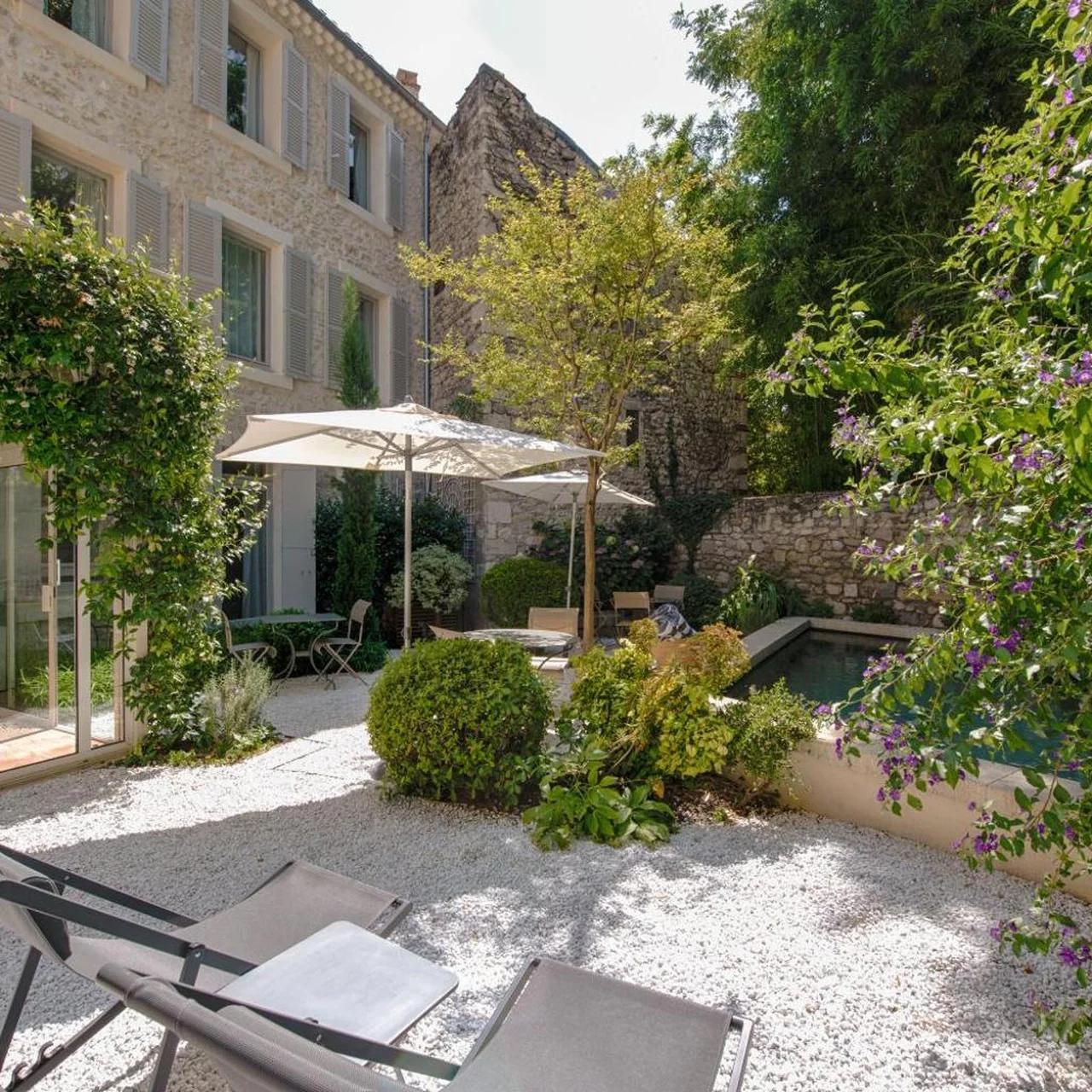

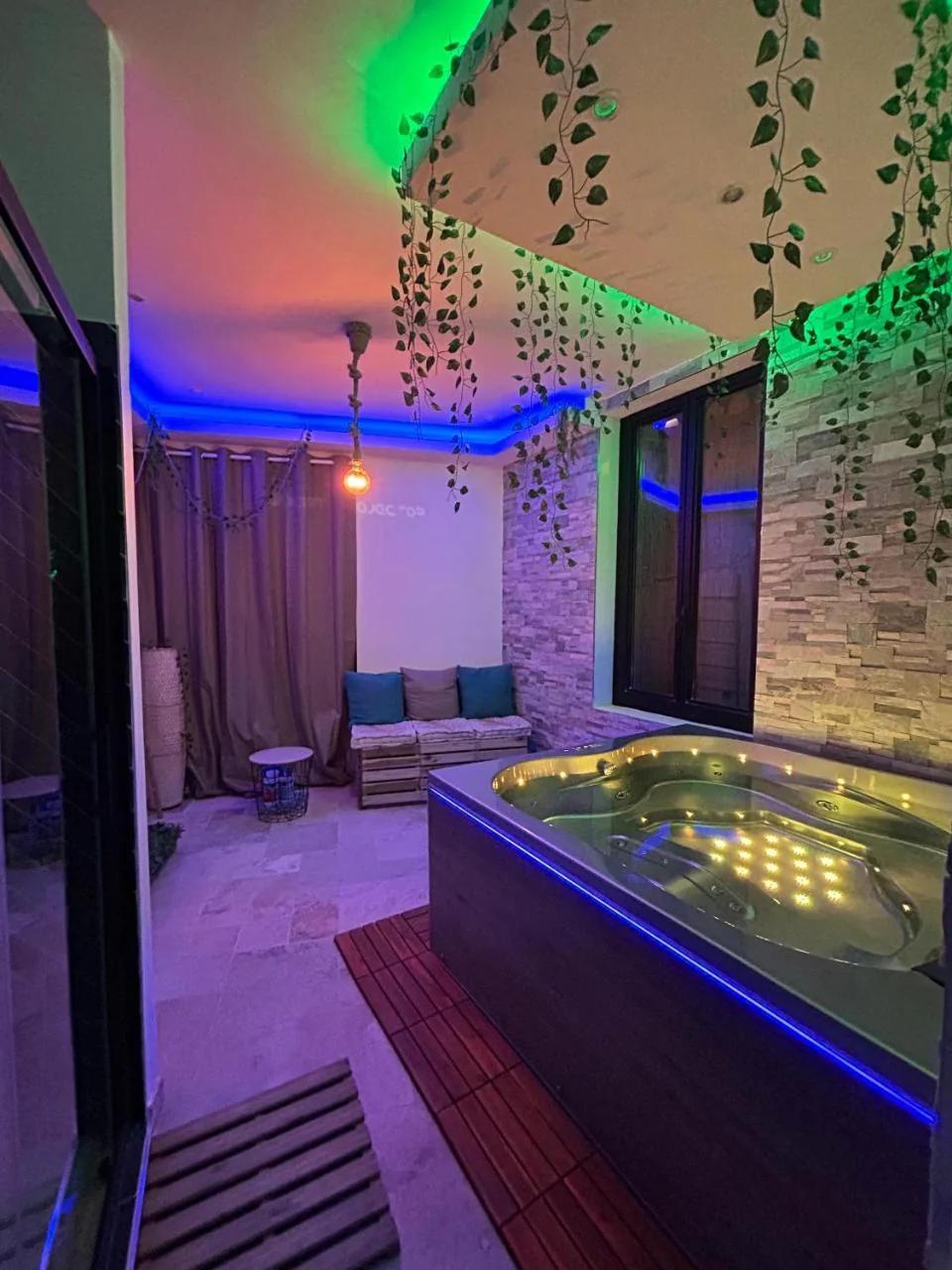
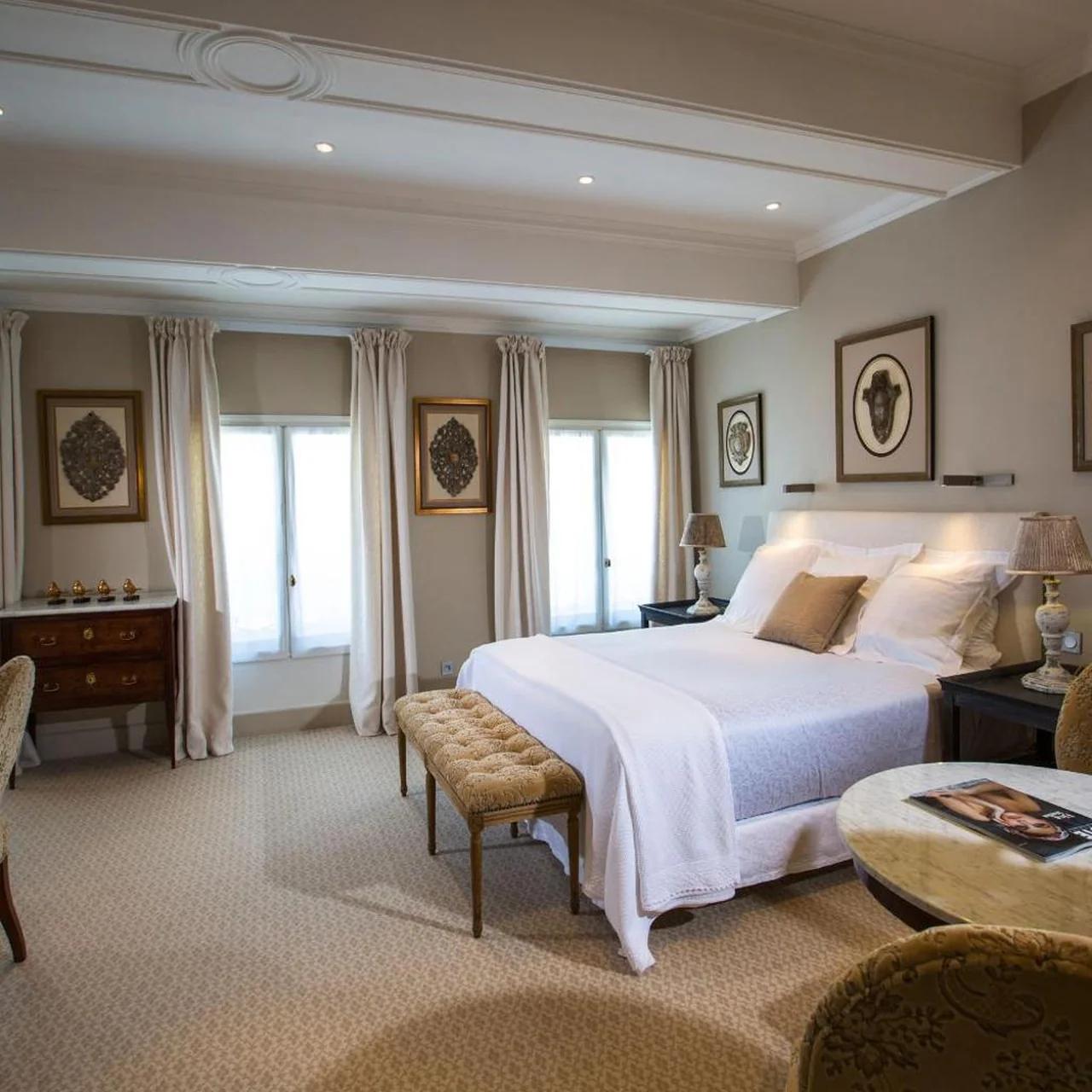
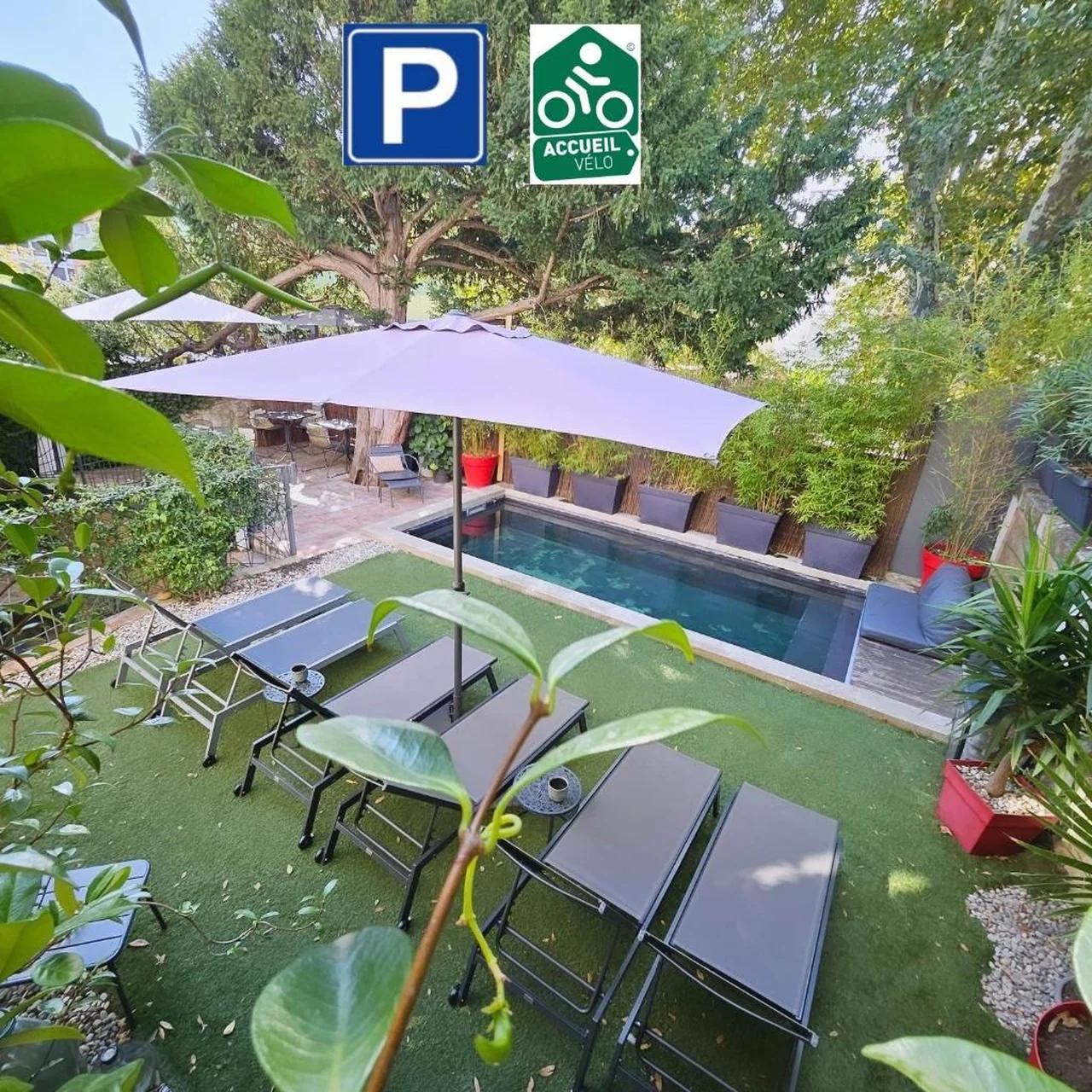

808 reviews
Check availability

10 reviews
Check availability
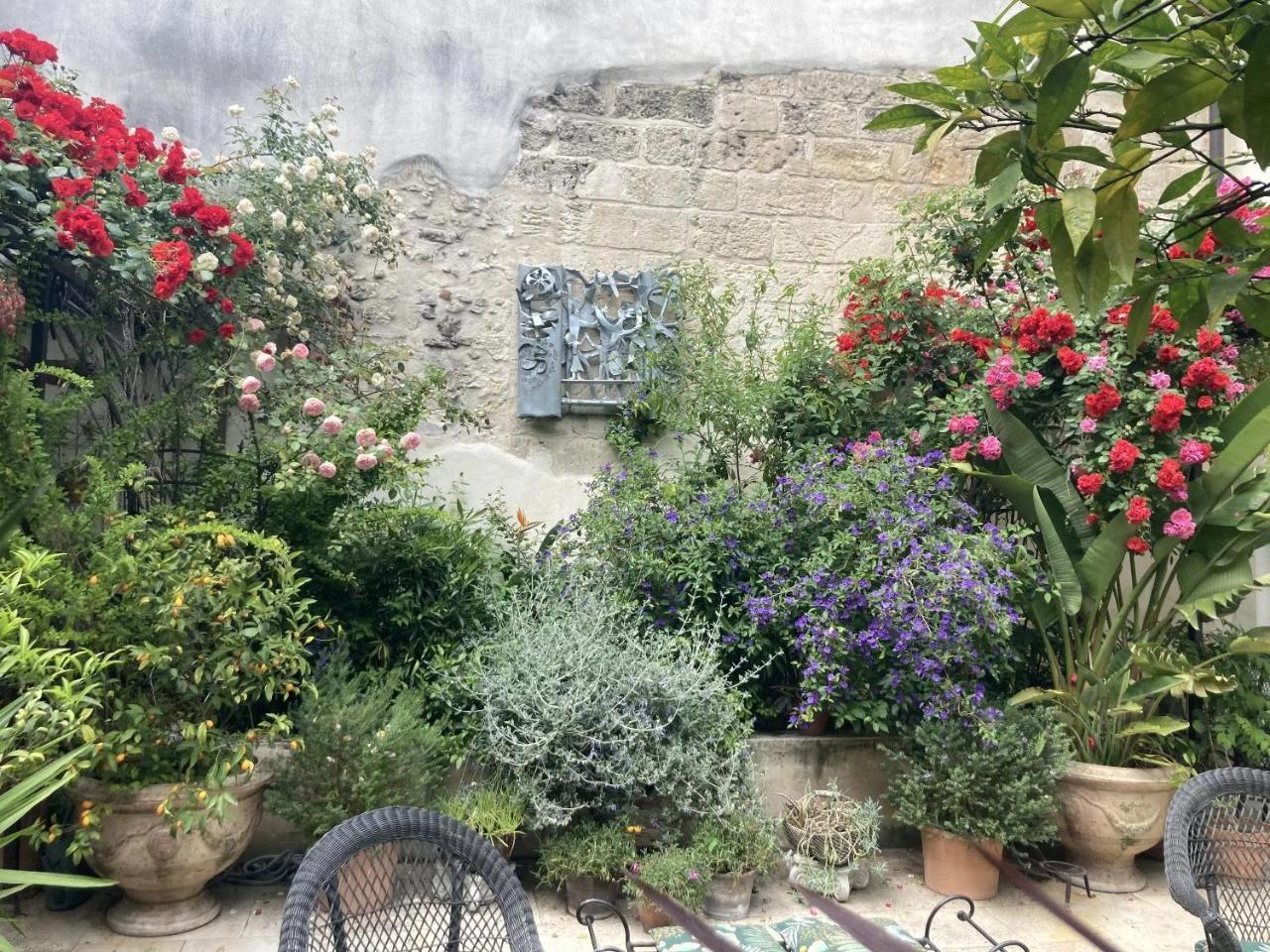

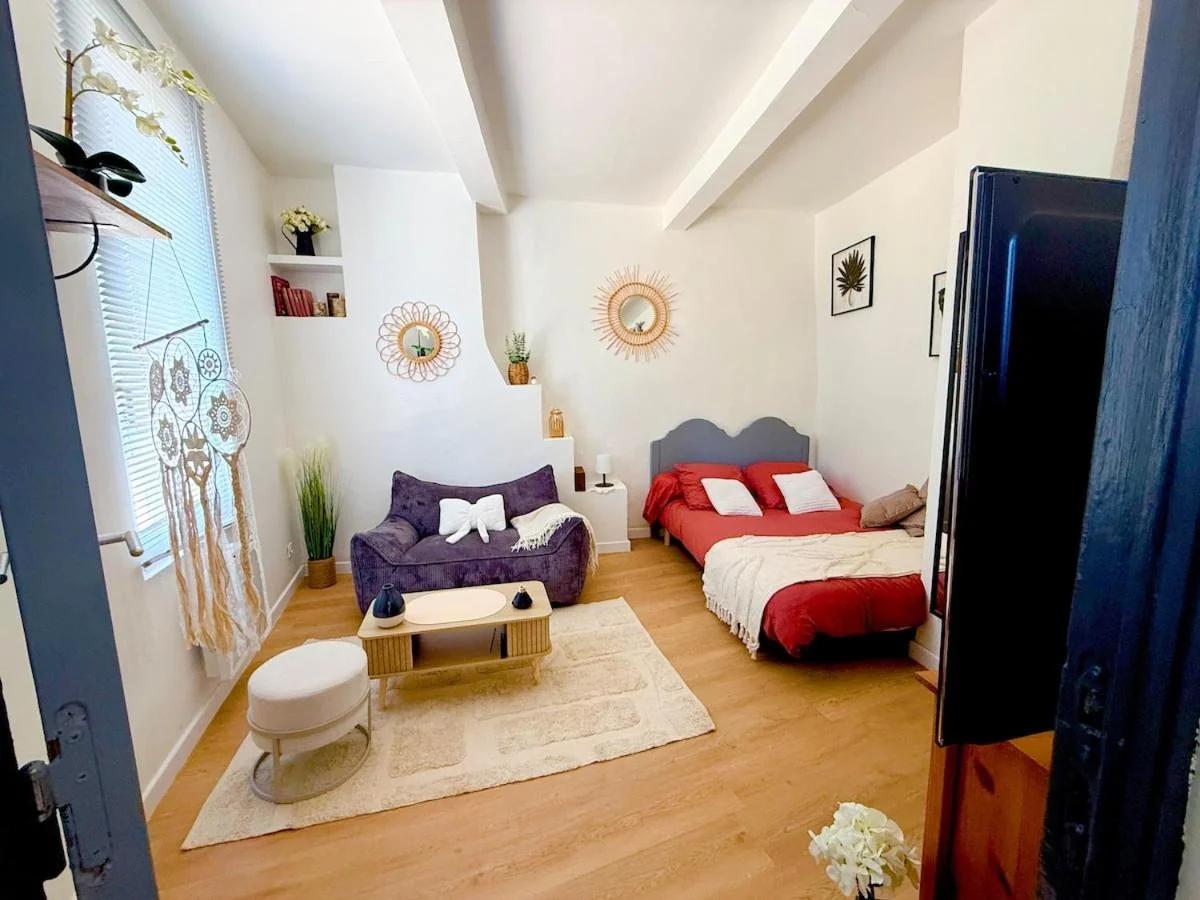

46 reviews
Check availability