
Hotels in Gabon
1 cities · 0 hotels
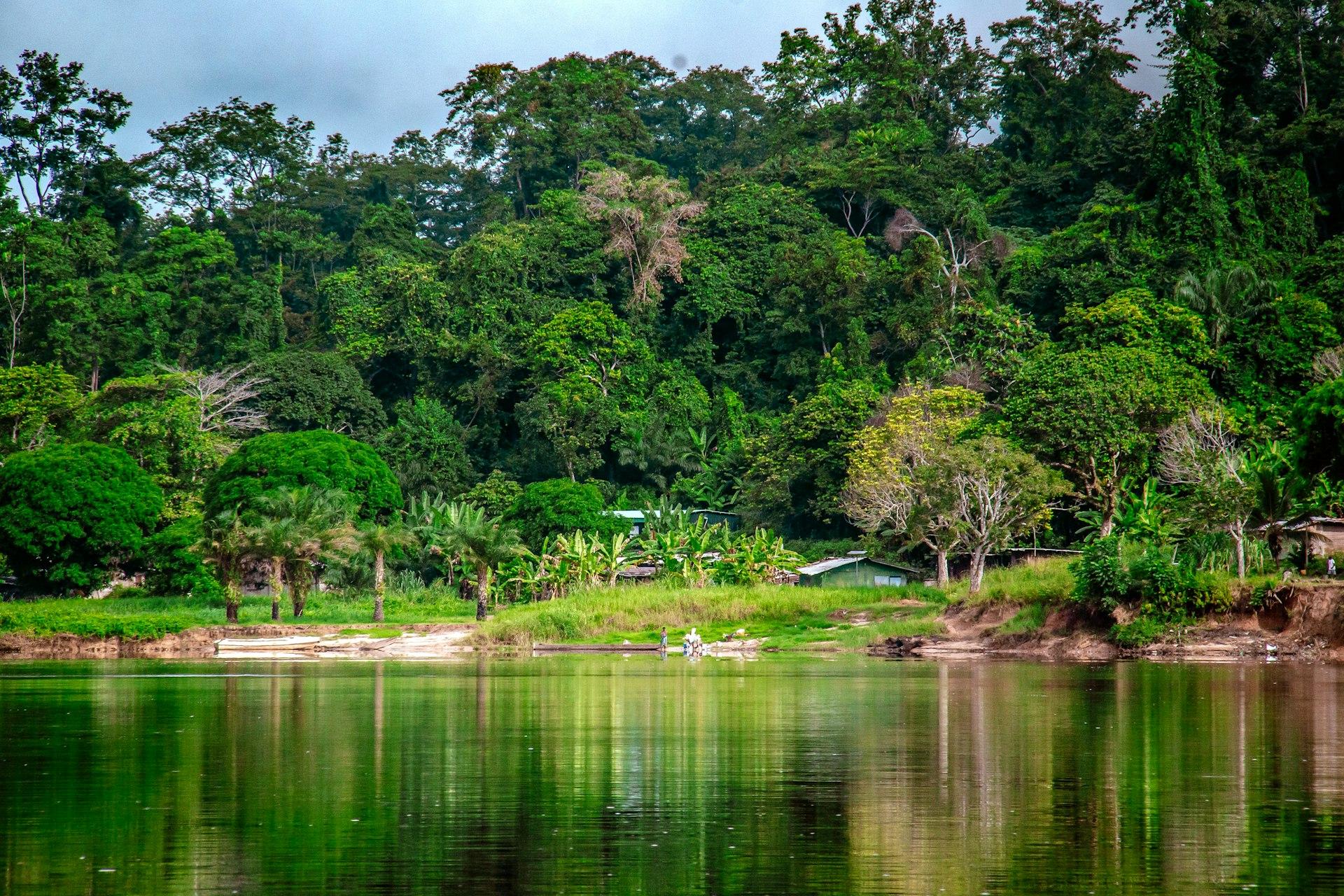
Photo by JEaLiFe Pictures on Unsplash
Gabon: Central Africa's Forest Republic on the Atlantic
Gabon sits astride the equator on Central Africa's Atlantic coast, sharing borders with Cameroon to the north, Equatorial Guinea to the northwest, and the Republic of the Congo to the east and south. Roughly 85 percent of the country's 267,667 km² remains covered by tropical rainforest — one of the highest forest-cover ratios on Earth. Thirteen national parks, established in 2002, protect roughly 11 percent of the national territory, making Gabon one of sub-Saharan Africa's most significant conservation landscapes. The capital, Libreville, founded in 1849 as a settlement for freed slaves, sits on the Komo River estuary and is home to just over 700,000 people.
Cities Worth Exploring
Libreville anchors the country's hotel infrastructure, with properties concentrated around the Boulevard du Bord de Mer seafront and the commercial Quartier Louis district. The Mont-Bouët market sells fresh produce, textiles, and carved masks — a practical entry point into daily Gabonese life. Port-Gentil, 100 km south of Libreville by air across the Ogooué delta, is Gabon's oil capital and second city, with a different economic rhythm and a smaller accommodation base. Lambaréné, roughly 250 km southeast of Libreville on the Ogooué River, is known internationally for the Albert Schweitzer Hospital, established in 1913, and serves as a gateway to the lakes and wetlands of the interior.
National Parks and the Rainforest Interior
Lopé National Park, a UNESCO World Heritage Site since 2007, covers 4,916 km² where equatorial rainforest meets ancient savannah. The park is accessible by the Transgabonais railway from Libreville — a journey of roughly five to six hours to the Lopé station. Forest elephants, western lowland gorillas, and mandrills are regularly observed here. Loango National Park, on the Atlantic coast south of Port-Gentil, spans 1,550 km² of beach, lagoon, and forest, producing documented sightings of hippos on open Atlantic beaches — a behavior unusual enough to draw wildlife photographers from Europe and North America. Ivindo National Park in the northeast contains the Kongou Falls, where the Ivindo River drops over a broad basalt ledge, and the dense forest around Makokou supports one of the highest forest elephant densities recorded in Gabon.
When to Visit Gabon
Gabon has two dry seasons: a short one from mid-December to mid-January and a longer one from June through September. The June–September window is widely considered the most practical for national park visits — road access improves, wildlife concentrations around water sources increase, and Atlantic surf conditions at Loango ease. Libreville sits at sea level with year-round temperatures between 23 °C and 32 °C. The rainy seasons — October to mid-December and February to May — bring heavy daily downpours but keep the forest dense and river levels navigable for motorized pirogue travel on the Ogooué.
Practical Tips for Visiting Gabon
- Visa: Most nationalities require a visa; Gabon introduced an e-visa system in 2020, available through the official government portal.
- Currency: The Central African CFA franc (XAF) is the official currency; ATMs are available in Libreville and Port-Gentil but rare elsewhere.
- Getting around: Domestic flights connect Libreville to Port-Gentil, Franceville, and Makokou; the Transgabonais train runs Libreville–Franceville via Lopé and is the most reliable overland link.
- Health: Yellow fever vaccination is mandatory for entry; antimalarial prophylaxis is recommended throughout the country.
- Language: French is the official language; Fang, Myene, and around 40 other Bantu languages are spoken regionally.
- Accommodation range: Libreville carries the widest range from international business hotels to guesthouses; park lodges at Lopé and Loango operate on full-board or all-inclusive rates.
Frequently Asked Questions
Q: What is the closest airport to Lopé National Park? A: Libreville International Airport (LBV) is the main entry point. From there, the Transgabonais train reaches Lopé station in approximately five to six hours. A small airstrip at Lopé handles charter flights.
Q: Is Gabon safe for travelers? A: Libreville and Port-Gentil are generally considered low-risk for petty crime by regional standards. Political demonstrations occasionally affect central Libreville; travelers should monitor local advisories, particularly around major holidays or election periods.
Q: Do national park lodges require advance booking? A: Yes. Lopé Hotel and private camps at Loango operate with limited capacity and typically require reservations two to six months ahead for the June–September peak season.
Q: Can travelers see gorillas in Gabon? A: Western lowland gorillas inhabit several national parks including Lopé and Moukalaba-Doudou. Habituation programs exist but are less developed than in Rwanda or Uganda; sightings are more opportunistic than guaranteed.
Q: What currency should travelers carry outside Libreville? A: CFA franc cash is essential in rural areas and park zones. Credit card acceptance is limited to upmarket Libreville hotels and a few Port-Gentil restaurants.