Hotels in Gambia
1 cities · 5 hotels
Photo by The Gambia on Unsplash
Gambia: West Africa's Smallest Nation on the Atlantic Coast
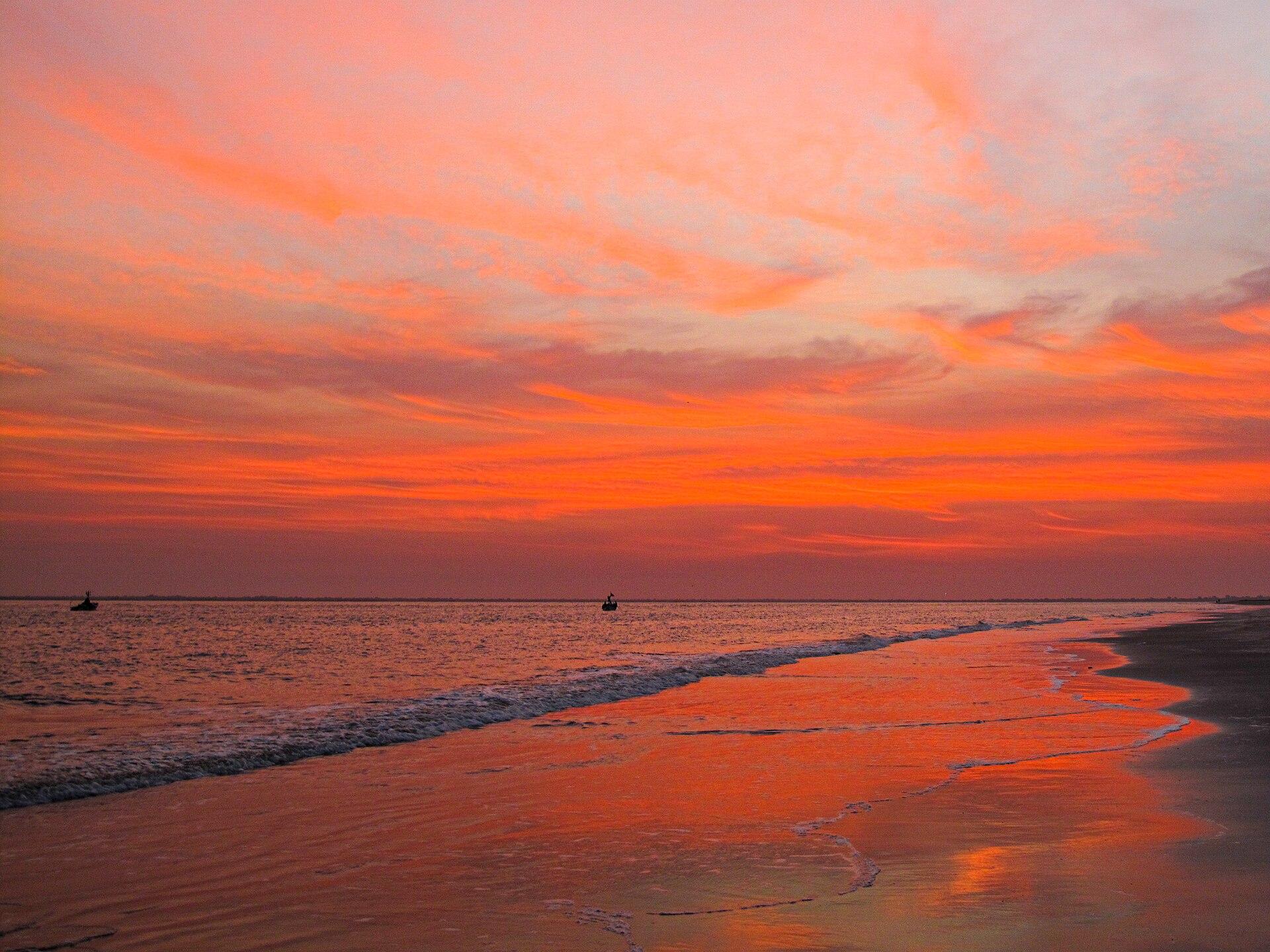
Gambia occupies a narrow strip of land — averaging just 48 km wide — carved along both banks of the Gambia River as it flows 470 km west to the Atlantic Ocean. Surrounded almost entirely by Senegal, the country covers 11,295 sq km and holds roughly 2.7 million people. Despite its size, Gambia packs in remarkable ecological variety: salt marshes, mangrove forests, savanna woodland, and 80 km of sandy Atlantic beaches all within a short drive of each other.
Cities Worth Exploring
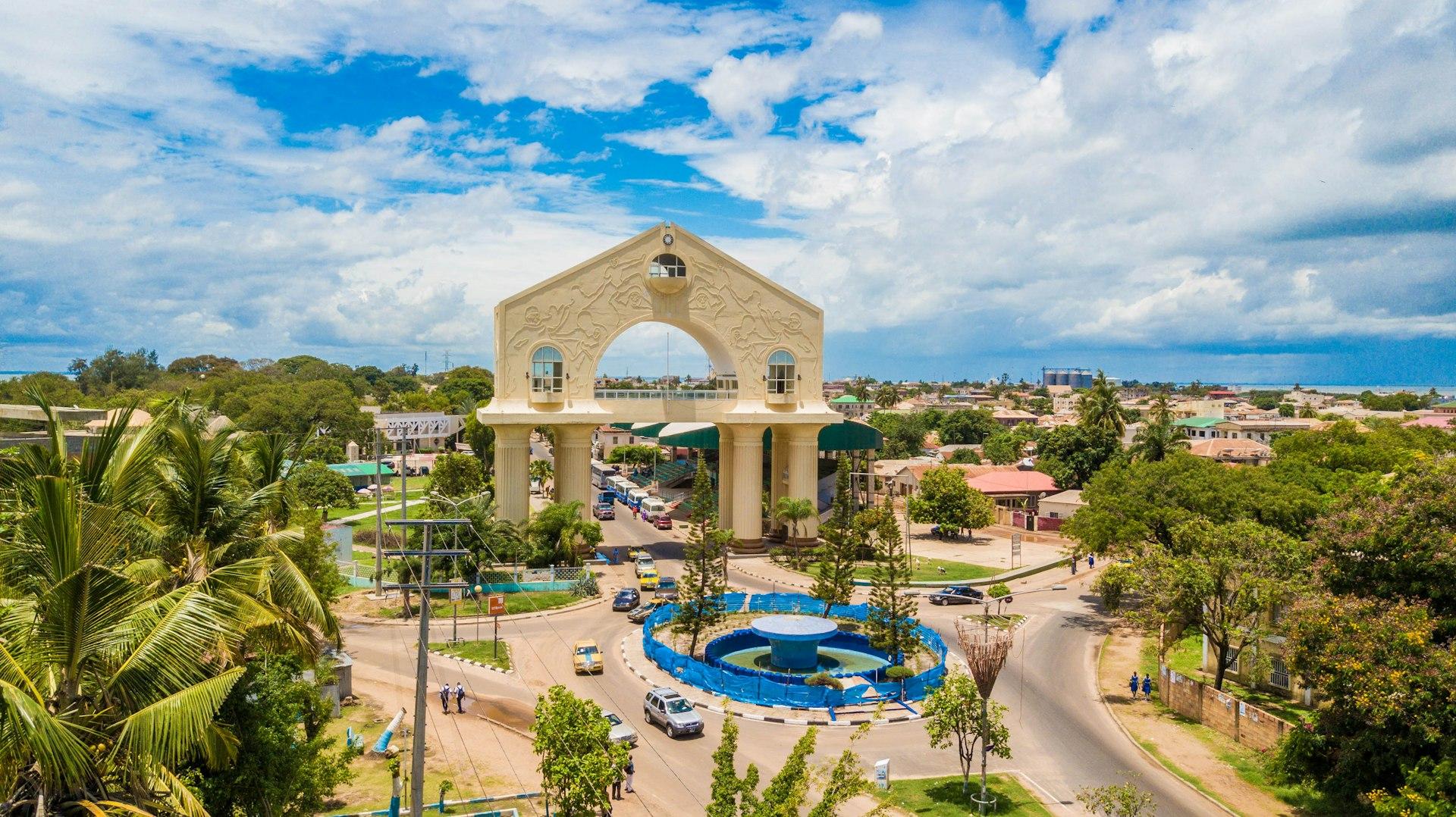
Banjul, the capital, sits on a peninsula at the river mouth and remains a compact city of historic colonial-era streets, the Albert Market, and the Arch 22 gateway monument built in 1994. Most hotels and resorts cluster along the Senegambia Strip in Kololi, roughly 15 km south-west of Banjul, where beachfront properties line the coast between Kotu and Kololi Beach. The town of Serekunda, immediately inland, is the country's largest urban centre and a hub for local commerce and transport. Further east, Janjanbureh (Georgetown) on MacCarthy Island served as a colonial administrative post and now anchors river tourism in the country's interior.
River and Wildlife Destinations
The Gambia River corridor draws nature travellers year-round. Abuko Nature Reserve, 25 km from Banjul, covers 105 hectares and shelters West African green monkeys, crocodiles, and over 300 bird species. Kiang West National Park, 100 km east of Banjul, protects 11,000 hectares of woodland and is one of the country's best sites for spotting hippos and roan antelope. Gambia holds a reputation among ornithologists as one of West Africa's premier birding countries, with over 570 recorded species — a count that outpaces many countries ten times its size.
When to Visit Gambia
The dry season runs from November to May, with the peak months of December through February bringing low humidity, temperatures around 27–30 °C, and near-zero rainfall. The rainy season (June to October) sees heavy downpours, lush vegetation, and significantly lower hotel rates — often 30–40% below peak pricing. Birdwatchers targeting migratory species favour the October–November transition window when Palearctic migrants arrive alongside resident species.
Practical Tips for Visiting Gambia
- Getting around: Shared taxis (gele-geles) connect major towns cheaply; private hire taxis and tourist shuttles serve the Senegambia Strip and Banjul. River transport is the main route to interior destinations like Janjanbureh.
- Currency: The Gambian dalasi (GMD) is the local currency; exchange at banks or licensed bureaux in Banjul and Kololi. ATMs are available in the resort strip but limited inland.
- Entry: Most West African nationals enter visa-free under Ecowas protocols. Citizens of many other countries receive a visa on arrival at Banjul International Airport (BJ L), located 23 km from the capital.
- Health: Yellow fever vaccination is required for entry. Malaria prophylaxis is strongly advised for all areas, including coastal resorts.
- Pack accordingly: Light cotton clothing suits the dry season; a waterproof layer is essential June–October. Modest dress is expected outside beach zones.
Frequently Asked Questions
Q: What is the closest international airport to Gambia's resorts? A: Banjul International Airport (BJ L) is the sole international gateway, located near Yundum, approximately 23 km from Banjul and 15 km from the Kololi resort strip. Most European charter and scheduled flights land here directly.
Q: Is Gambia safe for travellers? A: Gambia is generally considered one of the safer destinations in West Africa. The resort areas of Kololi and Kotu are well-policed; standard caution applies in Banjul's market areas, especially at night.
Q: What is the best base for a beach holiday in Gambia? A: The Senegambia Strip in Kololi offers the highest concentration of hotels, restaurants, and beach access. Kotu, a short walk north, tends to be quieter with a mix of guesthouses and mid-range properties.
Q: Can travellers combine Gambia with Senegal? A: Yes. The border crossing at Karang (north) and Seleti (south) are both accessible by road. Ziguinchor in southern Senegal and Dakar (about 400 km north of Banjul) are common extensions for overland itineraries.