

Hotels near Acropolis
Athens · 50 hotels nearby (showing closest 20)
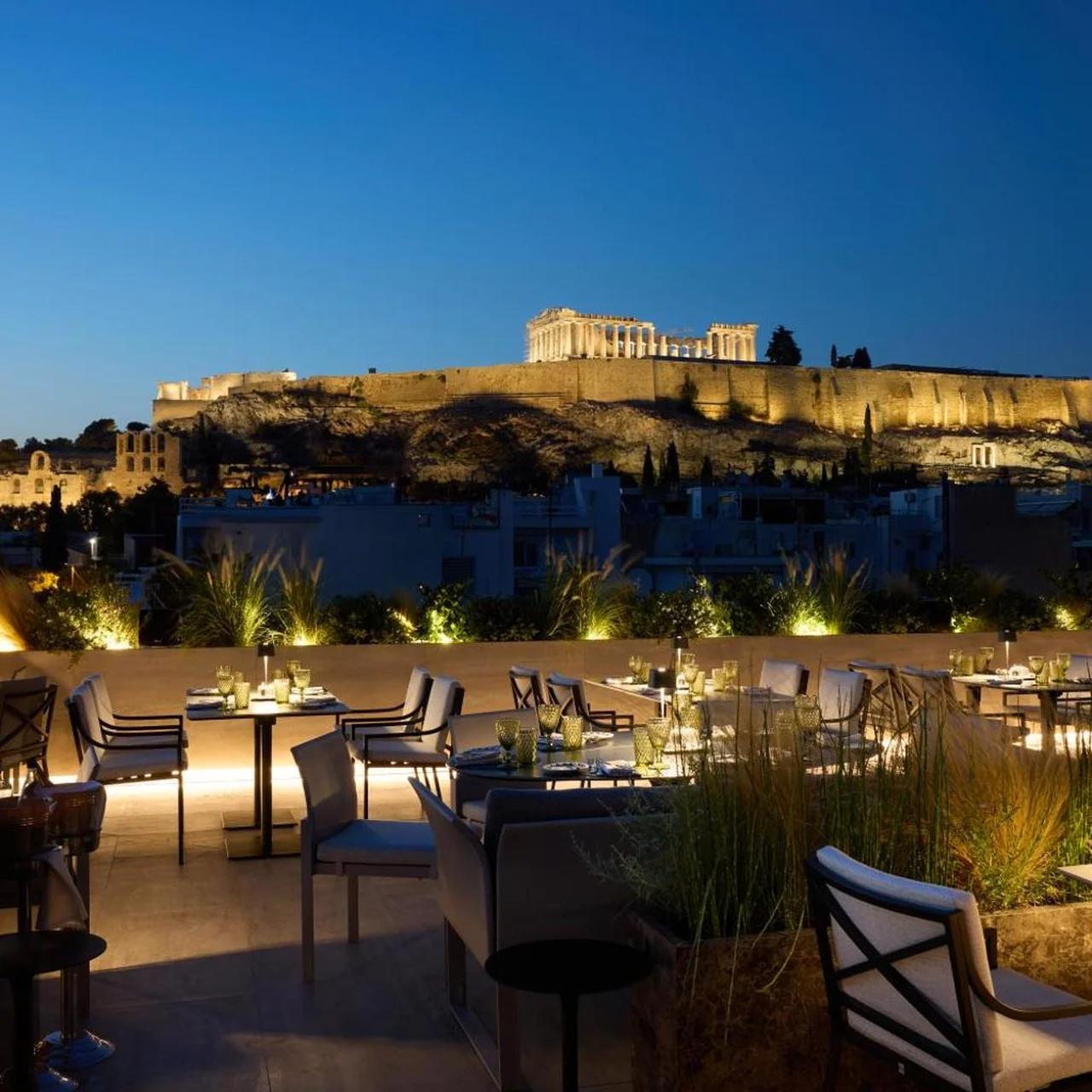
Photo by Kostas Vourou on Unsplash
About Acropolis
The Acropolis of Athens stands as a timeless symbol of ancient Greek civilization and a testament to human ingenuity. Perched high on a rocky outcrop overlooking the city, this UNESCO World Heritage Site has captivated visitors for centuries. Its iconic structures, including the Parthenon, tell stories of architectural brilliance and cultural significance that continue to inspire awe.
A Journey Through History
The Acropolis dates back to the 5th century BCE and served as the heart of ancient Athens. The Parthenon, dedicated to the goddess Athena, is its most famous structure, showcasing the Doric order and intricate friezes that depict mythological scenes. Other notable buildings include the Erechtheion, with its famous Caryatid statues, and the Propylaea, the grand entrance to the site. Each structure reflects the artistry and skill of the ancient Greeks, offering a glimpse into their world.
A Cultural Landmark
Beyond its architectural marvels, the Acropolis holds deep cultural and historical importance. It was a center of religious and civic life, hosting festivals and ceremonies that celebrated Athenian identity. Today, it remains a symbol of democracy and human achievement, attracting millions of visitors annually. The Acropolis Museum, located nearby, houses artifacts and sculptures from the site, providing further context and insight.
Practical Tips for Visiting
- Arrive early in the morning or late afternoon to avoid crowds and enjoy cooler temperatures.
- Wear comfortable shoes, as the terrain is uneven and requires climbing.
- Bring water and sunscreen, as shade is limited.
- Consider hiring a guide or using an audio tour to enhance your understanding of the site.
- Combine your visit with a trip to the Acropolis Museum to deepen your appreciation of the artifacts.
The Acropolis is more than just an archaeological site; it’s a living connection to the past that continues to shape our understanding of history and culture.
Frequently asked questions
What is the best time to visit the Acropolis?
Early morning or late afternoon is ideal to avoid crowds and enjoy cooler weather. Sunset offers particularly beautiful views.
How much time should I spend at the Acropolis?
Plan for at least 2-3 hours to explore the site thoroughly. Adding the Acropolis Museum extends your visit by another hour or two.
Is the Acropolis accessible for people with mobility issues?
The terrain is uneven and steep, making it challenging for those with mobility issues. An elevator is available for wheelchairs, but access is limited.
Can I buy tickets in advance for the Acropolis?
Yes, tickets can be purchased online in advance, which helps avoid long queues at the entrance.
What should I wear when visiting the Acropolis?
Wear comfortable shoes and lightweight clothing suitable for walking. A hat and sunscreen are recommended for sun protection.
Are guided tours available at the Acropolis?
Yes, guided tours are available and highly recommended to gain deeper insights into the history and significance of the site.
Hotels nearby


















Monastiraki
93 reviews
Check availability
