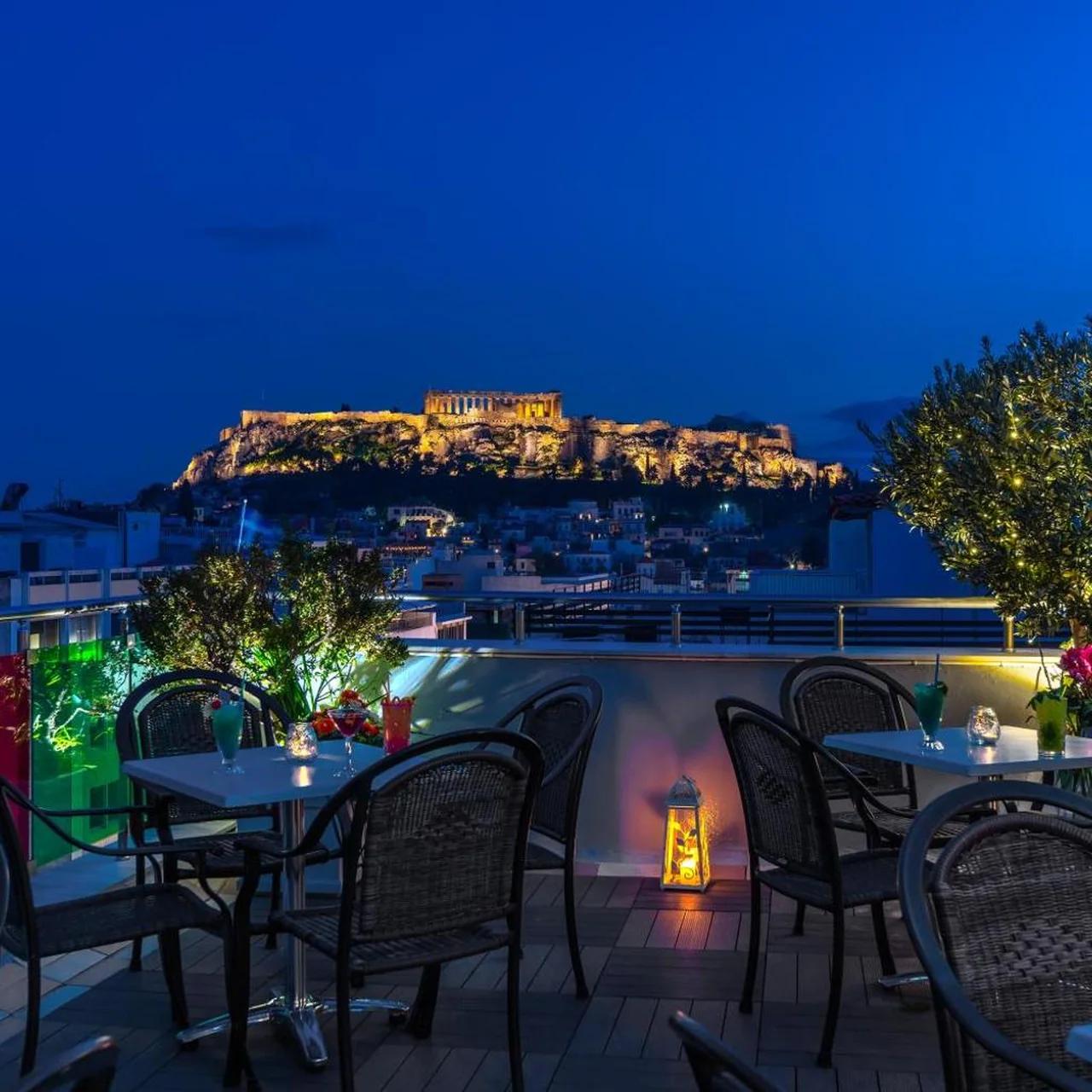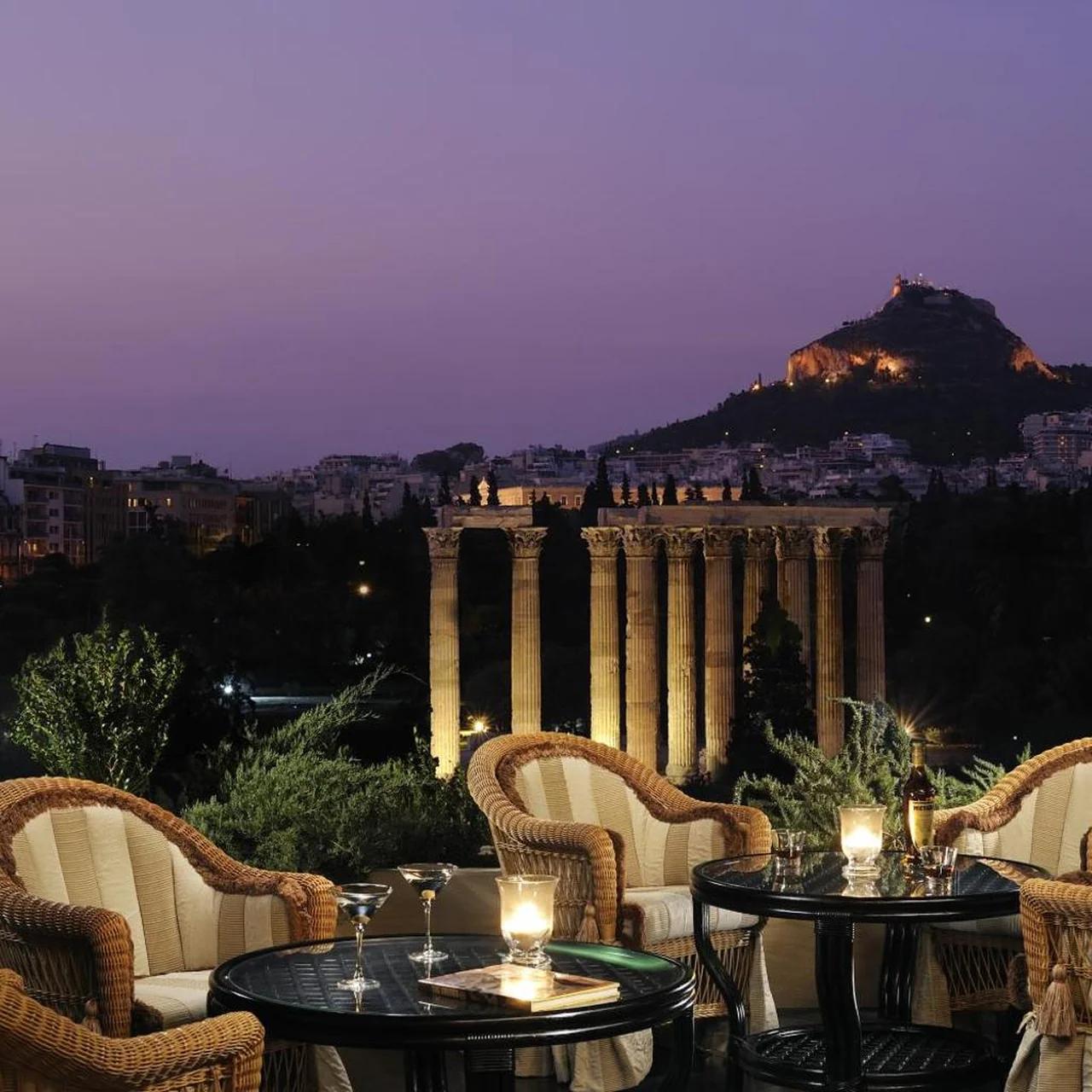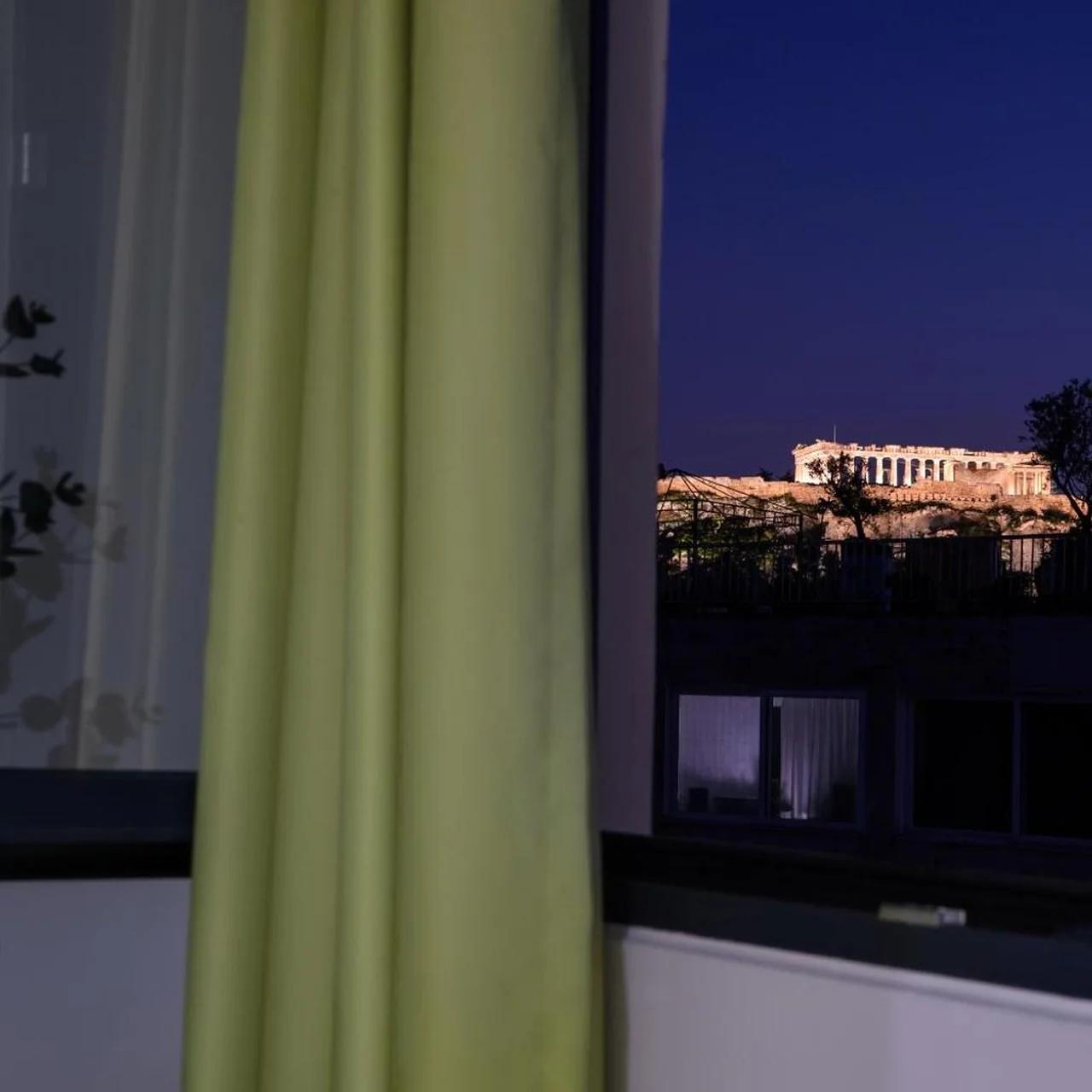

Hotels near Parthenon
Athens · 50 hotels nearby (showing closest 20)
Photo by Tayla Bundschuh on Unsplash
About Parthenon
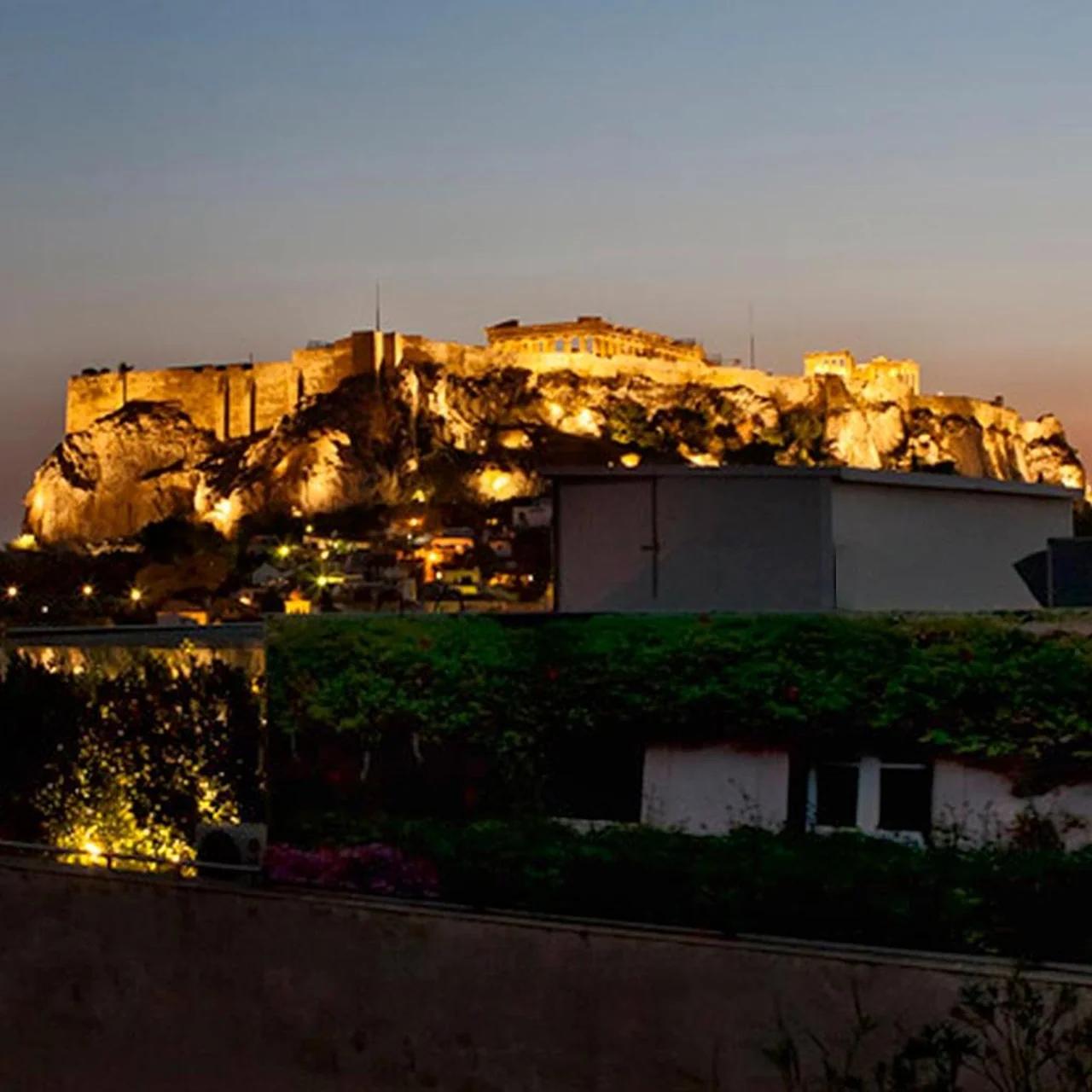
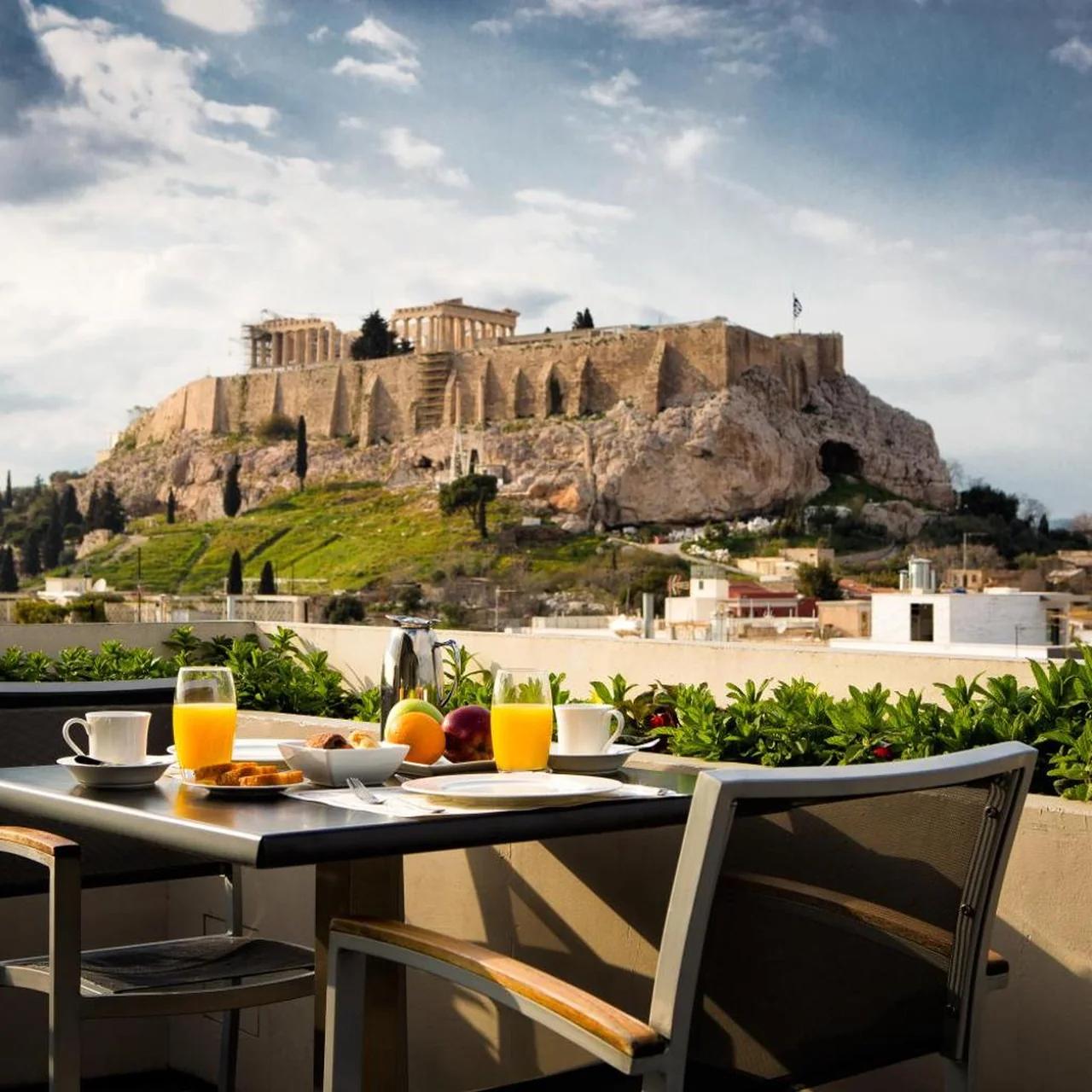
The Parthenon stands as one of the most iconic symbols of ancient Greece, perched atop the Acropolis in Athens. Built in the 5th century BCE, this temple dedicated to the goddess Athena showcases the pinnacle of classical Greek architecture. Its enduring presence offers a glimpse into the artistic and cultural achievements of the ancient world, making it a must-see for history enthusiasts and casual travelers alike.
A Masterpiece of Classical Architecture
The Parthenon is a prime example of Doric architecture, characterized by its sturdy columns and harmonious proportions. The temple's design includes subtle optical refinements, such as slightly curved lines, to create the illusion of perfect symmetry. Inside, it once housed a massive statue of Athena Parthenos, crafted from gold and ivory. Although much of its original decoration has been lost to time, the surviving sculptures—known as the Elgin Marbles—are displayed in museums worldwide, sparking ongoing debates about their repatriation.
A Symbol of Athenian Power
Constructed during the height of Athens' Golden Age under the leadership of Pericles, the Parthenon was more than just a religious site. It symbolized the city's political and cultural dominance in the ancient world. The temple also served as a treasury, storing offerings and wealth from across the Athenian empire. Over the centuries, it has endured earthquakes, wars, and repurposing as a church and mosque, yet it remains a testament to human ingenuity and resilience.
Practical Tips for Visiting
- Best Time to Visit: Early morning or late afternoon to avoid crowds and enjoy softer lighting.
- Tickets: Purchase a combined ticket for the Acropolis and other nearby archaeological sites to save time and money.
- Accessibility: Note that the climb to the Acropolis can be steep; wear comfortable shoes and bring water.
- Guided Tours: Consider hiring a guide or using an audio tour to gain deeper insights into the site's history.
- Photography: Capture the Parthenon from various angles, especially during sunrise or sunset for dramatic shots.
Frequently asked questions
How do I get to the Parthenon by public transport?
Take Athens Metro Line 2 (Red Line) to Acropoli station. From there, the main entrance to the Acropolis hill is roughly a 10-minute walk uphill via the Dionysiou Areopagitou pedestrian street.
When was the Parthenon built?
Construction began in 447 BC under the direction of Pericles, with architects Ictinus and Callicrates overseeing the design. The temple was completed and dedicated to Athena around 432 BC.
What are the opening hours for the Acropolis?
The Acropolis site is open year-round, with extended hours in summer (typically 08:00–20:00) and reduced hours in winter. It is advisable to check the Greek Ministry of Culture website for current schedules before visiting.
Where are the Parthenon sculptures kept today?
A significant portion of the original frieze and pediment sculptures — commonly called the Elgin Marbles — are held at the British Museum in London. Remaining original sculptures are on display at the Acropolis Museum, located at the base of the hill.
What hotels are closest to the Parthenon?
The Makrygianni and Koukaki neighbourhoods sit directly below the Acropolis and offer the shortest walking distances to the site entrance. The Monastiraki and Plaka districts also provide convenient access with a wide range of accommodation options.
Is the Parthenon accessible for visitors with mobility limitations?
The Acropolis hill involves uneven ancient stone paths and significant elevation change, which can be challenging for visitors with limited mobility. A dedicated accessible route exists on the site, and a lift was installed on the northern slope to improve access.
Hotels nearby
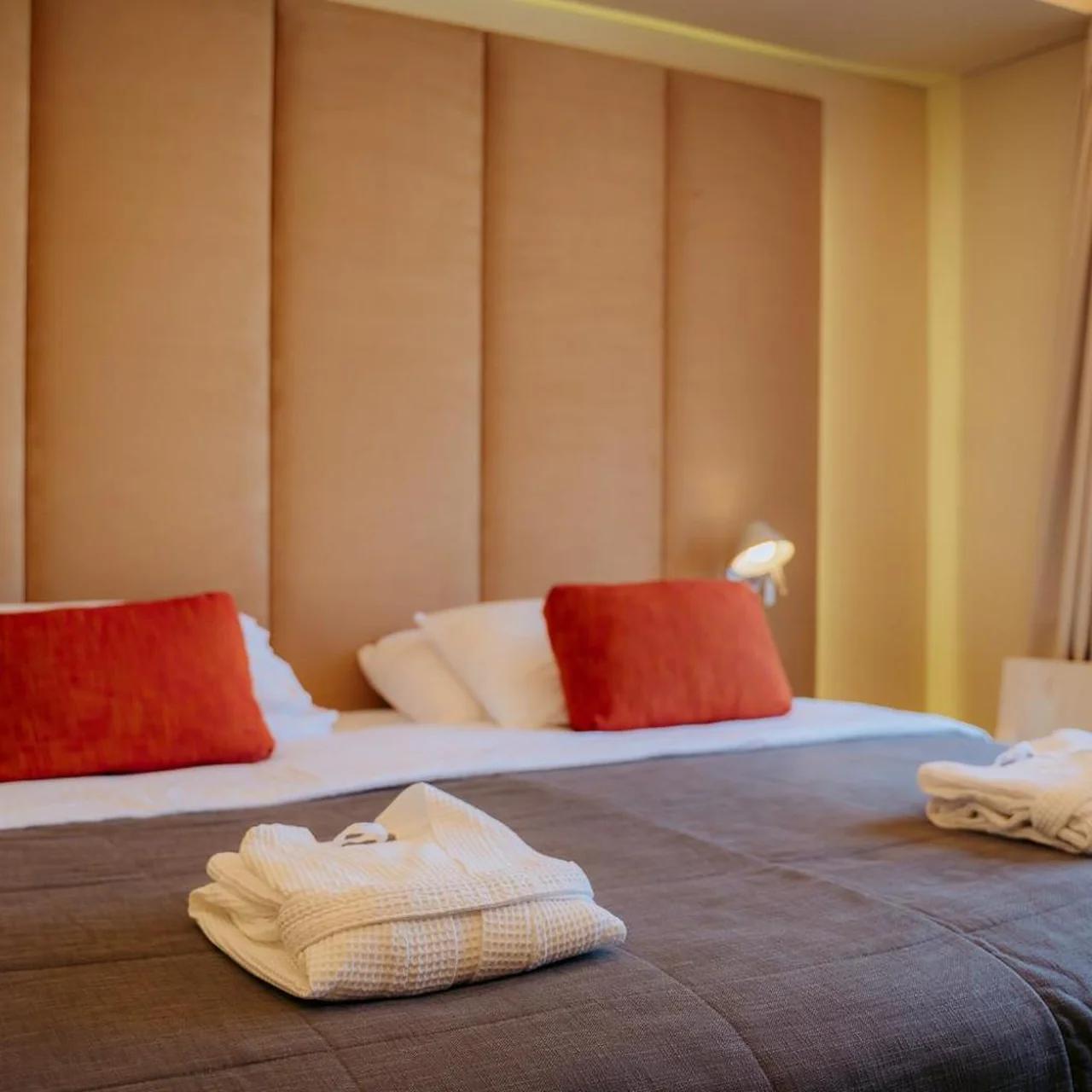





Monastiraki
93 reviews
Check availability