Hotels in Sicily
1 cities · 97 hotels
Photo by Sam Ferrara on Unsplash
Sicily, the largest island in the Mediterranean Sea, sits at the southern tip of Italy like a natural crossroads between Europe, Africa, and the Middle East. Shaped by millennia of conquest and cultural exchange, it offers a richly textured travel experience — from ancient Greek temples and Arab-Norman architecture to volcanic landscapes and some of Italy's most celebrated cuisine.
History and Culture
Few places in the world carry as many layers of history as Sicily. Greeks, Romans, Arabs, Normans, Spanish, and Bourbons have all left their mark here, producing a cultural mosaic that is entirely unique. The Valley of the Temples near Agrigento contains some of the best-preserved ancient Greek structures in the world, while Palermo's Palatine Chapel — a 12th-century masterpiece blending Byzantine mosaics, Arab muqarnas ceilings, and Norman architecture — stands as a symbol of the island's extraordinary synthesis of civilizations. UNESCO has recognized several Sicilian sites, including the late Baroque towns of the Val di Noto, which were rebuilt after a devastating 1693 earthquake.
Palermo: The Island's Capital
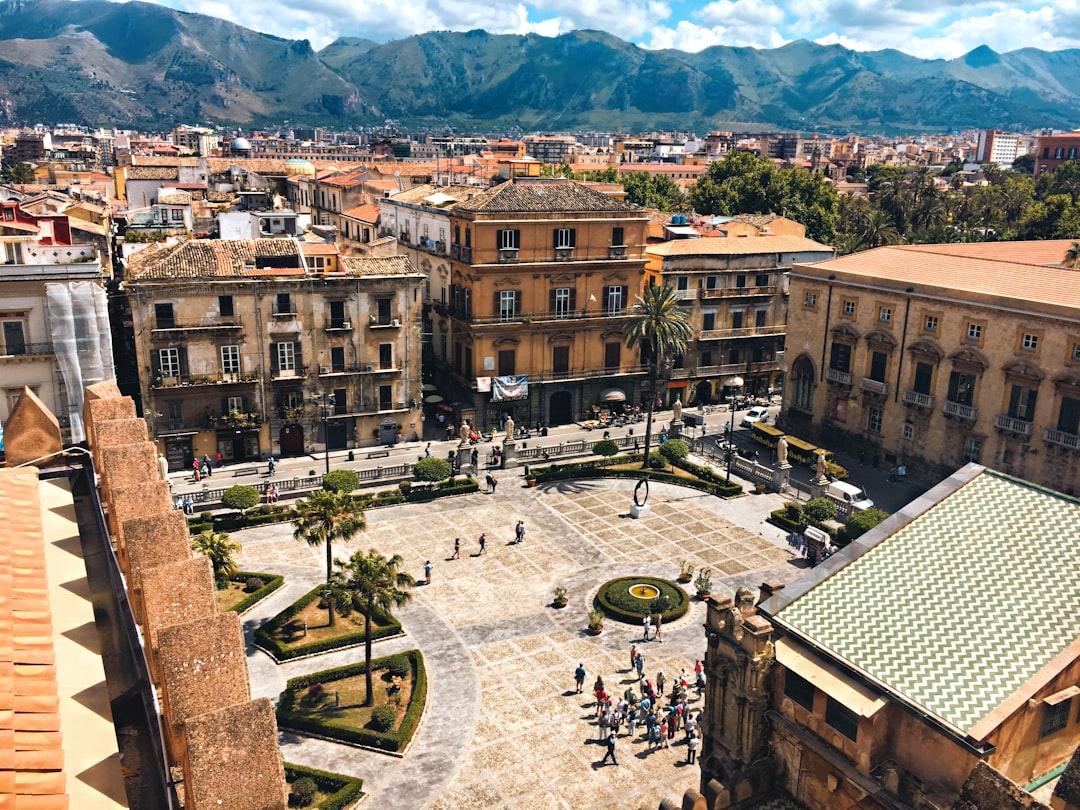
Palermo, the sun-drenched capital of Sicily, is one of the Mediterranean's most layered and captivating cities. Its historic markets — Ballarò, Vucciria, and Capo — pulse with noise, color, and the scent of street food. The city's architecture reflects its Arab-Norman heritage at nearly every turn, from the Cathedral to the Zisa palace. Palermo's street food culture is legendary: arancini (fried rice balls), panelle (chickpea fritters), and sfincione (Sicilian pizza) are best enjoyed standing at a market stall rather than in a restaurant.
Natural Landscapes and the Aeolian Islands
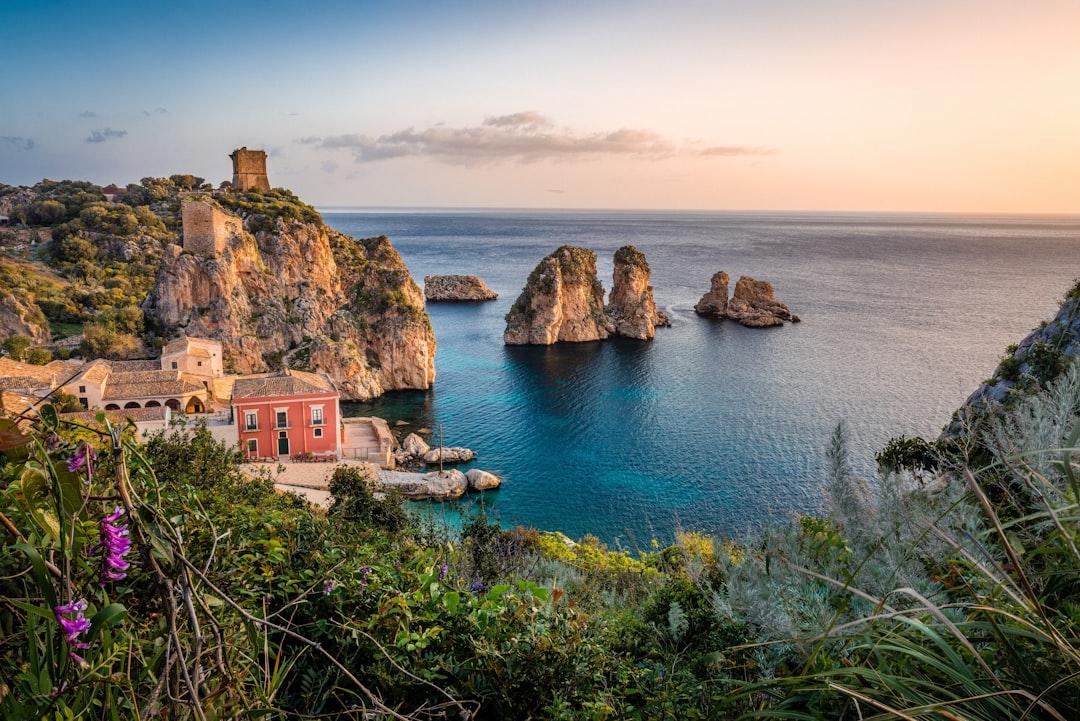
Sicily's geography is as varied as its history. Mount Etna, one of Europe's most active volcanoes, dominates the eastern skyline and draws hikers, skiers, and geologists alike. The coastline ranges from the dramatic cliffs of the Zingaro Nature Reserve in the northwest to the fine sand beaches of the southern shore near Agrigento. Just off the northeastern coast, the Aeolian Islands — a UNESCO World Heritage archipelago — offer volcanic scenery, clear waters, and a slower pace of life across seven distinct islands including Stromboli and Lipari.
Practical Tips
- Best time to visit: April to June and September to October offer mild temperatures and fewer crowds than the peak summer months.
- Getting around: Renting a car is the most practical way to explore rural areas and smaller towns. Train and bus connections link major cities but can be slow.
- Currency: Euro (€). Many smaller establishments and markets are cash-only.
- Language: Italian is the official language; Sicilian dialect is widely spoken. English is understood in tourist areas.
- Food and drink: Try local wines from the Etna DOC zone and Marsala. Cannoli and granita are regional specialties worth seeking out.
- Safety: Sicily is generally safe for travelers. Exercise standard precautions in busy urban markets.
FAQ
How many days do you need to visit Sicily? A minimum of seven to ten days allows time to cover Palermo, the Valley of the Temples, Mount Etna, and at least one coastal area without feeling rushed.
Is Sicily expensive compared to mainland Italy? Sicily is generally more affordable than northern Italy. Accommodation, food, and transport costs tend to be lower, particularly outside peak summer season.
Do I need a visa to visit Sicily? Sicily is part of Italy and the Schengen Area. EU citizens travel freely; visitors from non-EU countries should check Schengen visa requirements before traveling.
What is the best base for exploring Sicily? Palermo works well as a base for the western half of the island, while Catania — close to Mount Etna and the Baroque towns of the southeast — is a practical base for the east.
Can you visit the Aeolian Islands as a day trip from Sicily? Ferries and hydrofoils depart from Milazzo on Sicily's north coast. Day trips to Lipari or Vulcano are feasible, though staying overnight gives a more complete experience of the archipelago.