Skip to content
Palermo

Hotels in Palermo

41 hotels across 0 neighborhoods

Palermo: discover the best hotels and travel tips for your stay.

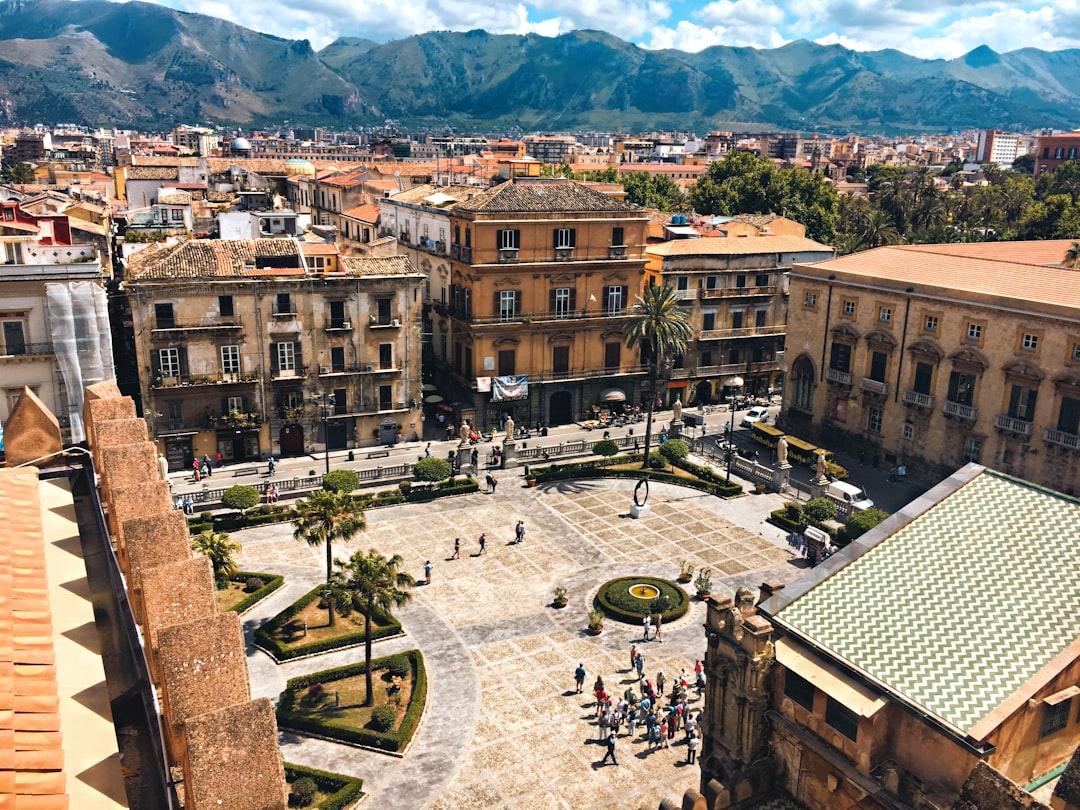
Photo by Michele Bitetto on Unsplash

0 neighborhoods9 points of interest6 curated listsCountry: Italy

About Palermo

Palermo, the sun-drenched capital of Sicily, is one of the Mediterranean's most layered and captivating cities. Sitting at the crossroads of Arab, Norman, Byzantine, and Baroque civilizations, it offers travelers a sensory overload in the best possible sense — crumbling palaces beside ornate chapels, street food sizzling in ancient markets, and a coastline that glitters just minutes from the city center. Whether you're chasing history, food, art, or the beach, Palermo delivers with unmistakable southern Italian passion.

A City Shaped by Centuries of Conquest

Few cities in Europe wear their history as visibly as Palermo. The city's architectural soul was forged during the Norman Kingdom of Sicily in the 11th and 12th centuries, a period of remarkable cultural fusion that produced some of the island's most extraordinary monuments. The Palazzo dei Normanni — the Norman Palace — is the oldest royal residence in Europe still in use, and within its walls lies the breathtaking Cappella Palatina, a private chapel encrusted with golden Byzantine mosaics that rank among the finest in the world. Nearby, Palermo Cathedral presents a timeline of the city's rulers in stone and marble, its exterior a patchwork of Norman, Arab, Gothic, and Baroque additions accumulated over nearly a thousand years.

At the heart of the old city, the Quattro Canti — the Four Corners — marks the intersection of Palermo's two main historic streets with four symmetrical Baroque facades, each representing a season, a Spanish king, and a patron saint of the city. It is the symbolic center of Palermo and a natural starting point for any walking tour of the historic center.

Markets, Street Food, and the Flavors of Sicily

Palermo's street food culture is legendary, and nowhere is it more alive than at the Ballarò Market, one of the oldest and most vibrant street markets in Sicily. Stretching through the Albergheria quarter, Ballarò is a riot of color, noise, and aroma — vendors hawk fresh produce, spices, seafood, and cheap ready-to-eat snacks from morning until early afternoon. This is the place to try arancini (fried rice balls), panelle (chickpea fritters), and the notorious pani câ meusa — a spleen sandwich that is as Palermitan as it gets. The market is not just a food destination but a living piece of the city's working-class soul, and wandering its alleys is one of the most authentic experiences the city offers.

Beyond Ballarò, the Vucciria and Capo markets offer similar pleasures, and the city's trattorias and wine bars ensure that the pleasures of the Sicilian table extend well into the evening.

Culture, Opera, and the Arts

Palermo's cultural life punches well above its weight. The Teatro Massimo, inaugurated in 1897, is the largest opera house in Italy and the third largest in Europe by volume. Its neoclassical facade on Piazza Verdi is one of the city's great landmarks, and its program of opera, ballet, and classical concerts draws audiences from across the world. The closing scene of The Godfather Part III was famously filmed on its steps, cementing its place in popular culture as well as musical history.

The city's museums, churches, and palaces provide an almost overwhelming depth of art and history for those willing to explore beyond the main sights. The Palazzo Abatellis houses a superb collection of Sicilian medieval and Renaissance art, while the Oratorio di Santa Cita dazzles with stucco reliefs by Giacomo Serpotta.

Sun, Sea, and the Beach at Mondello

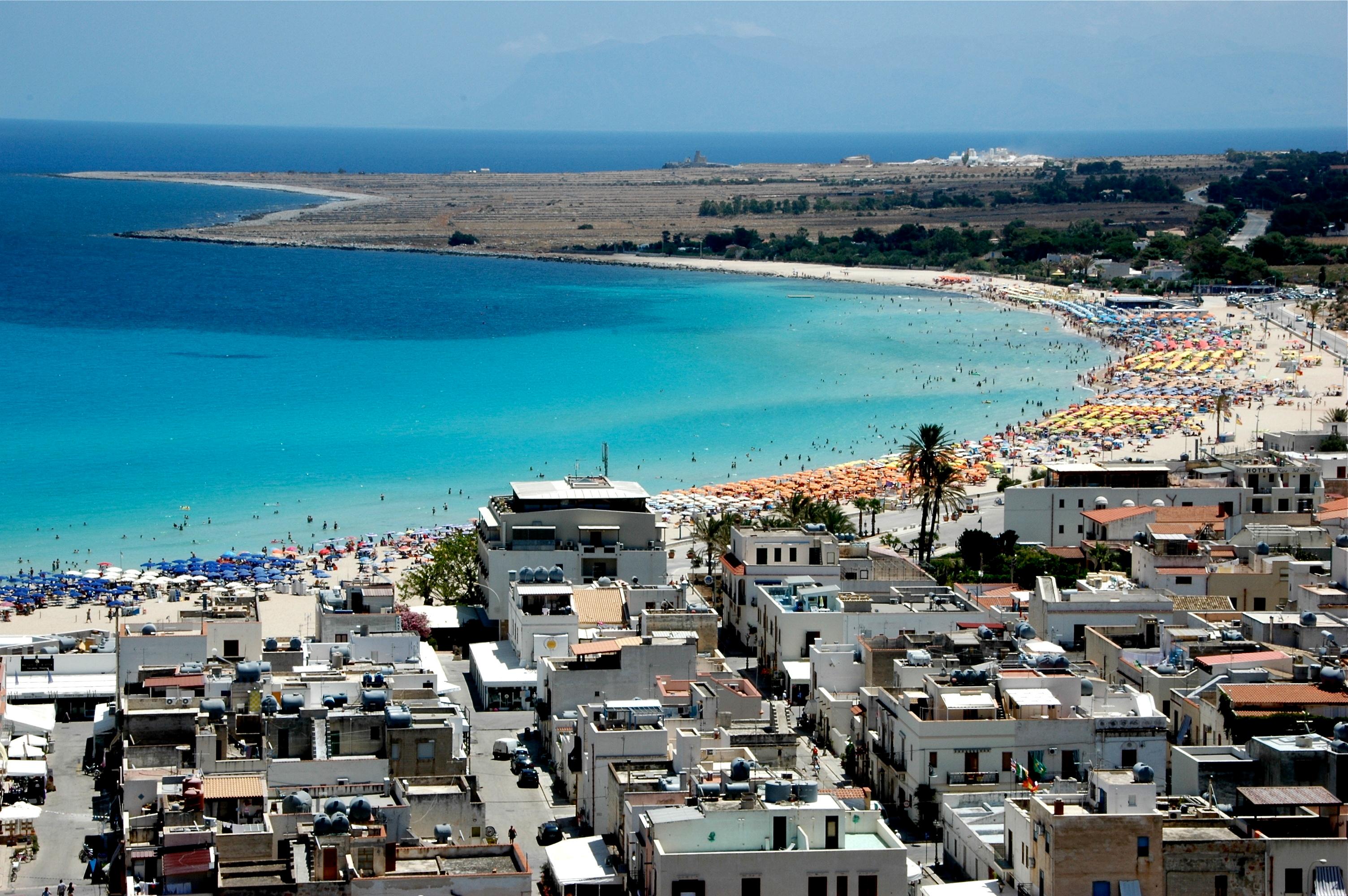
When Palermo's streets grow hot in summer, locals and visitors alike head north to Mondello Beach, a crescent of white sand and clear turquoise water tucked between two limestone headlands just 11 kilometers from the city center. Easily reached by bus, Mondello has a charming Liberty-style bathing establishment at its center and a seafront lined with restaurants serving fresh grilled fish and seafood pasta. It is the perfect half-day escape from sightseeing, and in the early morning or late afternoon it has a genuinely peaceful, local character.

Practical Tips for Visiting Palermo

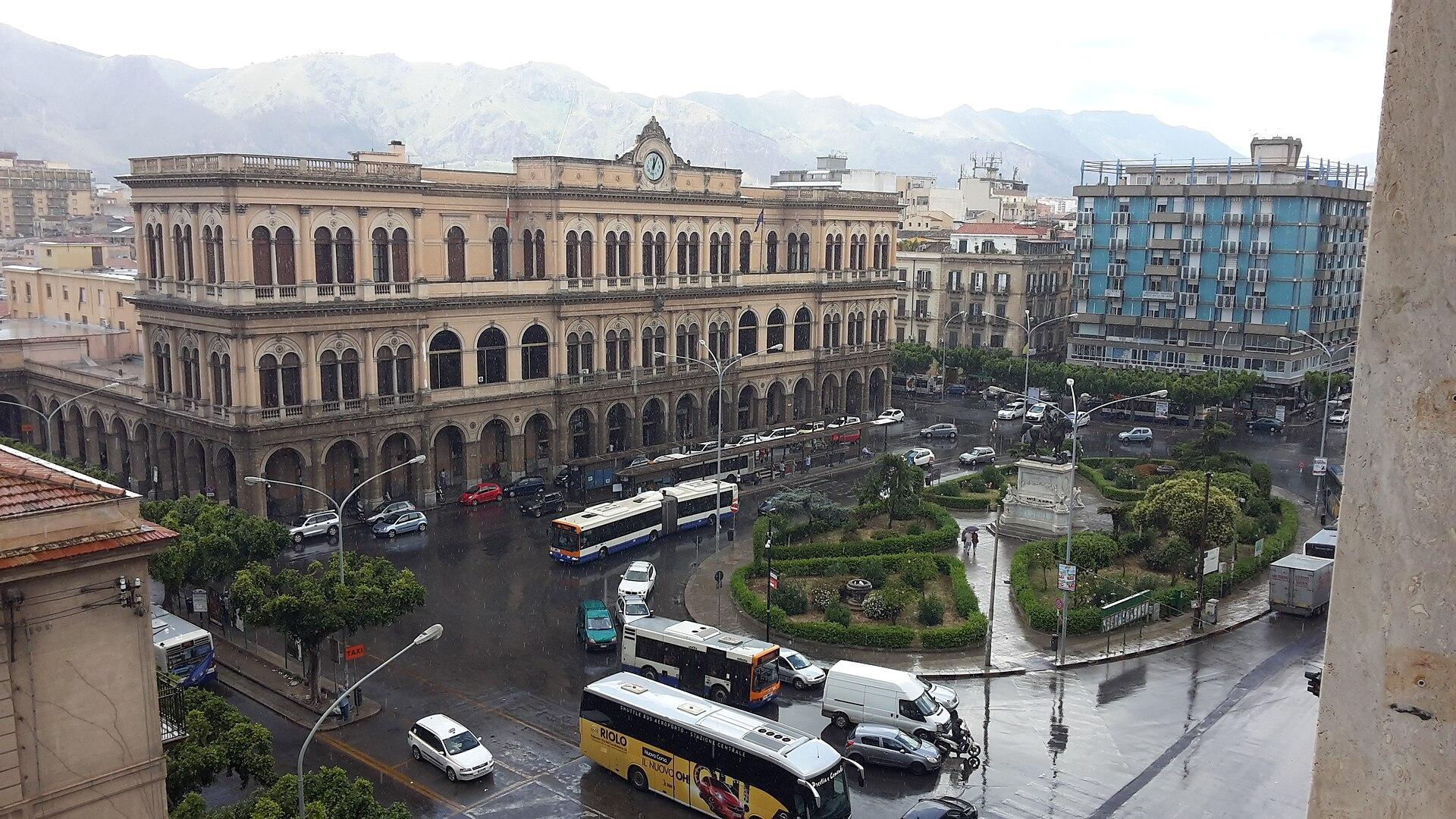
  • Getting there: Palermo is served by Falcone-Borsellino Airport (PMO), located about 35 kilometers west of the city center. Regular buses and taxis connect the airport to Palermo Centrale Station and the city center. Palermo Centrale is also the hub for train connections across Sicily and to the Italian mainland via ferry.
  • Getting around: The historic center is compact and best explored on foot. Buses cover the wider city, and taxis are widely available. For Mondello, take the dedicated beach bus from the city center.
  • Best time to visit: Spring (April–June) and early autumn (September–October) offer the most comfortable temperatures for sightseeing. July and August are hot and busy, but ideal if the beach is your priority.
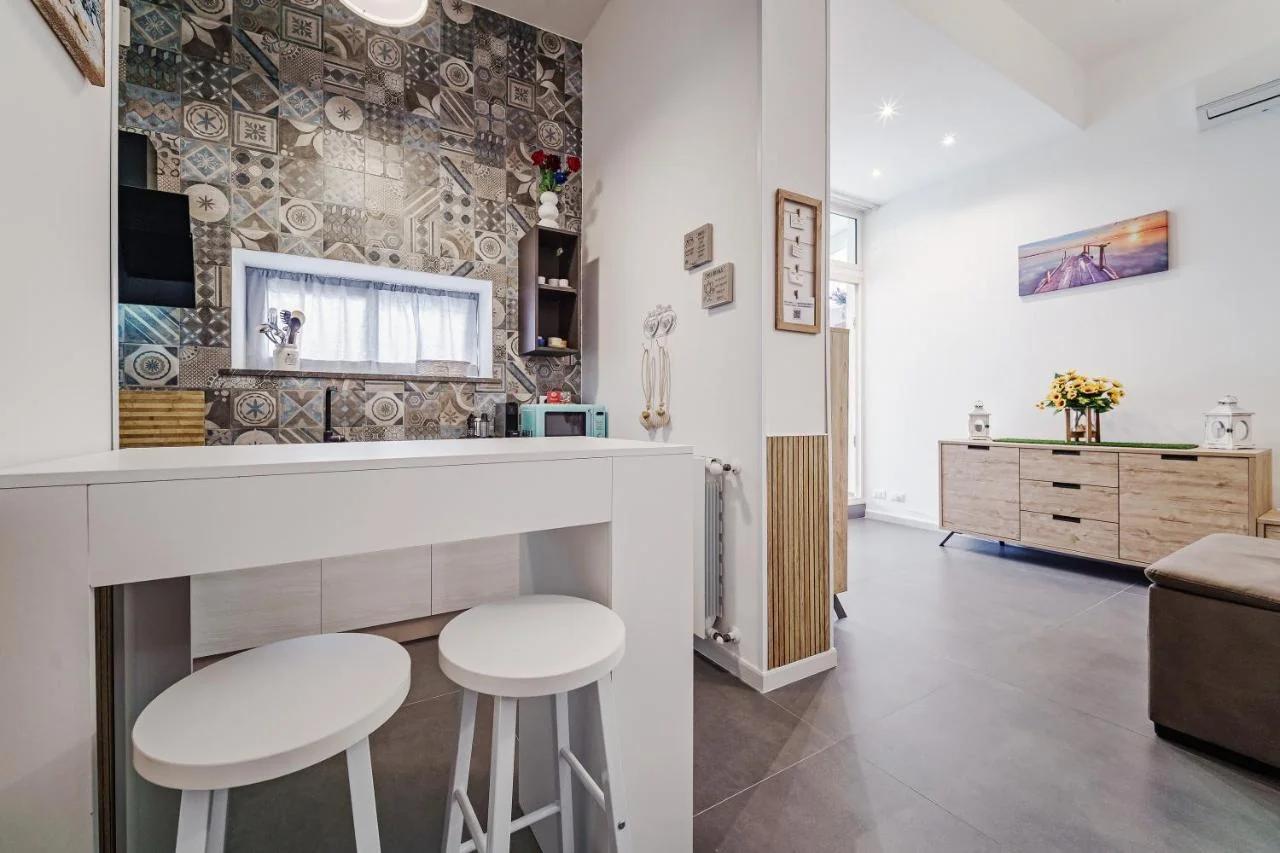
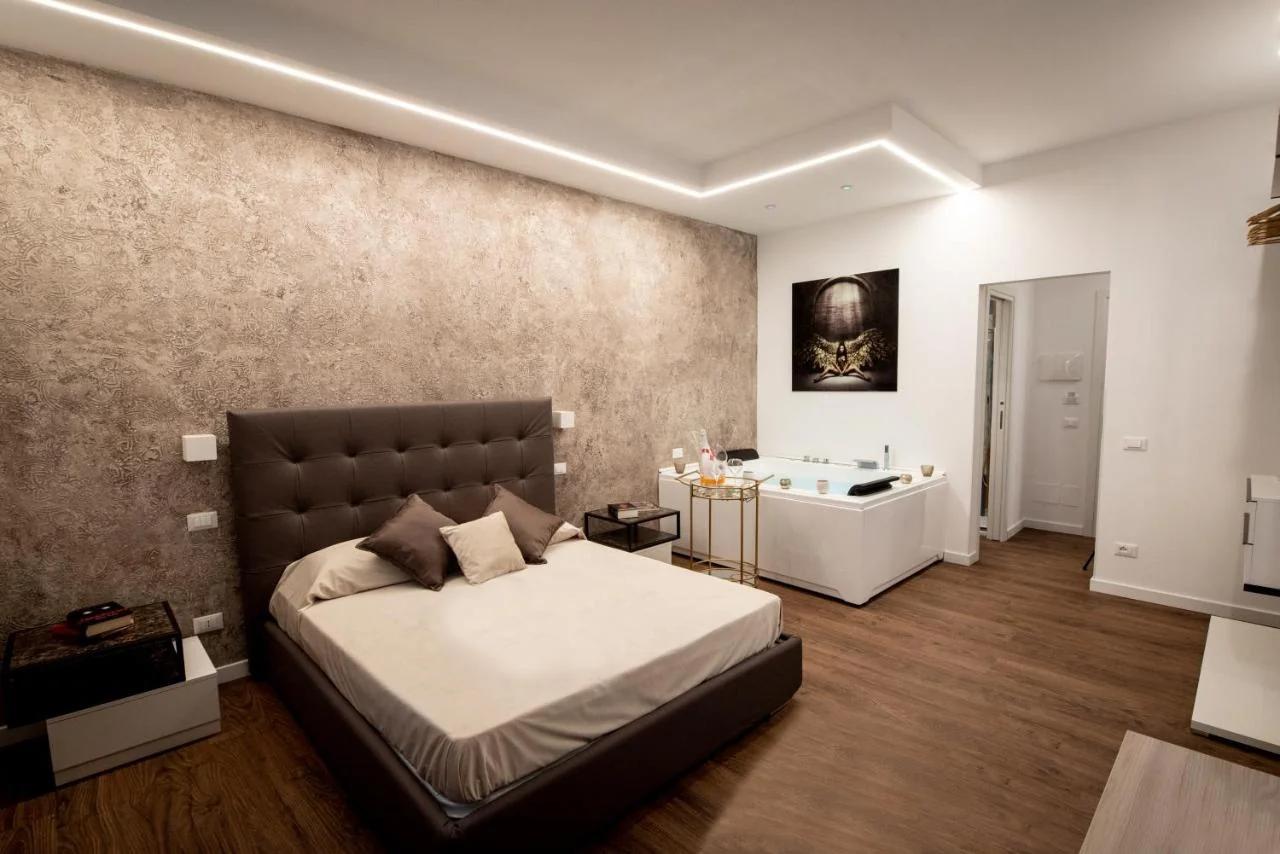
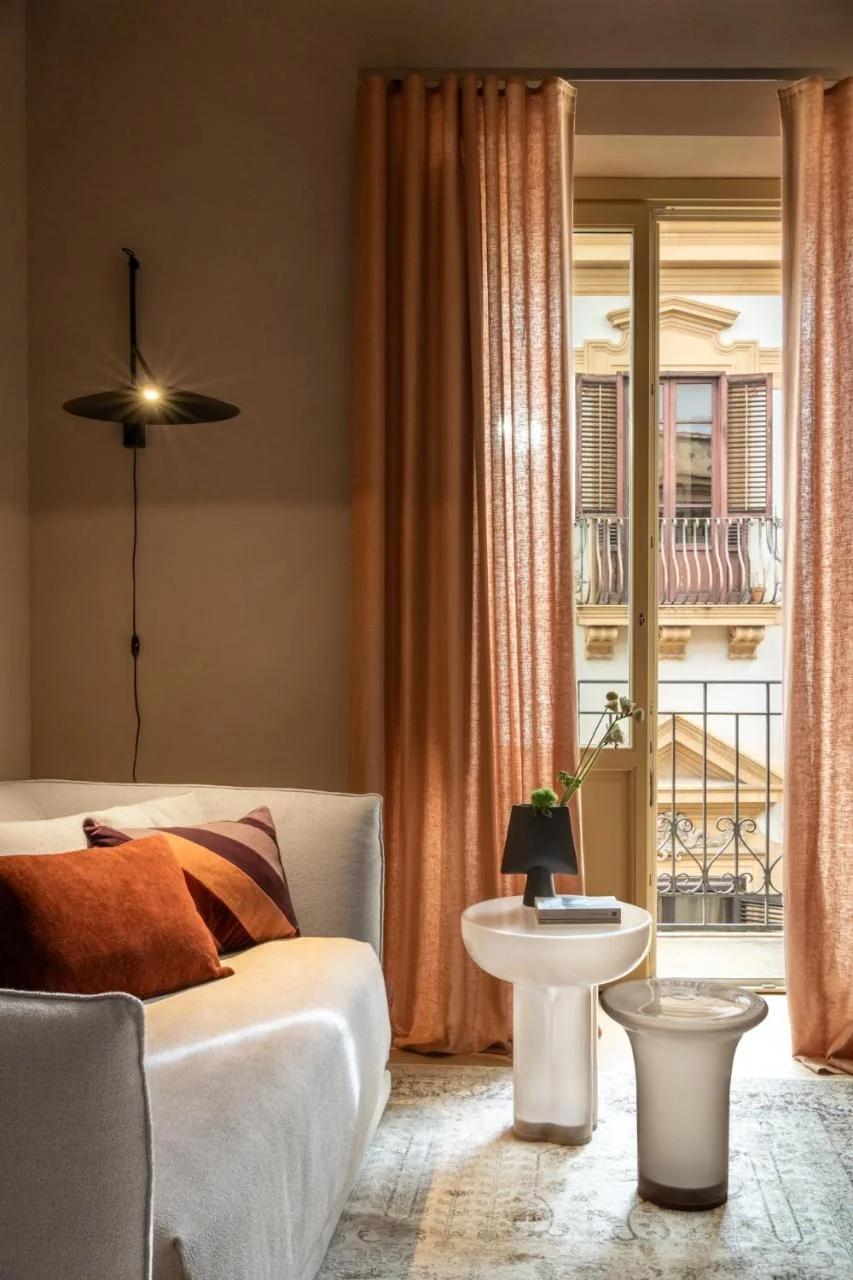
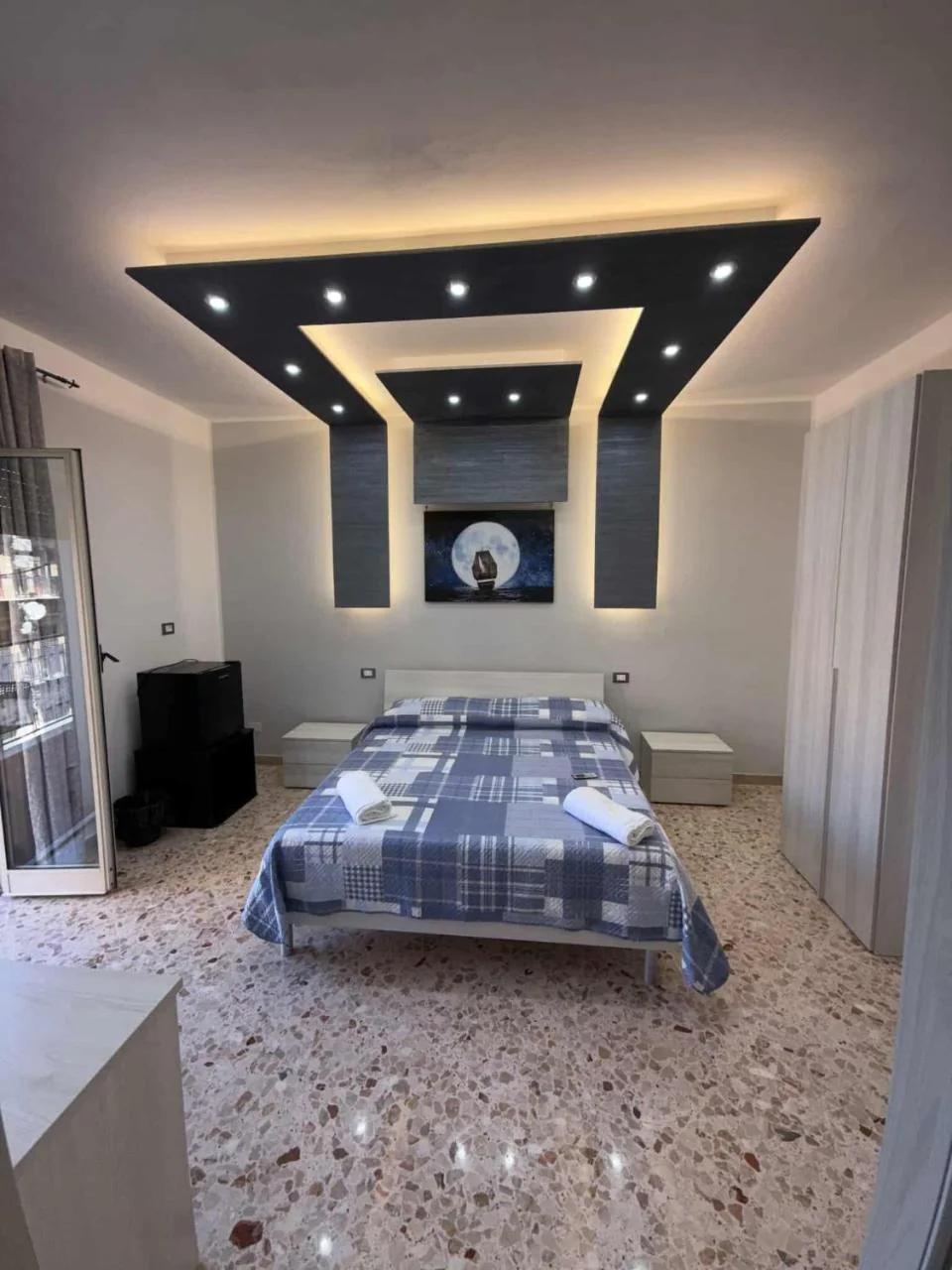
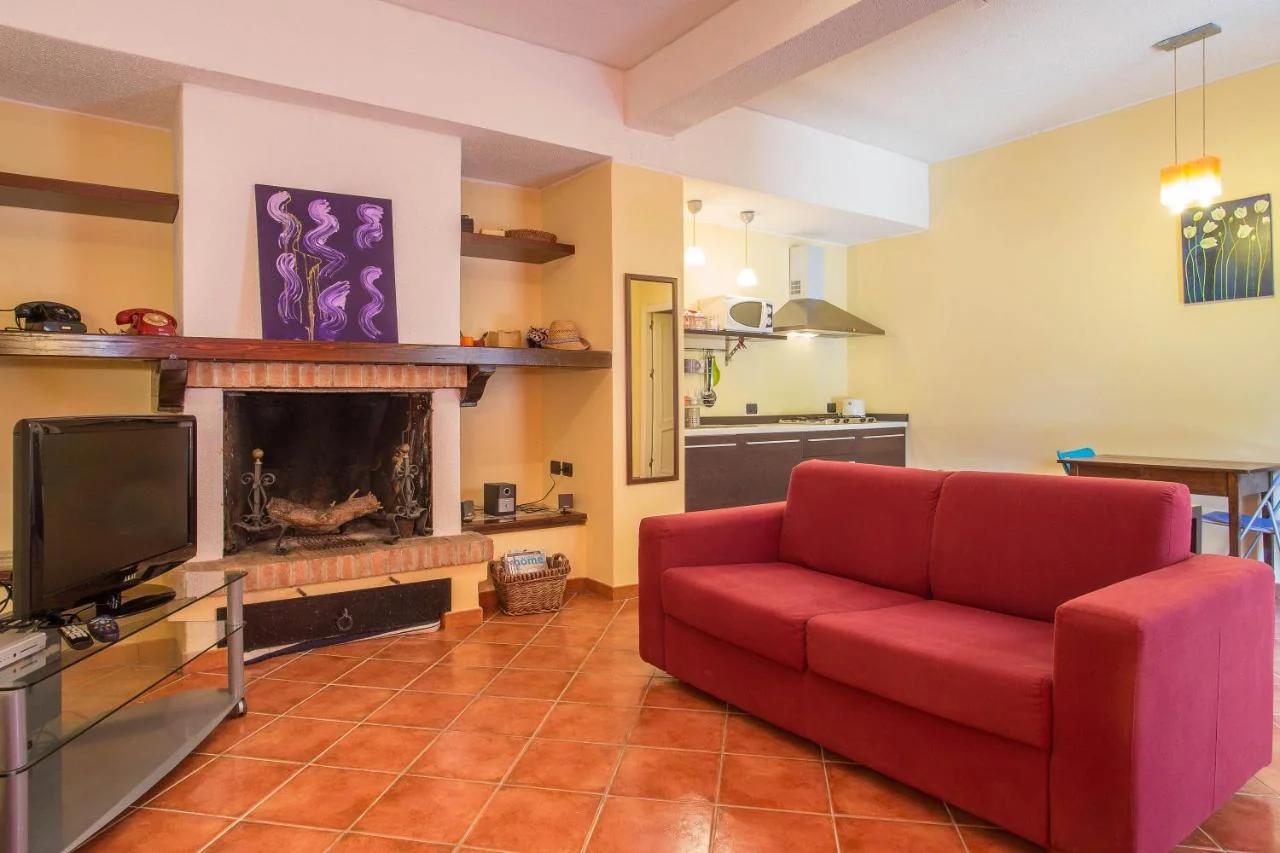
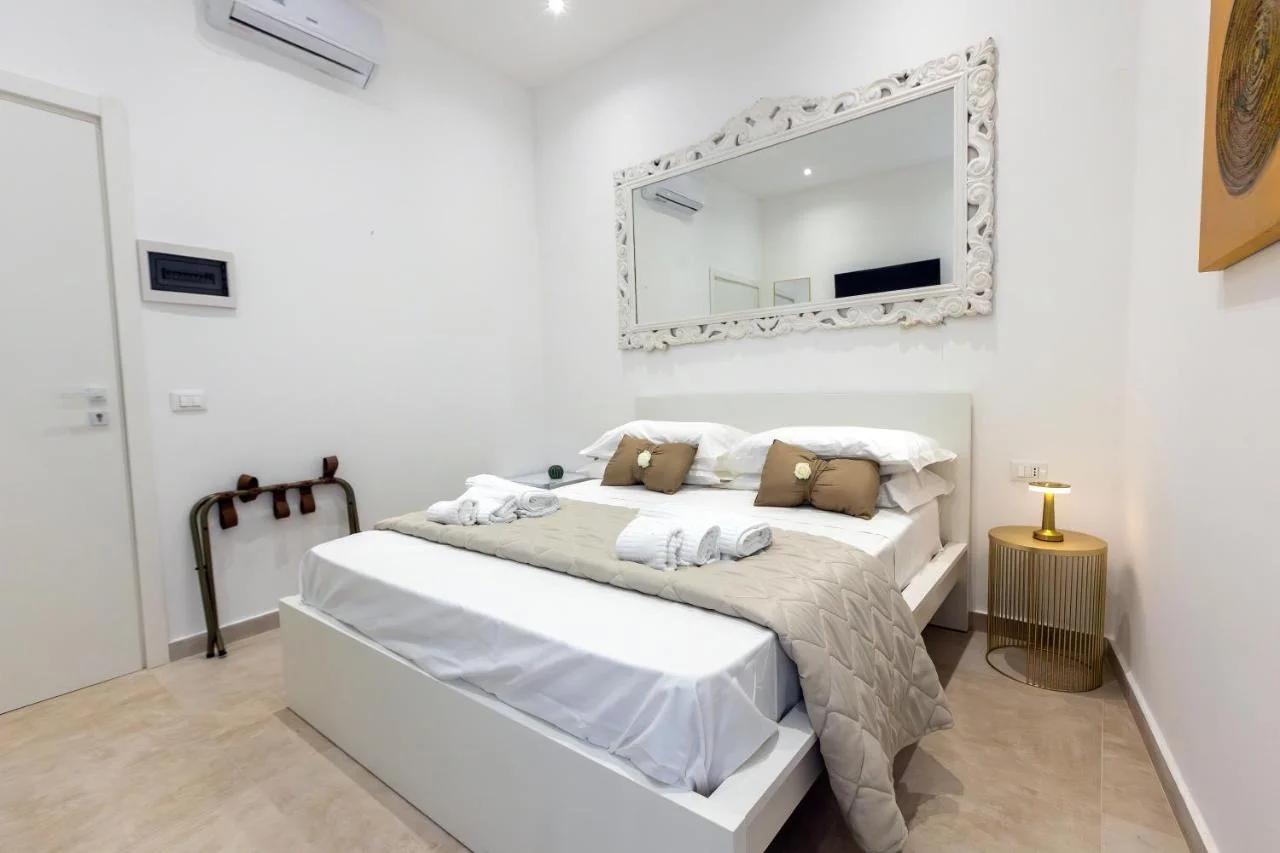
  • Where to stay: Options range from boutique hotels in converted historic palaces in the old city center to beach hotels in Mondello, budget-friendly guesthouses near Palermo Centrale Station, and family-friendly hotels close to Palermo Cathedral and the main sights.
  • Language and customs: Italian and Sicilian dialect are spoken. English is understood in most hotels and tourist areas. Dress modestly when visiting churches and chapels.
  • Currency: Euro (€). Cards are widely accepted, but carry some cash for markets and smaller eateries.