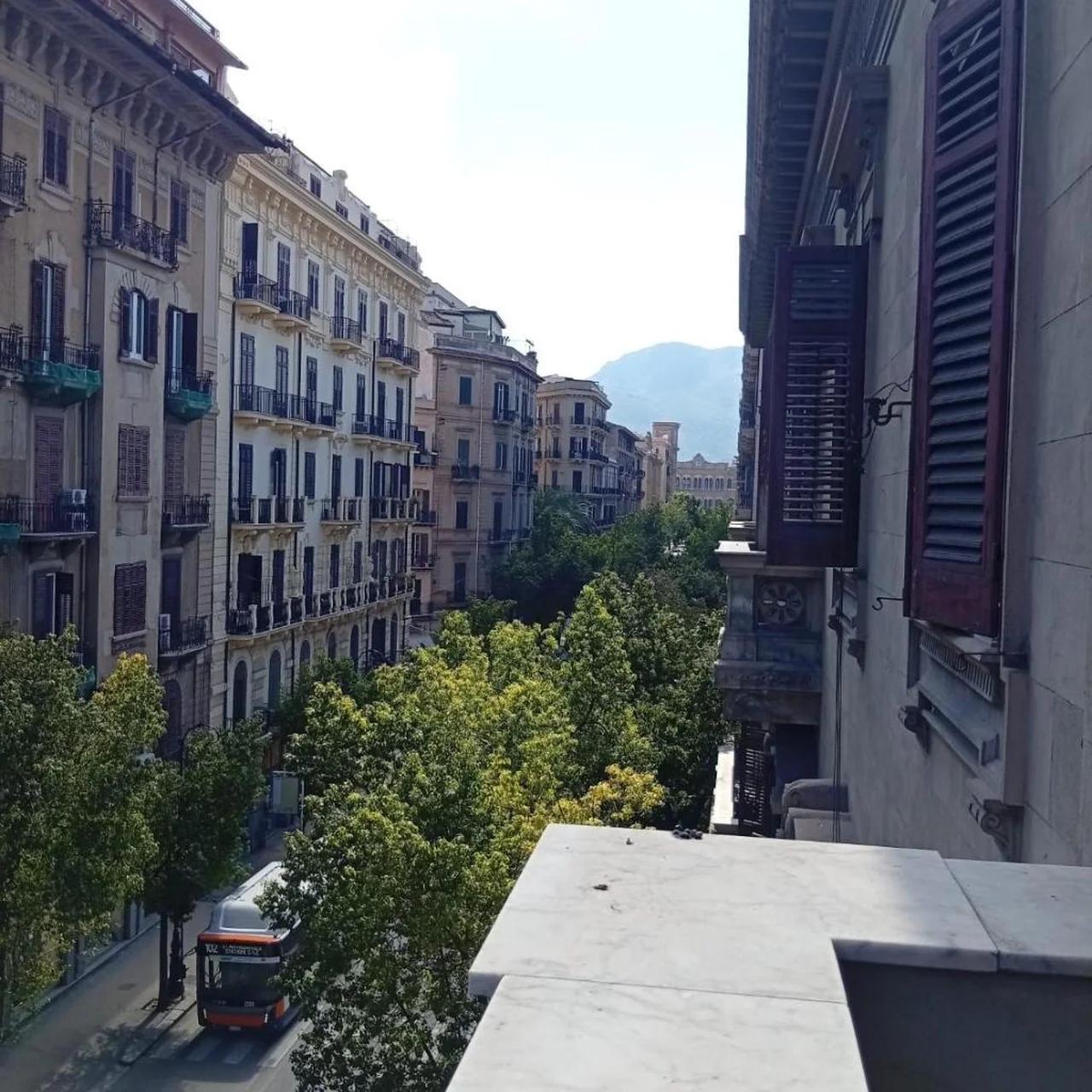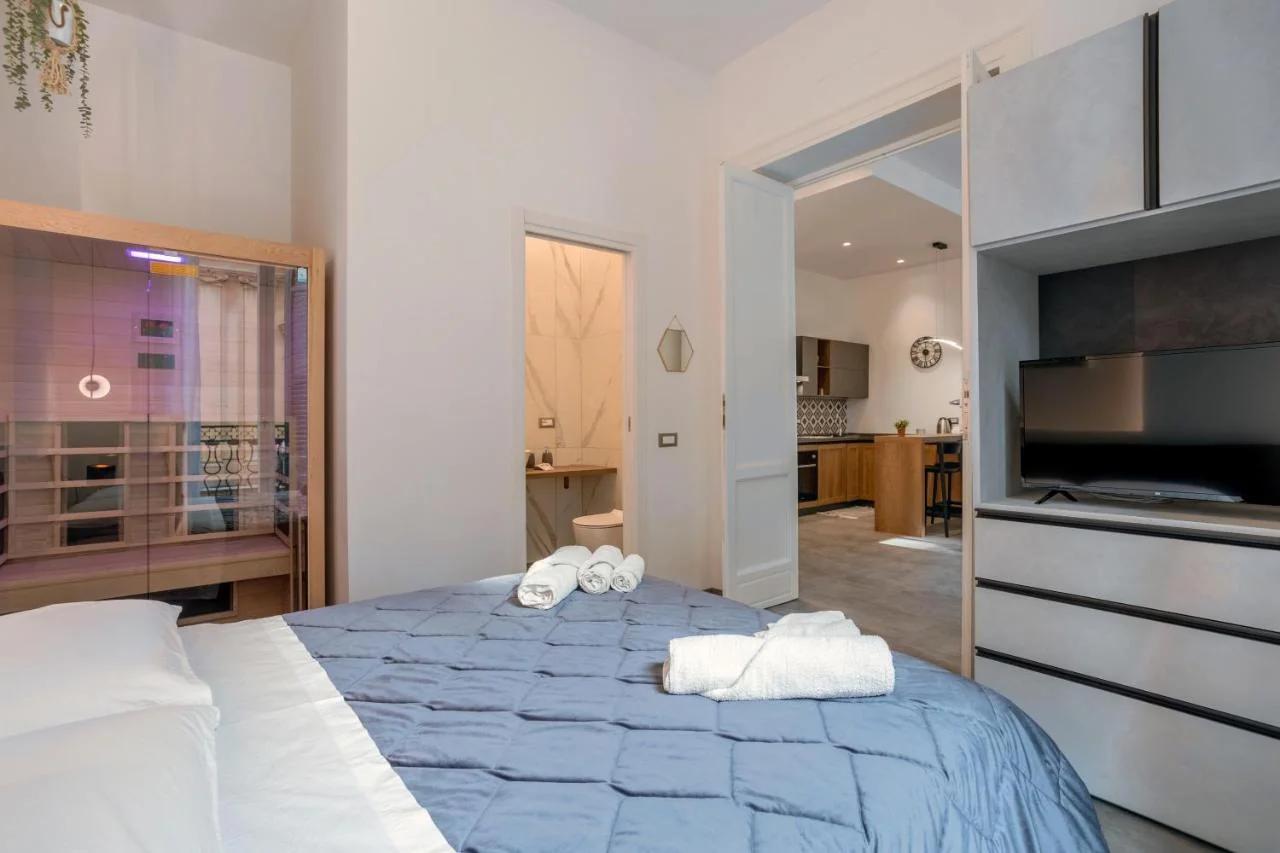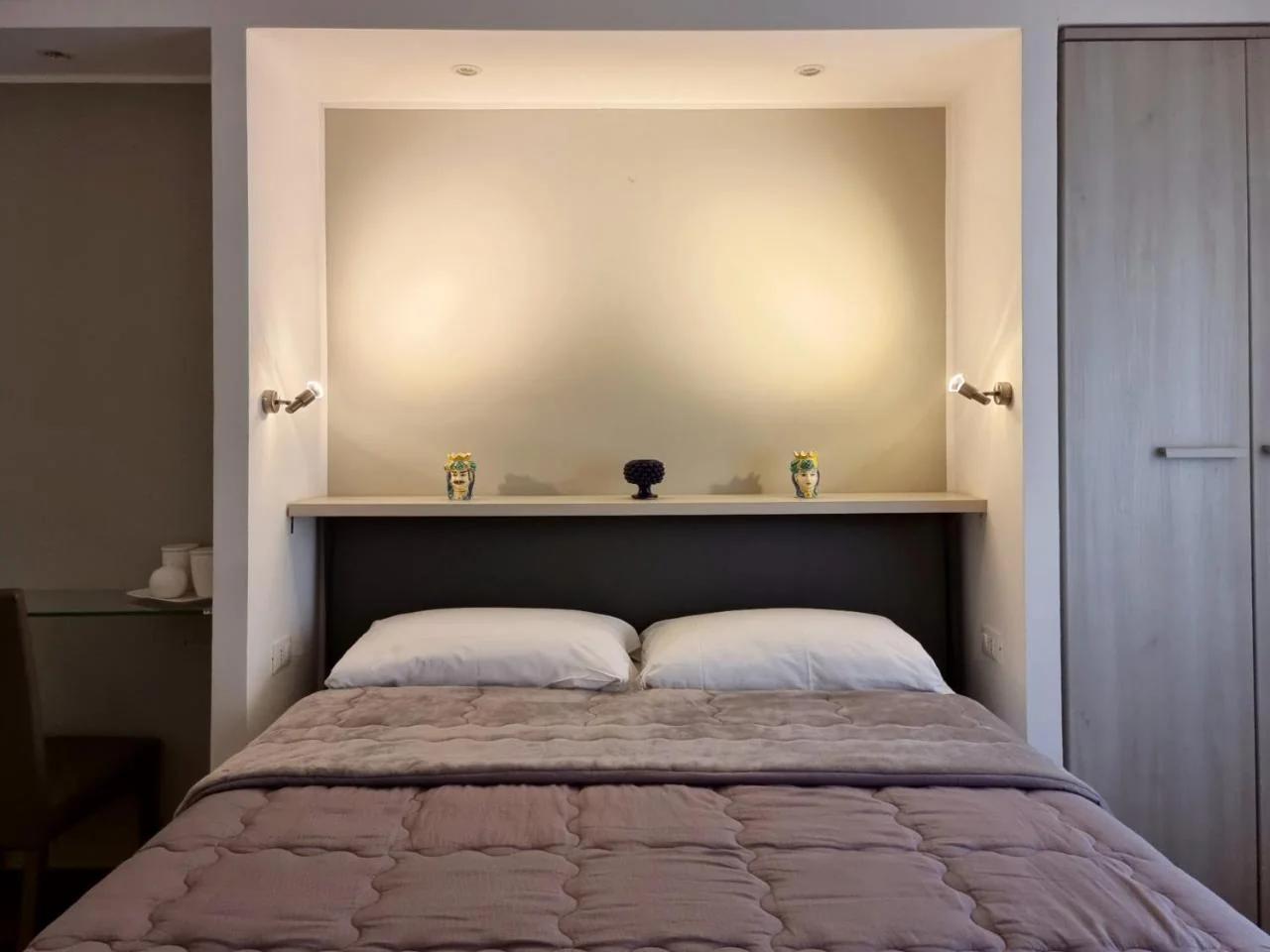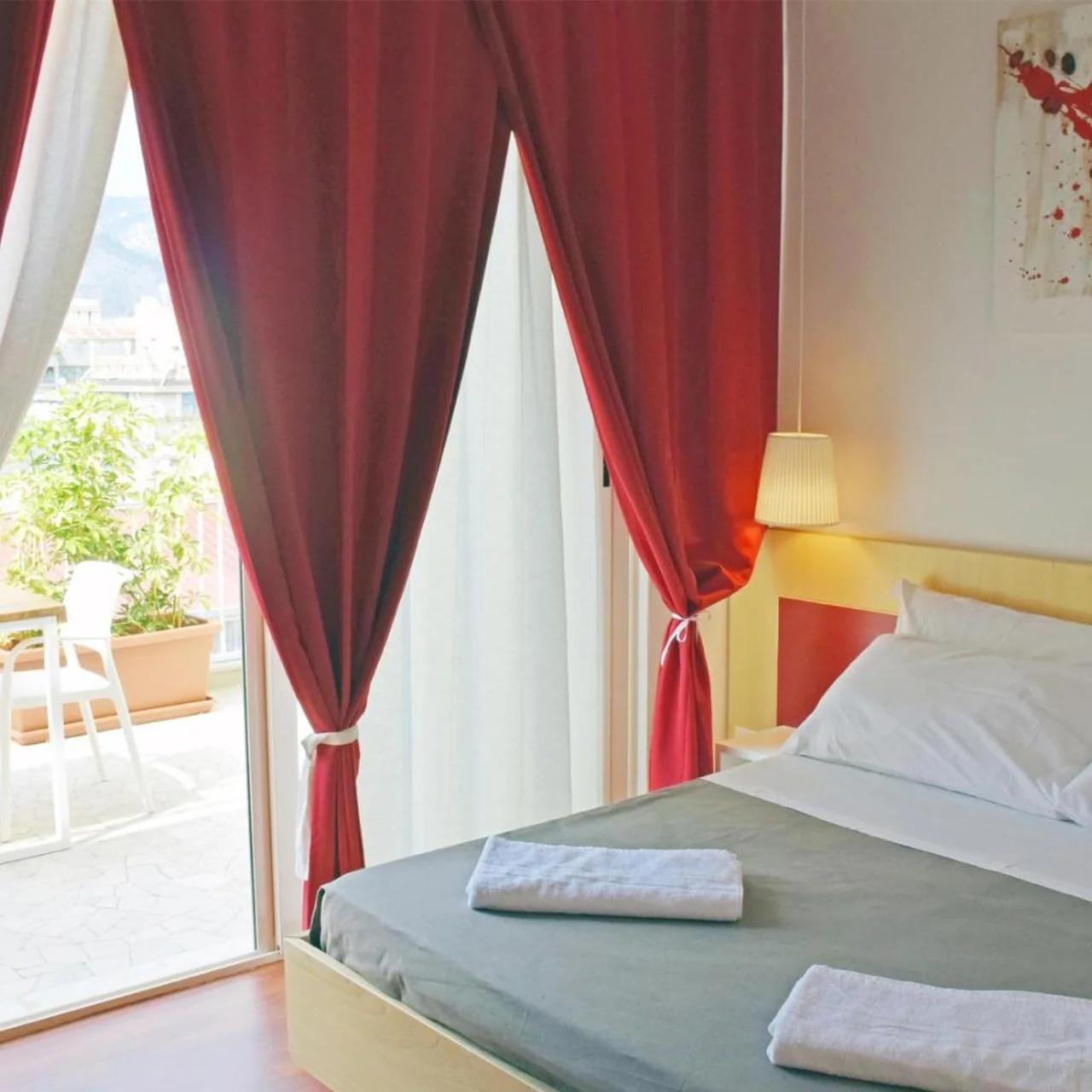

Hotels near Palazzo dei Normanni
Palermo · 26 hotels nearby (showing closest 20)
Photo by Lothar Boris Piltz on Unsplash
About Palazzo dei Normanni
Standing at the heart of Palermo, the Palazzo dei Normanni — also known as the Royal Palace — is one of the oldest royal residences in Europe and a defining symbol of Sicily's layered history. Built by the Arabs in the ninth century and later expanded by the Normans in the twelfth century, this palace has served as the seat of kings, emperors, and today houses the Sicilian Regional Assembly.
A Palace Shaped by Many Civilizations
The building's architecture reflects the remarkable cultural crossroads that defined medieval Sicily. Norman kings, particularly Roger II, transformed the original Arab fortress into a grand royal complex, blending Islamic, Byzantine, and Norman architectural traditions. The result is a structure that speaks to centuries of political power and artistic ambition. The palace's towers, including the prominent Torre Pisana, were used as astronomical observatories — a testament to the intellectual culture that flourished here under Norman rule.
The Cappella Palatina and Surrounding Highlights
Within the palace walls sits the Cappella Palatina, a jewel of medieval art featuring golden Byzantine mosaics that cover nearly the entire interior. This chapel alone draws visitors from across the world. Outside the palace, Palermo Cathedral and the vibrant Ballarò Market are both within easy walking distance, making this area one of the city's most rewarding neighborhoods to explore on foot.
Practical Tips
- Opening hours: The palace is generally open Monday to Saturday, with limited access on Sundays due to parliamentary sessions. Always check current schedules before visiting.
- Tickets: Combined tickets covering the palace and Cappella Palatina are available and offer good value.
- Best time to visit: Arrive early in the morning to avoid crowds, especially during summer months.
- Accessibility: Parts of the palace have elevator access, though some historic areas may have limited mobility access.
FAQ
Q: What is the Palazzo dei Normanni famous for? A: It is famous for being one of Europe's oldest royal residences and for housing the Cappella Palatina, renowned for its exceptional Byzantine mosaics.
Q: Can visitors enter the Sicilian Regional Assembly chambers? A: Guided tours sometimes include the assembly hall when parliament is not in session. Check the official schedule in advance.
Q: How long should I plan for a visit? A: Most visitors spend between one and two hours exploring the palace and Cappella Palatina together.
Q: Is the Palazzo dei Normanni a UNESCO World Heritage Site? A: Yes, it is part of the UNESCO-listed Arab-Norman Palermo and the Cathedral Churches of Cefalù and Monreale, inscribed in 2015.
Frequently asked questions
What is the Palazzo dei Normanni famous for?
It is famous for being one of Europe's oldest royal residences and for housing the Cappella Palatina, renowned for its exceptional Byzantine mosaics.
Can visitors enter the Sicilian Regional Assembly chambers?
Guided tours sometimes include the assembly hall when parliament is not in session. Check the official schedule in advance.
How long should I plan for a visit?
Most visitors spend between one and two hours exploring the palace and Cappella Palatina together.
Is the Palazzo dei Normanni a UNESCO World Heritage Site?
Yes, it is part of the UNESCO-listed Arab-Norman Palermo and the Cathedral Churches of Cefalù and Monreale, inscribed in 2015.
Hotels nearby