Hotels in Tuscany
5 cities · 199 hotels
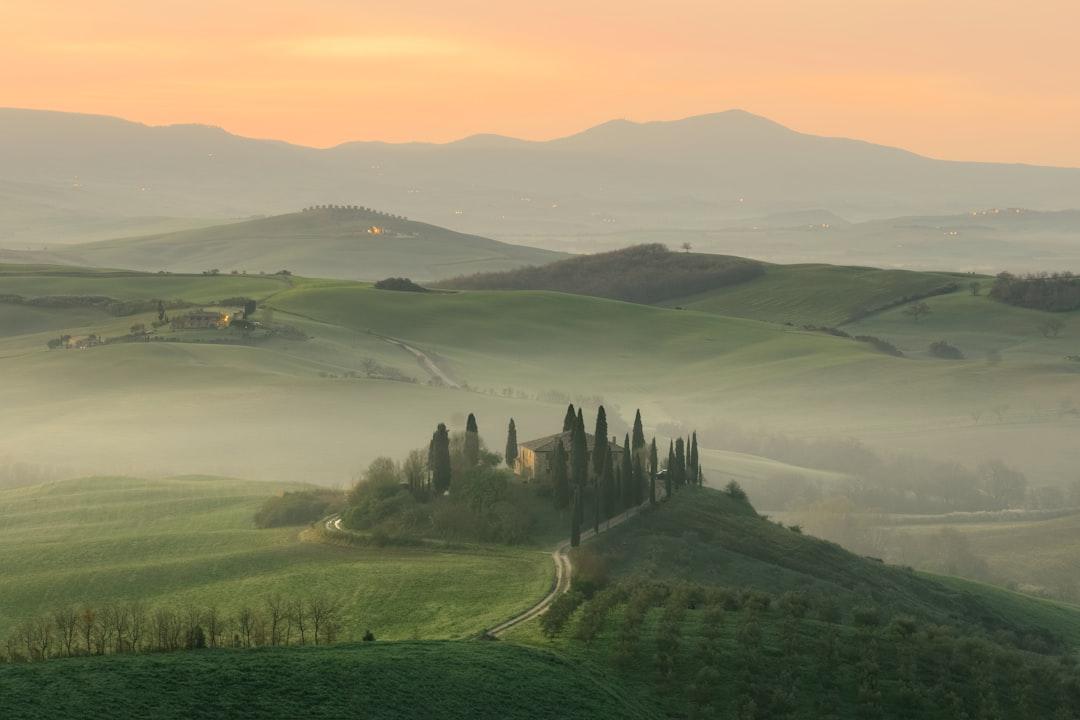
Photo by Engjell Gjepali on Unsplash
Tuscany, the central Italian region stretching from the Apennine mountains to the Tyrrhenian coast, draws millions of visitors each year with its rolling hills, medieval hilltop towns, celebrated wines, and some of the world's most important Renaissance art. Whether you arrive by train into Florence or wind through country roads lined with cypress trees, the region offers a depth of experience that rewards both first-time visitors and repeat travelers.
Art, Architecture, and History
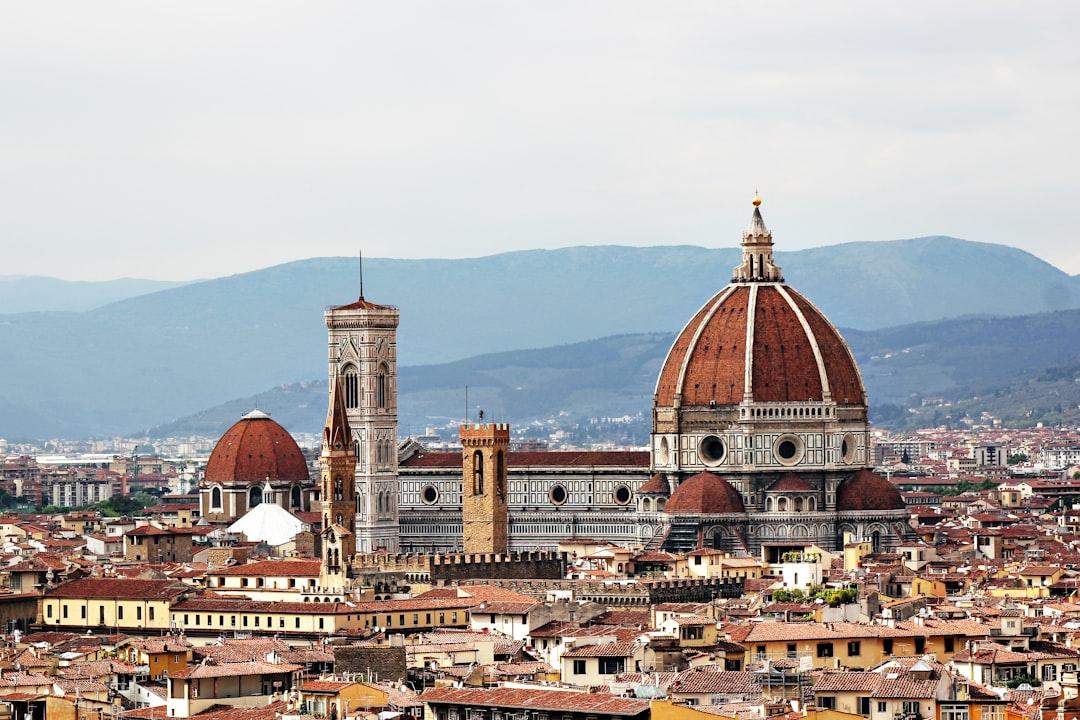
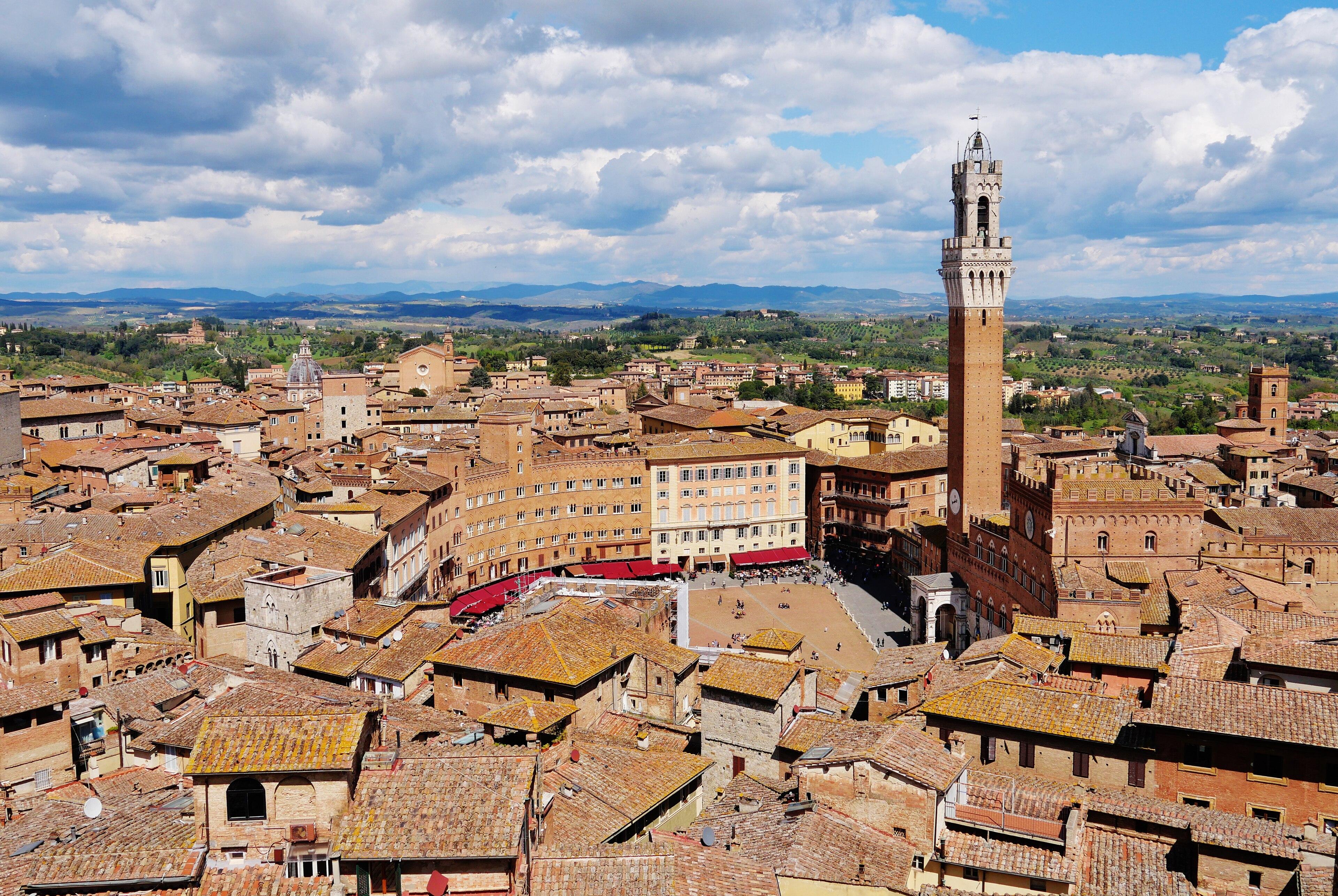
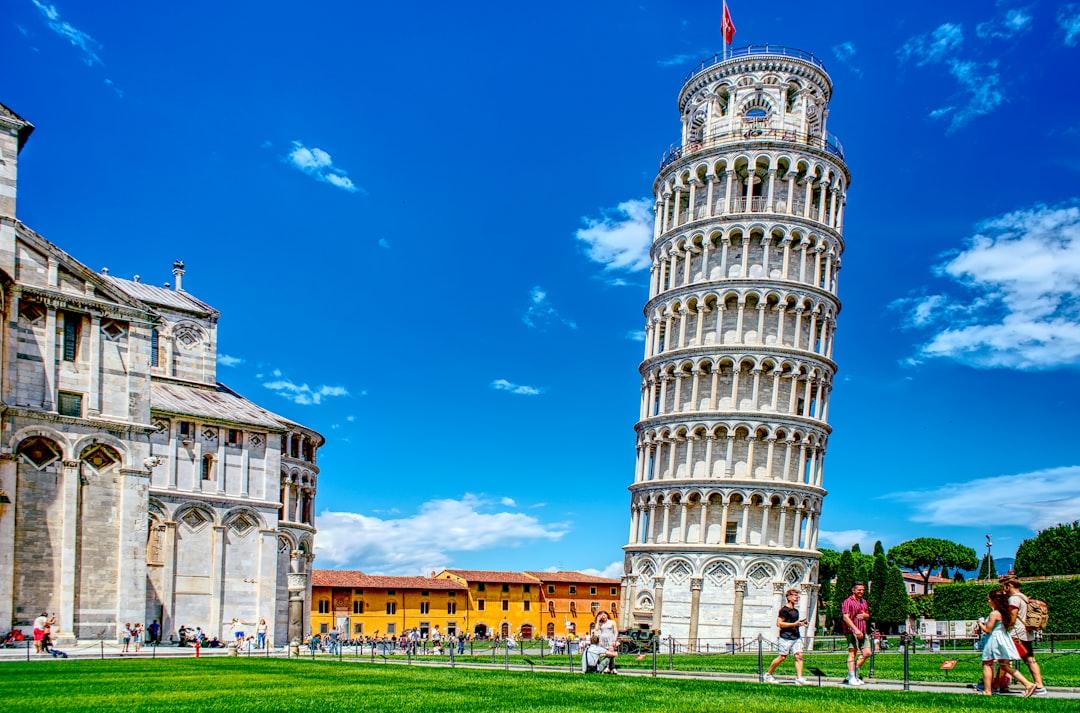
Florence, Tuscany's regional capital, is home to the Uffizi Gallery, one of the oldest and most visited art museums in the world, housing works by Botticelli, Leonardo da Vinci, and Michelangelo. The Florence Cathedral, known as the Duomo, features Brunelleschi's iconic brick dome — an engineering achievement completed in 1436 that still defines the city's skyline. Beyond Florence, Siena's medieval Piazza del Campo hosts the famous Palio horse race twice yearly, while the leaning tower of Pisa draws visitors to the Campo dei Miracoli in the region's northwest.
Wine, Food, and the Tuscan Landscape
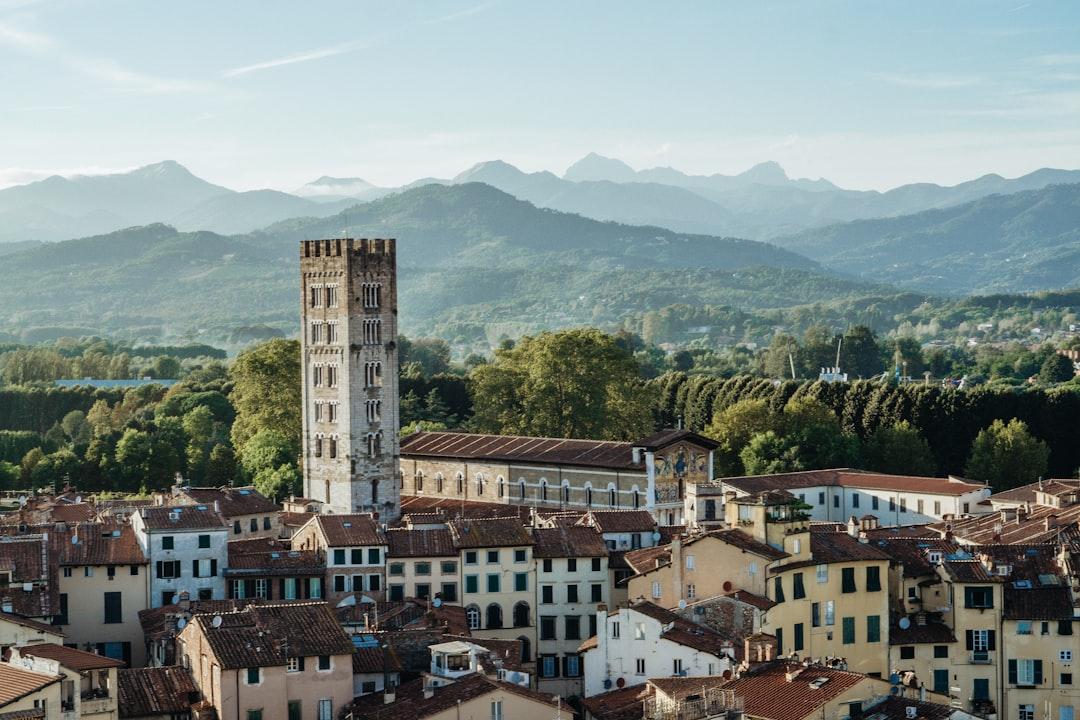
Tuscany is one of Italy's most recognized wine-producing regions. The Chianti Classico zone between Florence and Siena produces Sangiovese-based reds that pair naturally with the region's cuisine — bistecca alla Fiorentina (Florentine T-bone steak), ribollita (a hearty bread and vegetable soup), and pici (thick hand-rolled pasta). The Val d'Orcia, a UNESCO World Heritage landscape in southern Tuscany, is particularly associated with Brunello di Montalcino and Vino Nobile di Montepulciano, two of Italy's most respected red wines. Olive oil production is also central to Tuscan agriculture, with the area around Lucca especially well regarded.
Hilltop Towns and Natural Areas
Beyond the major cities, Tuscany contains dozens of smaller towns that preserve medieval street plans and local traditions. San Gimignano is known for its 14 surviving medieval towers and its production of Vernaccia, a white wine with DOC status since 1966. Volterra, perched on a plateau, has Etruscan and Roman remains alongside intact city walls. For outdoor travelers, the Maremma region along the southern coast offers nature reserves, wild beaches, and the Alta Via dei Monti Liguri hiking trail network. The Garfagnana valley in the northwest provides access to the Apuan Alps, where marble has been quarried since Roman times.
Practical Tips
- Best time to visit: April to June and September to October offer mild temperatures and smaller crowds compared to July and August.
- Getting around: A rental car is the most practical option for exploring rural areas and hilltop towns. Trains connect Florence, Pisa, Siena, and Arezzo reliably.
- Booking in advance: Major museums like the Uffizi require timed entry reservations, especially between June and August.
- Currency and tipping: Italy uses the euro. Tipping is not mandatory but rounding up the bill at restaurants is common.
- Language: Italian is the official language. English is widely spoken in tourist areas but less so in smaller villages.