
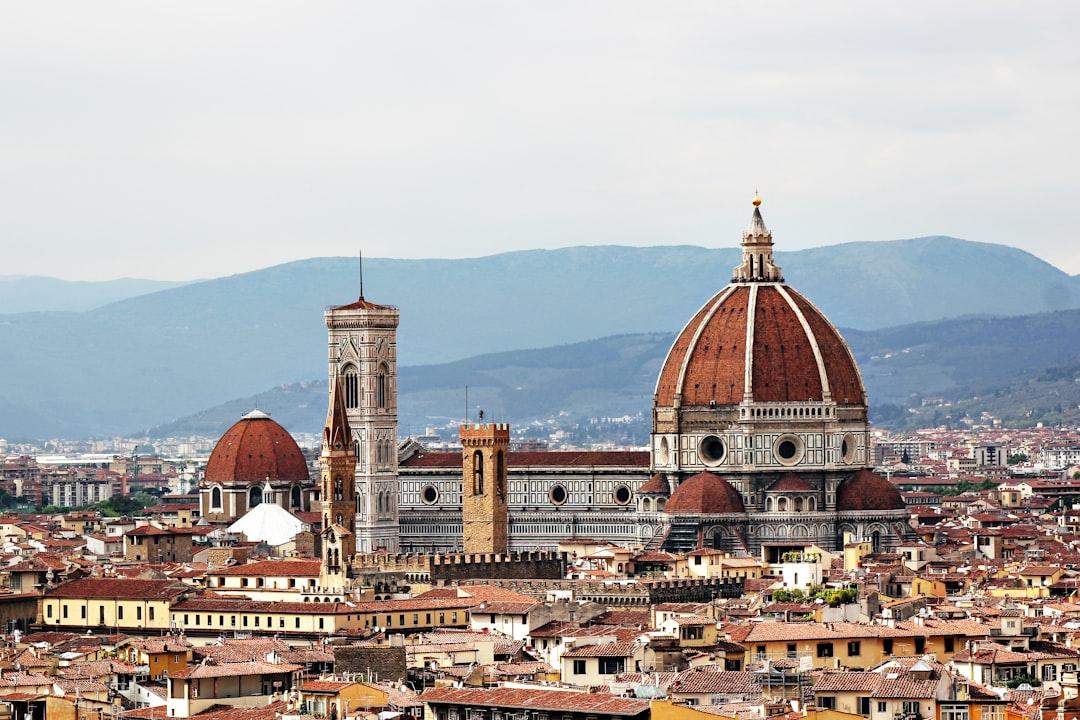
Hotels in Florence
141 hotels across 5 neighborhoods
Browse hotels in Florence, Italy — stay near the 14th-century Duomo or in the Oltrarno quarter. Properties from the historic centre to Santa Croce.
Photo by Jonathan Körner on Unsplash
About Florence
The strongest bases in Florence are the Centro Storico (within walking distance of the Uffizi and Duomo, suits first-time visitors), Oltrarno across the Arno for a quieter, artisan-quarter feel, and Santa Croce for lively streets and good restaurant density. Most visitors stay two to four nights. Florence Santa Maria Novella station puts Bologna 35 minutes away by high-speed rail.
Where to Stay
Centro Storico places guests within 400 metres of the Galleria degli Uffizi and Piazza della Repubblica. Hotels here range from converted Renaissance palazzi to compact three-star properties on narrow medieval lanes. Noise and tourist density are highest in this zone.
Oltrarno, south of the Arno, clusters around Piazza Santo Spirito and the Palazzo Pitti. The neighbourhood retains working workshops and neighbourhood bars that Centro Storico lost decades ago. Good-value guesthouses sit alongside restored boutique hotels.
Santa Croce, east of the Duomo, anchors around the Basilica di Santa Croce (burial site of Michelangelo and Galileo). Streets here carry less coach-tour traffic than the Piazza del Duomo zone.
Getting Around
Florence's historic centre is largely a ZTL (Zona a Traffico Limitato) — rental cars cannot enter without a permit. Walking covers most sights in under 20 minutes. The T1 tramline links Santa Maria Novella station to the western suburbs. Aeroporto di Firenze-Peretola (FLR) is 6 km northwest; taxis take roughly 20 minutes.
Practical Tips
- Book Uffizi tickets at least two weeks ahead; same-day queues exceed two hours in summer.
- Pack a scarf — major churches require covered shoulders and knees year-round.
- Bologna or Pisa make feasible day trips via regional rail (35–60 minutes).
- Hotel check-in often requires passport details for Italian police registration; have documents ready.


Explore attractions

Boboli Gardens
Florence

Duomo (Cattedrale di Santa Maria del Fiore)
Florence

Galleria dell'Accademia
Florence

Piazzale Michelangelo
Florence

Pitti Palace
Florence

Ponte Vecchio
Florence

Santa Maria Novella Station
Florence

Uffizi Gallery
Florence
Curated collections in Florence

Boutique hotels in Florence
Florence · 68 hotels

Budget hotels in Florence
Florence · 3 hotels
Hotels near Santa Maria Novella Station
Florence · 72 hotels
Hotels near Uffizi
Florence · 44 hotels

Hotels with Duomo views
Florence · 54 hotels

Luxury hotels in Florence
Florence · 4 hotels

Romantic hotels in Florence
Florence · 77 hotels
All hotels in Florence
Showing 1–20 of 141 hotels

Santa Maria Novella
Check availability


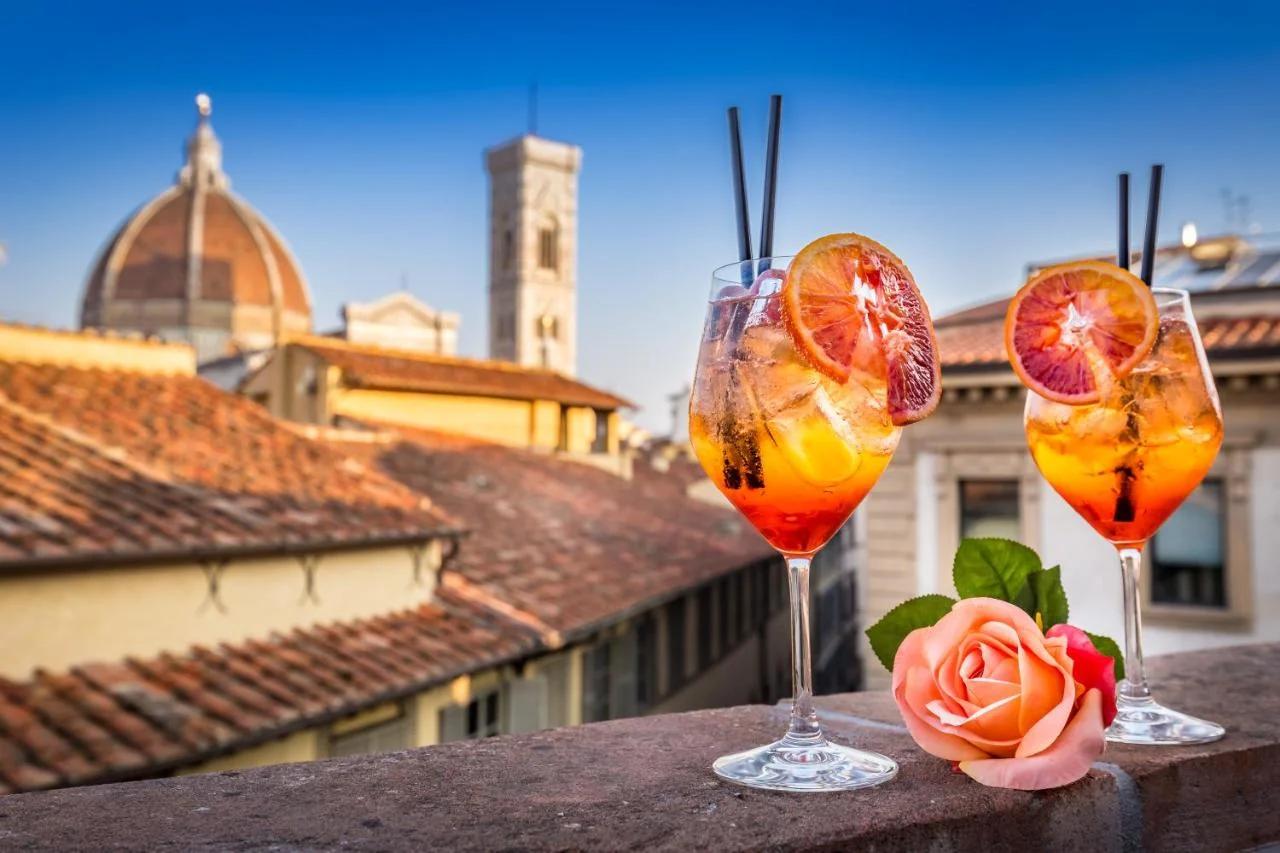


Santa Maria Novella
967 reviews
Check availability

Santa Maria Novella
166 reviews
Check availability
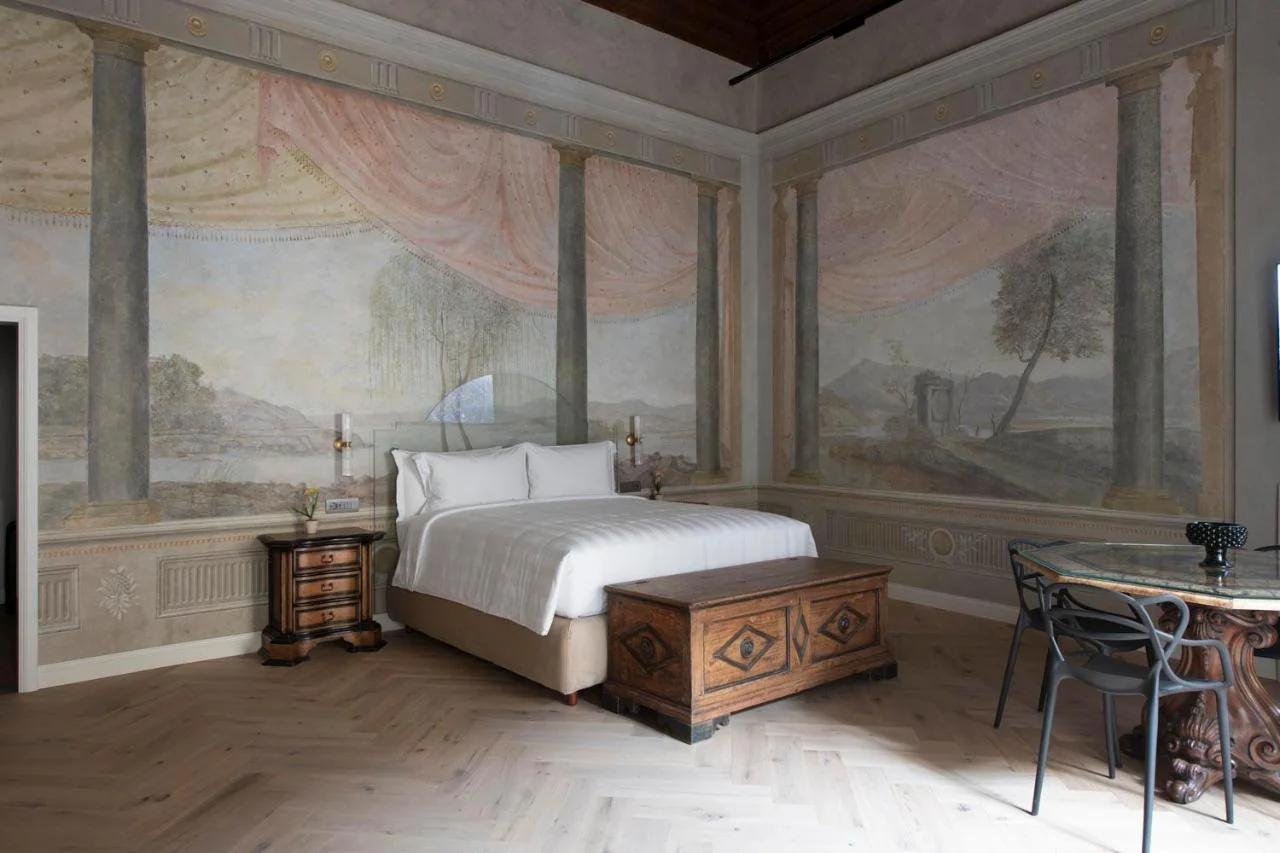


Cities like Florence
Other destinations across Italy within reach.
Read more about Florence
How Many Days in Venice? The Honest Answer
Venice needs at least two days. Here's a practical day-by-day plan covering San Marco, the islands, Dorsoduro, and the Venice most day-trippers never see.
Trastevere vs Monti: Which Rome Neighborhood Is Right for You?
Trastevere has the atmosphere. Monti has the location. A side-by-side comparison to help you pick the right Rome neighborhood.
Rome Travel Guide 2026: Neighborhoods, Food, and Honest Advice
The practical, opinionated Rome guide: which neighborhood to pick, where to eat real carbonara, and why you should book the 8am Vatican slot.