

Hotels in Centro Storico, Florence
57 hotels · 8 nearby attractions· Part of Florence
About Centro Storico
Centro Storico, Florence: The Heart of the Renaissance City
Centro Storico is the historic center of Florence, a UNESCO World Heritage Site and the geographical and cultural core of Tuscany's capital. Compact enough to explore on foot, this district contains an extraordinary density of medieval and Renaissance architecture, world-class museums, and centuries-old streets that have changed little in their fundamental layout since the 15th century.
Art, Architecture, and Landmarks
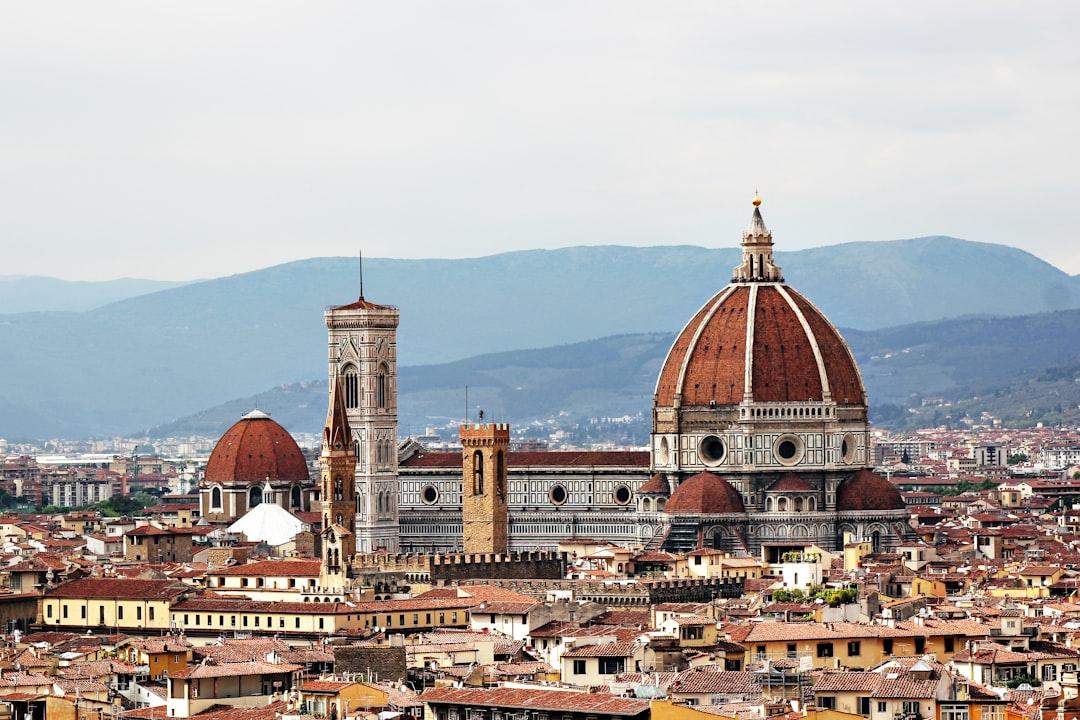
The district is home to some of Italy's most visited cultural sites. The Galleria dell'Accademia, located within Centro Storico's boundaries, houses Michelangelo's original David alongside a collection of Renaissance paintings. The iconic Ponte Vecchio, Florence's oldest bridge, spans the Arno River and has been lined with goldsmiths and jewelers since the 16th century. Across the river, the Pitti Palace — a vast Renaissance palace — anchors the Oltrarno neighborhood and connects to the terraced Boboli Gardens, a formal Italian garden dating to the 1550s. The Cathedral of Santa Maria del Fiore, with Brunelleschi's brick dome, dominates the skyline and remains one of the most recognizable structures in European architecture.
Streets, Markets, and Daily Life
Beyond the major monuments, Centro Storico rewards slow exploration. The Mercato Centrale, a two-story iron-and-glass market building from 1874, offers fresh produce on the ground floor and food stalls above. Narrow streets like Via dei Tornabuoni and Borgo degli Albizi mix high-end boutiques with local bakeries and wine bars. Piazza della Repubblica, built on the site of the ancient Roman forum, serves as a central gathering point with historic cafes along its perimeter.
Practical Tips
- Getting there: Santa Maria Novella Station sits on the northwestern edge of Centro Storico and connects to trains across Italy and regional buses.
- Best time to visit: Spring (April–May) and early autumn (September–October) offer milder temperatures and somewhat smaller crowds than peak summer.
- Book in advance: Entry to the Galleria dell'Accademia and the Cathedral dome requires timed reservations, especially between June and August.
- Wear comfortable shoes: The district is best explored on foot; many streets are cobblestone.
- Museum passes: The Firenze Card covers entry to over 70 museums and monuments and includes skip-the-line access.
Nearby attractions

Ponte Vecchio
Florence

Pitti Palace
Florence

Duomo (Cattedrale di Santa Maria del Fiore)
Florence

Uffizi Gallery
Florence

Boboli Gardens
Florence

Galleria dell'Accademia
Florence

Santa Maria Novella Station
Florence

Piazzale Michelangelo
Florence
Part of Florence
Hotels in Centro Storico
Showing 1–20 of 57 hotels


Santa Maria Novella
Check availability


Santa Maria Novella
967 reviews
Check availability



Santa Croce
56 reviews
Check availability

Santa Maria Novella
1,103 reviews
Check availability


