Hotels in Madagascar
2 cities · 10 hotels
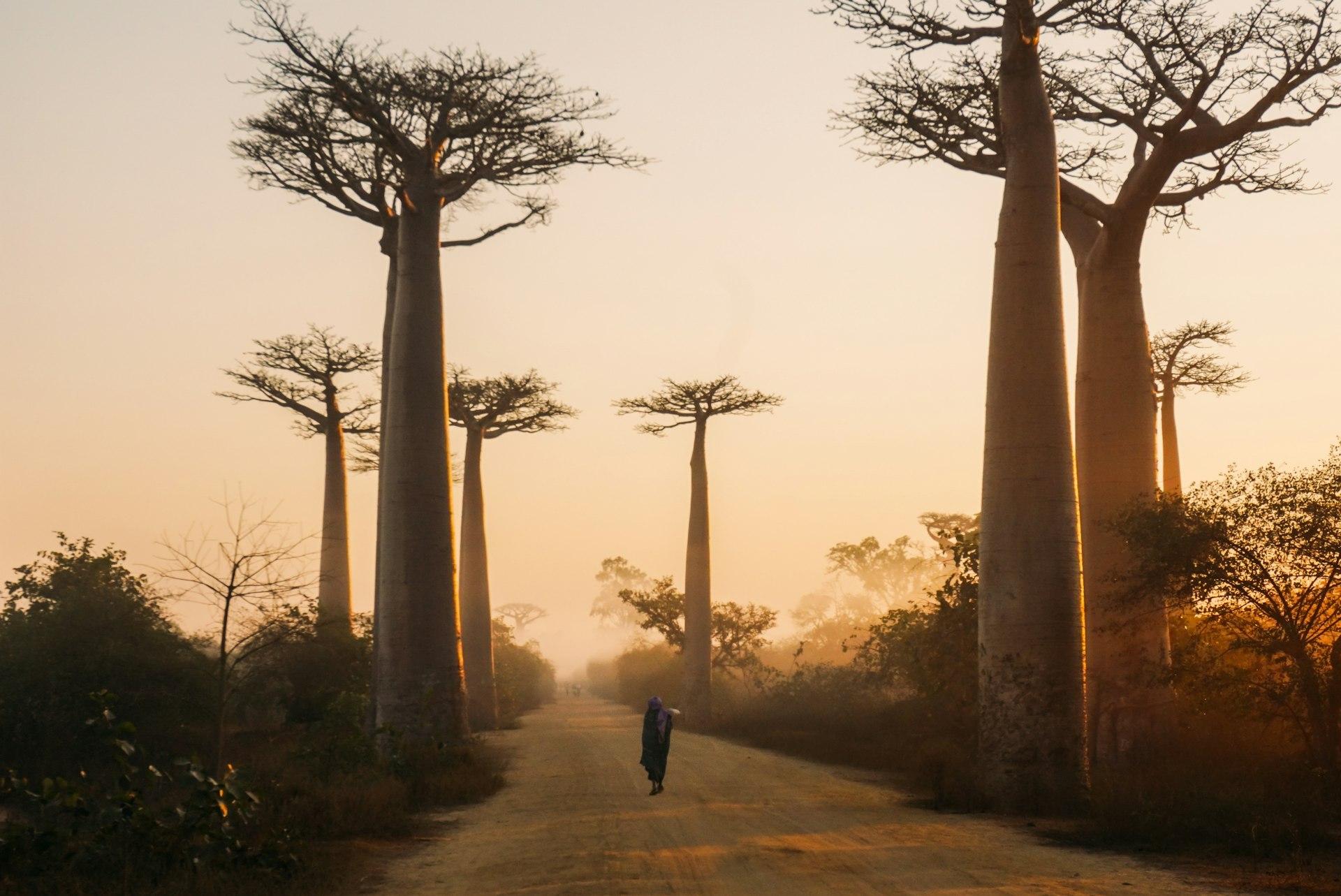
Photo by Yasmine Arfaoui on Unsplash
Madagascar: The Red Island of the Indian Ocean
Madagascar, the world's fourth-largest island at 587,041 km², separated from the African mainland 88 million years ago and evolved in near-total isolation. That isolation produced an extraordinary result: roughly 90% of the island's wildlife exists nowhere else on Earth. Lemurs, chameleons, baobab trees, and orchids here are endemic — the product of millions of years cut off from continental evolution. Travelers arrive primarily to witness this biology firsthand, but the island layers culture, geology, and coast onto every itinerary.
Cities Worth Exploring
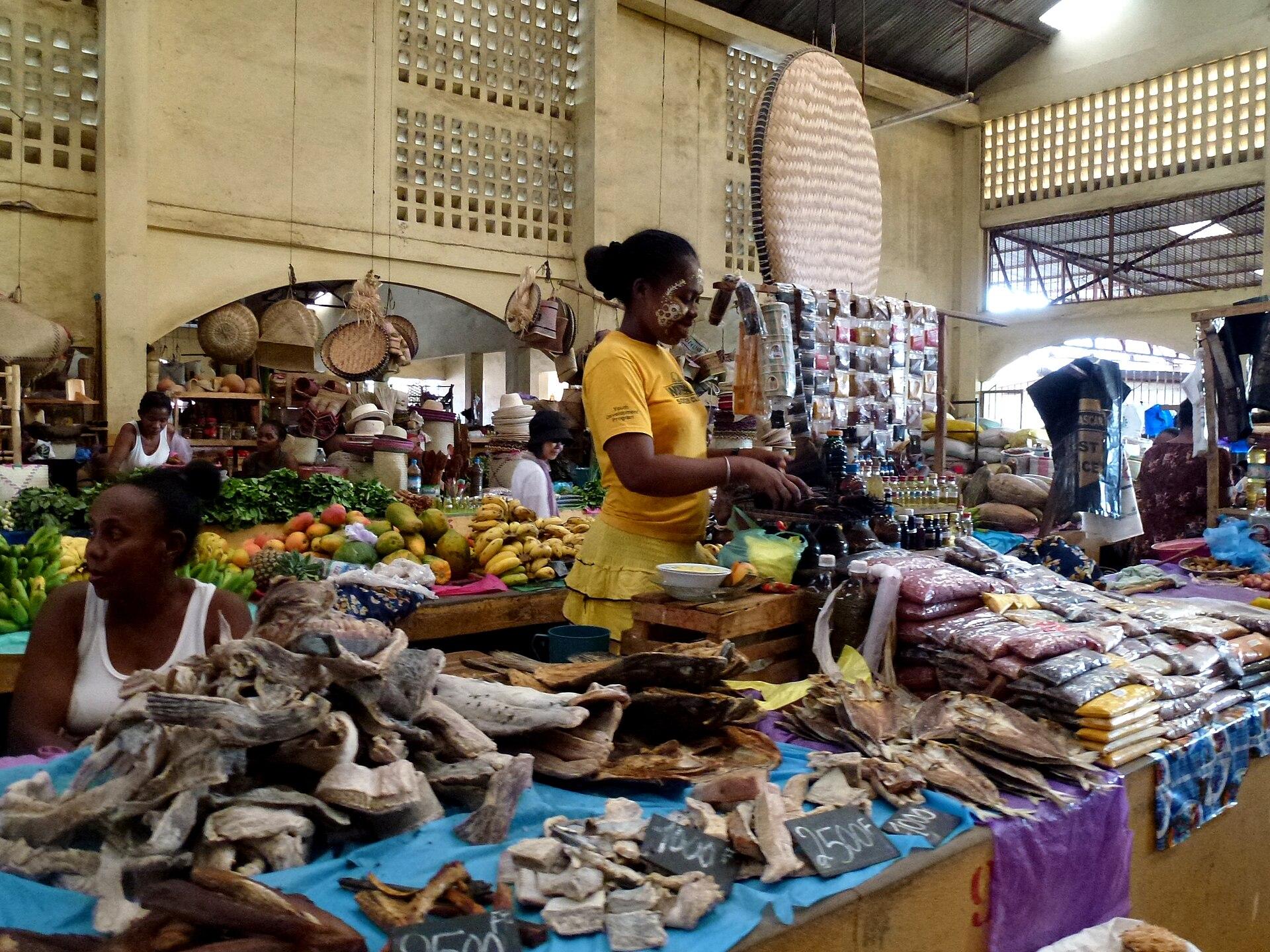
Antananarivo, the capital known locally as Tana, sits on a ridge 1,468 metres above sea level in the central highlands. The Rova of Antananarivo, a royal palace complex dating to the 17th century, anchors the hilltop skyline. The lower town's Analakely market covers several city blocks, selling spices, zebu leather, and vanilla beans. Toamasina (Tamatave), 356 km east of Tana on the Indian Ocean coast, serves as Madagascar's main seaport and gateway to the Canal des Pangalanes, a 600 km inland waterway chain. Diego Suarez (Antsiranana) in the far north anchors access to Montagne d'Ambre National Park and the turquoise bays of the Emerald Sea.
Regions and Natural Landscapes
The western corridor holds the Avenue of the Baobabs near Morondava, where six to eight-century-old Adansonia grandidieri trees line a red dirt road — the most photographed scene in the country. Morondava itself is a 10-hour drive or 90-minute flight southwest of Tana. The southern tip converges on Fort Dauphin (Tôlanaro) and the spiny forest of Berenty Reserve, where ring-tailed lemurs walk along the ground year-round. The eastern rainforest belt — including Ranomafana National Park, a UNESCO World Heritage site since 2007 — shelters golden bamboo lemurs and over 100 bird species. Offshore, Nosy Be island in the northwest operates as the country's primary beach resort zone, with dive sites along the Mitsio Archipelago reaching 40-metre walls.
When to Visit Madagascar
The dry season runs April through October across most of the country, making travel practical on unpaved roads that become impassable during cyclone season (January–March). The highlands are coolest June through August, with overnight temperatures near 10 °C in Tana. The south and west remain dry nearly year-round and suit baobab photography at any point outside the December–March rains. Whale watching along the Île Sainte-Marie (Nosy Boraha) east coast peaks July through September, when humpback whales calve in the sheltered bay.
Practical Tips for Visiting Madagascar
- Visa: Most nationalities receive a 30-day tourist visa on arrival at Ivato International Airport (TNR), Antananarivo; extension to 60 days available in-country.
- Currency: The Malagasy Ariary (MGA); USD and EUR are exchangeable in Tana and major tourist towns; carry local currency for rural areas.
- Getting around: Domestic flights on Air Madagascar and Tsaradia connect Tana to Nosy Be, Fort Dauphin, and Morondava; road travel between regions takes multiple days and a 4WD vehicle.
- Health: Yellow fever certificate required if arriving from endemic countries; malaria prophylaxis recommended for coastal and low-altitude areas.
- Languages: Malagasy and French are the official languages; English is spoken at tourist hotels and national park entry points.
Frequently Asked Questions
Q: What is the best base for exploring lemurs in Madagascar? A: Andasibe-Mantadia National Park, 140 km east of Antananarivo, is the most accessible lemur habitat. The indri, Madagascar's largest living lemur, calls from the canopy here year-round and is reliably heard at dawn.
Q: How many hotel options exist in Antananarivo? A: Tana carries the country's densest hotel supply, from guesthouses in the Isoraka neighborhood to 4-star properties on the Analakely ridge. Most international-standard hotels are concentrated along Avenue de l'Indépendance.
Q: Is Madagascar safe for independent travelers? A: Petty theft is a concern in Tana's lower markets and around the taxi-brousse stations; guided itineraries reduce risk in remote areas. The national parks all require licensed local guides, which adds a safety layer for wildlife circuits.
Q: When do humpback whales arrive at Île Sainte-Marie? A: Humpbacks migrate to the sheltered waters off Île Sainte-Marie each July and remain through September. The bay at Baie d'Antongil on the northeast coast also receives significant whale concentrations during the same window.
Q: What currency should travelers carry to rural Madagascar? A: The Malagasy Ariary (MGA) is essential outside Tana and Nosy Be. USD is sometimes accepted at larger lodges but at unfavorable rates; ATMs are limited outside provincial capitals.