Hotels in Mali
1 cities · 1 hotels
Photo by Kagou Dicko on Unsplash
Mali: Saharan Crossroads of Ancient Empires
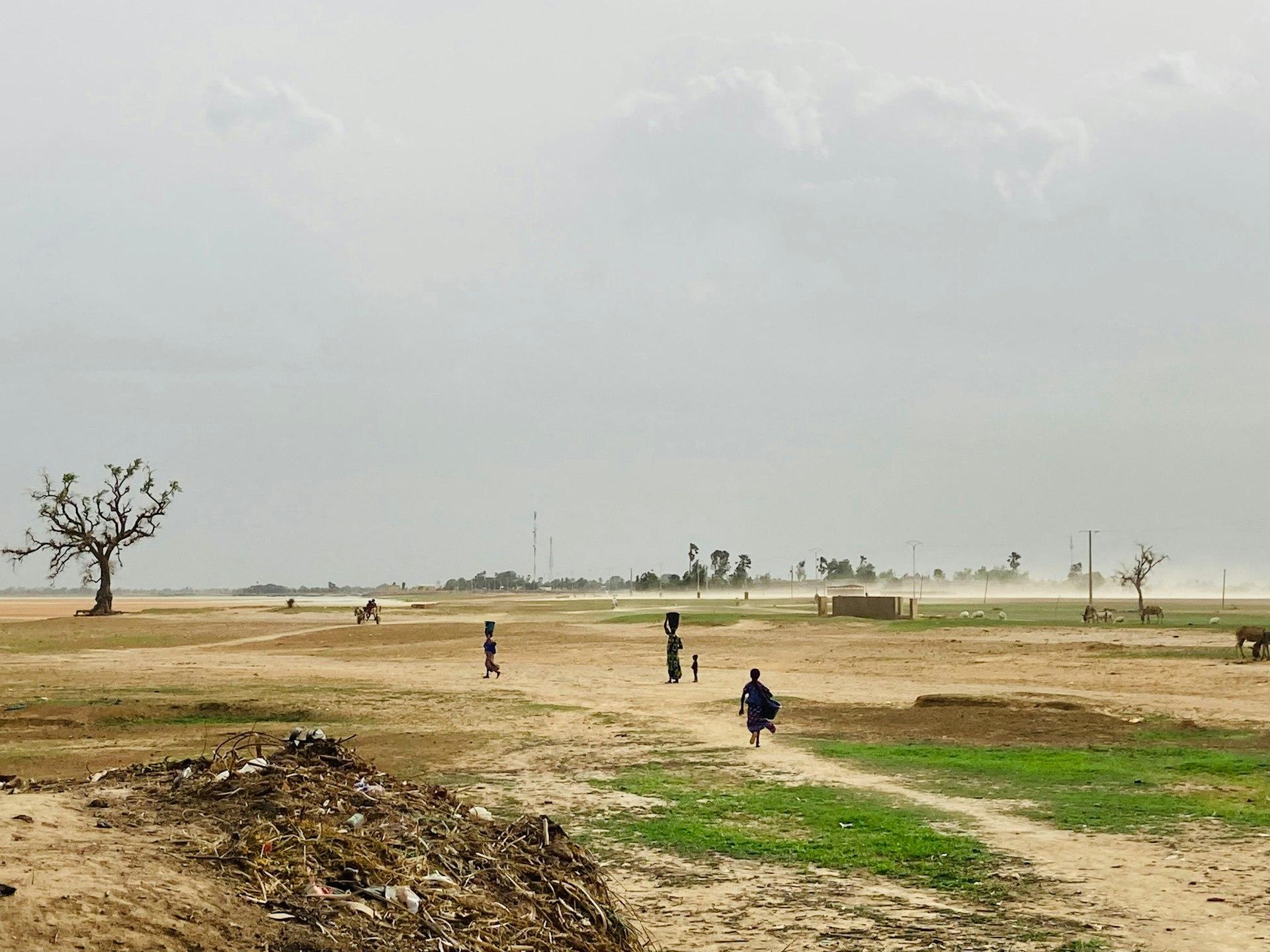
Mali sits at the heart of West Africa, landlocked across 1.24 million km² between the Sahara Desert and the Sudano-Sahelian savanna. The Niger River arcs through the country's southwest, nourishing cities that once controlled trans-Saharan gold-and-salt trade routes. Three medieval empires — the Ghana, Mali, and Songhai — rose and fell here between the 4th and 16th centuries, leaving a legacy of earthen mosques, manuscript libraries, and market culture that still defines daily life. Mali shares borders with seven countries, including Senegal to the west and Algeria to the north, placing it at a genuine geographic and cultural junction between the Arab north and sub-Saharan south.
Cities Worth Exploring
Bamako, the capital on the south bank of the Niger, is home to roughly 2.5 million people and anchors the country's transport network. The Grand Marché in the city centre sells Malian bogolan (mud cloth), gold jewelry, and dried spices. North along the river, Ségou was the 18th-century capital of the Bambara Kingdom and remains a compact historic town with mud-brick architecture and a thriving pottery tradition. Further northeast, Mopti — sometimes called the Venice of Mali — sits on three islands where the Bani and Niger rivers meet, functioning as the main gateway to the Dogon Country cliffs.
The Sahel, the Sahara, and Dogon Country
The Dogon Plateau and Bandiagara Escarpment, a UNESCO World Heritage Site since 1989, extend roughly 150 km along a sandstone cliff face rising up to 500 m. Cliff-side villages such as Tireli and Ende were built into rock overhangs by the Tellem people before the 15th century. Northwest of Bamako, Kayes sits at 49°C summer highs and serves as departure point for treks toward the Tambaoura Falls. The northern city of Timbuktu (Tombouctou), 1,000 km northeast of Bamako, once held 25,000 students at its peak in the 1500s; its three Sudano-Sahelian mosques — Djingareyber, Sankore, and Sidi Yahia — are UNESCO-listed.
When to Visit Mali
The dry cool season, November through February, offers the most practical conditions for travel: temperatures in Bamako average 28°C and the harmattan wind keeps dust manageable. The rainy season runs June to September, swelling the Niger enough for pirogue boat travel between Mopti and Timbuktu — a route that takes three to five days by public pinasse. The Festival au Désert (relocated in recent years but historically held near Timbuktu in January) draws Tuareg musicians and travelers from across the Sahel.
Practical Tips for Visiting Mali
- Visa: Most nationalities require a visa obtained in advance; confirm with the nearest Malian embassy before travel.
- Currency: The West African CFA franc (XOF) is the legal tender; ATMs exist in Bamako but are scarce outside the capital.
- Getting around: Bush taxis (sotrama) connect major towns; domestic flights link Bamako to Mopti and Timbuktu on limited schedules.
- Safety: Check government travel advisories before booking — the northern and central regions have faced security restrictions since 2012.
- Language: French is the official language; Bambara is spoken by roughly 80% of the population as a lingua franca.
- Health: Yellow fever vaccination is required for entry; antimalarial prophylaxis is strongly recommended year-round.
Frequently Asked Questions
Q: What is the best base for visiting the Dogon Country? A: Mopti or the smaller town of Bankass serve as the most common staging points for Dogon Plateau treks. From Mopti, Bandiagara is approximately 70 km by road.
Q: Is Timbuktu accessible to travelers? A: Access depends on current security conditions in the Timbuktu region. When open, flights from Bamako's Modibo Keïta International Airport take around two hours; verify airline schedules and regional advisories before planning.
Q: What language is used in hotels in Mali? A: French is standard in hotels across Bamako and major towns. English-speaking staff are found at some international-category properties in the capital.
Q: What currency do hotels in Mali accept? A: Hotels quote rates in XOF (CFA francs) or sometimes euros. Major hotels in Bamako may accept Visa cards; smaller guesthouses typically require cash.
Q: What is Mali known for culturally? A: Mali is internationally recognized for its griot oral tradition, kora and balafon music, the Timbuktu manuscript collections (estimated at 300,000 documents), and the earthen-mosque architecture of the Niger Bend.