Hotels in Mongolia
1 cities · 8 hotels
Mongolia: Steppe, Sky and the Legacy of the Mongol Empire
Mongolia is a landlocked nation of 1.56 million square kilometres wedged between Russia to the north and China to the south. Fewer than 3.4 million people live here, making it the world's least densely populated sovereign country. The Gobi Desert covers roughly one-third of the southern territory, while the Khangai Mountains rise above 3,500 metres in the west-central highlands. Ulaanbaatar, the capital, sits at 1,350 metres above sea level and holds more than half the national population — an urbanisation story compressed into a single generation.
Cities Worth Exploring
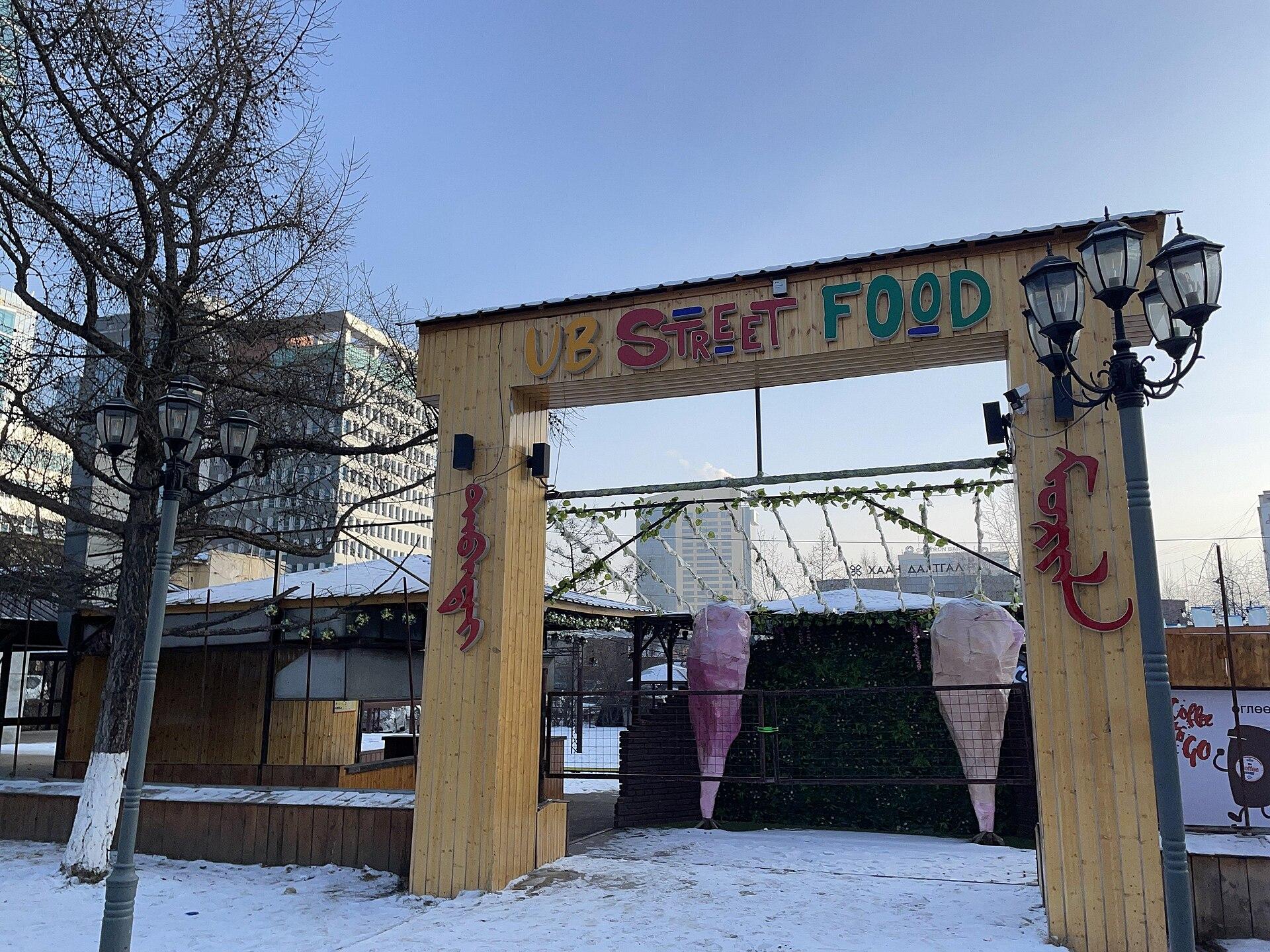
Ulaanbaatar anchors the country's hotel infrastructure. Sukhbaatar Square marks the civic centre, flanked by the Government Palace and the Chinggis Khaan statue complex. The Gandan Monastery, founded in 1835, operates as an active Buddhist site with a 26.5-metre gilded statue of Migjid Janraisig. Beyond the capital, Darkhan (220 km north) serves as a regional base for travellers heading toward Lake Khövsgöl, a freshwater lake holding roughly 70% of Mongolia's fresh water and 2% of the world's. Erdenet, Mongolia's second-largest city, sits near one of the world's largest copper deposits and gives access to the forested Orkhon Valley, a UNESCO World Heritage landscape.
Regions and Landscapes
The country divides into five broad travel zones. The Central Steppe around the Orkhon Valley holds ancient capital ruins at Karakorum (Kharkhorin), where the 13th-century Mongol Empire was governed. The Northern Taiga near Khövsgöl Nuur supports Tsaatan (Dukha) reindeer herders, one of the last nomadic reindeer cultures in the world. The Eastern Steppe — stretching from Khentii Province toward the Chinese border — is the birthplace region of Chinggis Khaan (born c. 1162 near the Onon River). The Gobi in the south encompasses the Khongoryn Els sand dunes (180 km long, up to 300 metres high) and the Yolyn Am ice canyon. The Altai Mountains in the far west host Kazakh eagle hunters, a tradition registered on UNESCO's Intangible Cultural Heritage list in 2010.
When to Visit Mongolia
The continental climate swings from −35 °C in January to +38 °C in July in the Gobi. The core travel window runs June through August, when grasslands are green and ger camps are fully operational. July brings Naadam, Mongolia's national festival of wrestling, archery and horse racing, held 11–13 July each year in Ulaanbaatar. September offers cooler temperatures, golden steppe colours and fewer visitors. Winter travel — November through February — is viable for the Tsagaan Sar (Lunar New Year) cultural experience and for the Golden Eagle Festival (held in Ölgii, Bayan-Ölgii Province, usually early October).
Practical Tips for Visiting Mongolia
- Getting around: Domestic flights connect Ulaanbaatar to Mörön (Khövsgöl gateway) and Ölgii in under two hours; overland jeep hire is standard for steppe routes without paved roads.
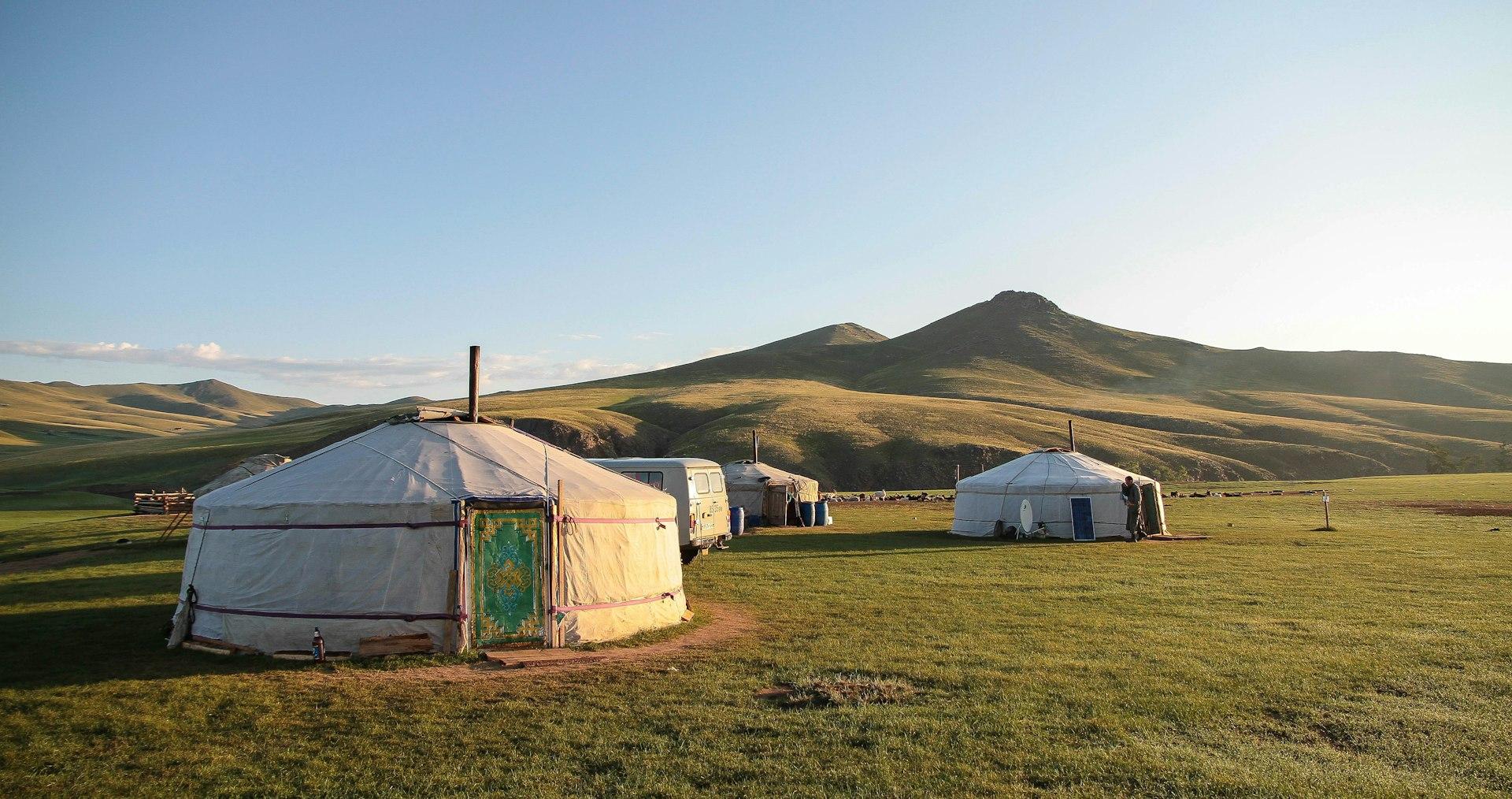
- Accommodation: Hotels concentrate in Ulaanbaatar; ger camps operate across the countryside from June to September, ranging from basic family gers to semi-fixed tourist camps.
- Currency: The Mongolian Tögrög (MNT); USD and CNY are exchangeable in Ulaanbaatar; card acceptance outside the capital is limited.
- Visas: Citizens of 60+ countries enter visa-free for stays up to 30 days as of 2023 — confirm current bilateral status before travel.
- Altitude and weather: Pack windproof layers even in July; temperatures can drop 15 °C after sunset on the steppe.
Frequently Asked Questions
Q: What is the best base city for hotels in Mongolia? A: Ulaanbaatar holds the largest concentration of hotels, from international-brand properties near Sukhbaatar Square to guesthouses in the Zaisan district. Most multi-region itineraries begin and end here due to its central transport links.
Q: Are ger camps a reliable alternative to hotels? A: Ger camps operate reliably from June through September across the Orkhon Valley, Khövsgöl and Gobi regions. Facilities vary — higher-category camps include private bathrooms and generator power; basic family camps share communal facilities.
Q: When does the Naadam festival take place? A: Naadam runs 11–13 July every year. The main ceremonies and wrestling rounds occur at the National Sports Stadium in Ulaanbaatar; regional Naadam events take place in smaller towns on the same dates.
Q: How do travellers reach Lake Khövsgöl? A: The fastest route is a 55-minute domestic flight from Ulaanbaatar to Mörön, followed by a 100 km overland transfer to the lake shore at Khatgal village. Overland from Ulaanbaatar takes approximately 14–16 hours by vehicle.
Q: What currency do hotels in Mongolia accept? A: Ulaanbaatar hotels commonly accept USD and accept Visa/Mastercard. Outside the capital, the Mongolian Tögrög in cash is the practical standard; ATMs exist in Darkhan and Erdenet but are scarce in rural provinces.