
Hotels near Blue Streets of Chefchaouen
Chefchaouen · 35 hotels nearby (showing closest 20)
Photo by Zarouri Hicham on Unsplash
About Blue Streets of Chefchaouen
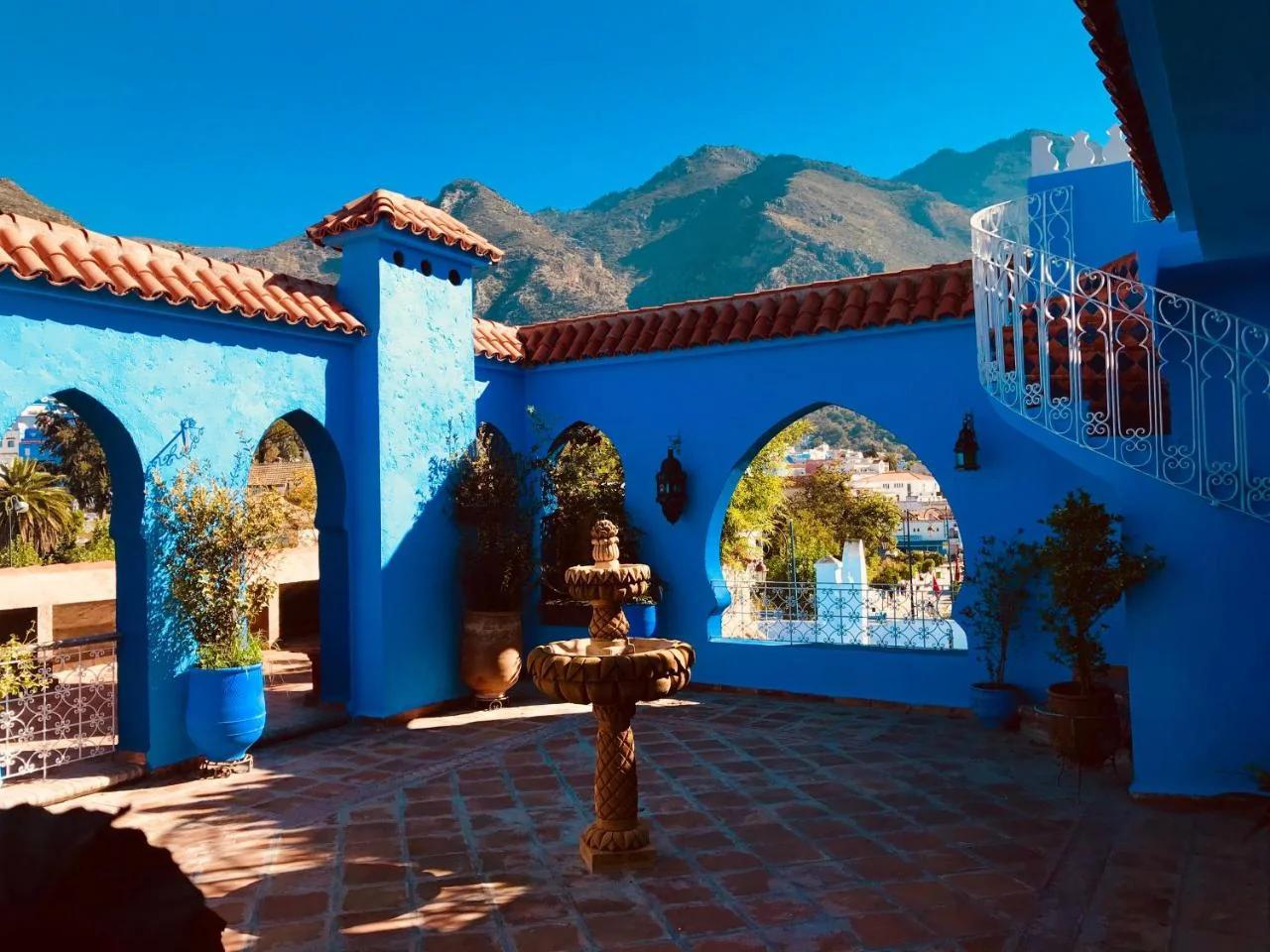
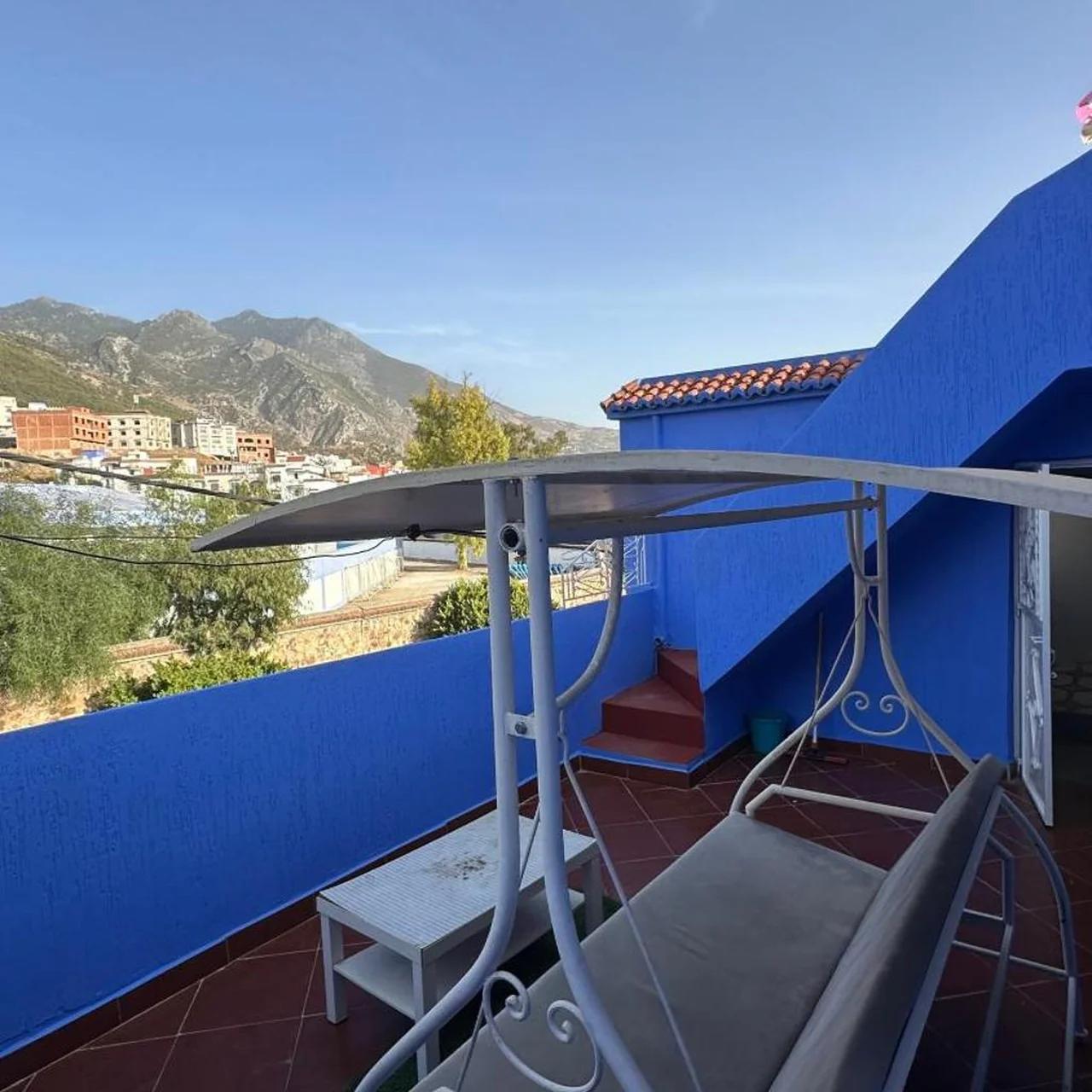
The Blue Streets of Chefchaouen are one of Morocco’s most distinctive sights. Set in the Rif Mountains, this small town is famous for its blue-washed buildings, creating a serene and photogenic atmosphere. The tradition of painting the town blue dates back centuries, with theories linking it to Jewish heritage, spiritual symbolism, or simply a way to keep the streets cool. Walking through the narrow, winding alleys feels like stepping into a dreamy, otherworldly place.
Frequently asked questions
Why are the streets of Chefchaouen painted blue?
The blue paint is a tradition with multiple explanations. It is often linked to Jewish refugees in the 1930s, who used blue for spiritual reasons, and to Muslim residents who continued the practice. The color is also said to repel mosquitoes and keep homes cool.
Where is Chefchaouen located?
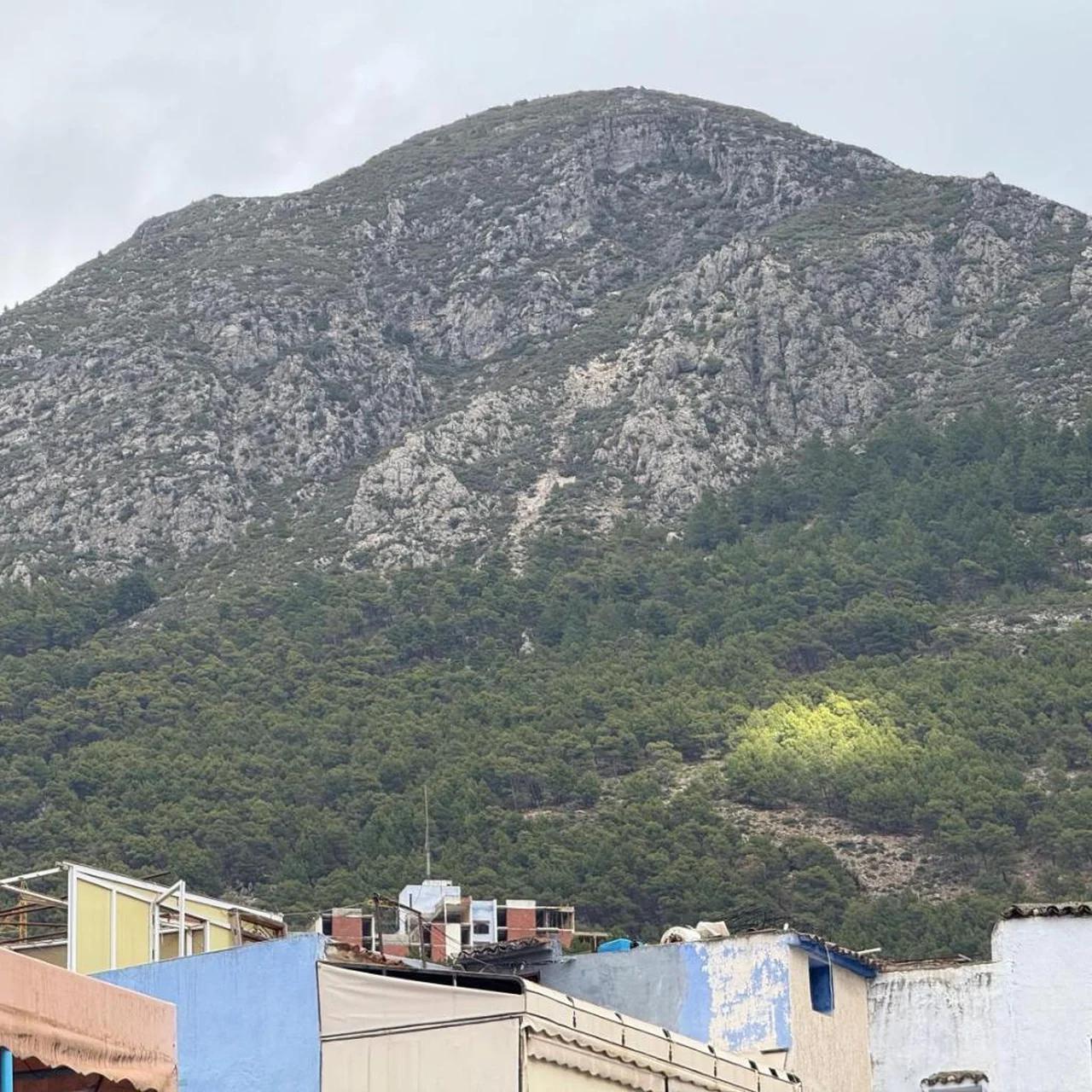
Chefchaouen is a city in northern Morocco. It is situated in the Rif Mountains, approximately 110 kilometers south of Tangier. The city is the capital of the Chefchaouen Province.
When was Chefchaouen founded?
Chefchaouen was founded in 1471. It was established by Moulay Ali Ben Moussa as a fortress to defend against Portuguese invasions. The medina—the old town with the blue streets—dates from this period.
What can you do in the Blue Streets?
Visitors can walk the narrow, blue-painted lanes of the medina. Activities include shopping for local wool garments and crafts, visiting the historic Kasbah, and taking photographs. The area is primarily pedestrian.
Is Chefchaouen a good day trip from Tangier?
Yes, Chefchaouen is a popular day trip from Tangier. The drive takes about two to three hours each way, covering roughly 110 kilometers. Many organized tours and buses make the journey.
What is the Kasbah in Chefchaouen?
The Kasbah is a historic fortress and garden in the medina. It was built in the 18th century and now houses a museum with local artifacts. The Kasbah's tower offers views over the blue-painted town.
Hotels nearby