
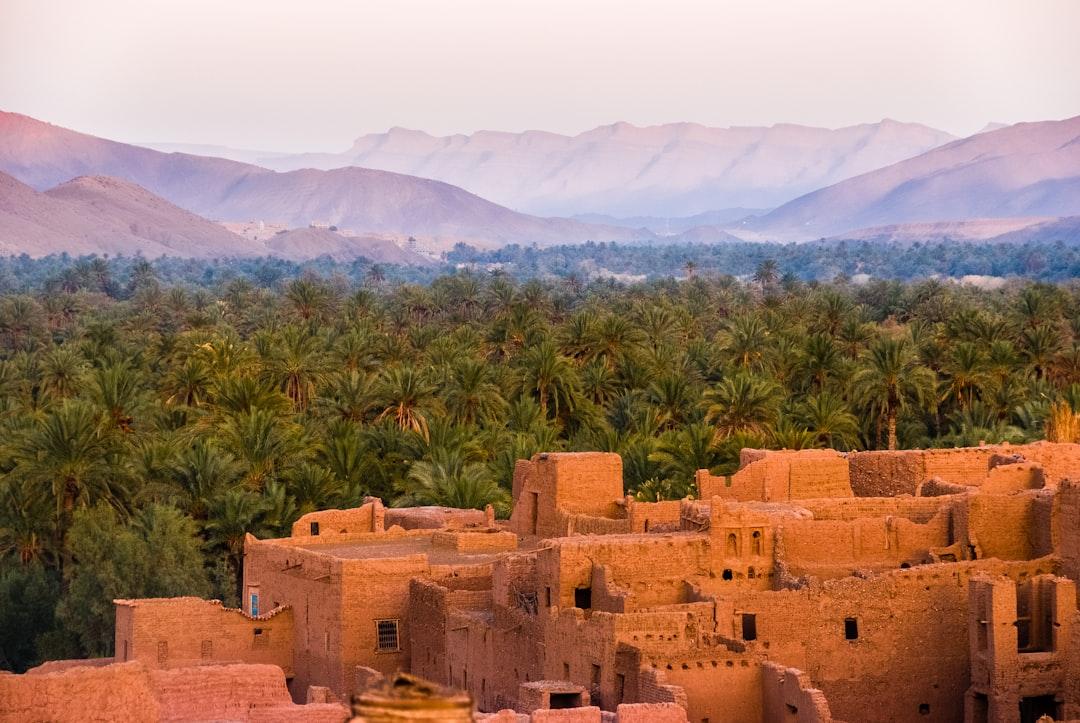
Hotels in Morocco
32 cities · 1081 hotels
Photo by Sergey Pesterev on Unsplash
Morocco — Hotels & Travel Guide
Morocco sits at the northwestern tip of Africa, where the Atlantic Ocean meets the Mediterranean Sea and ancient Saharan trade routes converge. With a country code of MA and a passport that stamps itself into memory, Morocco offers travelers a vivid blend of Berber heritage, Arab culture, and French colonial influence — all packed into one compact, endlessly rewarding destination.
Imperial Cities and Medina Life
Morocco's four imperial cities — Fez, Marrakech, Meknes, and Rabat — each tell a different chapter of the country's history. Fez is home to one of the world's oldest continuously operating universities and a medina so intricate that getting lost is practically part of the itinerary. Marrakech draws visitors to its famous Djemaa el-Fna square, where snake charmers, storytellers, and food stalls animate the evenings. Exploring the narrow alleyways of any medina reveals riads, hammams, and souks that have operated for centuries.
Desert, Mountains, and Coast
Beyond the cities, Morocco's landscapes shift dramatically. The High Atlas Mountains divide the country and offer trekking routes that lead to Berber villages rarely touched by mass tourism. Further south, the Sahara Desert begins near Merzouga, where travelers can ride camels across golden dunes and sleep under a sky full of stars. Along the Atlantic coast, towns like Essaouira combine whitewashed Portuguese ramparts with a laid-back surf culture, while Agadir caters to beach-seekers with a modern resort strip.
Food, Souks, and Craftsmanship
Moroccan cuisine is a highlight in itself. Tagines slow-cooked with preserved lemons and olives, fluffy couscous served on Fridays, and pastilla — a sweet-savory pastry — represent just a fraction of what the country's tables offer. Mint tea, poured from a height to create froth, is both a drink and a ritual of hospitality. The souks of Marrakech and Fez are legendary for handwoven carpets, leather goods, ceramic tiles, and brass lanterns — bargaining is expected and part of the experience.
Practical Tips
- Currency: The Moroccan Dirham (MAD) is the official currency. ATMs are widely available in cities.
- Language: Arabic and Tamazight (Berber) are official languages; French is widely spoken in business and tourism settings.
- Best time to visit: Spring (March–May) and autumn (September–November) offer the most comfortable temperatures across most regions.
- Getting around: Trains connect major cities efficiently; intercity buses and grand taxis cover smaller towns.
- Dress code: Modest dress is appreciated, especially in rural areas and religious sites.
- Visas: Many nationalities, including EU and US citizens, can enter Morocco visa-free for up to 90 days — always confirm current requirements before travel.
Cities in Morocco
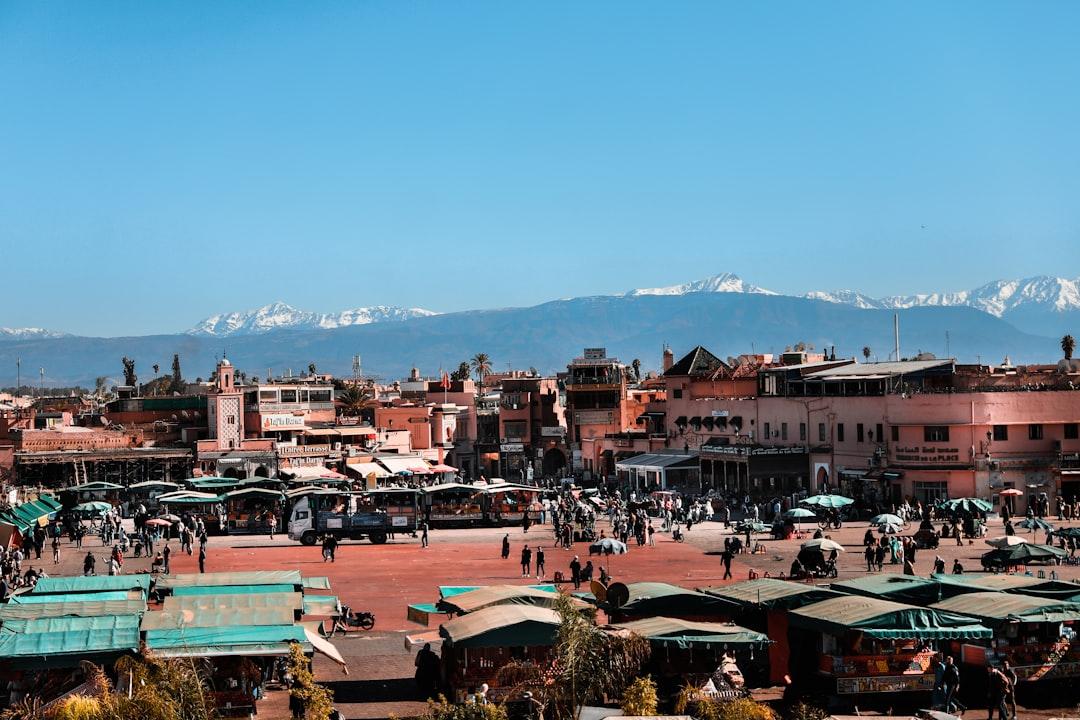
Marrakech hotels
Morocco · 195 hotels
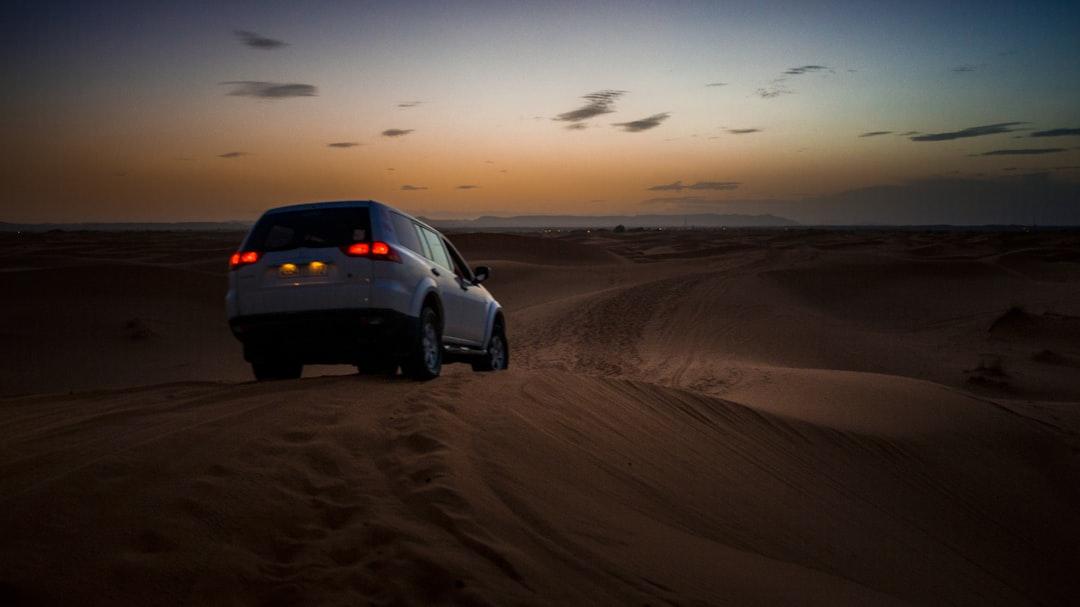
Merzouga hotels
Morocco · 151 hotels
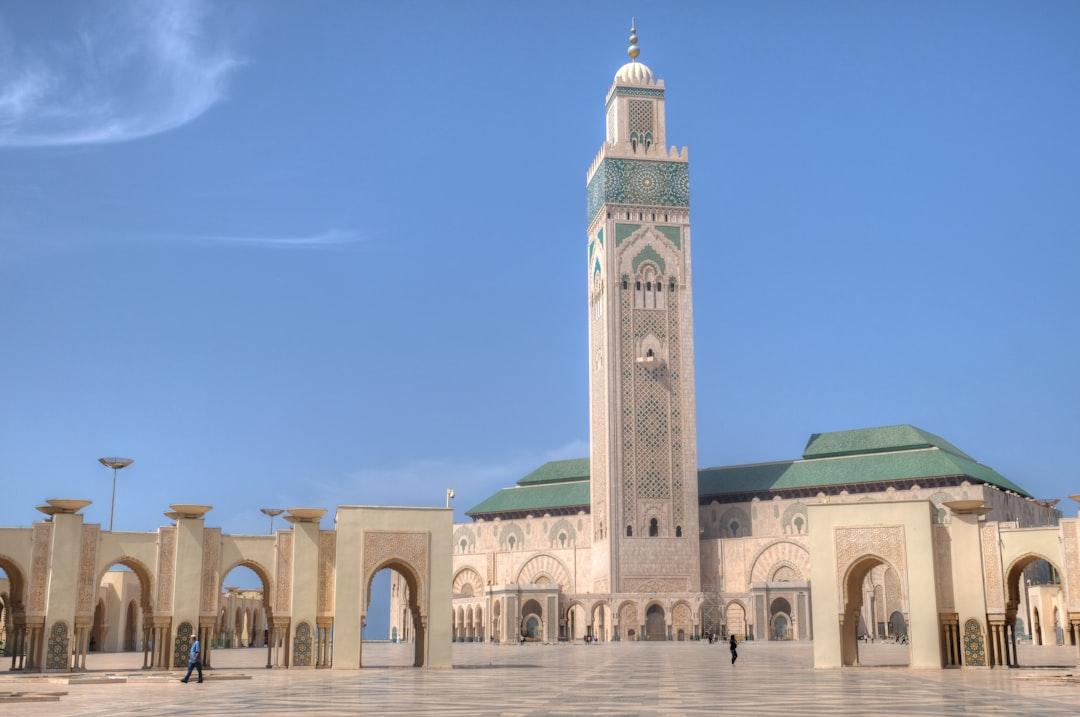
Casablanca hotels
Morocco · 133 hotels
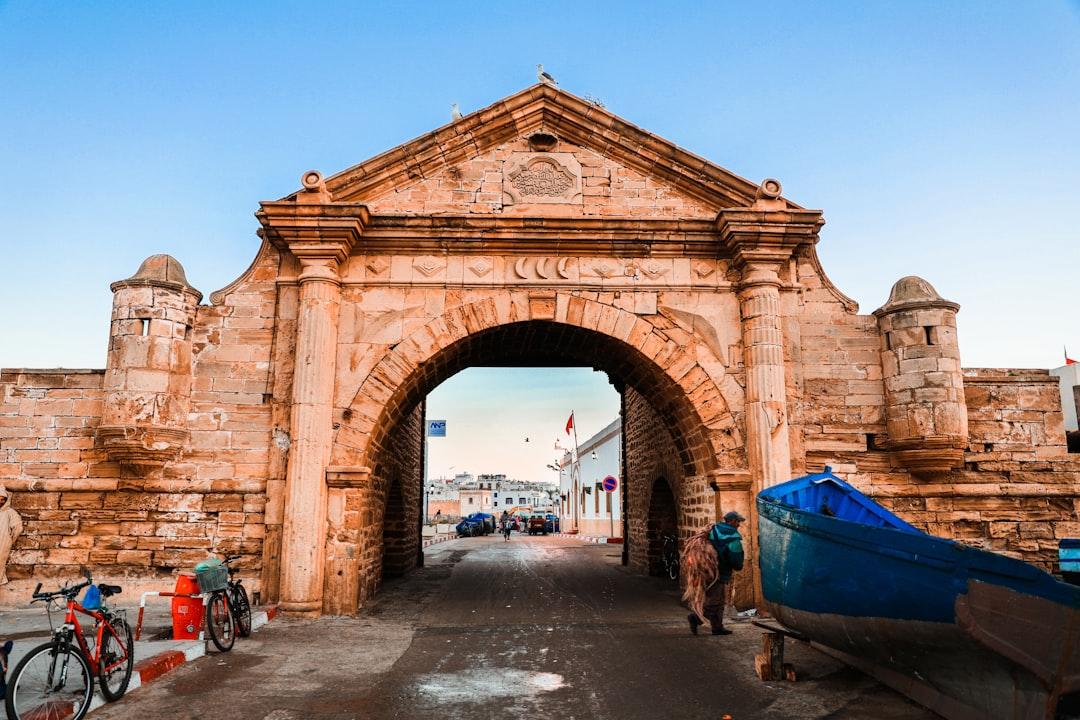
Essaouira hotels
Morocco · 112 hotels
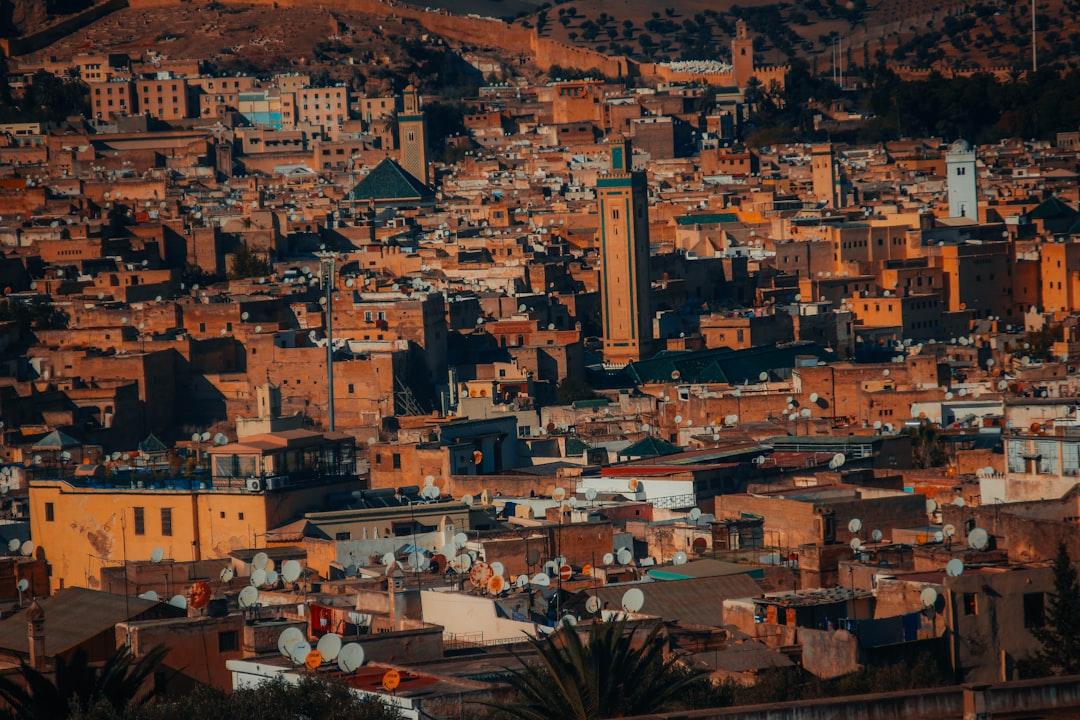
Fez hotels
Morocco · 90 hotels
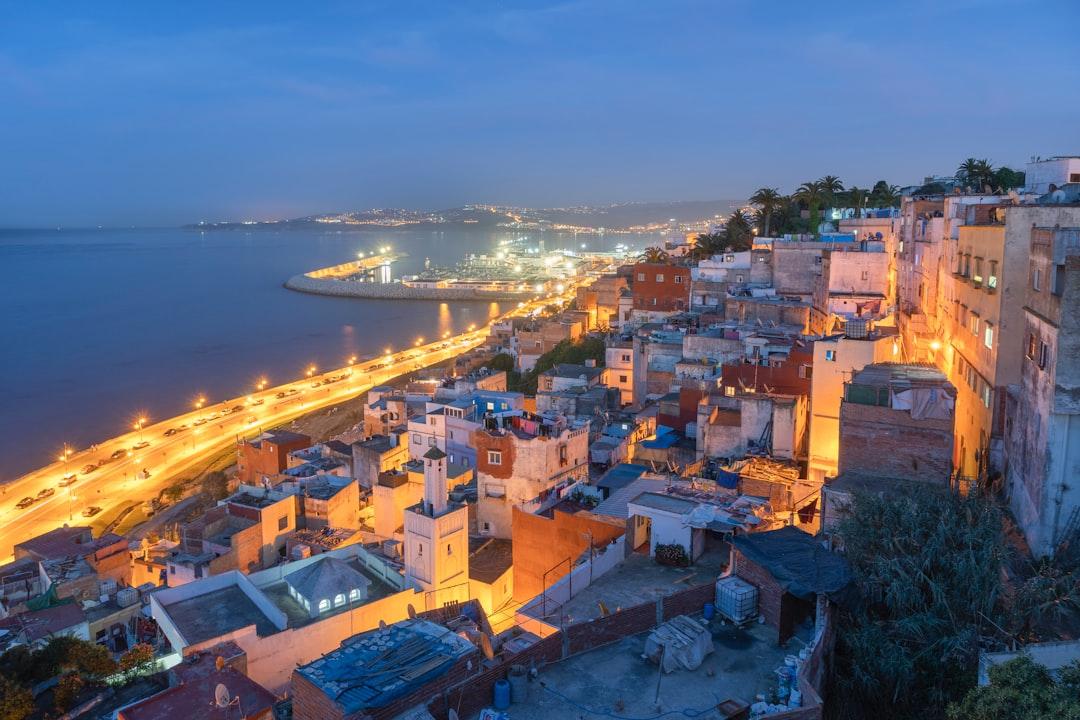
Tangier hotels
Morocco · 81 hotels
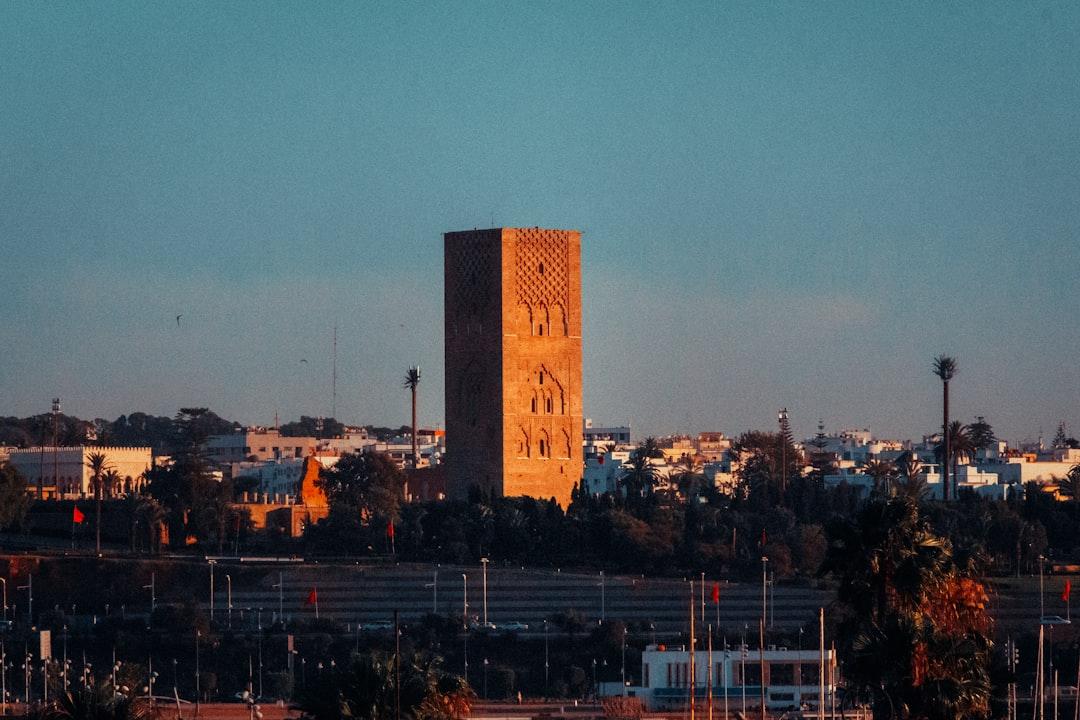
Rabat hotels
Morocco · 75 hotels
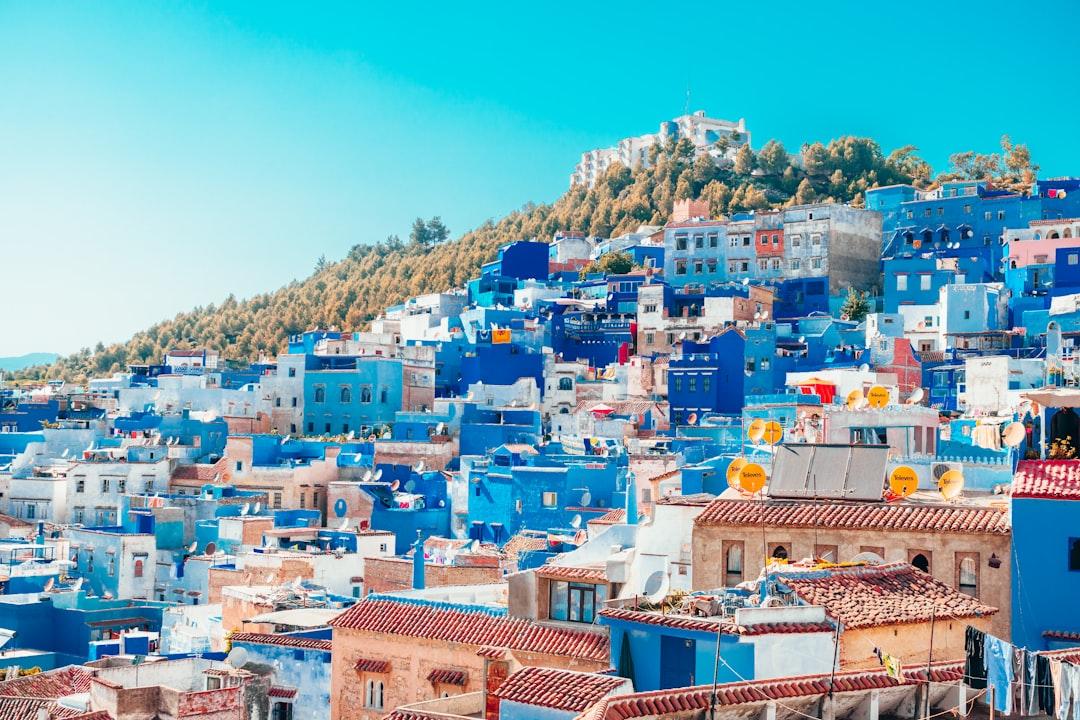
Chefchaouen hotels
Morocco · 70 hotels
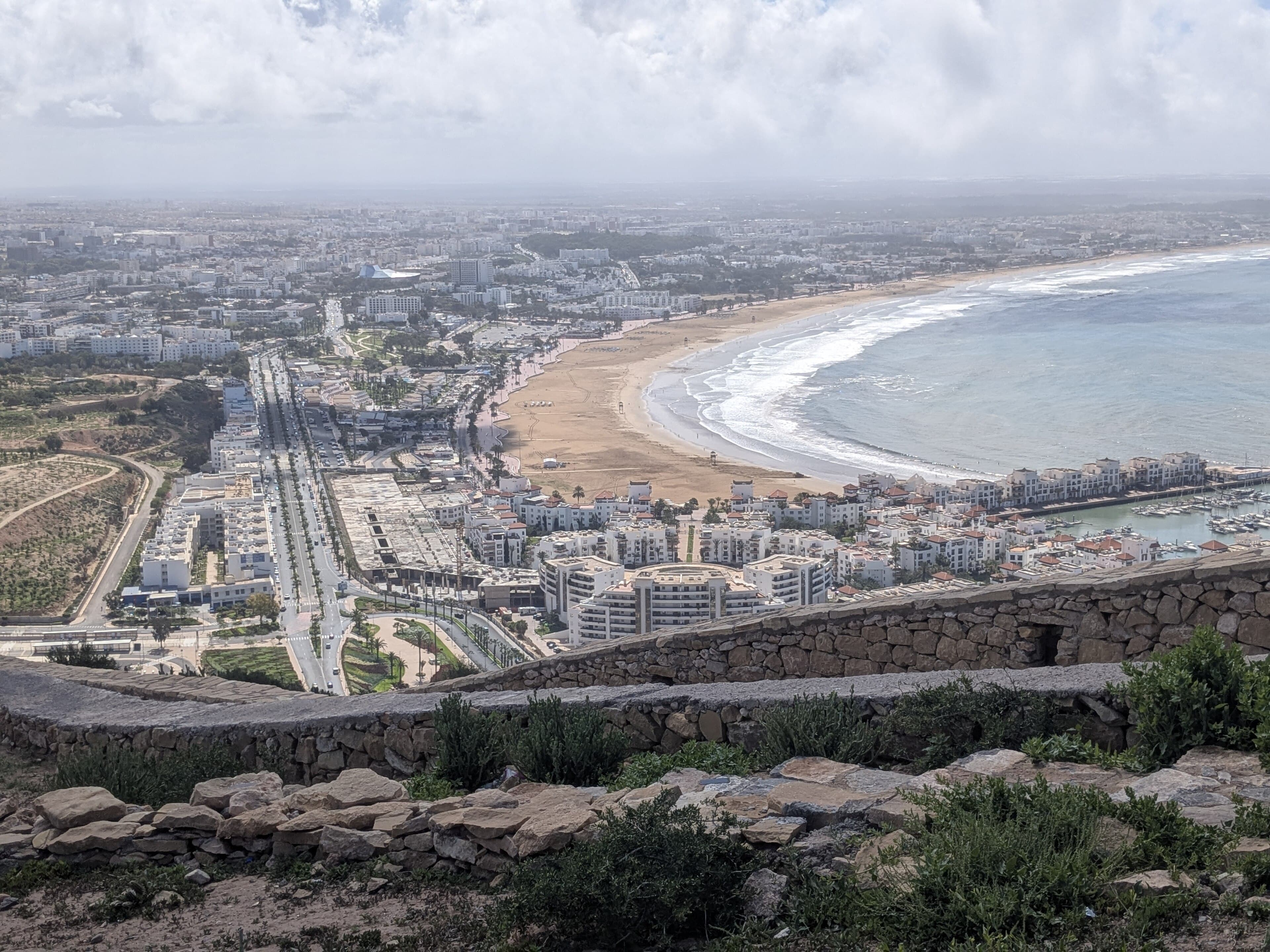
Agadir hotels
Morocco · 38 hotels
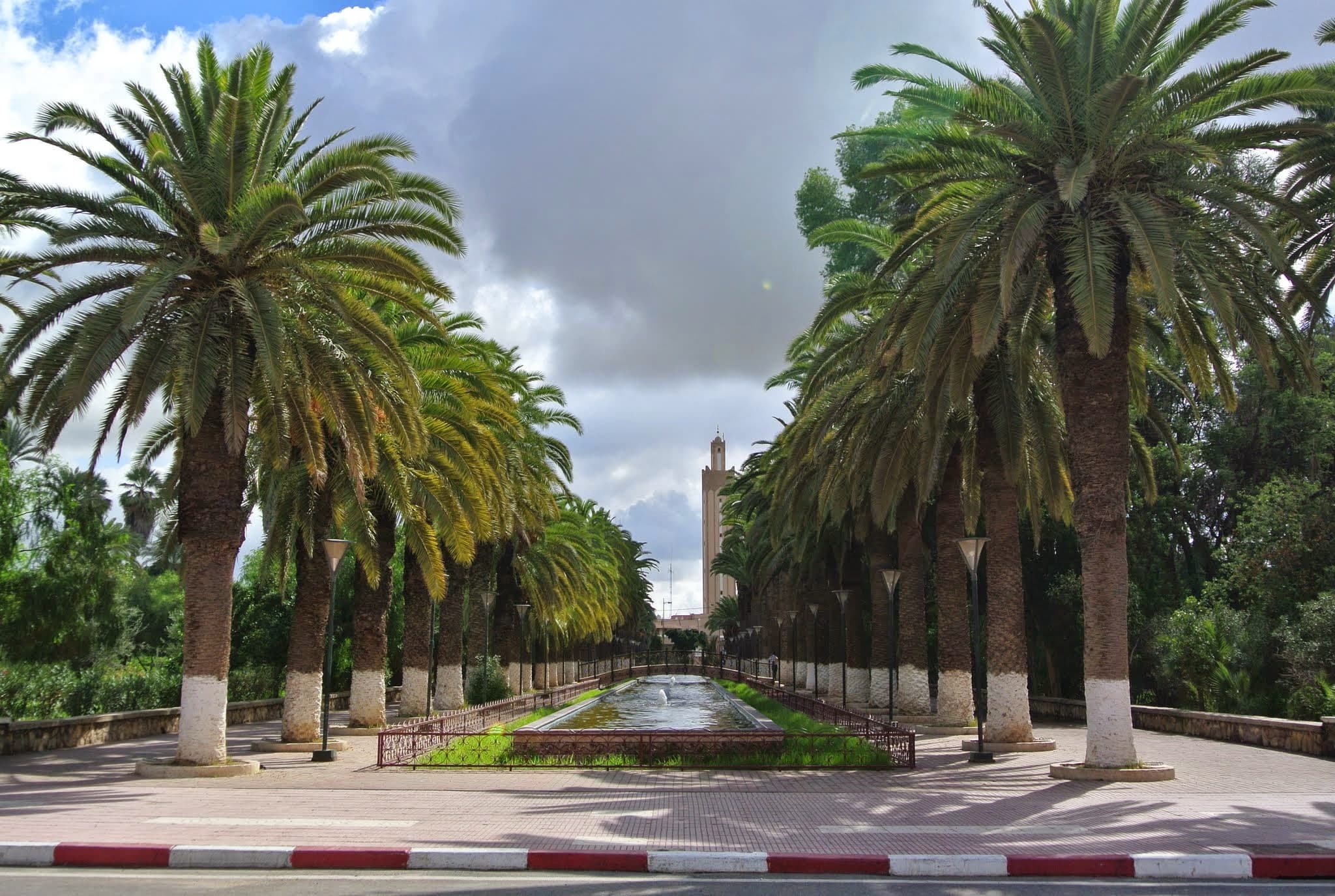
Taroudant hotels
Morocco · 31 hotels
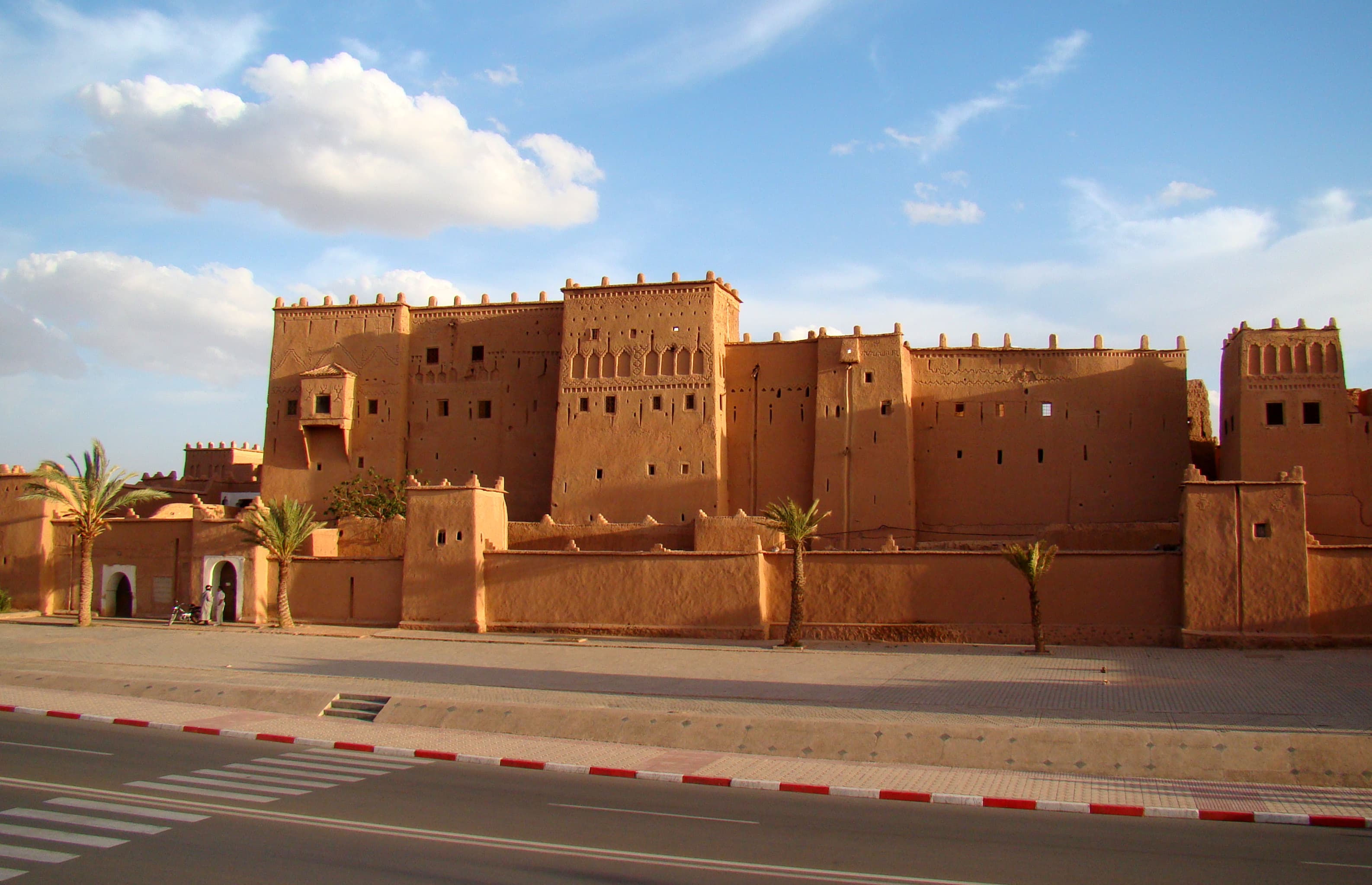
Ouarzazate hotels
Morocco · 30 hotels
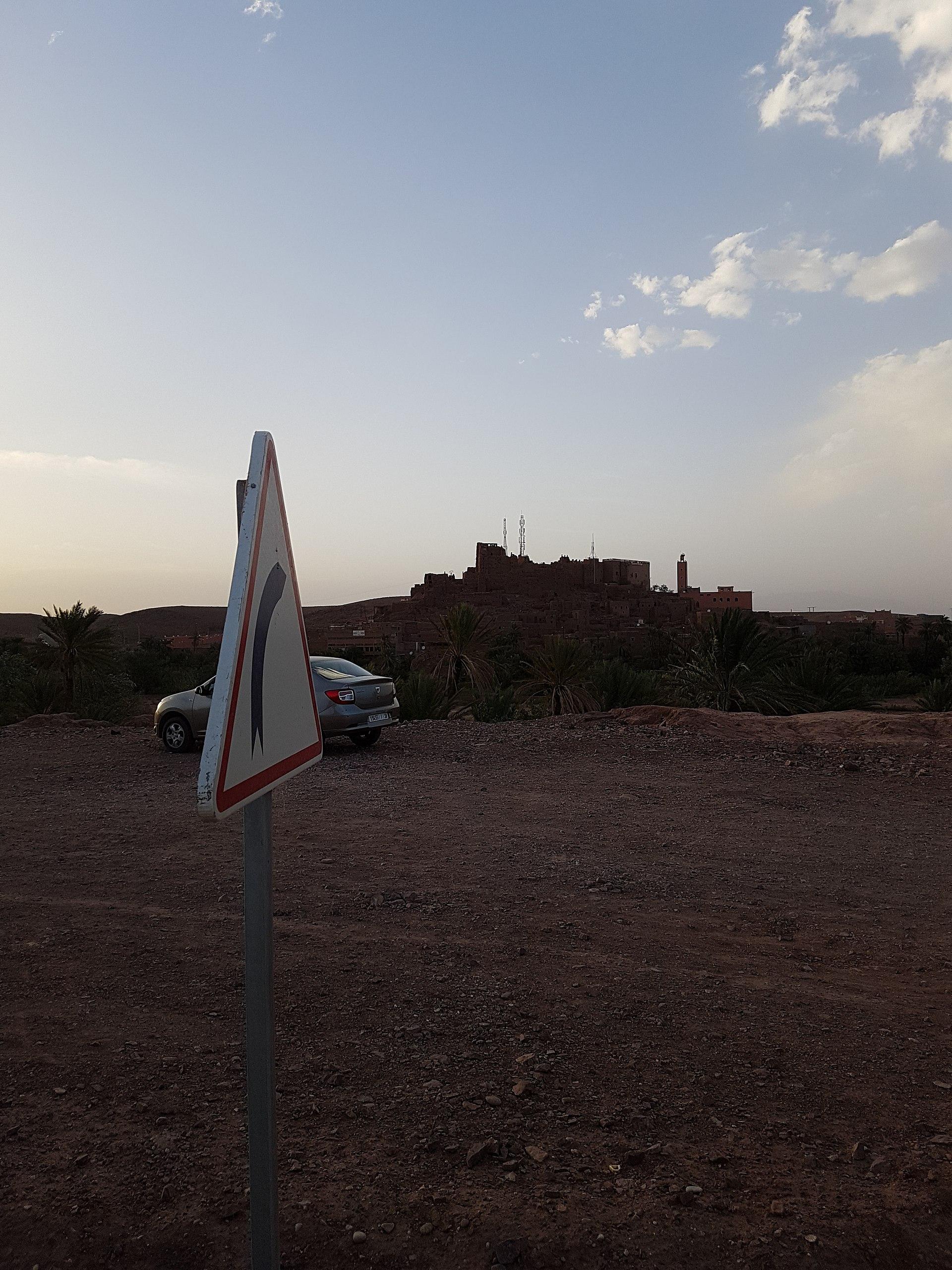
Tarmigt hotels
Morocco · 16 hotels
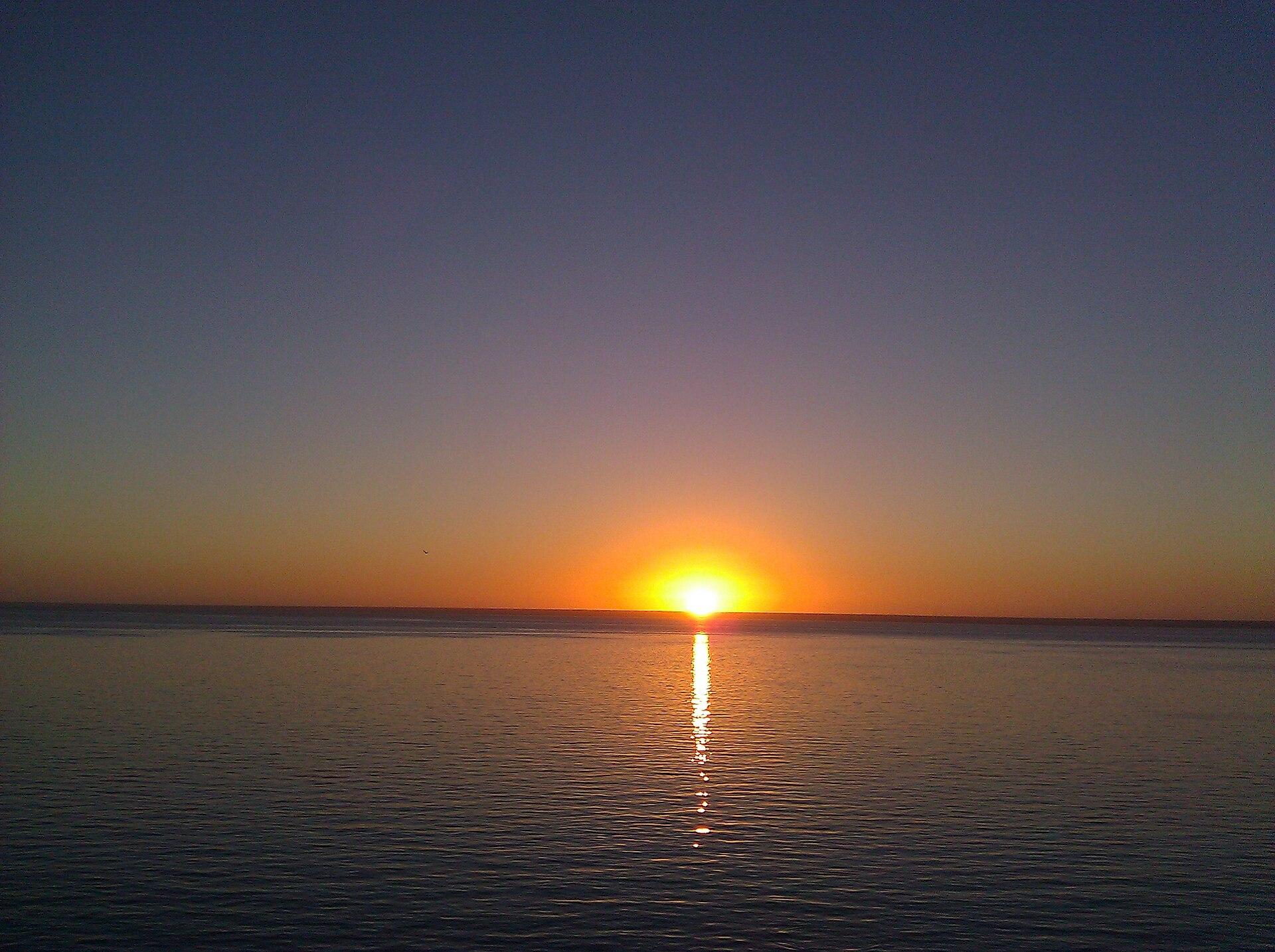
Dakhla hotels
Morocco · 14 hotels
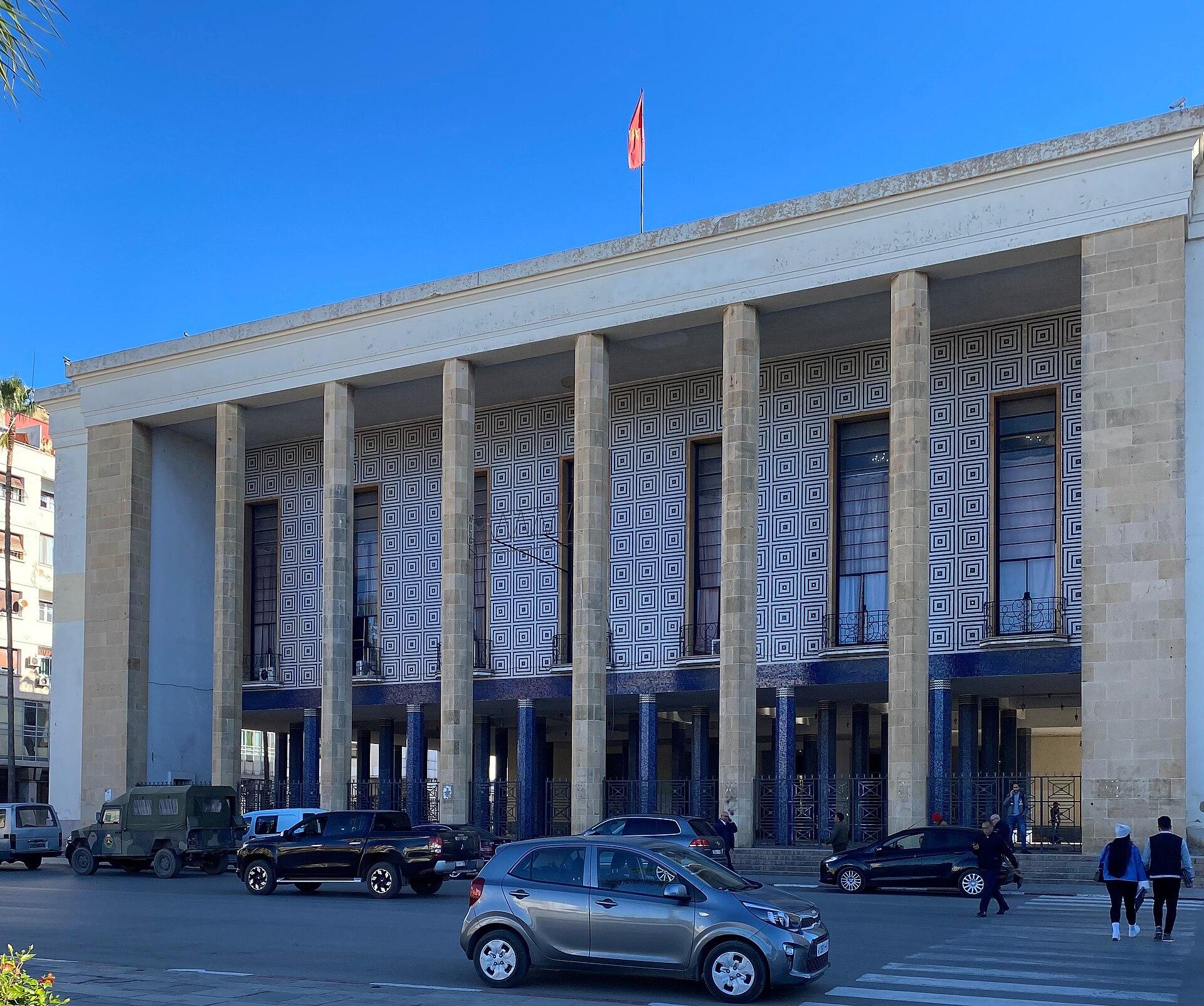
Meknès hotels
Morocco · 10 hotels
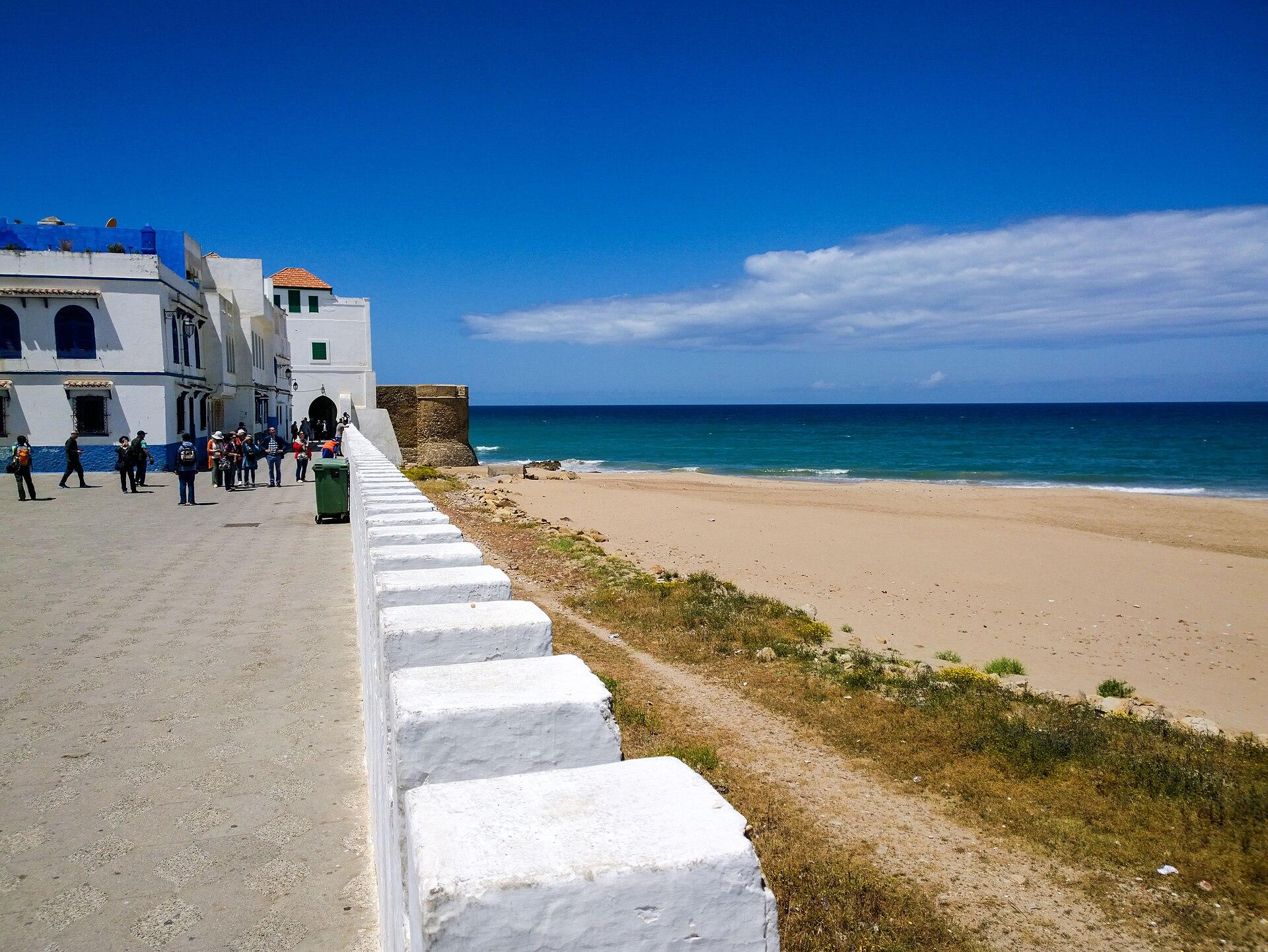
Asilah hotels
Morocco · 10 hotels
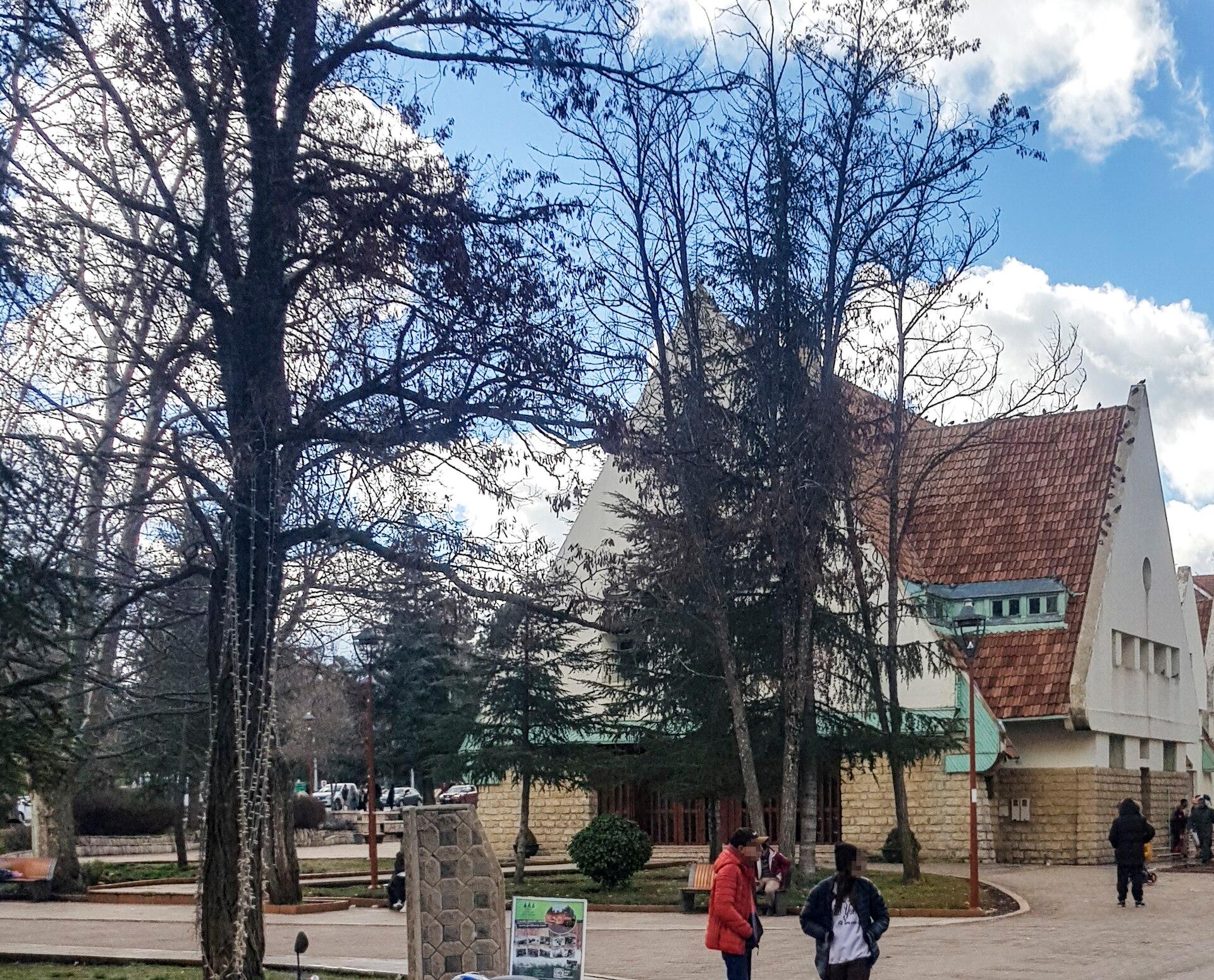
Ifrane hotels
Morocco · 6 hotels
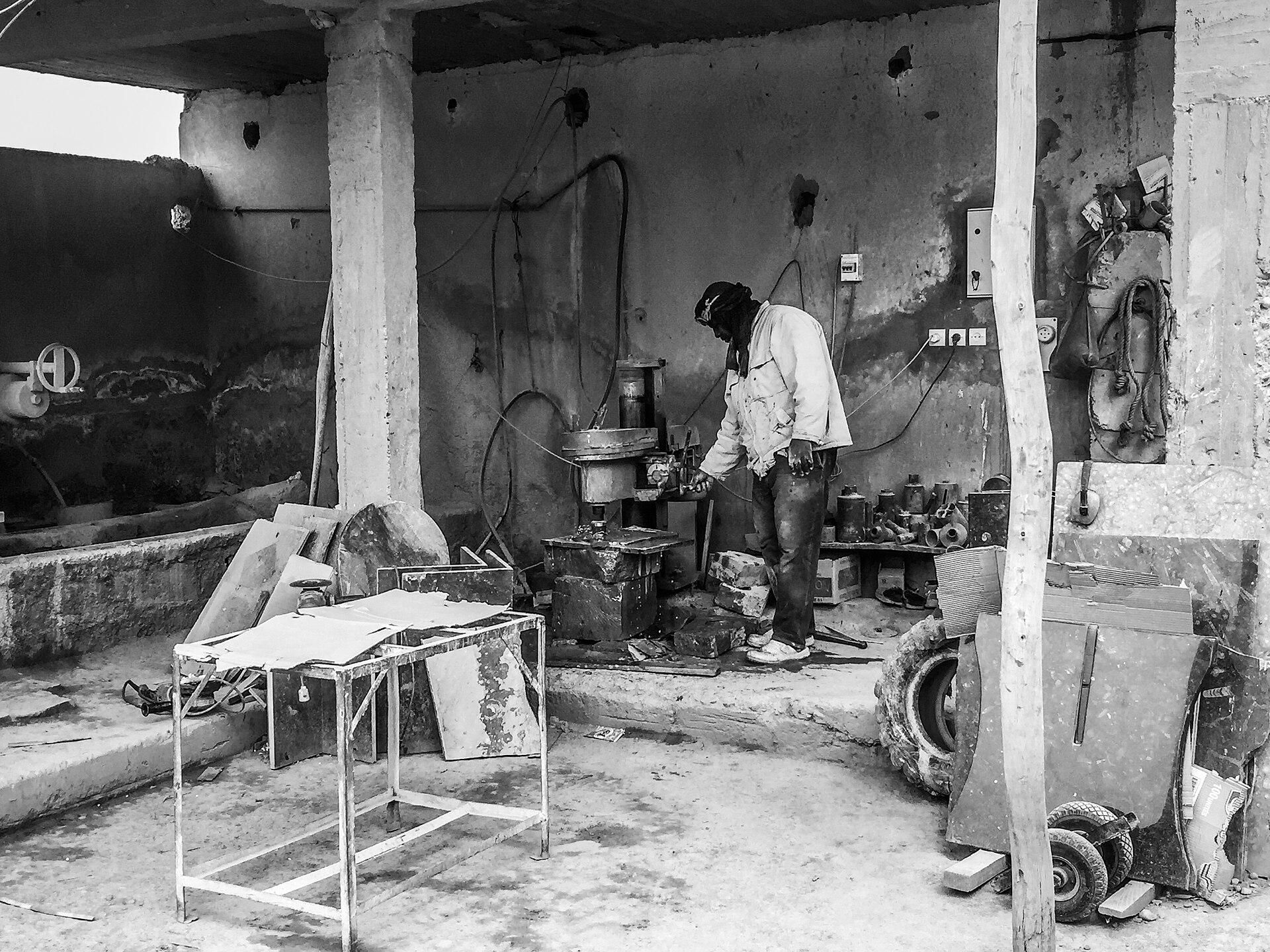
Erfoud hotels
Morocco · 4 hotels
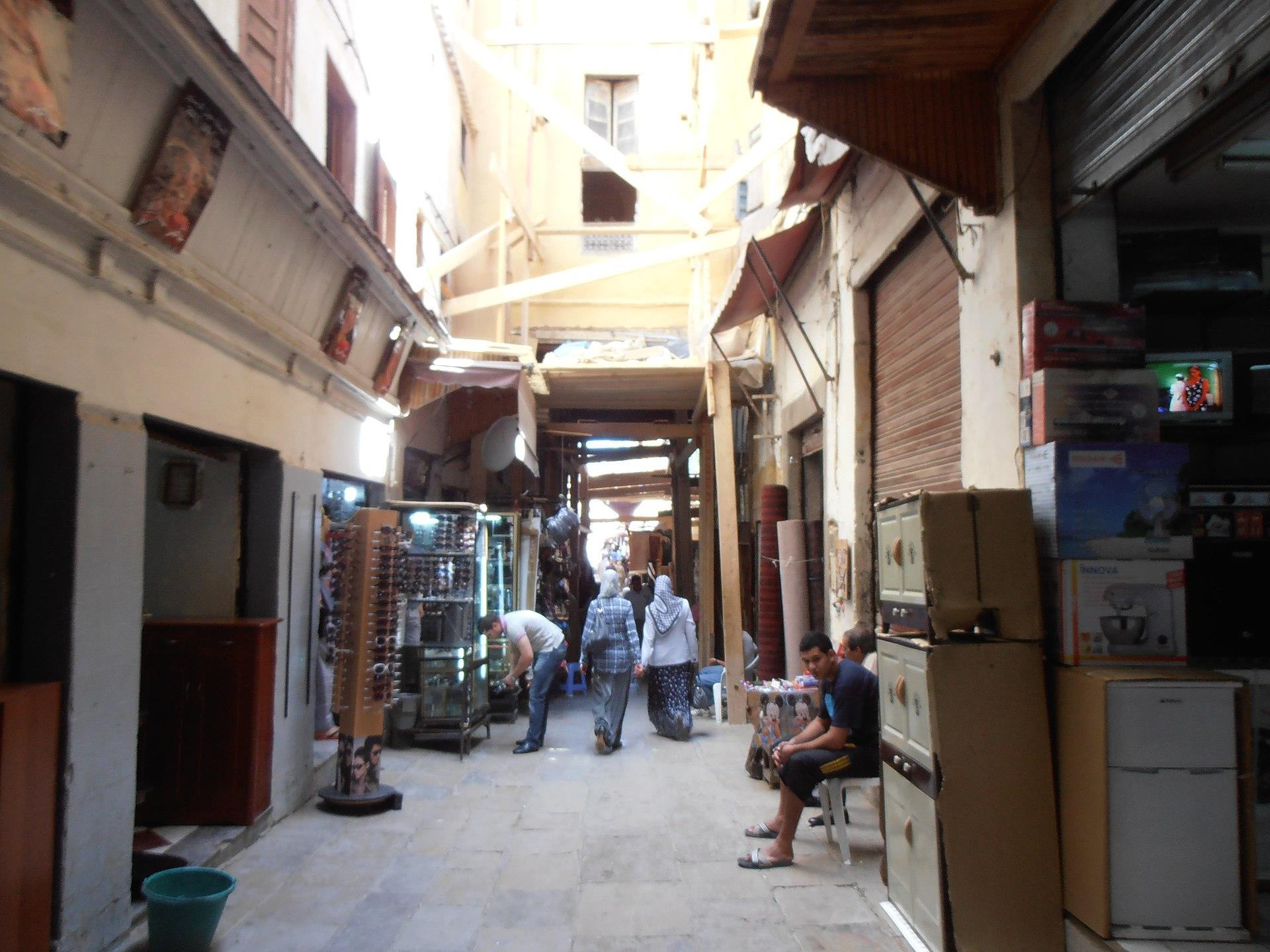
Fès hotels
Morocco · 2 hotels
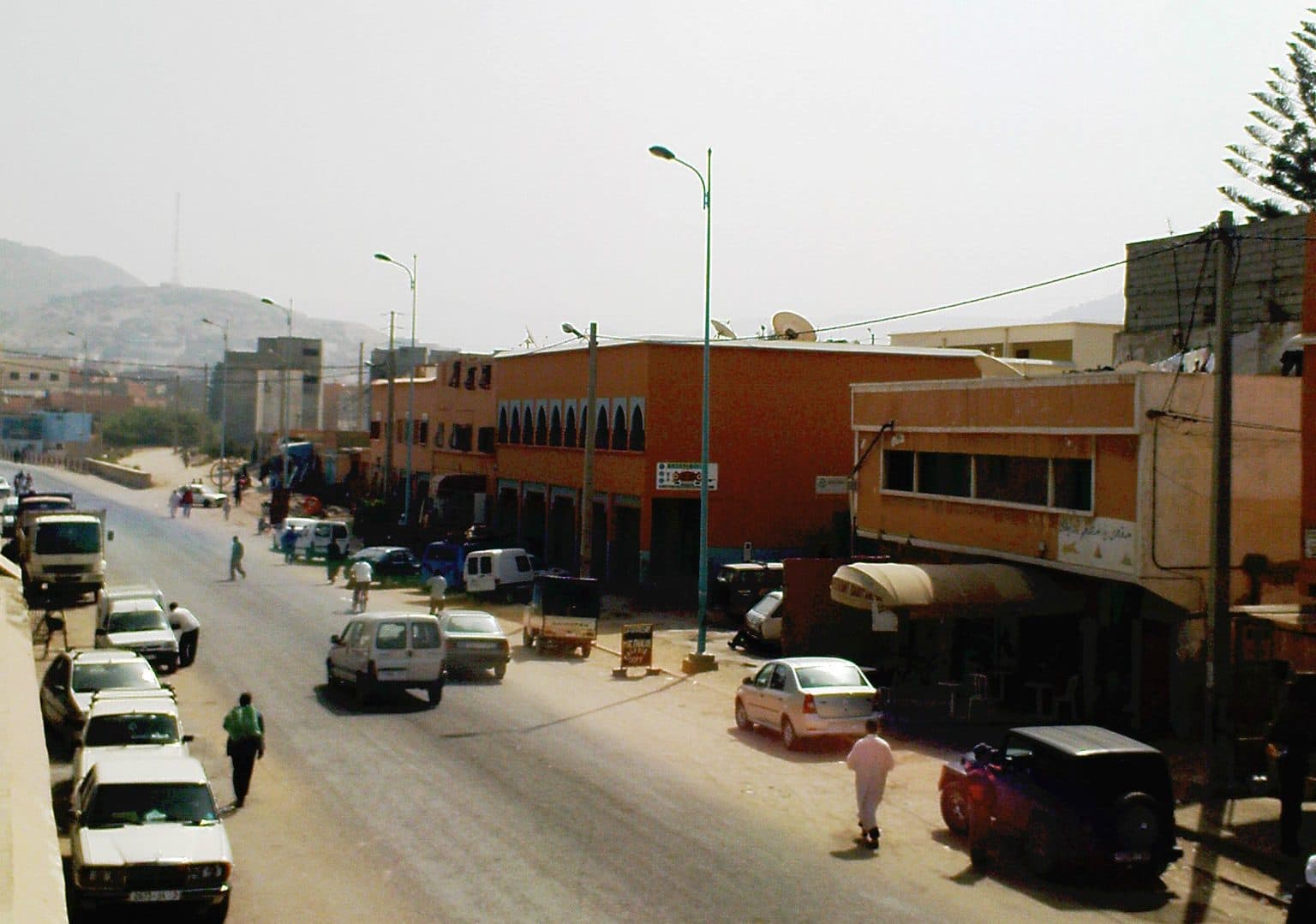
Aourir hotels
Morocco · 2 hotels
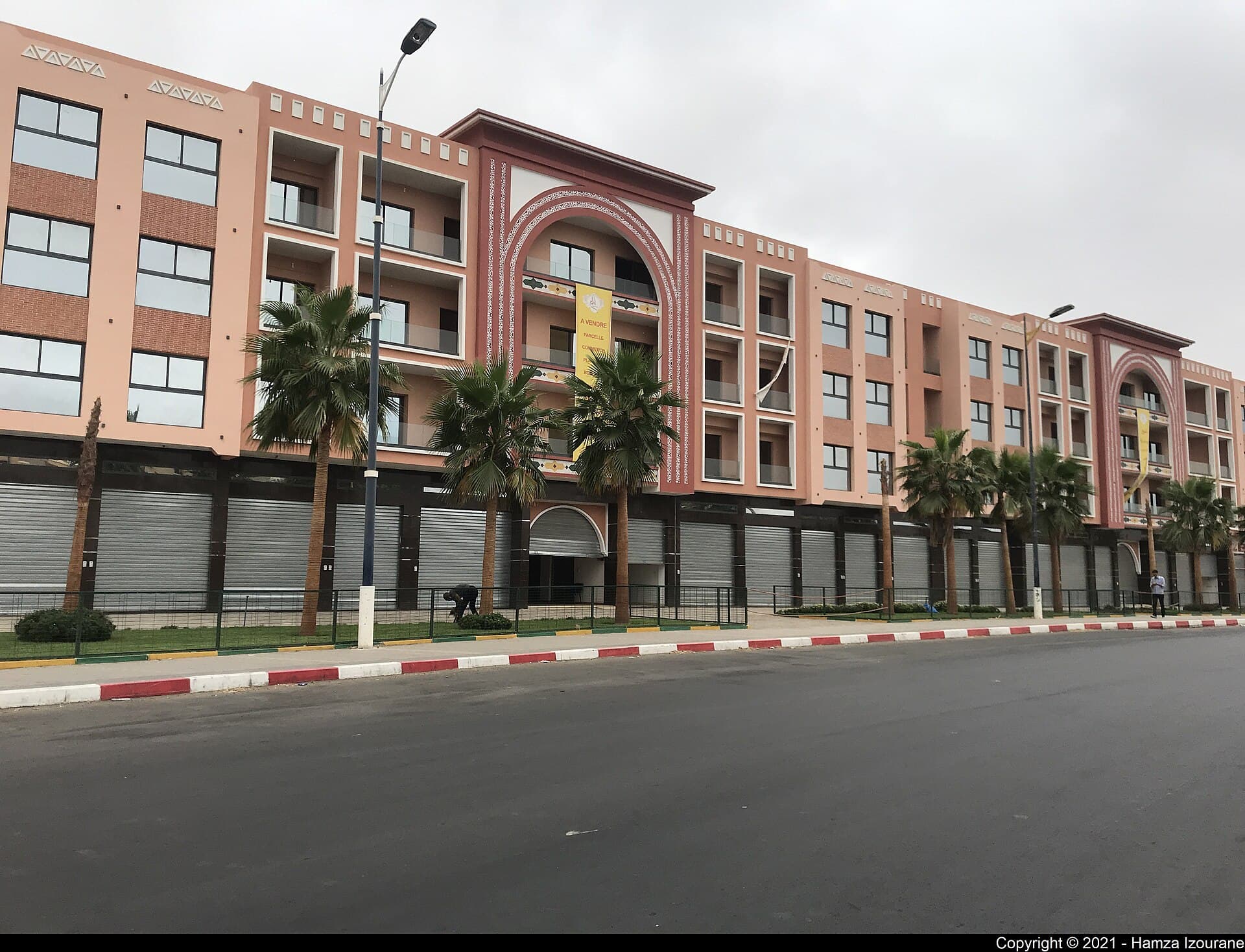
Ain el Mediour hotels
Morocco · 1 hotels

Er-Rteb الرتب hotels
Morocco · 1 hotels
Sidi Abdeljalil سيدي عبد الجليل hotels
Morocco · 1 hotels

Tizi n'Test hotels
Morocco · 1 hotels
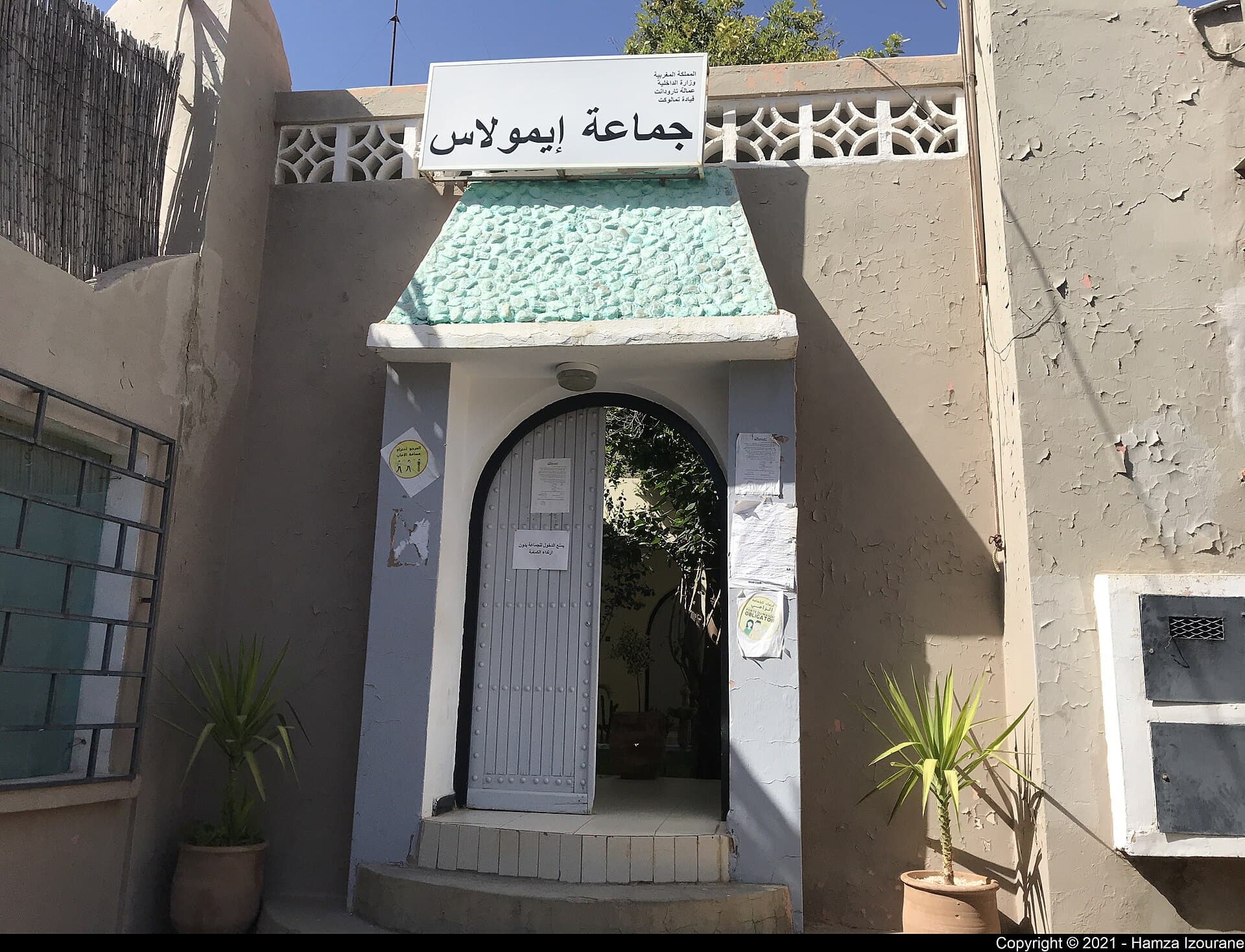
Isswel hotels
Morocco · 1 hotels
Oulad Raho hotels
Morocco · 1 hotels
Amasa hotels
Morocco · 1 hotels
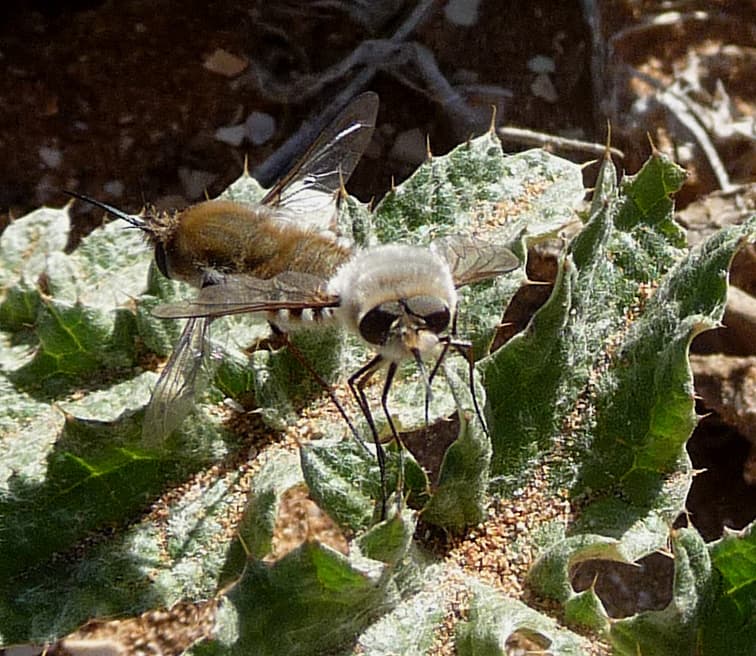
Talaa hotels
Morocco · 1 hotels
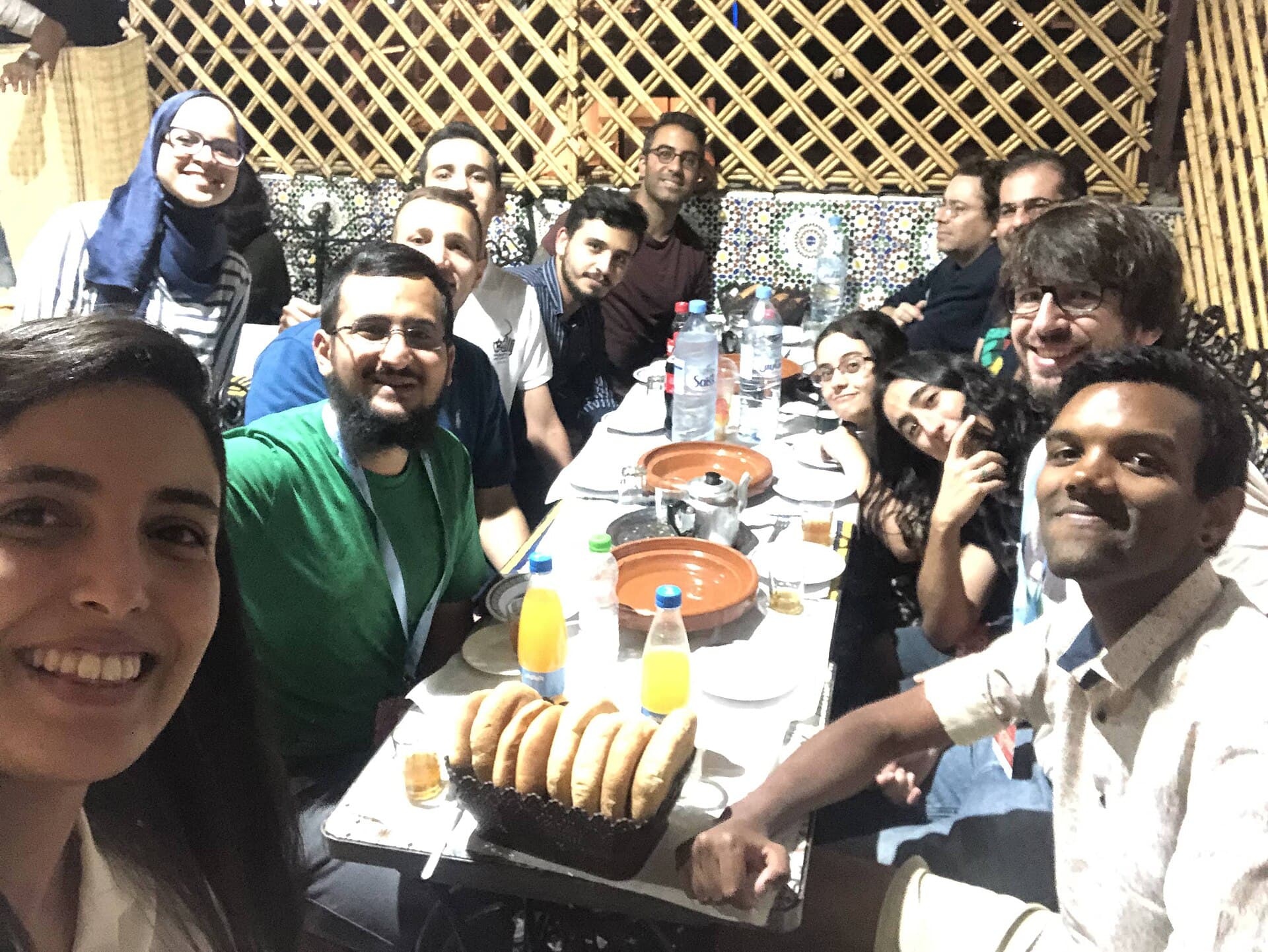
Tizgui N'Barda hotels
Morocco · 1 hotels
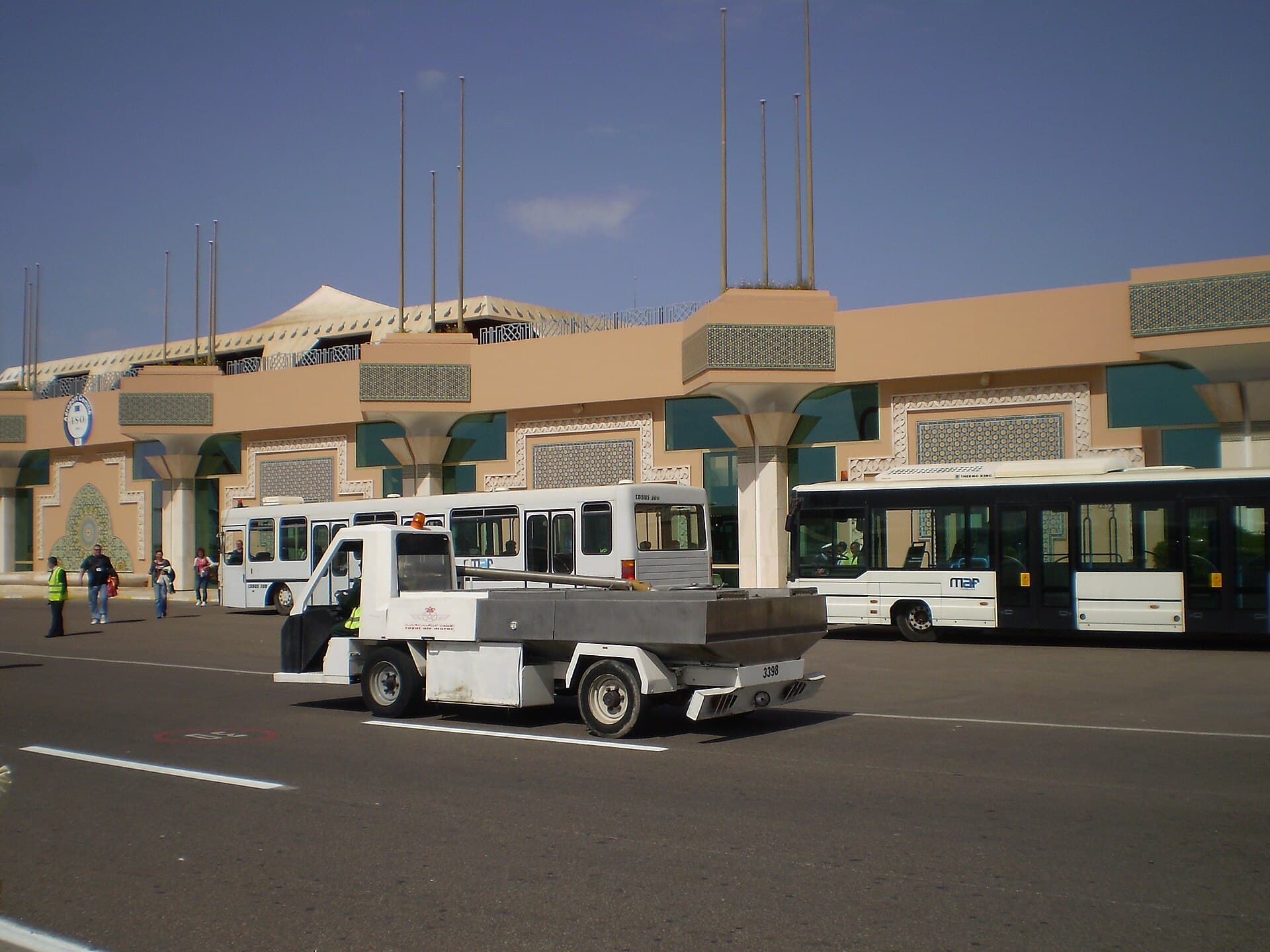
Oulad Ali hotels
Morocco · 1 hotels
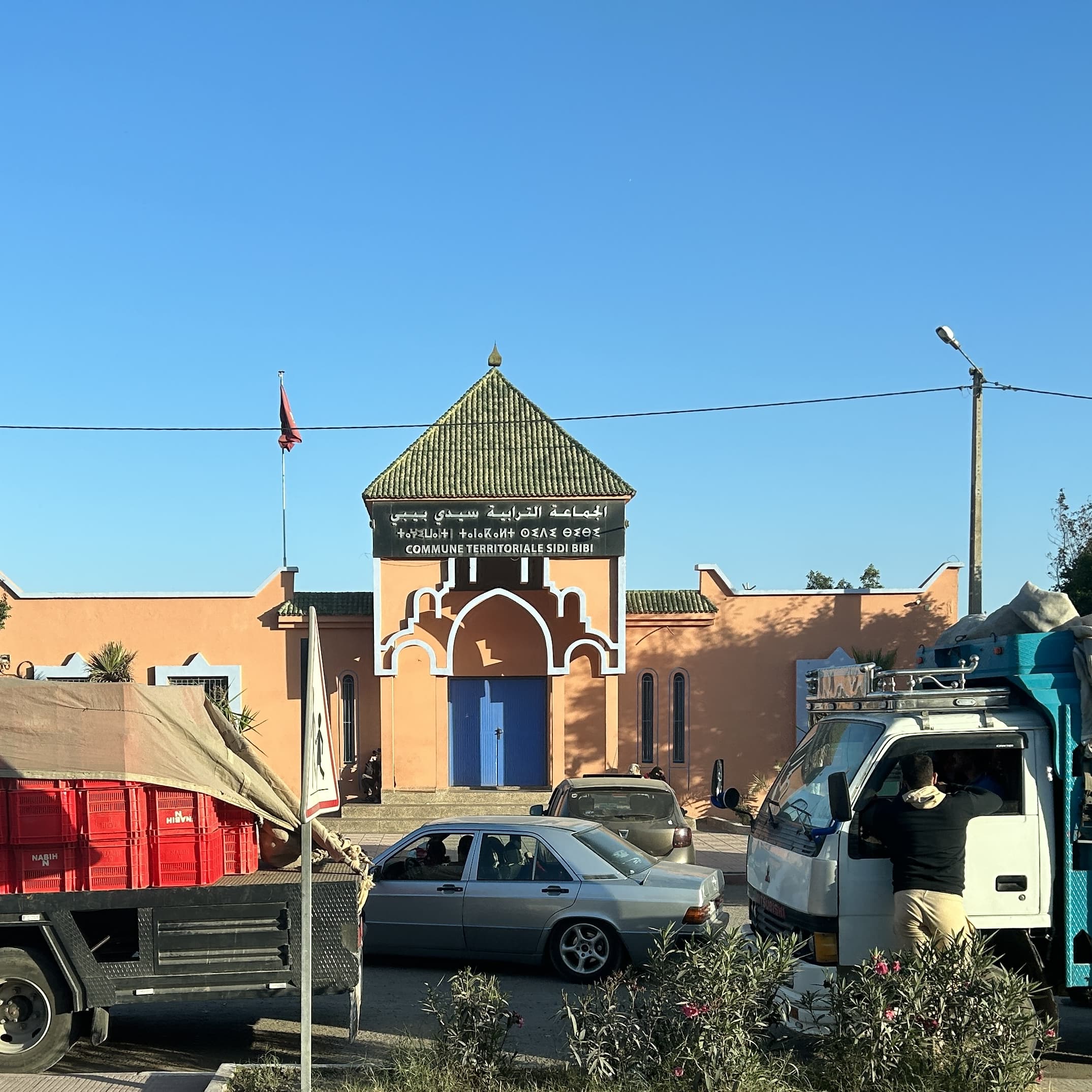
Sidi Bibi hotels
Morocco · 1 hotels